Have you ever wondered who came up with the clever idea behind the hook and loop fastener? That simple strip you use every day, from your shoes to your bags, hides an amazing story of invention and innovation.
Understanding who invented this fastener can change the way you see everyday objects and inspire your own creativity. Keep reading to discover the surprising mind behind this invention and how it has shaped your daily life in ways you might never have imagined.
Origins Of Hook And Loop Fastener
The hook and loop fastener is a simple yet clever invention. It changed how we fasten clothes and many other items. Its origin story is interesting and shows creativity at work.
This fastening system did not appear out of nowhere. It evolved from old methods and nature’s designs. Understanding its roots helps us appreciate this everyday tool.
Early Fastening Methods
Before hook and loop, people used buttons, laces, and pins. These methods worked but took time to fasten and unfasten. Buttons could fall off. Laces could come undone easily.
People wanted a faster, easier way to connect things. They experimented with different materials and techniques. Some tried metal hooks and eyes to hold fabric together. These early ideas paved the way for better fastening solutions.
Inspiration From Nature
The invention of hook and loop fastener came from nature. A Swiss engineer noticed burrs sticking to his clothes and dog’s fur. The burrs had tiny hooks that caught on loops in fabric.
This natural design inspired a new fastening idea. The engineer studied the burrs under a microscope. He copied the hook and loop system using fabric strips. This discovery led to the creation of the fastener we use today.
The Inventor: George De Mestral
George de Mestral invented the hook and loop fastener. This simple yet clever invention has many uses today. His story shows how curiosity and hard work can lead to new ideas. Learn more about the man behind this useful creation.
Background And Early Life
George de Mestral was born in Switzerland in 1907. He grew up in a family that loved nature. From a young age, he enjoyed exploring the outdoors. This interest helped him notice small details others missed. He later studied engineering, which gave him skills to invent things.
The Burr Discovery
One day, after a walk in the woods, de Mestral noticed burrs stuck to his clothes. He looked closely at the burrs under a microscope. He saw tiny hooks that caught on fabric loops. This simple idea sparked the invention of the hook and loop fastener. He thought, “What if I could copy this?”
Patent And Development Process
De Mestral worked many years to develop his idea. He designed a way to make hooks and loops from nylon. In 1955, he received a patent for his invention. He named it “Velcro,” combining “velvet” and “crochet.” The product needed testing and improvement. Eventually, it became strong and easy to use.
Design And Mechanics
The design and mechanics of the hook and loop fastener are simple yet effective. This fastening system uses two strips that stick together through tiny hooks and loops. The clever design allows for easy attachment and removal without tools or damage.
This invention changed how we fasten things. It works well in many areas, from clothes to shoes and even in space suits. Understanding its design helps us see why it became so popular.
How Hook And Loop Works
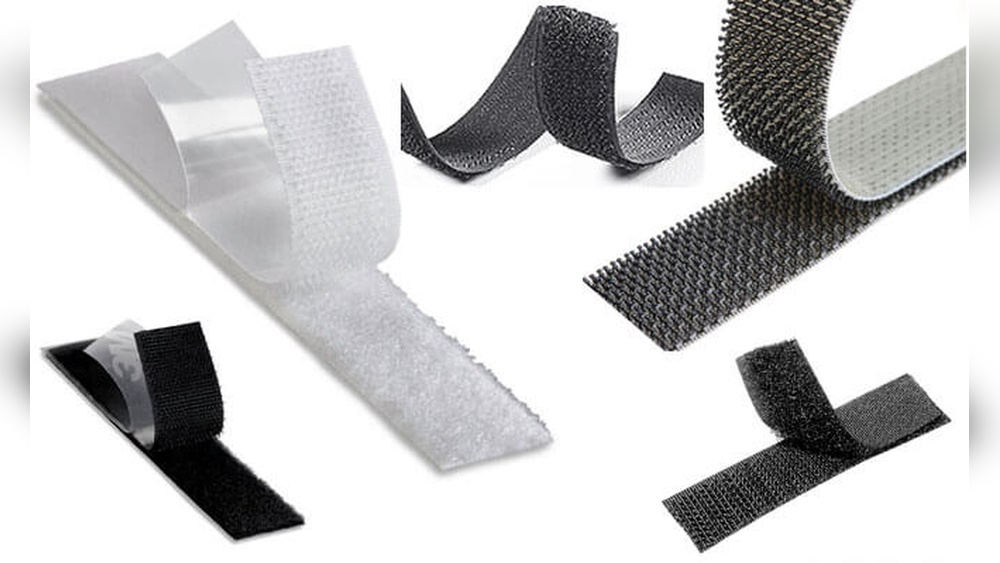
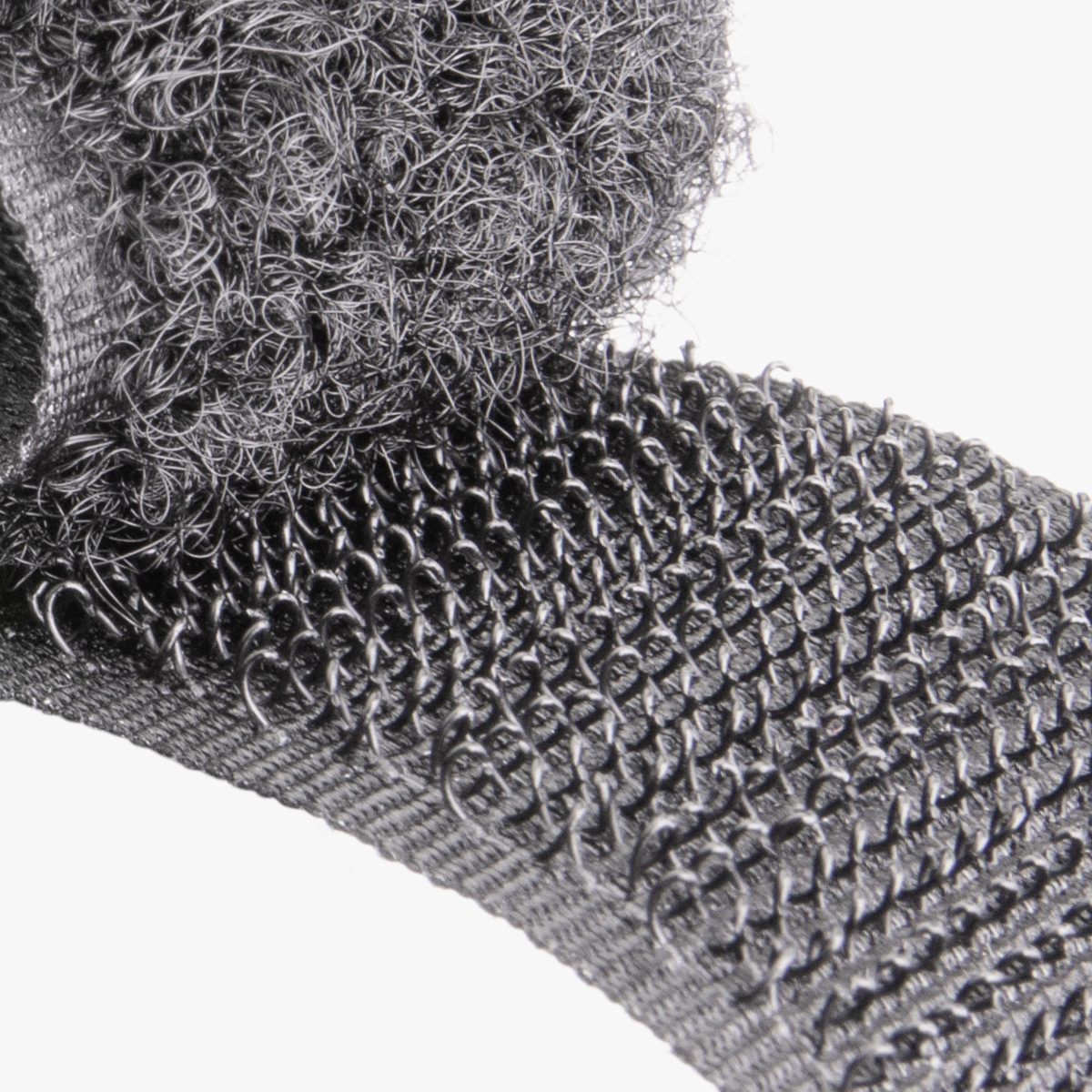
One strip has many small hooks. The other strip has soft loops. When pressed together, the hooks catch the loops. This connection holds the strips tightly.
Pulling the strips apart bends the hooks out of the loops. This breaks the connection without tearing the material. This simple action makes it reusable and strong.
Materials Used
The fastener usually uses nylon or polyester. These materials are strong and flexible. Nylon hooks are stiff and can hold tight. Polyester loops stay soft and bend easily.
Some fasteners use other plastics or even metal hooks. These versions suit special jobs needing extra strength or heat resistance.
Advantages Over Traditional Fasteners
It is easy to use without tools or effort. No buttons, zippers, or snaps are needed. It saves time and frustration.
The fastener works well with many materials. It also allows for quick adjustments and repositioning. It does not damage fabric or surfaces.
This fastener is lightweight and quiet. It works in many environments, indoors or outdoors. Its durability beats many traditional fasteners.
Credit: www.velcro.com
Challenges And Innovations
The invention of the hook and loop fastener faced many challenges. It took years of hard work and new ideas to make it practical. The journey shows the power of persistence and creativity. This section explores the obstacles and advances that shaped this useful invention.
Initial Skepticism
At first, many people doubted the idea of hook and loop fasteners. The concept seemed too simple to work well. Experts questioned its strength and durability. Some thought it would not last long under stress. It took time to prove the design’s value. Small tests showed promise, but wider acceptance was slow.
Manufacturing Breakthroughs
Early production faced technical problems. Making hooks and loops that fit perfectly was hard. Machines had to be developed to weave the materials. Finding the right fabrics was also a challenge. Inventors improved methods to speed up production. These breakthroughs made the fastener affordable and reliable.
Evolving Applications
The fastener’s use grew beyond clothing and shoes. It found roles in sports gear and medical devices. Designers adapted it for many industries. Each new use required small changes in design. The fastener became a common solution for easy closures. This growth shows how innovation meets real needs.
Impact On Industries
The invention of the hook and loop fastener has shaped many industries. This simple but smart design made tasks easier and faster. Different fields use it in unique ways to solve problems. The impact is clear in fashion, medicine, and aerospace.
Each industry found a special use for this fastener. It helps save time, increase safety, and improve comfort. The hook and loop fastener changed how products are made and used. Below are some key areas where its influence stands out.
Fashion And Apparel
Clothing designers use hook and loop fasteners to make outfits easy to wear. Kids’ clothes and shoes often have these fasteners. They replace buttons and zippers for quick dressing. Sportswear brands add them for better fit and comfort. This fastener also helps with adjustable accessories like hats and gloves.
Medical Uses
Hospitals use hook and loop fasteners in many ways. They secure bandages and braces without causing pain. Patients find it easier to adjust medical devices themselves. Doctors and nurses save time by using these fasteners. They help keep equipment in place during treatments and tests.
Aerospace And Military
The aerospace and military sectors depend on reliable fasteners. Hook and loop fasteners hold gear and clothing firmly. They allow quick removal and reattachment of equipment. Pilots and soldiers benefit from the fast and silent use. This fastener adds safety and convenience in tough conditions.

Credit: en.wikipedia.org
Velcro Today
Velcro remains a popular fastener used worldwide. It helps in clothing, shoes, sports gear, and even space suits. The simple design of hooks and loops keeps things secure and easy to open. Today, Velcro continues to evolve and reach new markets.
Let’s explore its global impact, efforts for sustainability, and what the future may hold for this useful invention.
Global Reach
Velcro is used in over 120 countries. Industries like fashion, automotive, and healthcare rely on it daily. Its ease of use makes it popular for children and adults. The fastener is found in homes, schools, and offices worldwide. New markets keep adopting Velcro for various needs.
Sustainability Efforts
Velcro is working to reduce waste and energy use. The company focuses on creating products with recycled materials. Efforts are made to design fasteners that last longer. These steps help lower the environmental impact. Sustainable options attract eco-conscious customers today.
Future Developments
Research is ongoing to improve Velcro’s strength and durability. Scientists explore new materials to make it lighter and more flexible. Innovations aim to add smart features like sensors. The goal is to expand Velcro’s use in tech and medicine. The future looks promising for this simple fastener.

Credit: www.hookandloop.com
Frequently Asked Questions
Who Invented The Hook And Loop Fastener?
The hook and loop fastener was invented by Swiss engineer George de Mestral in 1941. He created it after observing how burrs stuck to his clothes and his dog’s fur during a walk.
When Was The Hook And Loop Fastener Invented?
The hook and loop fastener was invented in 1941 by George de Mestral. He later patented the design in 1955, which led to its commercial production.
How Did George De Mestral Invent Hook And Loop?
George de Mestral noticed burrs clinging to fabric and fur. This observation inspired him to design a fastening system mimicking burr hooks and loops.
What Are Common Uses Of Hook And Loop Fasteners?
Hook and loop fasteners are widely used in clothing, shoes, sports gear, medical devices, and household items due to their easy fastening and reusability.
Conclusion
George de Mestral invented the hook and loop fastener in 1941. He got the idea after a walk in the woods. He saw burrs stick to his clothes and dog’s fur. This simple observation led to a useful invention. Today, hook and loop fasteners are everywhere.
They help in clothes, shoes, and many tools. The invention shows how nature can inspire new ideas. It proves small things can make a big difference. Understanding its origin helps us appreciate this everyday item. George’s curiosity turned a common problem into a helpful solution.