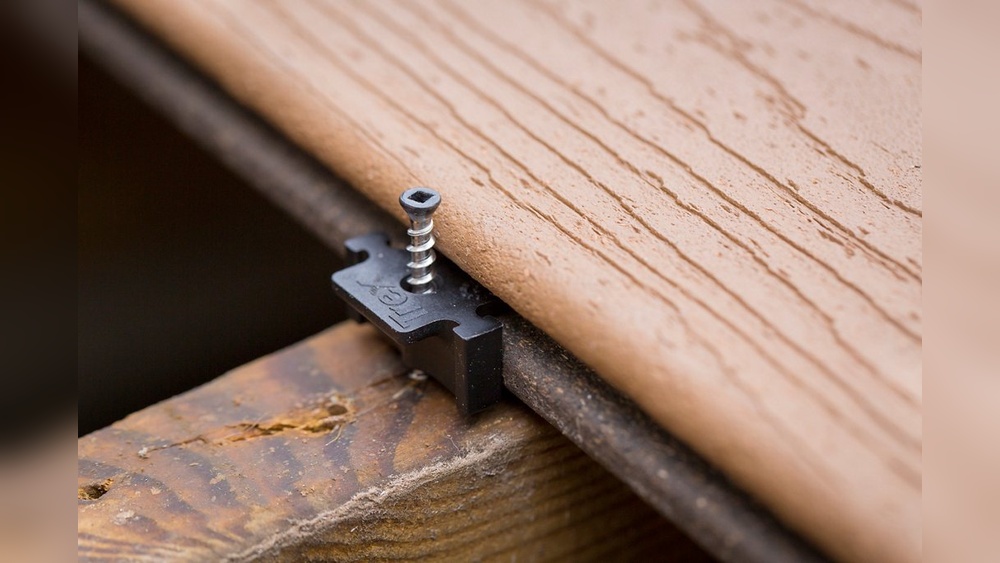
Choosing the right fasteners for pressure treated wood can make or break your project. You want your deck, fence, or outdoor furniture to last for years without rusting or falling apart.
But with so many options out there, how do you know which fasteners will keep your wood strong and secure? This article will guide you through everything you need to know, helping you pick the best fasteners that match your wood’s unique needs.
Keep reading, and you’ll avoid costly mistakes and build with confidence.
Credit: www.yellawood.com
Types Of Pressure Treated Wood
Pressure treated wood is popular for outdoor projects. It lasts longer and resists rot and insects. Different types of pressure treated wood exist. Each type has unique features and uses. Understanding these types helps choose the right fasteners.
Common Wood Varieties
Most pressure treated wood comes from pine trees. Southern yellow pine is widely used. It is strong and affordable. Other types include fir and spruce. These woods absorb treatment chemicals well. They are common in decks, fences, and posts.
Chemical Treatments Used
Wood is soaked or sprayed with chemicals. Copper-based preservatives are the most common. These chemicals protect against fungi and insects. Older treatments used arsenic, but now safer options exist. The type of chemical affects wood durability and handling.
Effects On Wood Properties
Treated wood often becomes heavier and wetter. It may expand or shrink as it dries. Chemicals can make the wood softer or harder. These changes affect how fasteners hold. Choosing corrosion-resistant screws or nails is important.
Credit: us.sfs.com
Challenges With Fastening Treated Wood
Fastening pressure treated wood presents unique challenges. This wood is chemically treated to resist decay and insects. The treatment affects how nails and screws perform. Choosing the wrong fasteners can cause damage or failure over time. Understanding these challenges helps select the best materials for strong, lasting projects.
Corrosion Risks
Chemicals in pressure treated wood can cause metal fasteners to rust fast. Rust weakens nails and screws, causing them to break or loosen. Standard steel fasteners often fail quickly with this wood type. Using corrosion-resistant metals like stainless steel or hot-dipped galvanized fasteners prevents rust. This choice extends the life of wood projects and keeps them safe.
Wood Expansion And Contraction
Pressure treated wood expands and contracts with moisture changes. This movement can loosen fasteners over time. Nails may pop out, and screws can strip their holes. Fasteners must allow some flexibility while holding tight. Ring-shank nails or screws with deep threads offer better grip. Proper installation also reduces gaps and shifting.
Longevity Concerns
Fasteners should last as long as the treated wood itself. Poor quality fasteners corrode or break early. This leads to repair costs and safety risks. Using the right fasteners ensures the structure remains strong for years. Always match fasteners to the wood treatment and environment. This care protects your investment and prevents early failure.
Materials For Durable Fasteners
Choosing the right fastener material is key for pressure treated wood projects. The chemicals in treated wood can cause many metals to corrode fast. Durable fasteners prevent rust and keep your structure strong. Some materials resist corrosion better than others. Here are common options that last long and hold well.
Stainless Steel Options
Stainless steel fasteners resist rust and corrosion very well. They are made with chromium, which forms a protective layer. These fasteners work great in wet or outdoor conditions. They cost more but last much longer. For projects near water or in humid areas, stainless steel is a smart choice. It keeps your wood safe and your structure solid.
Hot-dip Galvanized Fasteners
Hot-dip galvanized fasteners get a thick zinc coating during manufacturing. The zinc protects the metal underneath from rust. These fasteners are strong and affordable. They work well with pressure treated wood. The coating stands up to the chemicals inside the wood. Choose hot-dip galvanized fasteners for decks, fences, and other outdoor builds.
Copper-based Fasteners
Copper-based fasteners resist corrosion naturally. Copper alloys can handle the chemicals in treated wood. They are less common but offer good durability. These fasteners are often used for special wood types or historical restorations. Copper fasteners blend well with wood and resist rust over time. They are a good option for unique projects.
Coated And Specialty Fasteners
Coated fasteners have special layers that protect them from corrosion. Some use ceramic or epoxy coatings. These coatings stop moisture and chemicals from causing rust. Specialty fasteners include those made for marine or industrial use. They offer extra strength and protection. Choose coated or specialty fasteners when you need extra durability.
Choosing The Right Fastener Type
Choosing the right fastener type is key for pressure treated wood projects. It ensures strong holds and long-lasting results. Not all fasteners work well with treated wood. Some can corrode or fail quickly. Understanding the options helps you pick the best fit for your needs.
Nails Vs Screws
Nails are quick to install and cost less. They work well for framing and simple projects. But nails can loosen over time. Screws hold tighter and resist pulling out. They provide better grip for decks and fences. Choose screws if you want stronger, longer-lasting joints.
Bolts And Other Hardware
Bolts offer extra strength for heavy loads. Use them in structural connections or large beams. Washers and nuts secure bolts firmly in place. Other hardware like brackets adds support and stability. These parts help build safe, sturdy structures with treated wood.
Specialty Fasteners For Specific Applications
Some fasteners are made for special jobs. Stainless steel or coated fasteners resist rust on outdoor wood. Deck screws have sharp tips to reduce splitting. Some nails have extra coating for marine use. Choose specialty fasteners to match your project’s demands and environment.
Installation Tips For Long-lasting Joints
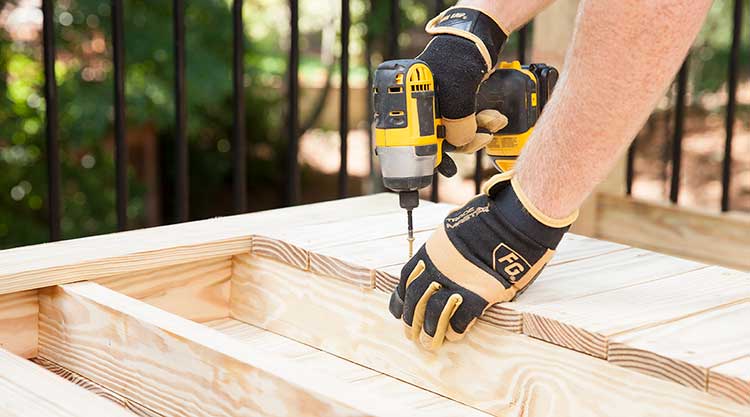
Installing fasteners in pressure treated wood needs care. Proper steps increase the life of joints and prevent damage. Following smart installation tips helps hold wood firmly for years. These tips focus on avoiding common problems and ensuring strong connections.
Pre-drilling Techniques
Pre-drilling holes helps avoid wood splitting. Use a drill bit slightly smaller than the fastener. Drill straight holes to keep fasteners aligned. This step is important for hardwood or near edges. It also makes driving screws easier and cleaner.
Proper Fastener Placement
Place fasteners at least 1 inch from wood edges. Keep spacing between fasteners consistent for even strength. Avoid crowding fasteners in one area. Drive fasteners straight and flush with the surface. This prevents wood damage and ensures a strong grip.
Avoiding Common Mistakes
Do not use plain steel fasteners; they rust quickly. Use stainless steel or coated fasteners for pressure treated wood. Avoid over-tightening screws to prevent stripping or crushing wood. Skip hammering nails too hard to reduce splitting. Check fasteners regularly for loosening or rust.
Maintenance And Inspection
Proper maintenance and inspection of fasteners in pressure treated wood ensures long-lasting strength. Regular checks help spot issues before they worsen. This saves time and money on repairs.
Pressure treated wood can corrode certain metals fast. Using the right fasteners is only the first step. Checking them often keeps your wood structures safe and sturdy.
Signs Of Fastener Failure
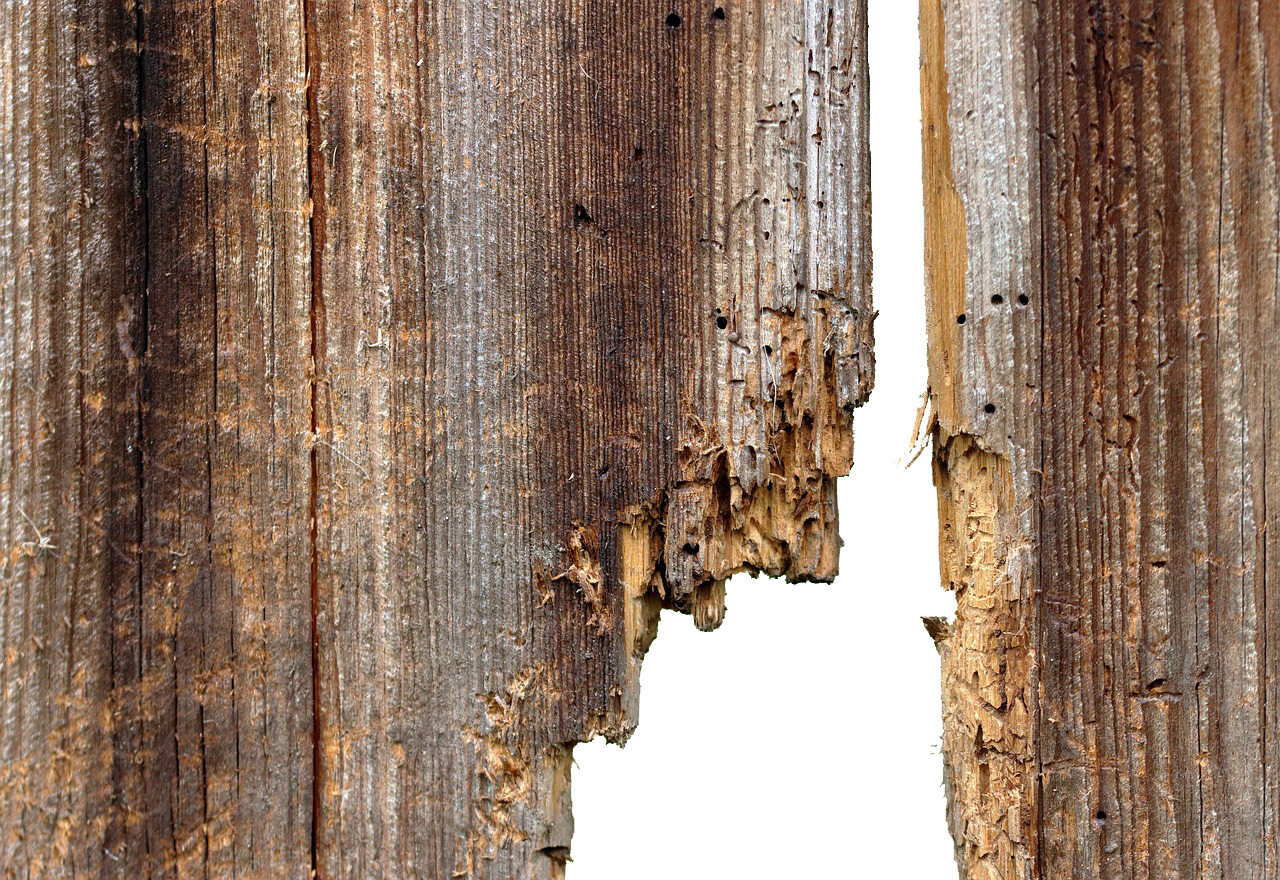
Look for rust stains on wood near fasteners. Loose or wobbly screws and nails show trouble. Wood splitting around fasteners means they may be failing. Bent or broken fasteners need immediate attention. These signs suggest fasteners are weakening or damaged.
Routine Checks And Upkeep
Inspect fasteners every six months or after storms. Tighten any loose screws or bolts carefully. Remove rust with a wire brush to prevent spread. Apply a rust-resistant coating if needed. Clean dirt and debris from fastener areas. Keep wood dry and sealed to reduce corrosion risk.
When To Replace Fasteners
Replace fasteners that are heavily rusted or cracked. Do this if wood around them is damaged or soft. Use corrosion-resistant fasteners made for pressure treated wood. Replacing fasteners early stops bigger problems later. Always match new fasteners to the original type and size.
Environmental Considerations
Choosing the right fasteners for pressure treated wood needs more than just strength. Environmental factors play a big role in fastener performance and longevity. Understanding how climate and eco-friendly options affect fasteners helps in making better choices. This section explores these important environmental considerations.
Impact Of Climate On Fastener Performance
Climate affects how fasteners react over time. Moisture from rain or humidity can cause metal to rust quickly. Salt air near the ocean speeds up corrosion. Hot temperatures can cause metal to expand and contract. These changes weaken fasteners and reduce their lifespan. Choosing fasteners that resist rust and corrosion is key in tough climates.
Stainless steel and hot-dipped galvanized fasteners work well in wet or salty environments. They keep pressure treated wood secure for years. In dry climates, corrosion is less of a problem, so less expensive fasteners may be suitable. Understanding local weather helps pick fasteners that last longer.
Eco-friendly Fastener Choices
Eco-friendly fasteners reduce harm to the environment. Some fasteners use recycled metals, lowering the need for new mining. Others avoid toxic coatings that can leach into soil. These choices help protect plants and animals around your project.
Look for fasteners labeled as environmentally safe or low-impact. Stainless steel fasteners often last longer, reducing waste from replacements. Using durable, eco-friendly fasteners supports sustainable building practices. It also protects the treated wood from damage caused by rust or decay.
Credit: ozcobp.com
Frequently Asked Questions
What Type Of Fasteners Work Best For Pressure Treated Wood?
Stainless steel or hot-dipped galvanized fasteners work best. They resist corrosion caused by chemicals in pressure-treated wood. Avoid plain steel to prevent rust and wood damage.
Can I Use Regular Nails With Pressure Treated Wood?
Regular nails are not recommended. They can corrode quickly due to wood treatment chemicals. Use corrosion-resistant fasteners like stainless steel or coated nails for durability.
Why Choose Stainless Steel Fasteners For Treated Wood?
Stainless steel fasteners resist rust and corrosion effectively. They ensure long-lasting connections and maintain wood integrity. They are ideal for outdoor and moist environments.
Are Coated Screws Suitable For Pressure Treated Wood?
Yes, coated screws are suitable if they are corrosion-resistant. Look for hot-dipped galvanized or ceramic-coated screws designed for treated lumber. They prevent rust and wood staining.
Conclusion
Choosing the right fasteners keeps pressure treated wood strong and safe. Use stainless steel or coated nails to prevent rust. These fasteners last longer and protect wood from damage. Avoid using plain steel to stop corrosion issues. Simple steps like this help your projects stand the test of time.
Good fasteners make all the difference in woodwork. Keep your wood secure and enjoy lasting results.