If you’re planning to build or upgrade your Trex deck, one question probably tops your list: how many fasteners do you actually need? Using the right number and type of fasteners isn’t just about holding your deck together—it affects its strength, durability, and overall look.
Too few fasteners can lead to loose boards and safety hazards, while too many can waste time and money. In this guide, you’ll discover exactly how many fasteners to use for your Trex decking, whether you’re working with traditional screws, hidden fasteners, or fascia boards.
Keep reading to get the simple, clear answers you need to make your deck project smooth and successful.
Credit: blog.advantagelumber.com
Fastener Types For Trex Decking
Choosing the right fasteners for Trex decking is crucial for a durable and clean finish. Different fastener types offer unique benefits and suit various installation needs. Understanding each fastener type helps ensure proper deck assembly and longevity.
Standard Screws
Standard screws are the most common fasteners for Trex decking. Use two screws per joist to secure each board firmly. These screws are visible but provide strong, reliable attachment. They work well for many deck styles and are easy to install with basic tools.
Hidden Fasteners
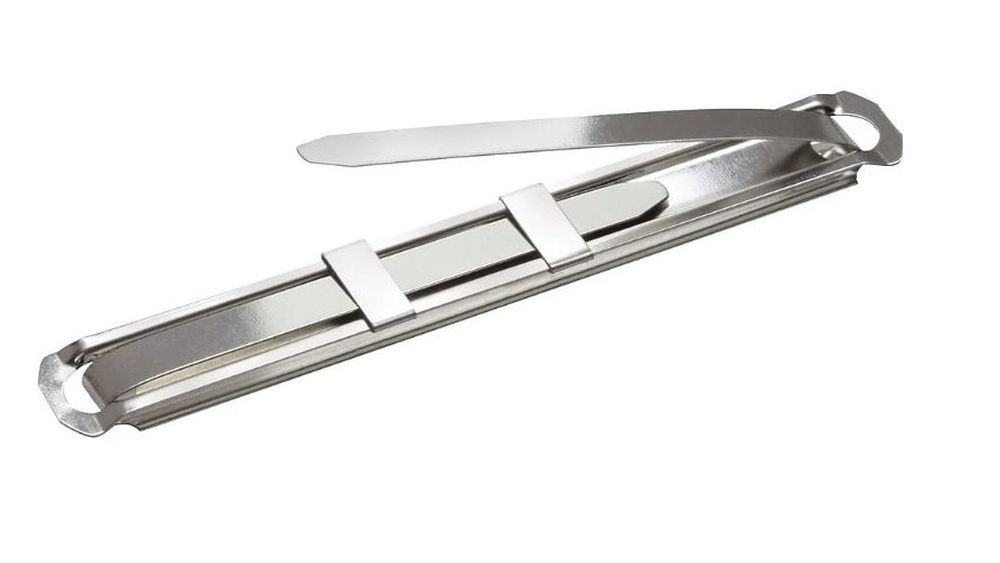
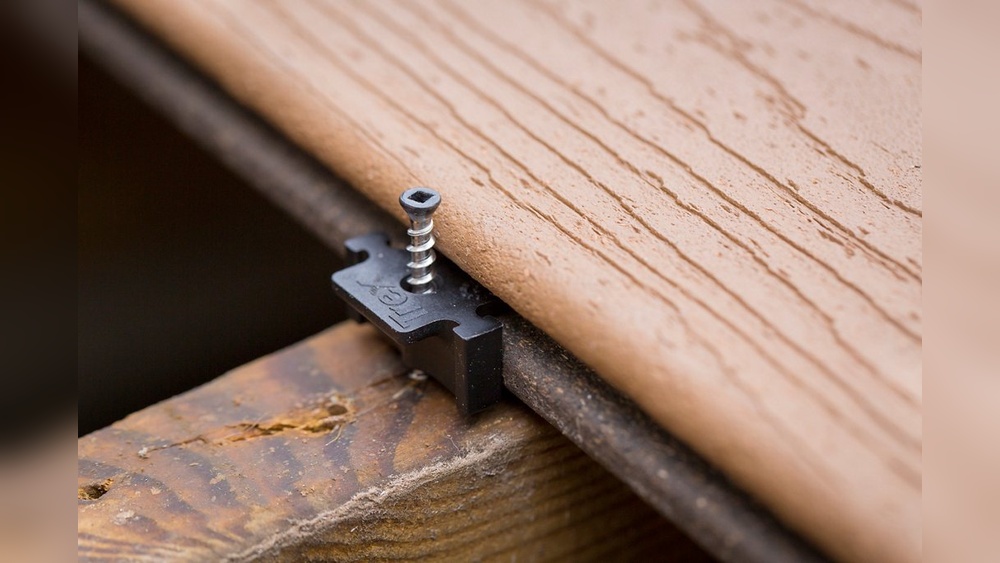
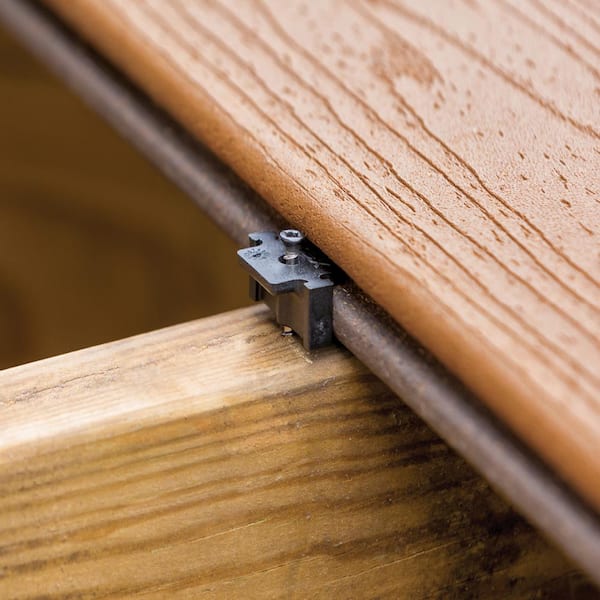
Hidden fasteners offer a smooth, screw-free deck surface. One clip is used per joist, gripping the board edges tightly. This system hides all screws beneath the deck boards. It creates a cleaner look and prevents surface damage from exposed screws.
Butt Joint Clips
Butt joint clips connect two deck boards end-to-end. Use one clip on each side of the joint for a secure fit. These clips keep the boards aligned and reduce movement. Ideal for longer decks, they maintain a seamless appearance.
Starter Clips
Starter clips hold the first board in place along the ledger board. They ensure the first row is straight and secure. These clips make deck installation easier and more precise. Use one starter clip for each joist at the deck edge.
Composite Deck Screws
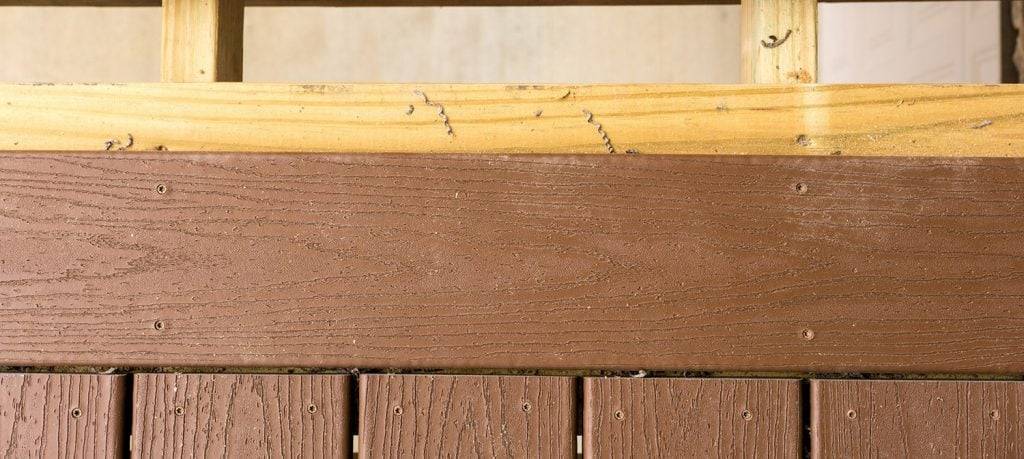
Composite deck screws are specially designed for Trex materials. They resist corrosion and prevent mushrooming on the deck surface. These screws come in colors matching Trex boards for a neat look. Use them for fascia boards and visible areas requiring strong hold.
Fastener Quantity Per Joist
Determining the right number of fasteners per joist is essential for a strong Trex decking installation. Proper fastening prevents board movement and keeps your deck safe and durable. Fastener quantity depends on the type of fastener and the board placement on the joists. Understanding these details helps you plan materials and ensures a neat, lasting finish.
Two Screws For Each Joist
For standard Trex deck boards, use two screws at every joist crossing. Place screws evenly near each edge of the board. This method offers strong support and prevents twisting or warping. Using two screws per joist keeps boards firmly attached and stable over time.
Calculate your total fasteners by counting joists and multiplying by two screws per joist per board. This simple rule helps estimate the right quantity for your decking project.
One Hidden Fastener Per Joist
Hidden fasteners, also called clips, require one clip per joist. These clips attach the boards invisibly from the sides. They create a clean, screw-free deck surface. The clips lock the boards tightly and evenly.
Each joist needs a hidden fastener to secure the board edges. This system reduces visible hardware and improves deck appearance. Count your joists and plan one hidden fastener per joist for every board line.
Clip Requirements For Butt Joints
Butt joints occur where two deck boards meet end-to-end. These spots need special clips called butt joint clips. Use one clip on each side of the joint for proper fastening.
Butt joint clips hold the boards tightly and prevent gaps or movement. Installing these clips ensures the deck surface stays smooth and secure. Remember to add these clips to your fastener count for any butt joint areas.
Calculating Total Fasteners Needed
The hidden fastener system offers a clean look for Trex decking. It keeps screws out of sight while securing boards firmly. Understanding this system helps you know how many fasteners to use. Each type of clip has a specific role during installation. Proper use improves deck strength and appearance.
Starter Clips Installation
Starter clips attach the first deck board to the joist. They hold the board firmly in place. Install one clip on each joist along the board’s edge. Space clips evenly for a secure fit. These clips create a strong base for the next boards.
Connector Clip Usage
Connector clips join deck boards side by side. Place one clip per joist between boards. They lock boards tightly to prevent movement. Use a drill to fasten clips to joists. This ensures a smooth, gap-free surface.
Butt Joint Clip Advantages
Butt joint clips join two boards end to end. Use one clip on each side of the joint. They keep boards aligned and secure. This clip type reduces visible gaps at joints. It strengthens the deck structure in critical areas.
Credit: www.homedepot.com
Fastener Placement Tips
Before starting your Trex decking project, gather the right tools and materials. Proper equipment ensures a smooth installation and long-lasting results. This section covers essential items to have on hand for fastening Trex decking securely and efficiently.
Recommended Screwdrivers And Drills
Use a cordless drill with adjustable speed settings. It provides control and power for driving screws into composite decking. A drill with a clutch helps prevent overdriving fasteners. Choose a screwdriver bit that matches your fasteners, usually a 2 square or star bit. This reduces stripping and improves fastening speed. A drill with a long battery life is helpful for larger decks.
Fastener Storage And Handling
Keep your fasteners dry and organized. Store screws in a sealed container to avoid rust and loss. Use small buckets or magnetic trays for easy access on the worksite. Handle fasteners carefully to avoid bending or damaging them. Sorting fasteners by size and type before work speeds up the installation process.
Safety Equipment
Wear safety glasses to protect eyes from debris and dust. Use work gloves to prevent splinters and improve grip. Hearing protection is important when using power tools for extended periods. Closed-toe shoes provide foot safety on the job site. Follow all safety guidelines to avoid accidents during decking installation.
Credit: blog.advantagelumber.com
Frequently Asked Questions
How Many Trex Fasteners Do I Need?
Use two screws per joist for standard boards. For hidden fasteners, use one clip per joist. Add butt joint clips at board ends. Use starter clips on each joist’s first board. Calculate total fasteners based on joist count, board width, and spacing.
How Far Apart Should Trex Decking Screws Be?
Space Trex decking screws about 12 to 16 inches apart along each joist. Use two screws per joist to secure boards properly.
Do Trex Fasteners Go On Every Joist?
Trex fasteners must be installed on every joist for secure decking. Use two screws per joist with standard boards. For hidden fasteners, apply one clip per joist. This ensures proper fastening and deck stability.
How Many Screws Per Composite Deck Board?
Use two screws per joist for each composite deck board. For hidden fasteners, use one clip per joist. Butt joints require one clip on each side. This ensures secure installation and durability.
Conclusion
Choosing the right number of fasteners ensures your Trex deck stays strong and secure. Use two screws per joist for standard boards to prevent movement. Hidden fasteners require one clip per joist, plus extra clips for butt joints. Don’t forget to add weather-resistant adhesive for fascia boards.
Calculate your needs based on board size and joist spacing for accuracy. Proper fastener use helps your deck last longer and look better. Simple steps make installation easier and protect your investment. Keep your deck safe with the correct fastener count every time.