Are you tired of loose papers cluttering your desk? Learning how to use prong paper fasteners can change that instantly.
These simple tools keep your documents neat, organized, and easy to access. Imagine grabbing your files without the hassle of scattered pages or flimsy clips. In this guide, you’ll discover easy steps to master prong paper fasteners and make your paperwork stress-free.
Keep reading—you’re just moments away from transforming your workspace.
Credit: www.youtube.com
What Are Prong Paper Fasteners
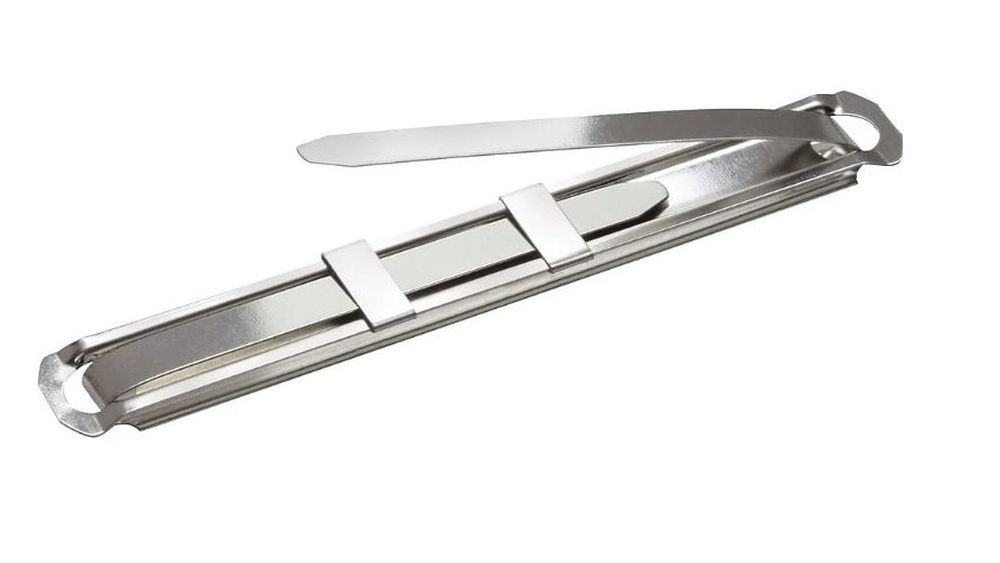
Prong paper fasteners are simple tools used to hold papers together. They keep documents neat and organized. These fasteners are common in offices, schools, and homes.
They work by piercing through holes in paper stacks. Then, their metal prongs bend to secure the papers firmly. This makes them a reusable and strong binding option.
What Are Prong Paper Fasteners Made Of?
Prong paper fasteners are mostly made of metal. The prongs are thin and flexible steel wires. The base is usually a flat metal plate. This plate helps keep papers aligned and stable.
How Do Prong Paper Fasteners Work?
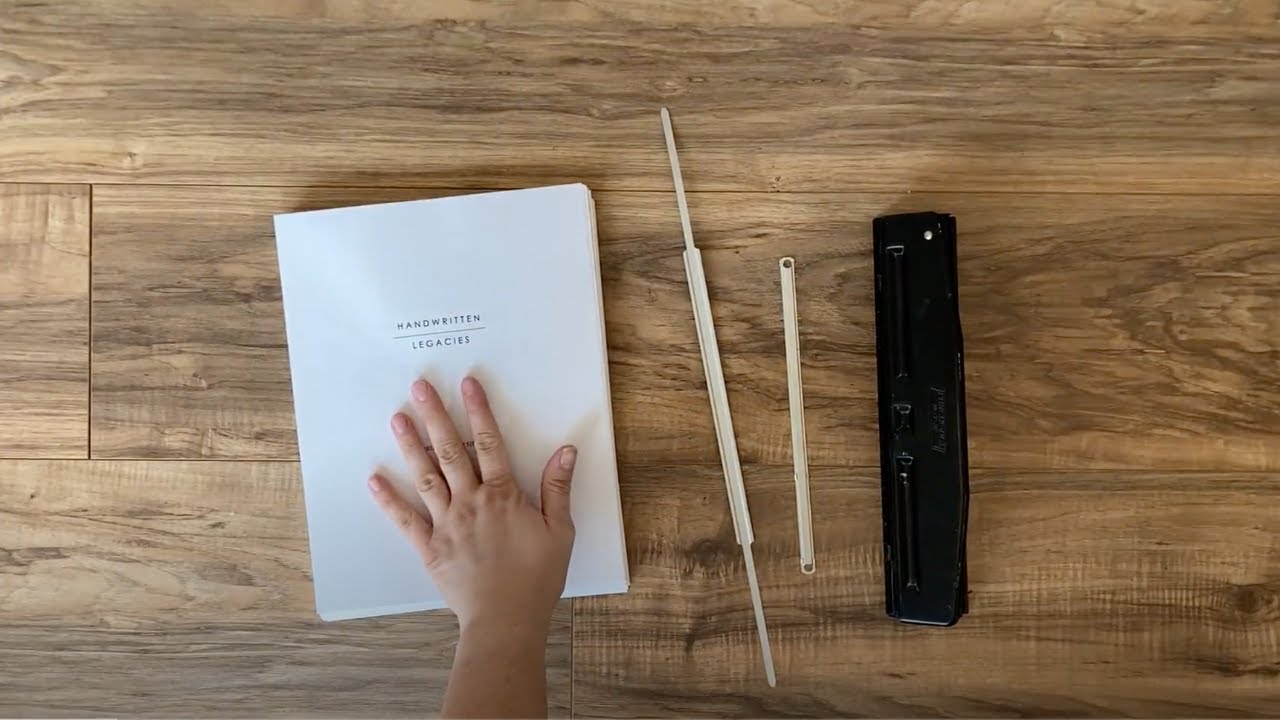
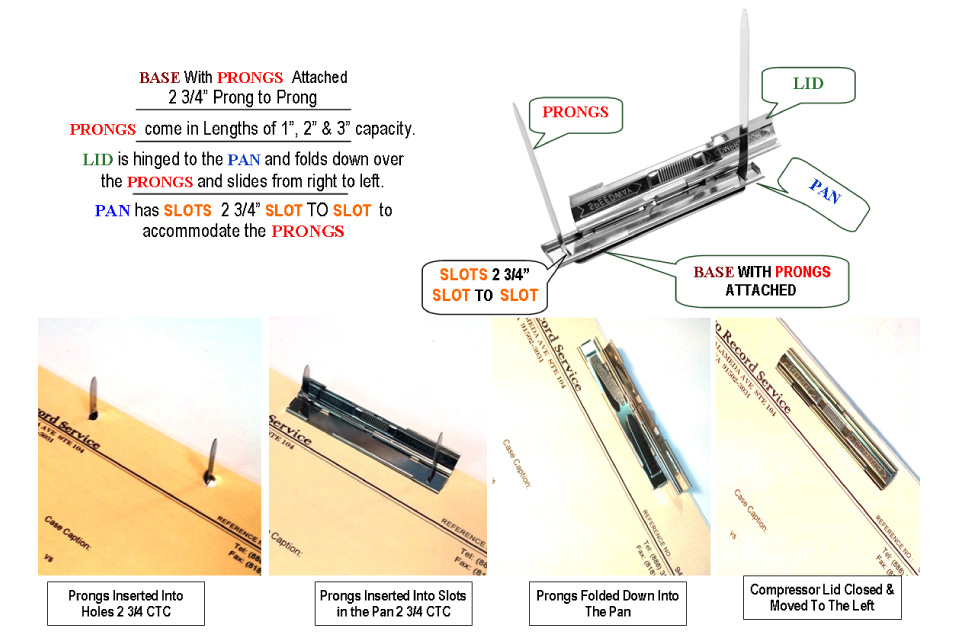
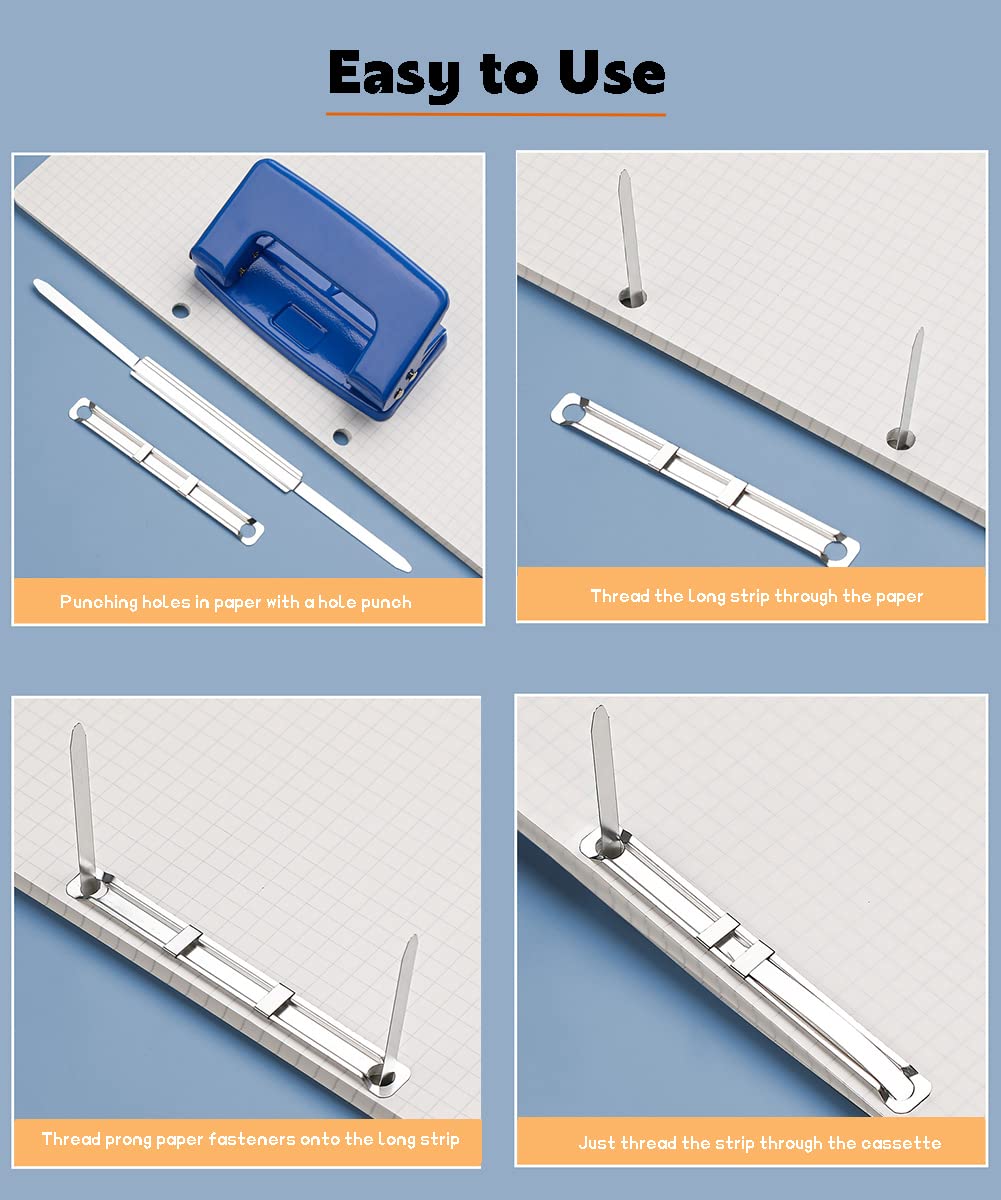
First, punch holes in the papers. Insert the prongs through the holes. Next, spread the prongs flat against the back. This locks the papers tightly in place.
Where Are Prong Paper Fasteners Used?
These fasteners are perfect for reports and presentations. They are handy in filing cabinets and binders. They work well for any documents needing secure binding.
Credit: www.speedwayfilefasteners.com
Choosing The Right Fastener Size
Choosing the right fastener size is key to secure your papers properly. Using the correct size ensures your documents stay organized and neat. A fastener that is too small may not hold all pages well. A large fastener might look bulky and cause damage.
Understanding fastener sizes helps you pick the best fit for your needs. This section explains how to select the right prong paper fastener size for different paper stacks.
Measure The Thickness Of Your Paper Stack
First, count the number of sheets you want to bind. Then, measure the total thickness of the paper stack. This helps you choose a fastener that fits without forcing the prongs.
Match Fastener Length To Paper Thickness
Choose a fastener length slightly longer than your paper stack thickness. This leaves room for smooth closing of prongs. Avoid fasteners that are too short or too long to keep papers secure and tidy.
Consider The Type Of Paper
Thicker papers or cardstock need longer fasteners. Thin paper stacks can use shorter fasteners. Match the fastener size to paper type to prevent damage and ensure durability.
Preparing Your Documents
Preparing your documents is the first step to using prong paper fasteners. Organizing papers neatly helps the fasteners work well. Take time to sort the pages and check their order.
Proper preparation saves time and avoids mistakes. It makes the binding process smooth and keeps documents secure.
Gather All Necessary Papers
Collect every page you want to fasten together. Check for missing sheets or duplicates. Keep all papers clean and flat.
Align Papers Evenly
Stack the papers so edges match. Tap the stack on a flat surface to straighten. This ensures the holes line up perfectly.
Choose The Right Hole Size
Use a hole punch that fits prong fasteners. Make holes in the same spot on each page. This helps the fastener hold tightly.
Inserting The Fastener Correctly
Inserting prong paper fasteners correctly ensures your documents stay neat and secure. This simple step helps organize papers without damage. Follow clear steps to use these fasteners properly. Proper insertion keeps papers aligned and easy to flip through.
Choose The Right Hole Size
Start by punching holes that fit the fastener prongs. Holes too small can tear paper. Holes too big make papers loose. Use a hole puncher that matches the prong size perfectly.
Align Papers Neatly
Stack all papers evenly before inserting the fastener. Check edges to keep papers straight. Proper alignment avoids messy or bent papers. Hold papers firmly to prevent shifting.
Insert Fastener Prongs Carefully
Push the prongs through the punched holes gently. Avoid forcing the prongs, which can bend them. Make sure prongs go all the way through all sheets.
Bend Prongs Securely
Fold the prongs flat against the paper back. Bend them outward to lock the papers in place. Press firmly to keep prongs from moving. This step stops papers from slipping out.
Check For Loose Papers
Flip through the stack to confirm papers stay secure. Adjust prongs if any pages feel loose. Tighten prongs for a firm hold. Proper checking prevents lost or damaged documents.
Securing Papers Neatly
Securing papers neatly is key to keeping documents organized and easy to find. Prong paper fasteners help hold papers together without damage. They create a clean, professional look for reports, presentations, and files.
Using prong fasteners keeps papers aligned and prevents them from slipping out. These fasteners work well for thick stacks or multi-page documents. They save space compared to bulky binders or clips.
Prepare Your Papers
Stack papers evenly before fastening. Align edges to ensure a tidy bundle. Punch holes carefully to avoid tearing. Use a hole punch that matches the fastener size.
Insert The Prongs Through Holes
Push prongs through the paper holes gently. Make sure all pages are included. Check for smooth insertion without bending the papers.
Bend The Prongs To Secure
Spread prongs flat on the back side. Bend them outward to lock papers in place. This prevents slipping and keeps the stack tight.
Use A Cover For Extra Protection
Add a cardboard or plastic cover if needed. Place it over the papers before bending prongs. Covers protect edges and give a polished finish.
Credit: www.amazon.sa
Tips For Easy Removal And Reuse
Prong paper fasteners are great for organizing papers neatly. Knowing how to remove and reuse them helps save time and materials. Easy removal keeps your documents tidy without damage. Reusing fasteners cuts down waste and expenses.
Follow simple tips to take out prongs quickly. Keep the fasteners in good shape for future use. These tips make your paperwork tasks smoother and more efficient.
Use A Flat Tool To Lift Prongs Gently
Slide a flat tool under the prongs. A butter knife or flathead screwdriver works well. Lift slowly to avoid bending or breaking the prongs. This method protects both the fastener and papers.
Open Prongs Fully Before Removal
Bend the prongs open wide before pulling them out. This frees the fastener without pulling on the papers. Fully opened prongs release the sheets easily and cleanly.
Keep Fasteners In A Safe Place
Store removed fasteners in a small box or container. Avoid bending or crushing them during storage. Organized fasteners last longer and are easier to find.
Clean Fasteners Before Reuse
Wipe fasteners with a dry cloth to remove dust and dirt. Clean fasteners slide through papers smoothly. Cleanliness prevents snagging and tearing.
Bend Prongs Back Carefully For Reuse
After cleaning, bend prongs back to their original shape. Use gentle pressure to avoid breaking. Properly shaped prongs hold papers firmly again.
Common Mistakes To Avoid
Prong paper fasteners are simple tools that hold papers together securely. Many people make small errors while using them. These mistakes can cause damage to papers or make the fasteners less effective. Avoiding common errors helps keep documents neat and safe.
Not Aligning Holes Properly
One common mistake is not lining up the punched holes correctly. Misaligned holes make it hard to insert the prongs. Take time to match holes on all papers before fastening. This ensures a smooth and secure bind.
Using Too Many Sheets At Once
Trying to fasten too many sheets can bend or break the prongs. Each fastener has a limit on how many papers it can hold. Check the fastener’s capacity before adding more pages. Overloading reduces the fastener’s strength and causes papers to slip out.
Not Folding Prongs Flat
After inserting the fastener, the prongs must be folded down tightly. Leaving prongs open or loose makes the papers unstable. Use a flat surface to press the prongs down firmly. This keeps the documents secure and easy to handle.
Forgetting To Use Reinforcement Labels
Holes can tear easily without extra support. Reinforcement labels add strength around the holes. Skipping this step risks ripping the papers when handled often. Apply labels before punching holes for longer-lasting documents.
Ignoring Paper Thickness
Thick papers require longer fastener prongs. Short prongs may not hold all pages properly. Measure the paper stack and choose the correct prong length. This avoids loose or damaged files.
Creative Uses Beyond Paper Binding
Prong paper fasteners are not just for holding papers together. These small tools have many creative uses. They can help organize, decorate, and even fix things around your home or office. Using prong fasteners in new ways saves money and adds a personal touch to everyday items.
Organizing Cables And Wires
Prong fasteners keep cables neat and untangled. Fold the cables and secure them with the fastener. It stops wires from twisting and makes your desk look clean. This method works well for phone chargers, headphones, and computer cords.
Making Custom Bookmarks
Create unique bookmarks by adding paper or fabric to a prong fastener. Punch holes in the paper and attach it to the fastener. It holds pages without damage and adds a fun look to your books. Great for gifts or personal use.
Securing Fabric Or Leather Pieces
Use prong fasteners to join small fabric or leather pieces. This helps in craft projects like wallets or small bags. The fasteners are strong and easy to open and close. They replace sewing in some simple repairs and designs.
Creating Mini Photo Albums
Make small photo albums by punching holes in photos or cardstock. Bind them with prong fasteners to keep pages together. It is a quick, simple way to carry memories. You can add or change photos anytime.
Frequently Asked Questions
What Are Prong Paper Fasteners Used For?
Prong paper fasteners securely bind multiple sheets of paper. They keep documents organized and prevent pages from slipping. These fasteners are ideal for reports, presentations, and school projects. They are reusable and easy to insert through punched holes.
How Do You Insert Prong Paper Fasteners?
First, punch holes in your papers. Then, insert the prongs through the holes. Spread the prongs open on the back to secure papers. Finally, place the metal fastener cap over the prongs to lock them in place.
Can Prong Paper Fasteners Be Reused?
Yes, prong paper fasteners are reusable. Simply open the prongs to release the papers. You can add or remove sheets easily. Close the prongs again to secure the documents. This makes them cost-effective and environmentally friendly.
What Materials Work Best With Prong Fasteners?
Prong fasteners work best with standard paper, cardstock, and thin plastic sheets. They require punched holes to fit the prongs. Avoid using very thick or laminated materials as prongs may not secure well.
Conclusion
Prong paper fasteners help keep papers neat and organized. They hold documents firmly without damage. Using them saves time and effort in filing. You just need to open the prongs, add papers, and close them. This simple tool works well in offices, schools, and homes.
Try using prong fasteners for your next project. They make managing papers easier and tidier. You will find them useful for many tasks. Keep your documents safe and easy to find.