
Have you ever wondered how everyday things stay firmly in place? Whether it’s the chair you sit on, the door you open, or the gadgets you use, something is holding them together.
That “something” is called a fastening. Understanding what a fastening is and how it works can change the way you look at the world around you. You’ll discover the simple yet powerful role fastenings play in keeping your life secure and organized.
Ready to learn how these small but mighty devices make a big difference? Let’s dive in.

Credit: en.wikipedia.org
Fastening Basics
Fastening is a basic skill in construction, repair, and many crafts. It joins objects firmly and safely. Understanding fastening helps you choose the right tools and materials. This section covers the basics to get started.
Definition And Purpose
Fastening means joining two or more objects together. It uses hardware devices called fasteners. Fasteners hold parts in place to create a strong bond. This bond allows structures or items to work properly. Fastening prevents parts from moving or separating. It is essential in building, manufacturing, and everyday repairs.
Common Fastener Types
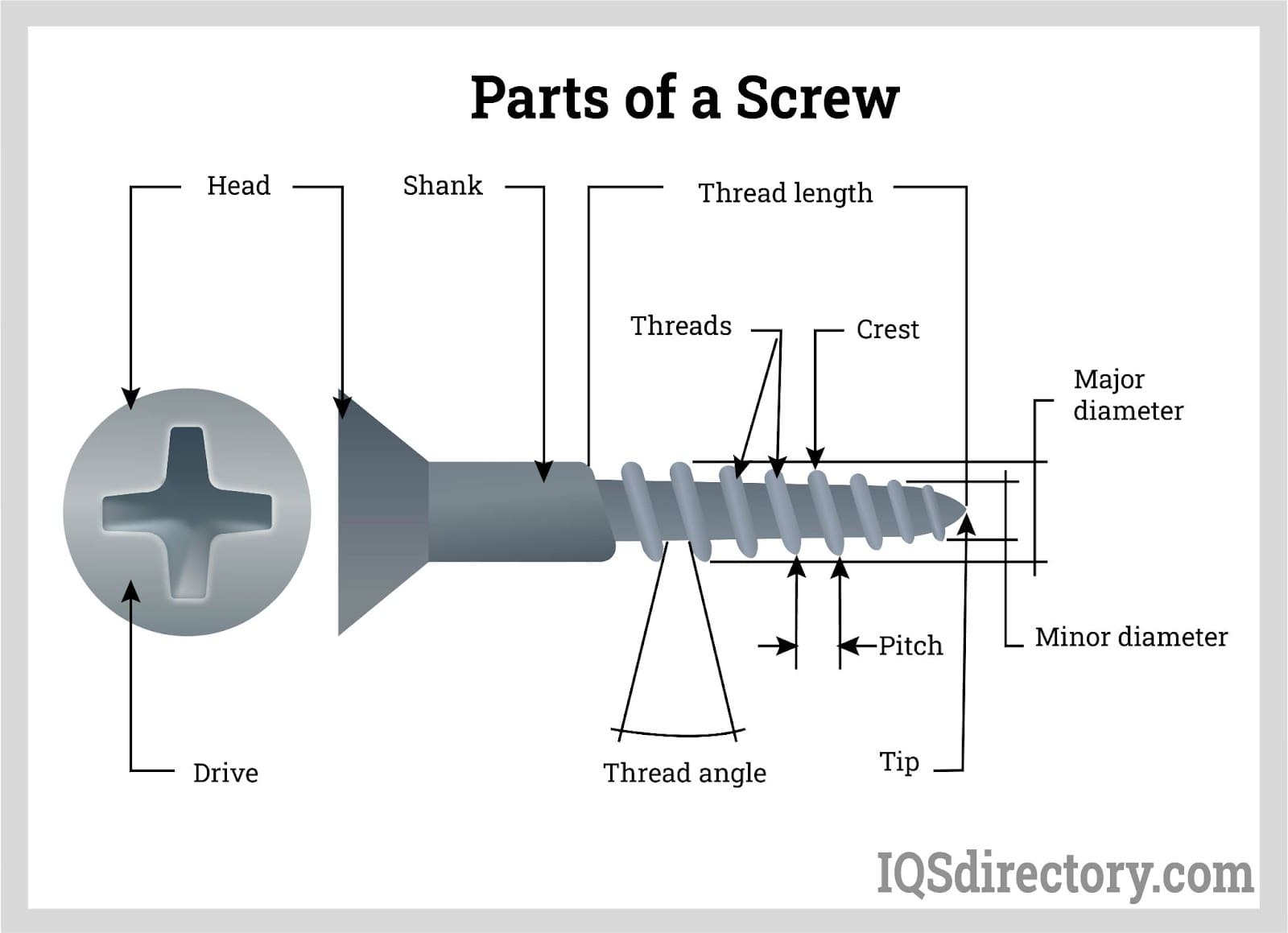
Screws are popular fasteners with a spiral thread. They dig into materials for a tight grip. Bolts are similar but need nuts to hold parts together. Nails are simple fasteners driven by hammer force. Rivets permanently join materials by deforming their ends. Washers spread the load and protect surfaces. Clips and clamps hold parts without damage. Each type fits specific needs and materials.
Fastening Tools
Fastening tools are essential devices that help join or secure objects together. They work with fasteners like screws, bolts, nuts, and rivets. These tools come in various forms to suit different tasks and materials. Some are powered by hand, while others use electricity or compressed air for more power.
Choosing the right fastening tool can make your work faster and easier. Understanding the types of tools available helps in picking the best one for your project. Below are the main categories of fastening tools.
Manual Tools
Manual tools are powered by hand and require physical effort. Common examples include screwdrivers, wrenches, and hammers. Screwdrivers fit different screw heads, such as Phillips or flathead. Wrenches tighten or loosen nuts and bolts and come in many types like open-end and socket wrenches. Hammers drive nails into materials and can remove them too. These tools are simple and reliable for many fastening jobs.
Power Tools
Power tools use electricity or batteries to reduce effort and speed up work. Electric screwdrivers and impact drivers are popular for driving screws quickly. Power drills can drill holes and insert fasteners. These tools are great for repetitive tasks or harder materials. They improve precision and save time in fastening projects.
Pneumatic Tools
Pneumatic tools run on compressed air and provide strong, consistent power. Nail guns and air-powered rivet tools are common in construction and manufacturing. These tools handle heavy-duty fastening with ease. They are often used in professional settings for fast, secure joins. Pneumatic tools need an air compressor to operate and deliver excellent performance.
Popular Fastening Tools
Fastening tools are essential for joining materials securely. They help hold objects together using screws, nails, bolts, and other fasteners. These tools come in many types, each designed for specific fastening tasks. Understanding popular fastening tools makes any project easier and more efficient.
Screwdrivers
Screwdrivers turn screws to fasten or remove them. They come in types like Phillips and flathead. Each type fits a different screw head. Manual screwdrivers are common for simple jobs. Electric screwdrivers speed up the work for larger projects.
Wrenches
Wrenches tighten or loosen nuts and bolts. There are open-end, box, and socket wrenches. Torque wrenches apply precise force. Wrenches help keep fasteners tight and secure. They are vital for mechanical and construction tasks.
Hammers
Hammers drive nails into wood or other materials. They also remove nails using the claw. Different hammers suit different jobs. A claw hammer is the most common type. Hammers provide strong impact force for fastening.
Pliers
Pliers grip, twist, and cut fasteners or wires. Adjustable pliers fit various sizes. Locking pliers hold objects firmly. Pliers are versatile tools in fastening and repair work. They give control and strength when handling fasteners.
Staple Guns
Staple guns shoot staples to attach materials quickly. They are used in upholstery, roofing, and crafts. Manual and electric staple guns are available. Staple guns provide fast, secure fastening without nails or screws.
Rivet Tools
Rivet tools join materials permanently with rivets. They pull and set rivets tightly in place. Riveting is common in metalwork and construction. These tools ensure strong, lasting joints where welding is not ideal.
Clamps
Clamps hold objects tightly during fastening. They keep parts aligned and stable. Clamps come in many sizes and types. They are essential for woodworking and assembly work. Clamps improve accuracy and safety in fastening tasks.
Credit: www.iqsdirectory.com
Choosing The Right Fastener
Choosing the right fastener is essential for a strong and lasting connection. It affects the safety, durability, and performance of your project. Every application needs a fastener that fits its specific needs. Consider several factors before making a choice. These include the materials involved, the load the fastener must bear, and the environment where it will be used.
Material Compatibility
Match the fastener material with the materials being joined. Different metals react differently when in contact. Using incompatible materials may cause corrosion or weakening. For example, stainless steel fasteners work well with aluminum parts. Avoid mixing metals that cause rust or damage. Check if the fastener’s coating suits the materials too. Proper compatibility ensures a longer lifespan for your project.
Load And Strength Requirements
Assess the forces the fastener must handle. Consider tension, shear, and vibration loads. Choose a fastener rated for the maximum expected load. Stronger fasteners like bolts handle heavy-duty tasks. Smaller screws suit light or decorative work. Overestimating strength adds safety but avoids unnecessary cost. Underestimating can cause failure and damage. Always pick fasteners that meet or exceed strength needs.
Environmental Considerations
Think about where the fastener will be used. Outdoor projects require corrosion-resistant fasteners. Moist or wet environments need rust-proof materials like stainless steel. High temperatures may need special alloys or coatings. Chemicals can degrade some fasteners quickly. Also, consider UV exposure for plastics or coatings. Selecting the right fastener for conditions prevents early wear and failure.
Fastening Techniques
Fastening techniques are essential methods used to join materials securely. These methods vary based on the tools and fasteners involved. Proper fastening ensures strong, durable connections that hold materials together effectively. Understanding different techniques helps in selecting the right approach for each project.
Proper Tool Use
Using the correct tool is key to successful fastening. Screwdrivers fit screw heads precisely to avoid damage. Wrenches must match bolt sizes for tight fastening. Hammers drive nails firmly without bending them. Choosing the right tool reduces mistakes and speeds up work. Each fastening tool has a specific purpose and use.
Safety Tips
Safety is critical during fastening tasks. Wear protective gloves to avoid cuts and scrapes. Eye protection prevents injury from flying debris. Keep tools in good condition to avoid malfunctions. Work in well-lit areas to see clearly. Never force a tool; this can cause slips or breaks. Proper safety reduces accidents and improves work quality.
Maintenance And Inspection
Regular maintenance keeps fastening tools effective. Clean tools after use to remove dirt and rust. Inspect tools for wear or damage before each job. Replace worn parts to maintain precision and safety. Store tools in dry places to prevent corrosion. Well-maintained tools ensure consistent fastening results and longer tool life.
Advancements In Fastening
Fastening technology has grown rapidly with new methods and tools. These advancements improve efficiency and accuracy. They help industries build stronger, safer products faster. The evolution of fastening reflects changing needs in manufacturing and construction.
Modern fastening combines traditional techniques with high-tech solutions. This blend creates better connections between materials. It also reduces labor and material costs. Let’s explore key areas where fastening has advanced.
Innovative Tools
New fastening tools are lighter and more precise. Battery-powered screwdrivers and wrenches offer easy handling. They reduce user fatigue during long tasks. Special torque tools ensure the right tightness every time. Tools with smart sensors detect fastener quality and alignment. These innovations make fastening faster and more reliable.
Automation And Robotics
Robots now handle complex fastening tasks in factories. Automated systems place and tighten fasteners quickly. Robots maintain consistent pressure and speed. This improves product quality and lowers mistakes. Automation suits large-scale production and repetitive work. It also allows workers to focus on skilled jobs.
Future Trends
Wireless tools and IoT-connected devices are emerging. These tools track fastening data in real time. They help monitor maintenance and safety remotely. Advanced materials like shape-memory alloys may change fastener design. 3D printing allows custom fasteners for unique parts. Future fastening will blend smart technology with new materials.

Credit: allpointsfasteners.com
Frequently Asked Questions
What Is The Meaning Of Fastening Tools?
Fastening tools join or secure objects using fasteners like screws, bolts, nails, and rivets. Examples include screwdrivers, wrenches, hammers, and staple guns. These tools can be manual, electric, or pneumatic, designed for different materials and tasks.
What Does Fastening Mean?
Fastening means securely joining two or more objects using hardware like screws, bolts, nails, or rivets. It ensures stability and strength.
What Is An Example Of Fastening?
An example of fastening is using a screwdriver to insert screws, securing two objects tightly together.
What Is Fastening In Medical Terms?
Fastening in medical terms means securing tissues or materials together, often using sutures, staples, or clips during procedures. It ensures proper healing and stability.
Conclusion
Fastening holds parts firmly and safely together. It uses tools like screws, bolts, and nails. Different tools fit different fasteners and jobs. Choosing the right fastener ensures strong, lasting joins. Knowing basic fastening helps in many projects and repairs. Fastening plays a key role in construction and everyday tasks.
Simple tools can make fastening easier and faster. Understanding fastening basics supports better work and safety.

