Have you ever stopped to think about what holds everything around you together? From the chair you sit on to the car you drive, tiny pieces called fasteners play a crucial role in keeping things strong and safe.
Understanding why fasteners are important can change how you see everyday objects—and even help you make smarter choices in your projects or repairs. Keep reading, and you’ll discover the surprising power behind these small but mighty components.

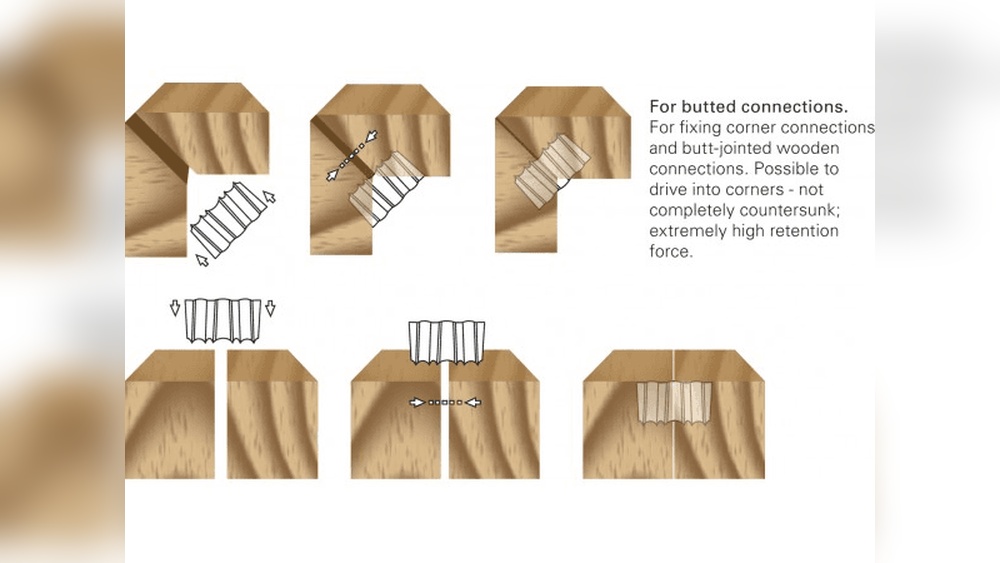
Credit: screwexpert.com
Role Of Fasteners In Construction
Fasteners play a crucial role in construction projects. They hold different parts of a structure together. Without fasteners, buildings would lack stability and safety. They ensure every component stays in place. This section explains how fasteners impact construction work.
Connecting Components Securely
Fasteners join different building parts tightly. They connect wood, metal, and other materials. This secure connection prevents parts from moving or falling apart. Proper fastening reduces the risk of accidents on site. It helps maintain the structure’s shape over time.
Distributing Loads Evenly
Fasteners spread the weight across connected parts. This even load distribution stops stress on one spot. It lowers the chance of material damage or failure. Balanced loads improve the building’s overall strength. Fasteners help structures handle heavy forces like wind or weight.
Enhancing Structural Integrity
Fasteners improve the durability of a building. They keep the framework solid and stable. Good fastening resists external pressures like weather and movement. This protection extends the life of the construction. Structural integrity depends heavily on reliable fasteners.
Types Of Fasteners And Their Uses
Fasteners are essential in holding objects together securely. Different types serve different needs. Choosing the right fastener can make a big difference in any project. Understanding common fastener types helps in selecting the best option.
Nails And Screws
Nails are simple and quick to use. They work well for wood and light materials. Nails hold pieces with friction and pressure. Screws offer stronger holding power. Their threads grip the material tightly. Screws are ideal for furniture and heavy-duty tasks.
Bolts And Nuts
Bolts need nuts to hold parts firmly. They create strong and reliable joints. These fasteners work well for metal and machinery. Bolts come in many sizes and grades. They allow easy disassembly for repairs or adjustments.
Rivets And Anchors
Rivets join materials permanently. They are common in metalwork and aircraft. Rivets provide strong, vibration-resistant joints. Anchors secure fasteners in concrete or masonry. They expand inside holes to hold tight. Anchors prevent loosening in heavy loads.
Materials And Coatings For Durability
Fasteners hold parts together in many products and structures. Their strength depends on the materials and coatings used. These factors help fasteners resist wear, rust, and damage. Choosing the right material and coating ensures long-lasting durability and safety.
Steel And Stainless Steel
Steel is a common fastener material. It is strong and affordable. Stainless steel resists rust better. It contains chromium, which protects against corrosion. Stainless steel fasteners last longer in wet or humid places.
Corrosion-resistant Coatings
Coatings protect fasteners from rust and damage. Zinc plating is popular for steel fasteners. It creates a barrier against moisture. Other coatings include black oxide and phosphate. These help fasteners last longer outdoors and in tough conditions.
Specialty Materials For Harsh Environments
Some jobs need fasteners to withstand extreme heat or chemicals. Titanium and brass are good for these cases. They resist corrosion and can handle tough conditions. Using specialty materials ensures fasteners stay strong and safe.

Credit: earnestmachine.co.uk
Selecting The Right Fastener
Selecting the right fastener is key to a strong and lasting connection. The choice depends on several important factors. Each fastener has unique features suited for different tasks. Picking the right one ensures safety and durability in your project.
Considering Load Requirements
Understand the weight and force the fastener must hold. Heavy loads need stronger fasteners, like bolts or screws made from tough metals. Light loads may only need small nails or plastic clips. Using the correct fastener prevents failure and accidents.
Matching Materials And Conditions
Choose fasteners that work well with the materials involved. Wood, metal, and plastic all need different types. Weather and environment matter too. For outdoor use, pick rust-resistant fasteners like stainless steel or coated ones. This stops damage and keeps connections secure.
Balancing Cost And Performance
Fasteners come in many price ranges. High-quality fasteners cost more but last longer and perform better. Cheaper options may save money now but cause problems later. Find a fastener that fits your budget and meets the project’s strength and durability needs.
Common Challenges With Fasteners
Fasteners play a key role in holding parts together. Despite their importance, they face many challenges that can affect their performance. Understanding these common problems helps in choosing and using the right fastener for every job.
Loosening And Fatigue
Fasteners can loosen over time due to vibration or movement. This can cause joints to become weak and unsafe. Fatigue happens when fasteners are stressed repeatedly. Cracks may form and lead to failure.
Corrosion Issues
Corrosion damages fasteners exposed to moisture or chemicals. Rust weakens the metal and reduces strength. This problem is common in outdoor or wet environments. Using corrosion-resistant materials can help prevent damage.
Installation Errors
Incorrect installation is a frequent cause of fastener problems. Over-tightening can strip threads or break bolts. Under-tightening may cause loosening under load. Proper tools and techniques ensure secure fastening every time.
Credit: earnestmachine.co.uk
Innovations In Fastener Technology
Fastener technology keeps evolving to meet modern demands. Innovations improve strength, efficiency, and sustainability. These advances help industries build safer and longer-lasting products. Fasteners now do more than just hold parts together.
High-strength Alloys
New alloys make fasteners stronger and lighter. These metals resist corrosion and extreme temperatures. Engineers use them in cars, planes, and heavy machinery. High-strength alloys increase safety and reduce maintenance needs.
Smart Fastening Solutions
Smart fasteners include sensors to monitor tightness and wear. They alert users about loosening or damage. This technology helps avoid failures and costly repairs. Smart fasteners improve safety in critical structures like bridges.
Eco-friendly Materials
Fasteners now use recycled and biodegradable materials. These choices reduce environmental impact during production and disposal. Eco-friendly fasteners support green building and manufacturing. They help companies meet new environmental standards.
Frequently Asked Questions
What Are Fasteners And Their Primary Function?
Fasteners are hardware devices used to join two or more objects securely. Their primary function is to hold materials together, ensuring stability and structural integrity in construction and manufacturing.
Why Are Fasteners Essential In Construction Projects?
Fasteners provide strength and durability to structures. They ensure components stay firmly connected, preventing accidents and structural failures in buildings, bridges, and other infrastructures.
How Do Fasteners Impact Product Quality?
Fasteners affect product reliability and safety. Properly chosen fasteners prevent loosening, wear, and damage, enhancing the overall quality and lifespan of products.
What Types Of Fasteners Are Most Commonly Used?
Common fasteners include screws, bolts, nuts, and nails. Each type serves specific purposes based on material, strength, and application requirements.
Conclusion
Fasteners hold everything together, from small gadgets to big machines. They keep structures strong and safe. Without fasteners, many items would fall apart easily. Choosing the right fastener matters a lot for durability. They help save time and money by making repairs simple.
Fasteners come in many types and sizes for different jobs. Their role is quiet but very important in daily life. Remember, strong fasteners mean reliable and lasting products.