Choosing the right size hardware for your kitchen cabinets might seem simple, but it can completely change how your kitchen looks and feels. You want your cabinets to be easy to open and close, but also stylish and balanced.
Using hardware that’s too big or too small can throw off the whole design and even make your daily routine harder. You’ll discover exactly what size hardware works best for your kitchen cabinets, so you can make confident choices that look great and work perfectly.
Keep reading, and you’ll never second-guess your cabinet hardware again.
Choosing Cabinet Hardware
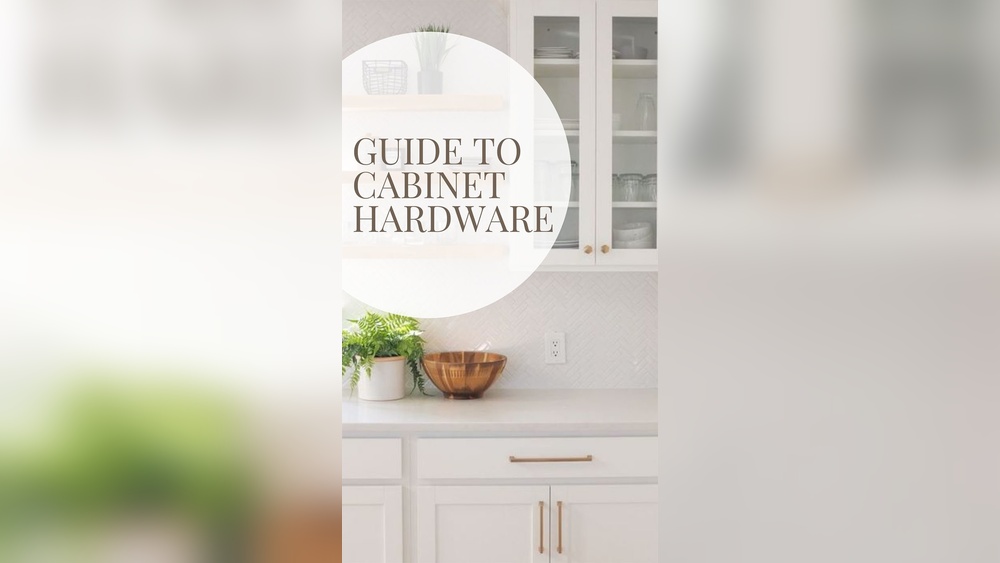
Choosing the right hardware for kitchen cabinets affects both style and function. The hardware should fit the size of your cabinets and match the kitchen’s look. It also needs to be easy to use every day. Picking the right hardware helps your kitchen feel complete and comfortable.
Types Of Cabinet Hardware
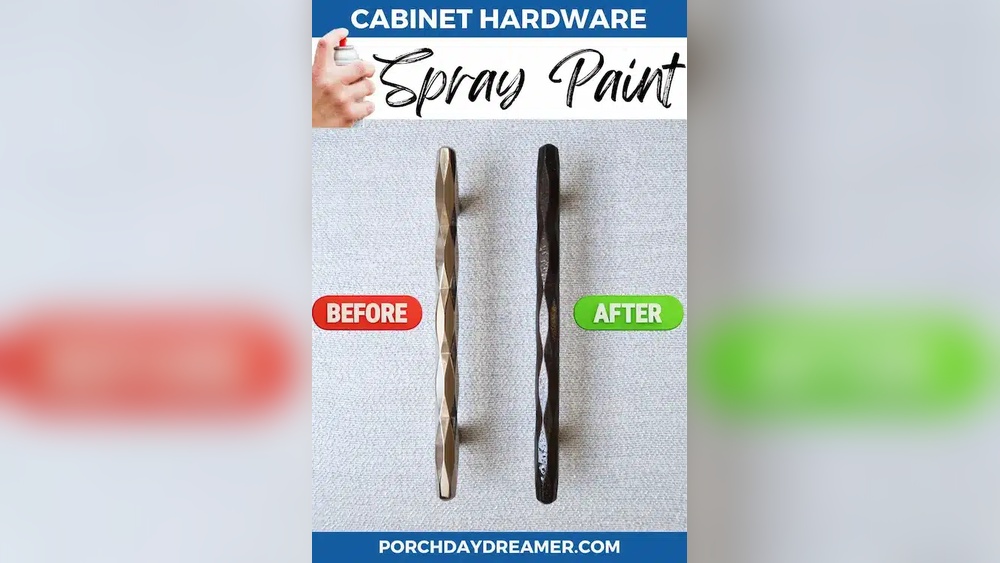
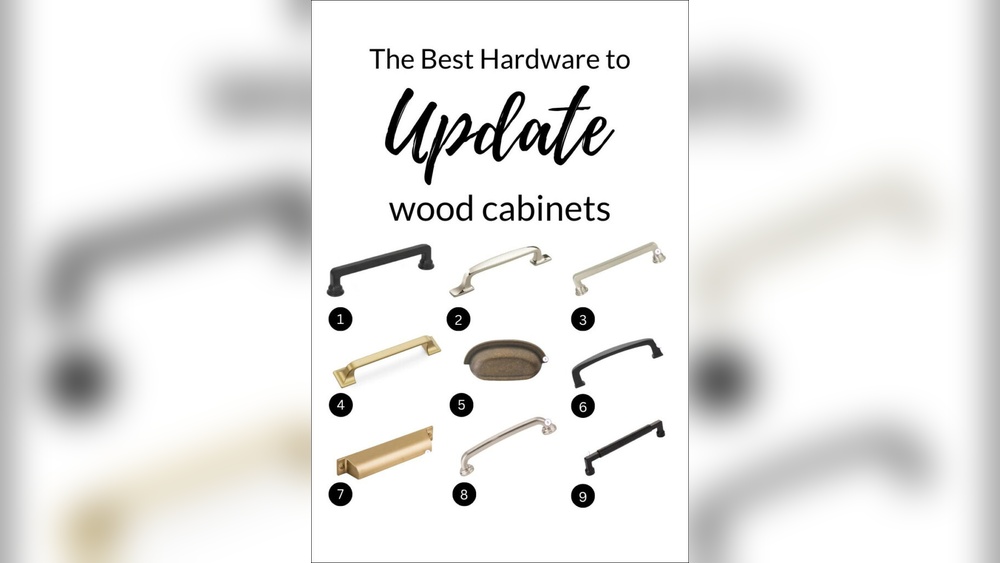
Cabinet hardware comes in many styles. The most common types are knobs and pulls. Knobs are small and round, easy to grab. Pulls are longer and provide more space for your hand. Some designs combine both for a unique look. Choose hardware that feels good to hold and fits your cabinet doors or drawers well.
Materials And Finishes
Hardware materials impact durability and appearance. Popular options include metal, plastic, and wood. Metal is strong and lasts long. Plastic is cheaper but less durable. Wood offers a warm, natural feel. Finishes change the look of metal hardware. Chrome, brass, and bronze are common finishes. Pick finishes that match your kitchen style and resist fingerprints and rust.

Credit: www.dekkorinc.com
Factors Influencing Hardware Size
Choosing the right size hardware for kitchen cabinets depends on several key factors. These factors ensure the hardware fits well and works comfortably. Proper hardware size improves cabinet appearance and ease of use. Let’s explore the main influences on hardware size.
Cabinet Door And Drawer Dimensions
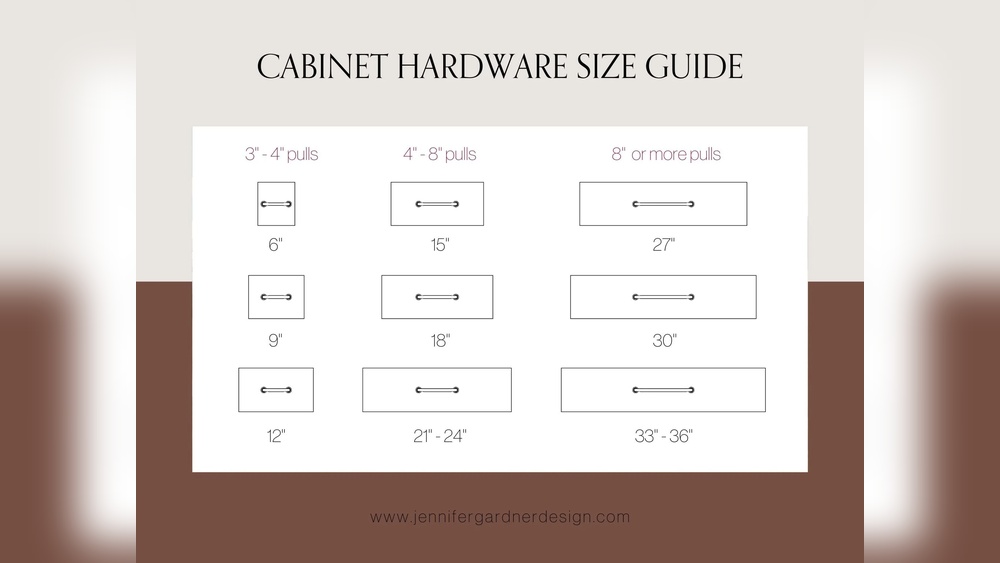
The size of your cabinet doors and drawers affects hardware size. Larger doors need bigger handles or knobs to look balanced. Small drawers work best with smaller hardware to avoid overwhelming the space. Measure your cabinet parts before selecting hardware.
Style And Design Preferences
Your kitchen style guides the hardware size choice. Modern kitchens often use sleek, long handles for a clean look. Traditional kitchens may suit smaller, ornate knobs. Choose hardware size that matches your kitchen’s overall design theme.
Functionality And Comfort
Hardware must be easy to grip and use every day. Larger handles provide better grip, especially for bigger cabinets. Small knobs might be hard to hold for some people. Pick hardware size that feels comfortable and works well for your needs.
Common Hardware Sizes
Choosing the right hardware size for kitchen cabinets is important. It affects both the look and function of your kitchen. Hardware sizes vary based on the style and use of the cabinet doors and drawers. Knowing common sizes helps you pick hardware that fits well and feels comfortable to use.
Knob Sizes
Knobs usually range from 1 inch to 1.5 inches in diameter. Small knobs around 1 inch suit smaller cabinets or drawers. Larger knobs, near 1.5 inches, work well on bigger doors. Choose a knob size that matches the cabinet scale for a balanced look.
Pull Sizes
Pulls come in many sizes, often measured by the distance between screw holes. Common hole spacing is 3, 4, or 5 inches. Smaller pulls suit drawers and smaller cabinets. Larger pulls are better for big drawers and wide cabinet doors. Hole spacing must match the cabinet pre-drilled holes.
Handle Lengths
Handle lengths usually range from 3 to 12 inches. Short handles, about 3 to 5 inches, fit small drawers and cabinets. Medium handles, 6 to 8 inches, work for most kitchen drawers. Long handles, over 10 inches, suit large drawers and modern cabinet styles. The handle length affects both style and ease of use.

Credit: porchdaydreamer.com
Measuring For Hardware
Measuring for hardware is a key step in updating kitchen cabinets. Precise measurements ensure the handles and knobs fit perfectly. This avoids mistakes and saves time during installation. Taking careful measurements also helps keep the cabinet’s look balanced and neat.
Spacing Between Holes
Measure the distance between screw holes on existing hardware. This is called the hole spacing or center-to-center measurement. Common sizes include 3 inches and 4 inches. Use a ruler or tape measure for accuracy. Matching hole spacing saves you from drilling new holes.
Depth And Projection
Check how far the hardware sticks out from the cabinet surface. Depth affects both comfort and style. Measure from the base to the outer edge of the handle or knob. Choose hardware with projection that fits your kitchen space. Too deep can catch on clothes or block pathways.
Alignment Tips
Align hardware carefully on each cabinet door or drawer. Use a level or template for straight placement. Consistent height and spacing create a clean look. Mark drill points lightly with a pencil before drilling. Double-check measurements on every piece to avoid errors.
Hardware Placement On Cabinets
Proper hardware placement on kitchen cabinets makes a big difference. It affects both the look and the ease of use. Correct placement helps the cabinet doors and drawers open smoothly. It also keeps your kitchen organized and attractive.
Understanding where to place hardware helps you pick the right size and style. This guide breaks down hardware placement for doors and drawers. It also covers special cases and exceptions you might face.
Door Hardware Placement
Place door handles or knobs on the opposite side of the hinges. This gives easy access for opening and closing. For standard cabinets, position hardware about 2 to 3 inches from the edge. Center it vertically on the door for balance. Use consistent placement on all doors for a neat look.
Drawer Hardware Placement
Center the hardware horizontally on the drawer front. Place it about 1 to 2 inches from the top edge. This position allows a natural grip. For wide drawers, consider two handles spaced evenly. Keep spacing consistent across all drawers for uniformity.
Special Cases And Exceptions
Some cabinets have unusual shapes or sizes. Corner cabinets may need hardware placed differently for easy reach. Large pantry doors might require taller handles for comfort. Soft-close or push-to-open cabinets often skip hardware. Adjust placement based on cabinet style and function.
Matching Hardware To Cabinet Style
Choosing the right hardware size means matching it to the cabinet style. Hardware shapes and sizes can change the whole look of your kitchen. The right match brings balance and makes the cabinets easy to use. Each style calls for a different touch. Here is a simple guide to help you choose.
Modern Cabinets
Modern cabinets favor clean lines and minimal design. Slim, straight handles or bar pulls work well here. Choose hardware that is sleek and simple. Smaller sizes keep the look neat and uncluttered. Metal finishes like brushed nickel or matte black fit perfectly. Avoid overly ornate or bulky hardware. The goal is smooth and elegant.
Traditional Cabinets
Traditional cabinets have rich details and classic shapes. Bigger knobs and handles with curves suit this style best. Look for hardware with vintage or antique finishes. Bronze, brass, or oil-rubbed metals add warmth. Larger sizes balance the detailed cabinet faces. This hardware adds charm and character. It also feels sturdy and easy to grip.
Transitional Cabinets
Transitional cabinets mix old and new styles. Hardware here should blend simple and classic elements. Medium-sized pulls or knobs fit well. Choose finishes like satin nickel or polished chrome. The hardware should not overpower the cabinet design. It should add subtle style and function. This balance helps create a timeless kitchen look.
Installation Tips
Installing the right hardware on kitchen cabinets can be simple and quick. Proper installation ensures the hardware lasts long and looks great. Follow these tips to install cabinet hardware with ease and avoid common problems.
Tools Needed
Gather these tools before starting:
- Drill with drill bits
- Screwdriver
- Measuring tape
- Level
- Pencil or marker
- Template or paper for marking holes
Step-by-step Installation
Mark the hardware placement carefully. Use a measuring tape and pencil to mark where screws go.
Use a template to keep marks even on all doors and drawers.
Drill small pilot holes at the marks. This helps screws go in straight.
Attach the hardware with screws. Tighten screws but avoid over-tightening.
Check that handles or knobs are secure and aligned.
Common Mistakes To Avoid
Do not guess measurements. Wrong marks cause uneven hardware.
Avoid drilling too large holes. Screws may not hold tightly.
Do not over-tighten screws. This can strip the hole or damage hardware.
Avoid skipping pilot holes. Screws may split the wood.
Do not install hardware without checking alignment. Misaligned handles look unprofessional.
Maintaining Cabinet Hardware
Maintaining cabinet hardware keeps your kitchen looking fresh and functional. Regular care prevents damage and extends the life of knobs, pulls, and handles. Small efforts help avoid costly replacements and keep cabinets easy to use.
Cleaning Tips
Use a soft cloth to wipe cabinet hardware often. Avoid harsh chemicals that can damage finishes. A mild soap with warm water works well for most metals. Dry the hardware after cleaning to prevent water spots. For stubborn dirt, use a toothbrush gently.
Handling Wear And Tear
Check hardware for loose screws or wobbly parts regularly. Tighten screws with a screwdriver to keep handles secure. Avoid using too much force when opening cabinets. Handle hardware gently to reduce scratches and dents. Consider protective pads behind pulls to lessen damage.
When To Replace Hardware
Replace cabinet hardware if it shows rust, cracks, or breaks. Hardware that sticks or doesn’t open smoothly needs changing. Update hardware to match kitchen style or improve function. Choose the right size and style for easy installation. New hardware can refresh your kitchen without remodeling.
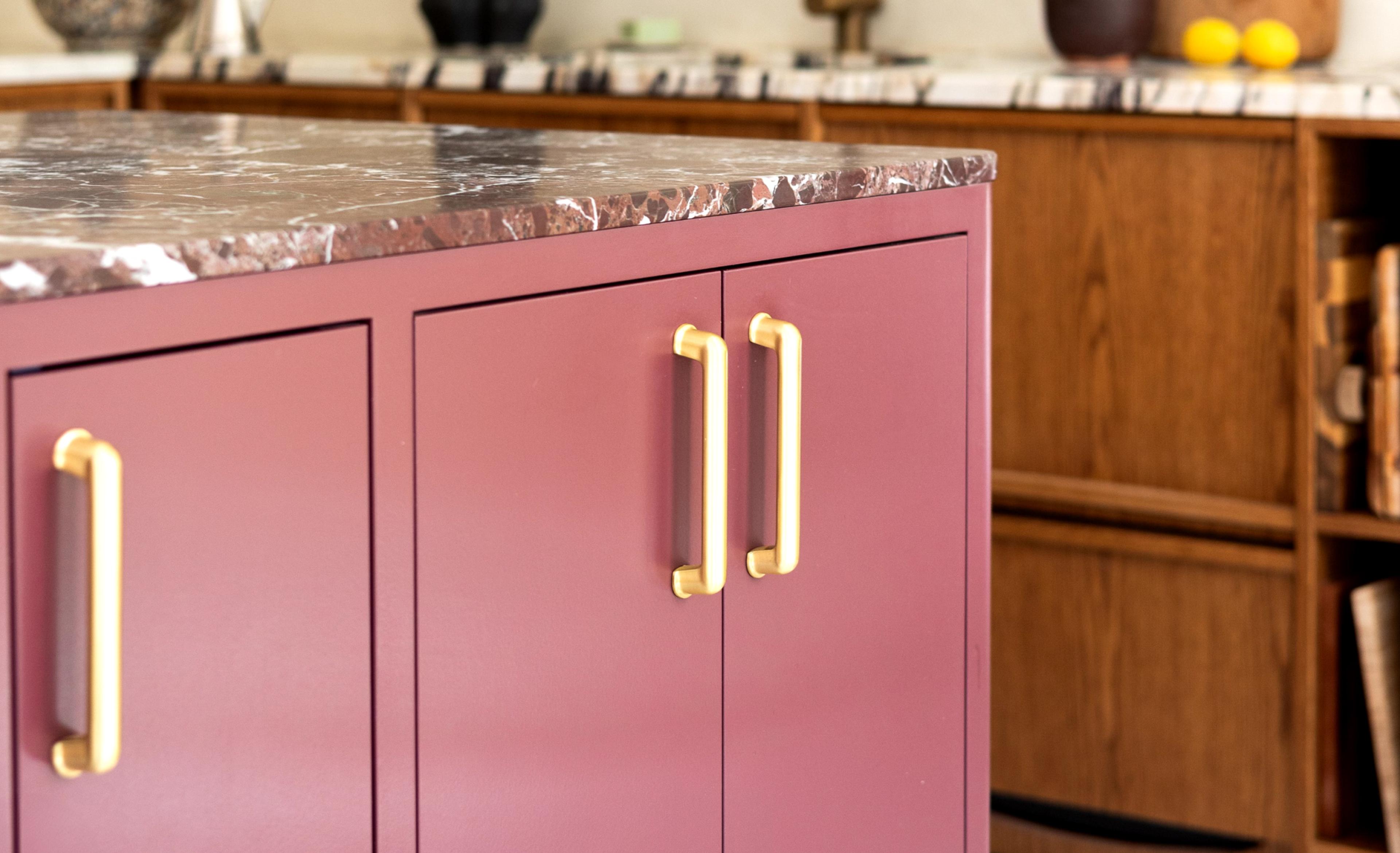
Credit: schoolhouse.com
Frequently Asked Questions
What Size Screws Are Best For Kitchen Cabinet Hardware?
Use 1 inch to 1. 5 inch screws for most kitchen cabinet hardware. This size ensures a secure fit without damaging the cabinet door or drawer.
How To Measure Hardware Size For Cabinet Doors?
Measure the thickness of the cabinet door first. Then select hardware that fits comfortably without protruding or being too small.
Can I Use Longer Screws For Deeper Cabinets?
Longer screws can be used for deeper cabinets, but avoid exceeding 2 inches. Too long screws may damage the cabinet or wall behind.
What Hardware Size Suits Cabinet Drawers?
For cabinet drawers, 1 inch screws are typically ideal. They provide enough grip to hold the hardware firmly without penetrating too deep.
Conclusion
Choosing the right size hardware makes your kitchen cabinets look better. Small knobs suit light doors, while bigger pulls fit heavy ones. Measure carefully before buying to avoid mistakes. Good hardware helps doors open smoothly and last longer. Think about style and function together for best results.
Simple steps lead to a nicer kitchen space. Take your time and pick what feels right. Your cabinets will thank you.