Have you ever wondered what keeps aircraft and machinery parts firmly in place, even under extreme pressure and vibrations? The answer often lies in a small but powerful component called the Hi Lok fastener.
If you work with engineering, aviation, or heavy machinery, understanding what a Hi Lok fastener is can make a big difference in your projects. You’ll discover exactly what a Hi Lok fastener does, why it’s trusted in critical applications, and how it can improve the safety and reliability of your work.
Keep reading to unlock the secrets behind this essential fastener and see how it can benefit you.

Credit: www.youtube.com
Hi Lok Fastener Basics
Hi Lok fasteners are essential in many industries. They hold parts together securely. These fasteners are known for their strength and precision. Understanding their basics helps in choosing the right one for your project.
Design And Components
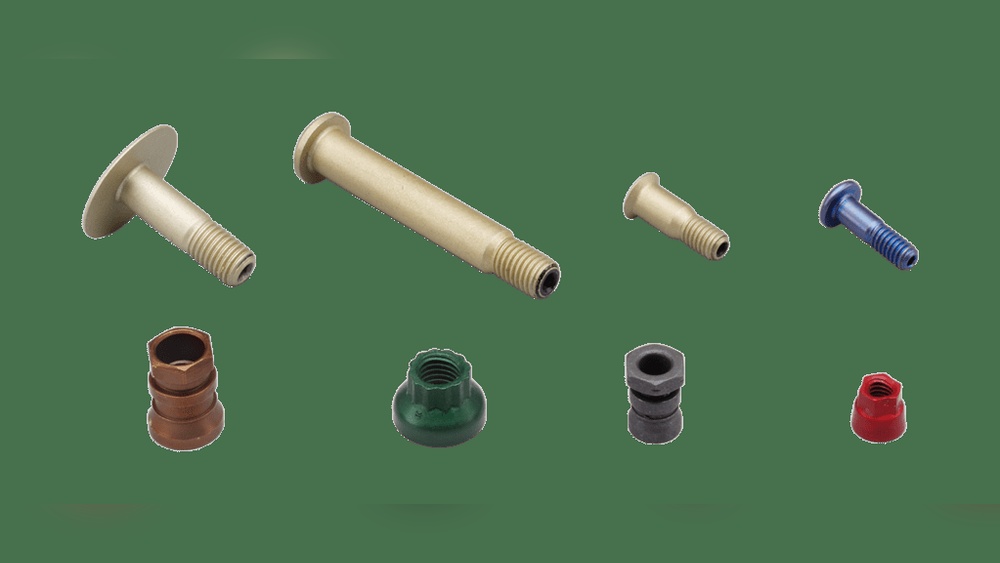
Hi Lok fasteners have a simple yet effective design. They consist of a pin and a collar. The pin has threads, while the collar is smooth inside. When assembled, the collar locks the pin tightly. This design prevents loosening under vibration.
Material Specifications
Hi Lok fasteners use strong materials like stainless steel and titanium. These materials resist rust and corrosion well. They suit harsh environments like aerospace and automotive fields. Material choice depends on strength and weight needs.
Common Sizes And Types
Hi Lok fasteners come in many sizes and types. Sizes vary to fit different hole diameters. Types include standard pins, blind fasteners, and flush head models. Each type serves specific assembly needs and design requirements.
Credit: stahlwille.com
Role In Aerospace Industry
Hi Lok fasteners play a crucial role in the aerospace industry. These fasteners help hold many parts of an aircraft together. They are designed to handle stress, vibration, and extreme conditions during flight. This makes them very important for aircraft safety and performance.
Using Hi Lok fasteners ensures strong and secure joints. These fasteners support the high standards needed in aircraft manufacturing and maintenance.
Applications In Aircraft Assembly
Hi Lok fasteners are used in many aircraft parts. They connect wings, fuselage, engine mounts, and landing gear. Their design allows easy installation and removal for maintenance. This saves time and reduces aircraft downtime. Hi Lok fasteners are ideal for both new assembly and repairs.
Advantages Over Traditional Fasteners
Hi Lok fasteners provide better strength than regular bolts and screws. They resist loosening from vibration and pressure changes. Their precision fit reduces wear on aircraft parts. These fasteners are lighter, helping to reduce overall aircraft weight. This improves fuel efficiency and flight performance.
Safety And Reliability Standards
Hi Lok fasteners meet strict aerospace industry standards. They undergo rigorous testing for strength and durability. These fasteners comply with FAA and other aviation safety rules. Their high reliability helps prevent accidents caused by fastener failure. Using Hi Lok fasteners supports the safety of passengers and crew.
Installation Process
The installation process of a Hi Lok fastener is simple but precise. Correct installation ensures strong and reliable joints. Each step must be done carefully to avoid damage or failure. This process fits many industries like aerospace and automotive. Here is a clear guide to install a Hi Lok fastener properly.
Tools Required
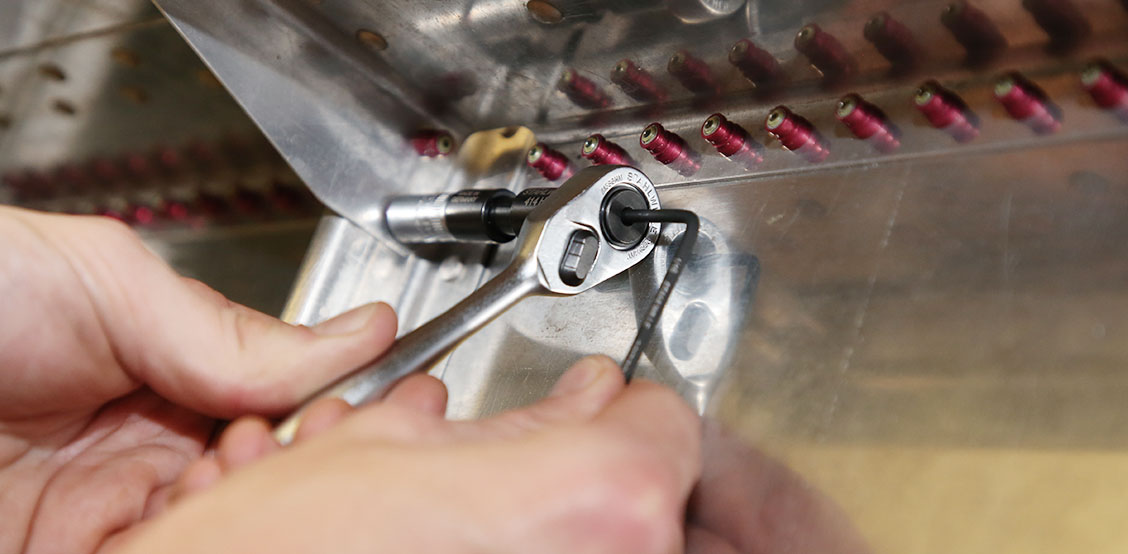
Use the right tools for smooth installation. A Hi Lok installation tool or wrench is essential. A torque wrench ensures proper tightness. A calibrated gauge may check fastener length. Clean cloths help remove dirt before fitting. Using these tools keeps the work safe and accurate.
Step-by-step Installation
First, clean the hole and fastener threads well. Insert the Hi Lok fastener through the parts to join. Hand-tighten the nut until it fits snugly. Use the torque wrench to tighten the nut. Follow the manufacturer’s torque specifications exactly. Avoid over-tightening to prevent damage. Check if the fastener sits flush with the surface.
Inspection And Quality Checks
After installation, inspect the fastener carefully. Look for any gaps or misalignment. Verify torque with a calibrated tool. Confirm the fastener head and nut are secure. Check that the locking feature engages properly. Any defects require removal and reinstalling. This step guarantees the joint will hold under stress.

Credit: www.researchgate.net
Maintenance And Troubleshooting
Maintaining Hi Lok fasteners ensures safety and long-lasting performance. Regular checks prevent failures and costly repairs. Troubleshooting helps identify problems early. This section covers key maintenance steps and common fixes.
Routine Inspection Tips
Check fasteners for cracks, corrosion, or wear. Look for loose or missing parts. Use a torque wrench to verify tightness. Clean dirt and debris around the fastener. Inspect the locking mechanism for proper function. Record inspection results for future reference.
Common Issues And Solutions
Corrosion can weaken fasteners. Clean and apply anti-corrosion sprays. Loose fasteners cause vibration and noise. Tighten to the specified torque. Damaged threads reduce holding strength. Replace the fastener immediately. Stuck or seized fasteners need proper lubrication or removal tools.
Replacement Guidelines
Replace fasteners showing visible damage or wear. Use only approved Hi Lok parts. Follow manufacturer torque and installation instructions. Avoid reusing old fasteners in critical areas. Keep spare fasteners on hand for quick repairs. Proper replacement prevents failures and maintains safety.
Comparisons With Other Fasteners
Hi Lok fasteners are widely used in aerospace and industrial fields. Comparing them with other fasteners helps understand their unique features. This section explores how Hi Lok stands against similar options like Hi Grip and rivets. It also covers cost and performance factors.
Hi Lok Vs. Hi Grip
Both Hi Lok and Hi Grip fasteners provide strong, reliable joints. Hi Lok fasteners have a separate collar and screw. This design allows for precise torque control. Hi Grip fasteners use a thread-locking mechanism, making them easier to install. Hi Lok offers better resistance to vibration and loosening. Hi Grip is faster to assemble but may not match Hi Lok’s durability.
Hi Lok Vs. Rivets
Rivets are permanent fasteners, often used for fixed joints. Hi Lok fasteners can be removed and reused, offering flexibility. Rivets require special tools and cannot be adjusted after installation. Hi Lok fasteners provide a clamped joint with controlled torque. This control improves joint strength and reduces stress. Rivets are simpler but less versatile than Hi Lok fasteners.
Cost And Performance Analysis
Hi Lok fasteners cost more than standard rivets and Hi Grip bolts. The higher price reflects their precision and strength. Hi Lok fasteners reduce maintenance needs due to their secure fit. This can lower long-term costs. Rivets are cheapest but lack reusability. Hi Grip fasteners balance cost and ease of use. Choosing depends on project needs and budget.
Future Trends In Aerospace Fastening
The future of aerospace fastening holds many exciting changes. Fasteners must meet higher standards for strength, weight, and reliability. New technology will help make planes safer and more efficient. Engineers focus on improving fastener design and materials to keep up with industry demands.
Innovations In Fastener Technology
Fastener technology is advancing quickly. Self-locking fasteners reduce the need for extra tools. Smart fasteners with sensors can monitor stress and wear. These innovations help detect problems early and improve maintenance schedules. Faster installation methods save time during assembly and repair.
Sustainability Considerations
Reducing waste and energy use is key in aerospace. Manufacturers develop fasteners that last longer and are easier to recycle. Using fewer materials lowers the plane’s overall weight and fuel use. Eco-friendly coatings replace harmful chemicals. Sustainability is becoming a top priority in fastener design.
Emerging Materials And Designs
New materials change how fasteners perform. Lightweight alloys and composites offer strength without extra weight. Heat-resistant materials help fasteners work in extreme conditions. Designs focus on reducing size while increasing strength. These materials and designs improve aircraft durability and efficiency.
Frequently Asked Questions
What Is A Hi Lok Fastener Used For?
A Hi Lok Fastener is used to securely join aircraft parts. It provides strong, vibration-resistant connections. This fastener ensures safety and structural integrity in aerospace applications.
How Does A Hi Lok Fastener Work?
Hi Lok Fasteners use a threaded collar and pin system. The pin is inserted and tightened with a collar. This creates a secure and precise clamp load, preventing loosening.
Why Choose Hi Lok Fasteners In Aerospace?
Hi Lok Fasteners offer high strength and reliability. They resist vibration and corrosion, essential for aircraft safety. Their precision fit reduces maintenance and improves performance.
What Materials Are Hi Lok Fasteners Made From?
Hi Lok Fasteners are typically made from stainless steel or titanium. These materials provide durability, corrosion resistance, and lightweight properties for aerospace use.
Conclusion
Hi Lok fasteners offer strong and reliable connections in many industries. They ensure safety and ease of use with their unique design. These fasteners save time during assembly and reduce maintenance needs. Understanding their purpose helps in choosing the right fastener for your project.
Trusting Hi Lok fasteners means choosing quality and durability. They remain a popular choice for engineers and technicians worldwide. Simple, effective, and dependable. That is what makes Hi Lok fasteners stand out.