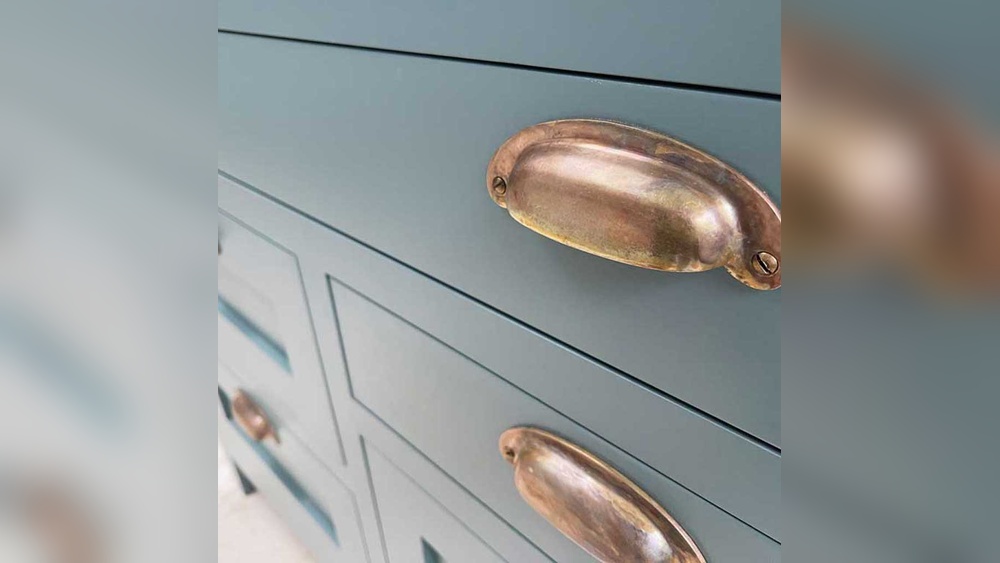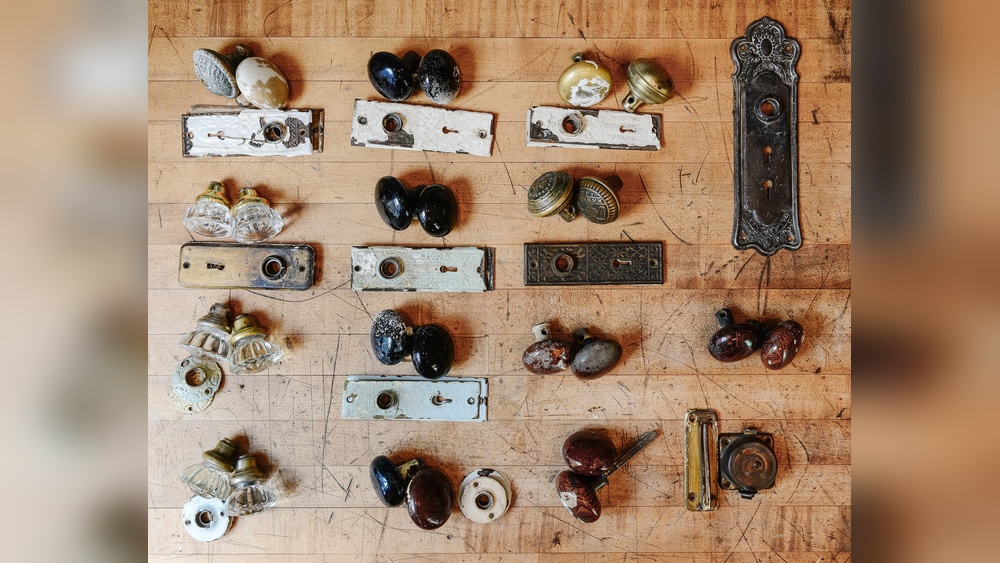
Are your cabinet handles and drawer pulls looking dull, grimy, or covered in old paint? Cleaning them by hand can be time-consuming and frustrating.
But what if you could use a simple kitchen gadget to make the job easier and more effective? Yes, your crockpot can do more than just cook meals—it’s a secret weapon for cleaning cabinet hardware! In this guide, you’ll discover how to transform your worn-out hardware into shiny, like-new pieces using a crockpot.
Follow along to learn the easy steps, safety tips, and expert tricks that will save you time and give your cabinets a fresh, polished look you’ll love. Ready to see your hardware sparkle again? Let’s dive in!

Credit: www.youtube.com
Choosing The Right Crockpot
Choosing the right crockpot is key to cleaning cabinet hardware effectively and safely. Not all crockpots are suitable for this task. Selecting the proper one ensures good results and avoids damage to your kitchen tools or crockpot itself.
Use A Dedicated Crockpot
Use a crockpot solely for cleaning hardware, not for cooking food. Old or inexpensive crockpots work well for this purpose. This avoids contamination of food with cleaning residues or paint. You can find used crockpots at thrift stores or online marketplaces. Dedicate one to your cleaning projects to keep things safe and hygienic.
Finding Affordable Options
Affordable crockpots suitable for cleaning are easy to find. Look for smaller sizes, around 3 to 4 quarts. They use less water and energy and fit hardware better. Check local thrift shops, garage sales, or online listings. A low-cost crockpot is perfect for occasional cleaning tasks without a big investment.
Preparing Hardware For Cleaning
Preparing cabinet hardware for cleaning in a crockpot ensures the best results. Proper preparation helps remove dirt and prevents damage during the cleaning process. Follow simple steps to get your hardware ready.
Sorting And Avoiding Overcrowding
Sort hardware by size and material before cleaning. Group similar pieces together to clean evenly. Avoid putting too many items in the crockpot at once. Overcrowding stops water and soap from reaching all surfaces. Leave space between pieces for better cleaning action.
Removing Loose Debris
Remove dust, dirt, and loose paint from hardware before soaking. Use a dry brush or cloth to wipe off loose particles. This step prevents grime from floating in the water during cleaning. Clean hardware absorbs the soap solution better and cleans deeper.
Setting Up The Cleaning Solution
Setting up the cleaning solution is the first step to freshen your cabinet hardware using a crockpot. The right mixture of water and soap helps break down grime and loosen paint. This simple solution works gently yet effectively to clean your metal pieces.
Preparing the crockpot correctly ensures the hardware gets the best treatment. Start by adding clean water and a small amount of dish soap. Then, choose the proper heat setting to let the solution work its magic. Follow these steps for a safe and easy cleaning process.
Adding Water And Dish Soap
Fill the crockpot with enough water to cover all the hardware pieces. Use warm water for better soap mixing and cleaning power. Add just a few drops of mild dish soap to the water. Avoid using too much soap, as it can leave residue on the hardware. Stir gently to blend the soap into the water.
Selecting Heat Settings
Cover the crockpot with its lid before turning it on. Set the heat to low if you want to clean delicate items slowly. Choose high heat to tackle tougher grime faster. Let the hardware soak for several hours. This softens dirt and paint, making scrubbing easier later on.

Credit: www.reddit.com
Soaking Process
The soaking process is a key step in cleaning cabinet hardware using a crockpot. It helps to loosen paint, dirt, and grime that builds up over time. This method uses heat and soap to soften stubborn residues, making them easier to remove. Proper soaking ensures a thorough clean without damaging the hardware.
Optimal Soak Duration
Set the crockpot to low or high heat depending on your cleaning needs. Soak the hardware for at least 2 to 4 hours. For tougher grime or old paint, extend soaking to 6 hours. Avoid soaking for too long to prevent damage to delicate finishes. Check the hardware after the initial soak to decide if more time is needed.
Monitoring Hardware Condition
Check the hardware regularly during the soaking process. Use gloves and tongs to safely handle hot pieces. Look for signs of loosening paint or softened grime. Remove any hardware that shows signs of corrosion or damage. This prevents further harm and ensures the best cleaning results.
Post-soak Cleaning Techniques
After soaking cabinet hardware in a crockpot, cleaning techniques help remove loosened dirt and paint. This stage ensures the hardware looks fresh and ready for reuse. Proper tools and careful handling make the job easier and safer. The following methods guide you through post-soak cleaning steps.
Safe Removal From Crockpot
Always wear heat-resistant gloves to protect your hands. Use tongs or a slotted spoon to lift hardware from hot water. Place items on a heat-safe surface to cool. Avoid touching hardware directly to prevent burns or damage.
Scrubbing With Brushes And Steel Wool
Use a stiff-bristled brush to scrub away dirt and soft paint. Steel wool works well on tougher grime but test gently first. Clean in small sections, applying moderate pressure. Rinse often to check progress and avoid scratching metal.
Using Putty Knives For Paint Removal
Hold the putty knife at a low angle to avoid gouging. Gently scrape off larger paint flakes loosened by soaking. Work slowly and carefully around edges and crevices. Follow up with a brush to remove leftover residue for a smooth finish.
Rinsing And Drying Hardware
After soaking and scrubbing cabinet hardware in the crockpot, rinsing and drying are vital steps. Proper rinsing removes soap and loosened grime. Drying prevents water spots and rust. Both steps ensure your hardware looks clean and lasts longer.
Thorough Water Rinse
Rinse each piece of hardware under warm running water. Make sure to remove all soap suds and dirt. Use a soft brush to clean any grooves or tight spots. Avoid using hot water that could damage delicate finishes. A thorough rinse stops residue buildup and keeps hardware shiny.
Proper Drying Methods
Dry hardware immediately after rinsing to prevent rust. Use a soft, clean cloth to pat dry each piece. Avoid air drying, as water spots can form on metal surfaces. For best results, lay hardware on a towel in a warm room. This keeps them dry and ready for reinstallation.
Polishing And Restoring Finish
Polishing and restoring the finish of cabinet hardware enhances its look and extends its life. After cleaning in a crockpot, the metal often looks dull and lacks shine. Proper polishing brings back the original glow and smooth surface. Restoring the finish also protects the hardware from future damage and rust.
Use gentle methods and suitable products to avoid harming the metal. The right polish makes a big difference in the final appearance. Applying a protective finish seals the hardware and keeps it looking fresh longer. These steps help maintain the beauty and function of your cabinet hardware.
Using Suitable Polishes
Choose a polish that matches your hardware’s metal type. Brass, chrome, and stainless steel need different care. Use a soft cloth to apply polish in small amounts. Rub gently in circular motions to avoid scratches. Let the polish sit for a few minutes to work its magic. Wipe off the excess with a clean cloth. Repeat if necessary until the hardware shines clearly.
Applying Protective Finishes
Protective finishes guard the hardware against moisture and dirt. Clear lacquer or wax works well for this purpose. Apply a thin layer evenly using a soft brush or cloth. Allow the finish to dry completely before handling the hardware. This layer forms a barrier that slows down tarnishing. Regular reapplication keeps the hardware in top condition for years.
Sealing To Prevent Tarnish
After cleaning cabinet hardware in a crockpot, sealing is important to stop tarnish. Tarnish happens when metal reacts with air and moisture, causing dull spots and discoloration. Applying a protective seal keeps your hardware shiny and new for longer. It creates a barrier that blocks air and moisture from reaching the metal surface.
Proper sealing also reduces frequent cleaning needs. This saves time and keeps your hardware looking its best. Choosing the right sealer and applying it correctly ensures lasting protection.
Choosing Appropriate Sealers
Pick a sealer that fits your hardware’s material. Clear lacquers work well for brass and bronze. They dry fast and provide a strong shield. For chrome or stainless steel, use a wax-based sealer. It adds shine and resists water spots.
Look for sealers labeled rust-resistant or anti-tarnish. Avoid thick or yellowing formulas that can change the hardware’s color. Test a small area before sealing all pieces.
Application Tips
Clean and dry hardware completely before sealing. Use a soft cloth or brush to apply the sealer evenly. Thin, multiple coats work better than one thick layer. Allow each coat to dry fully before adding the next.
Work in a well-ventilated area to avoid fumes. Avoid touching the hardware after sealing to prevent fingerprints. Let the sealed hardware cure for at least 24 hours before reinstalling.
Safety Measures
Cleaning cabinet hardware in a crockpot involves heat and chemicals. Safety is important to avoid injuries and health risks. Follow these safety measures closely to protect yourself and your home during the cleaning process.
Wearing Gloves And Eyewear
Always wear gloves to protect your hands from hot water and chemicals. Heat from the crockpot can cause burns. Soap and loosened grime may irritate your skin. Safety glasses or eyewear protect your eyes from splashes. This simple step prevents accidents and keeps you safe.
Handling Potential Lead Paint
Older hardware may have lead-based paint. Lead is harmful if inhaled or swallowed. Avoid breathing fumes or dust from the crockpot. Work in a well-ventilated area or outside. Use a mask if possible. Handle the hardware gently to reduce dust release. Keep children and pets away during cleaning.
Disposal Guidelines
Do not pour crockpot water with paint residue down the drain. This water may contain harmful chemicals or lead particles. Collect the water in a sealed container. Check local regulations for hazardous waste disposal. Dispose of used water and cleaning materials safely to protect the environment. Clean your crockpot thoroughly if you plan to use it for food again.

Credit: www.reddit.com
Troubleshooting Common Issues
Troubles may arise while cleaning cabinet hardware in a crockpot. Understanding common problems helps you fix them quickly. This section guides you through typical issues and practical solutions.
Dealing With Rust Formation
Rust can appear on metal hardware after soaking in water. It happens if the hardware stays wet too long. To prevent rust, dry each piece immediately after cleaning. Use a soft cloth or towel to wipe off moisture. For existing rust, apply a small amount of vinegar or lemon juice before scrubbing. Avoid harsh chemicals that can damage the metal finish.
When To Repeat Cleaning
Sometimes, one cleaning cycle is not enough. Heavy paint or grime may need extra soaking. Repeat the crockpot cleaning if the hardware still looks dirty. Use the same water and soap mixture or prepare a fresh batch for better results. Watch the hardware closely to avoid over-soaking, which can harm delicate pieces.
Alternatives To Crockpot Cleaning
Not all hardware responds well to crockpot cleaning. For delicate or antique pieces, try hand cleaning with mild soap and a soft brush. Ultrasonic cleaners provide a gentle but effective method for small items. Another option is soaking hardware in a vinegar and water solution. Choose the method that suits your hardware type and condition best.
Frequently Asked Questions
How To Clean Hardware In A Crockpot?
Place hardware in an old crockpot, cover with water and dish soap. Cook on low or high for hours. Scrub with a brush or steel wool, then rinse thoroughly. Wear gloves to handle hot items and polish or seal if needed.
How Do You Clean Cabinet Hardware?
Place cabinet hardware in a crockpot with water and dish soap. Cook on low or high for hours. Scrub with a brush or steel wool, then rinse thoroughly. Polish or seal if needed to prevent tarnish or rust.
How Do You Clean Heavily Tarnished Brass Hardware?
Soak brass hardware in warm water with dish soap for several hours. Scrub with a soft brush or steel wool to remove tarnish. Rinse well and dry. Polish using a brass cleaner for shine. Apply a sealant to prevent future tarnish.
Wear gloves during cleaning.
How To Clean Old Hardware With Bar Keepers Friend?
Sprinkle Bar Keepers Friend on old hardware. Add water to form a paste. Scrub gently with a soft brush. Rinse thoroughly and dry. Repeat if needed for stubborn stains.
Conclusion
Cleaning cabinet hardware in a crockpot saves time and effort. The slow soaking loosens paint and grime effectively. Scrubbing afterward removes any stubborn residue. Always use an old crockpot, never one used for food. Handle hot hardware carefully with gloves and tongs.
Rinse thoroughly to keep hardware clean and ready to use. Polishing and sealing protect your hardware longer. This simple method makes hardware cleaning easy and safe. Try it to refresh your cabinets without harsh chemicals or extra stress.