Are you tired of dealing with loose items that won’t stay in place? Fastening straps are the simple solution you need to keep your belongings secure and organized.
Whether you’re packing for a trip, securing cargo, or managing tools, knowing how to use fastening straps correctly can save you time and prevent damage. You’ll discover easy steps and practical tips that make fastening straps work perfectly every time.
Keep reading to learn how to take control and make your life a little easier with these handy tools.
Types Of Fastening Straps
Fastening straps come in many types, each designed for a specific use. Choosing the right strap helps secure items safely and easily. This section explains the most common types of fastening straps.
Ratchet Straps
Ratchet straps are strong and reliable. They have a ratcheting mechanism to tighten the strap securely. These straps are great for heavy loads and long trips. You can tighten them more than other straps, which keeps items very secure.
Cam Buckle Straps
Cam buckle straps use a simple buckle to hold the strap. They are easy to adjust and release quickly. These straps work well for lighter loads or when you need to fasten items fast. They are less tight than ratchet straps but more convenient.
Lashing Straps
Lashing straps are often used to tie down cargo. They come with hooks or loops on the ends. These straps help keep items from moving during transport. They are flexible and work well with many types of loads.
Bungee Cords
Bungee cords are elastic straps with hooks on both ends. They stretch to hold items tightly but still allow some movement. They work best for smaller or odd-shaped objects. These cords are quick to use but not for very heavy loads.

Credit: undernysky.com
Choosing The Right Strap
Choosing the right fastening strap is key for safety and ease. The wrong strap can break or slip. This causes damage or accidents. Understanding the key factors helps pick the best strap for your needs. Focus on load capacity, material, size, and environment.
Load Capacity
Check the strap’s load capacity before use. It shows how much weight the strap can hold safely. Pick a strap with a capacity higher than your load. This prevents snapping or failure during use. Never guess the load capacity; always check the label or product info.
Material And Durability
Straps come in different materials like nylon, polyester, and polypropylene. Nylon is strong and flexible. Polyester resists UV light and water well. Polypropylene is lightweight but less durable. Choose a material based on how often and where you will use the strap. Look for straps with good stitching and strong buckles for longer life.
Length And Width
Length matters for how much you can wrap around your load. Measure the size of items before buying a strap. Width affects strength and comfort. Wider straps hold more weight and reduce pressure on the load. Pick the right size to keep loads tight and secure without damage.
Environmental Factors
Consider where you will use the strap. Some straps resist water, sunlight, and chemicals better. Outdoor use needs UV and water-resistant straps. Indoor use may allow lighter, less durable straps. Extreme temperatures also affect strap strength. Choose straps that match the environment for best results.
Preparing The Load
Preparing the load is the first and most important step when using fastening straps. It ensures safety and prevents damage during transport. Proper preparation helps keep the load secure and stable.
Assessing The Load
Check the weight of the load before strapping. Make sure it is within the strap’s limit. Look at the shape and size of the items. Identify any sharp edges or weak spots. Knowing these details helps you choose the right straps and secure them correctly.
Positioning For Stability
Place the load evenly on the surface. Keep heavier items at the bottom. This lowers the center of gravity and increases stability. Avoid stacking items too high. Ensure the load does not shift easily. Stability prevents accidents and keeps the load intact.
Protecting The Load Surface
Use padding between the strap and the load. This protects the surface from scratches or dents. Soft cloth or foam works well as a buffer. Protect delicate items with extra cushioning. This care maintains the condition of your goods during transport.
Securing Loads With Straps
Securing loads with fastening straps is essential for safe transport. Straps keep items stable and prevent damage or accidents. Using straps correctly ensures your load stays in place during movement. The key is to place and tighten straps properly.
Proper Strap Placement
Place straps over the strongest parts of your load. Avoid fragile or uneven areas. Use multiple straps for large or heavy items. Strap ends should attach to secure anchor points. Position straps so they do not slip or shift.
Tensioning Techniques
Tighten straps evenly to hold the load firmly. Pull straps until they are snug but not too tight. Over-tightening can damage the load or strap. Use a ratchet or buckle to secure tension. Check tension regularly during transport for safety.
Avoiding Common Mistakes
Do not use worn or damaged straps. Avoid twisting straps during use. Never exceed the strap’s weight limit. Do not tie knots in straps; use proper fasteners. Inspect straps before and after each use to ensure safety.
Safety Tips And Best Practices
Using fastening straps safely is essential to protect your load and yourself. Following safety tips and best practices helps avoid accidents and damage. It also ensures the straps last longer and perform well every time.
Inspecting Straps Before Use
Check straps for tears, frays, or cuts before each use. Look for broken stitches or damaged hooks. Replace any strap with visible damage immediately. Using damaged straps can cause load failure and accidents.
Avoiding Overloading
Know the weight limit of your fastening straps. Never exceed the strap’s rated capacity. Overloading can cause straps to snap or loosen. Secure loads evenly to keep balance and avoid shifting.
Regular Maintenance
Clean straps regularly with mild soap and water. Avoid harsh chemicals that weaken the material. Store straps in a dry, cool place away from sunlight. Dry straps fully before storing to prevent mold and mildew.
Legal Regulations
Follow local laws and rules for fastening straps use. Different regions have specific standards for load securement. Ensure your straps meet required safety certifications. Proper compliance avoids fines and improves safety on roads.
Credit: protectivepetsolutions.com
Removing And Storing Straps
Removing and storing fastening straps correctly helps keep them strong and ready for reuse. Proper care prevents damage and makes the straps last longer. Follow simple steps to take off, clean, dry, and store your straps safely.
Safe Strap Release
Start by loosening the strap slowly. Avoid pulling hard or fast. Release the buckle gently to stop any sudden snaps. Check the strap for twists or knots before fully removing it. Handle the strap with care to avoid wear or tearing.
Cleaning And Drying
Wipe dirt and dust with a damp cloth. Use mild soap if needed, but avoid harsh chemicals. Rinse the strap with clean water after washing. Let the strap air dry completely. Do not use a dryer or direct sunlight, which can weaken the material.
Proper Storage Methods
Roll or fold the strap neatly to avoid tangles. Store in a cool, dry place away from moisture. Keep straps away from sharp objects or heavy pressure. Use a storage bag or box for extra protection. Check straps regularly for signs of damage before use.

Credit: www.youtube.com
Frequently Asked Questions
What Are Fastening Straps Used For?
Fastening straps secure objects during transport or storage. They prevent movement, damage, and ensure safety. Common uses include bundling items, securing cargo, and organizing equipment efficiently.
How Do You Properly Use Fastening Straps?
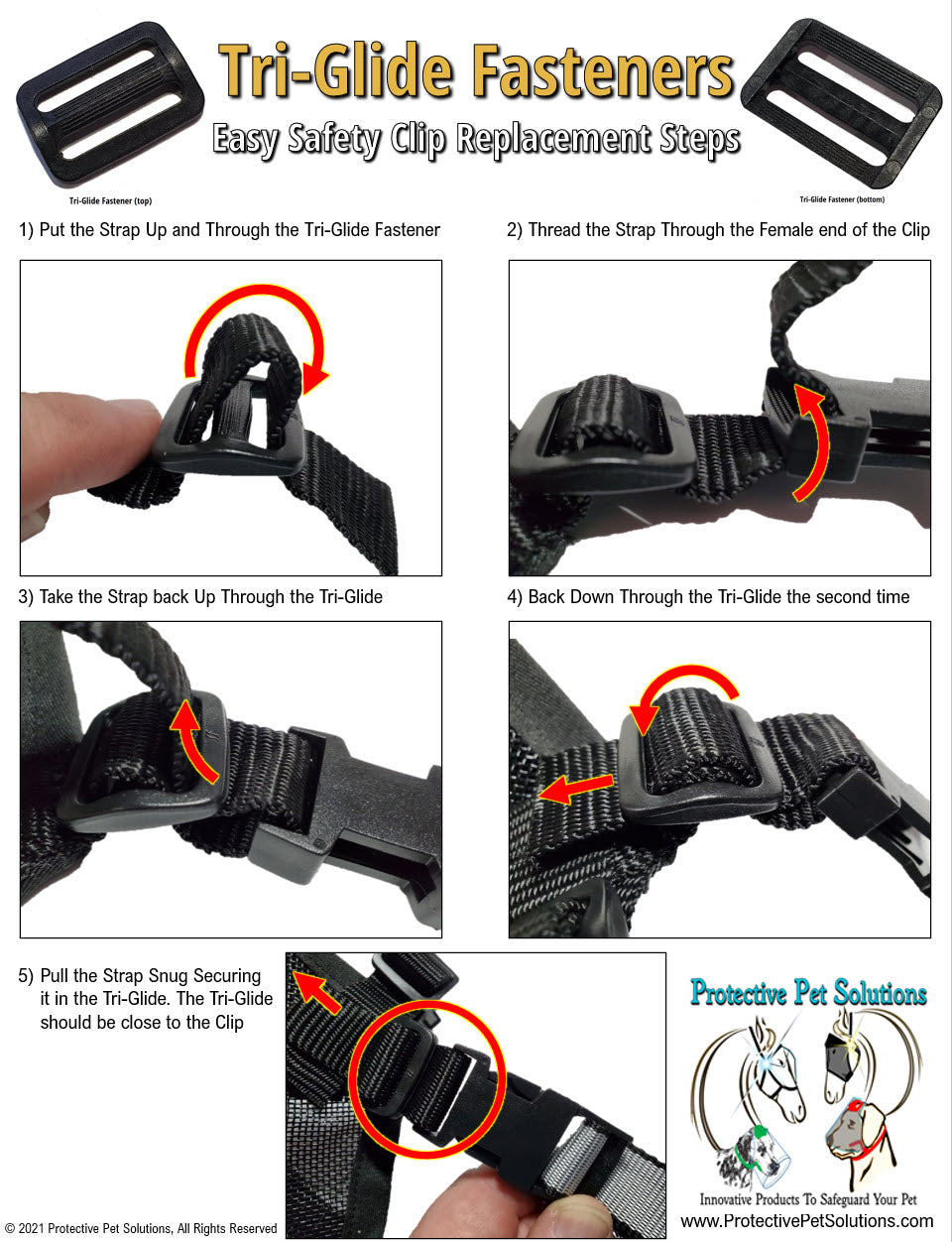
Wrap the strap tightly around the object. Thread the strap through the buckle or locking mechanism. Pull firmly to secure and lock the strap in place for a stable hold.
What Types Of Fastening Straps Exist?
Common types include nylon, polyester, and rubber straps. Some have buckles, ratchets, or clips for locking. Each type suits specific uses, such as heavy loads or quick adjustments.
Can Fastening Straps Be Reused Safely?
Yes, most fastening straps are reusable if undamaged. Inspect straps for wear or fraying before reuse. Proper storage extends their lifespan and maintains safety.
Conclusion
Fastening straps help keep items secure and organized. Choose the right strap for your task. Tighten straps firmly but avoid damage. Check straps regularly for wear and tear. Proper use saves time and prevents accidents. Practice makes handling straps easier and safer.
Use straps to make transport and storage simple. Stay safe and protect your belongings. Fastening straps are useful tools for many jobs. Keep these tips in mind for best results.