Are your cabinet hardware screws too long and causing frustration during installation? You’re not alone.
Cutting screws to the right length can save you time, prevent damage to your cabinets, and give your project a professional finish. In this guide, you’ll discover simple, step-by-step methods to cut cabinet hardware screws quickly and safely—no special tools or skills needed.
Keep reading, and you’ll master this handy skill that makes every cabinet upgrade smoother and more satisfying.
Tools Needed
Cutting cabinet hardware screws requires the right tools. Having proper tools makes the job easier and safer. This section covers the essential tools you need to cut screws cleanly and accurately.
Types Of Screwdrivers
Screwdrivers help remove screws before cutting them. Choose the correct screwdriver type for your screws. Common types include flathead and Phillips. Using the right screwdriver prevents damage to the screw head. This ensures a smooth removal process.
Cutting Tools Options
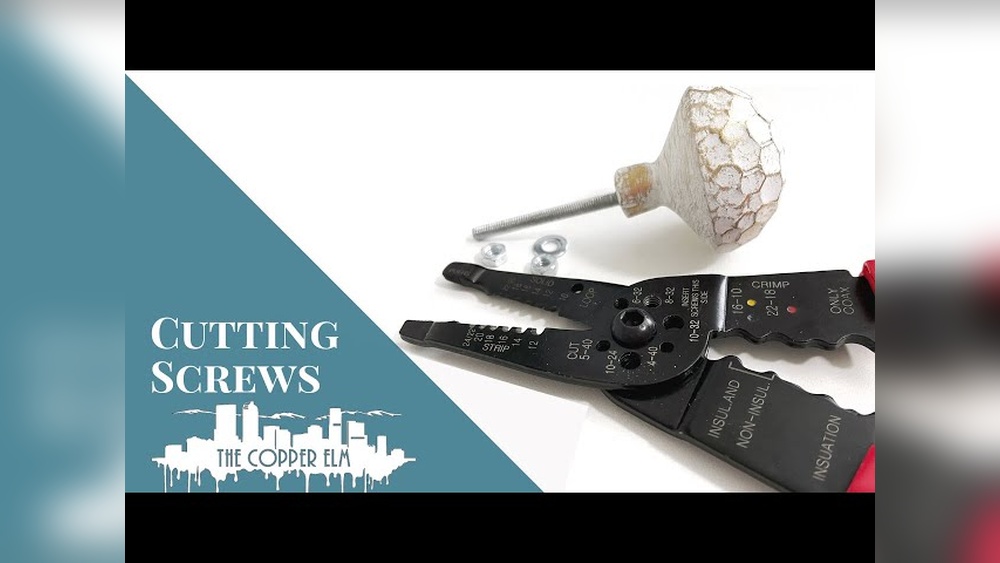
Several tools can cut screws effectively. Wire cutters are small and easy to use for thin screws. For thicker screws, use a hacksaw or a rotary tool with a cutting disc. Tin snips also work well for certain screw sizes. Choose a tool that fits your screw size and material.
Safety Gear
Protect your eyes with safety glasses to avoid flying metal pieces. Wear gloves to protect your hands from sharp edges. Work in a well-lit area to see clearly. Safety gear helps prevent injuries and keeps the task safe.

Credit: www.amazon.com
Measuring Screw Length
Measuring screw length is an important step before cutting cabinet hardware screws. The right length ensures the hardware fits securely without damaging the cabinet. Too long or too short screws can cause problems. Accurate measurement saves time and effort. It helps achieve a neat, professional look for your cabinets.
Determining Proper Fit
Start by checking the thickness of your cabinet door or drawer. Add the thickness of the hardware piece. The screw should be long enough to pass through both layers. Avoid screws that are too long, as they can poke out inside the cabinet. Too short screws will not hold the hardware firmly. Choose a screw slightly longer than the total thickness for a safe fit.
Marking Cut Points
After deciding the right length, mark where to cut the screw. Use a pencil or marker to draw a clear line on the screw. Make sure the mark is visible and precise. Hold the screw steady while marking to avoid mistakes. This mark guides your cutting tool for a clean cut. Accurate marking prevents uneven or crooked cuts that can affect installation.
Preparing Screws For Cutting
Preparing screws for cutting is an important step to get clean and precise results. Proper preparation keeps the screws steady and protects the threads. This helps avoid damage and makes the cutting process easier. Take time to prepare screws correctly before cutting.
Securing Screws
Hold the screw firmly to stop it from moving. Use a vise or clamp for a strong grip. Place the screw so the area to cut sticks out. Keep your hands clear of the cutting line. A steady screw means a smooth cut and less chance of mistakes.
Protecting Screw Threads
Protect the threads from damage by covering them. Wrap tape around the threads or use a small piece of rubber. This stops the cutting tool from scratching or bending the threads. Keeping threads safe means the screw will still work well after cutting.
Cutting Techniques
Cutting cabinet hardware screws is a common task during furniture updates or repairs. Choosing the right cutting technique makes the process easier and safer. Different tools work best for different screw sizes and materials. Below are simple methods to cut screws effectively.
Using Wire Cutters
Wire cutters are a handy tool for small screws. They offer quick cuts with little effort. Place the screw between the jaws near the tip. Squeeze the handles firmly to cut through. Wire cutters work best on thin screws made of soft metal.
Use steady pressure to avoid bending the screw. Wear safety glasses to protect your eyes from flying pieces. This method is fast and simple for light-duty screws.
Using Hacksaw
A hacksaw is ideal for thicker or hardened screws. Secure the screw in a clamp or vise to keep it steady. Use smooth back-and-forth strokes with the saw blade. Cut slowly to avoid damaging the screw or nearby surfaces.
This method takes more time but gives a clean, straight cut. Choose a fine-toothed blade for better control. Always wear gloves to protect your hands.
Using Rotary Tools
Rotary tools are versatile for various screw sizes. Attach a cutting disc to the tool. Hold the screw firmly or clamp it down. Turn the rotary tool on and gently guide the disc to the screw.
Cut with light pressure to avoid overheating the metal. Keep the tool steady for a precise cut. Use safety gear like goggles and a mask to avoid dust and sparks.
Smoothing Cut Ends
After cutting cabinet hardware screws, the ends can be rough or sharp. Smoothing these cut ends is important. It helps prevent injury and makes the screws easier to use. Taking a little time to smooth the ends improves your final work and safety.
Filing Tips
Use a small metal file to smooth the cut ends. Hold the screw firmly and file in one direction. Avoid filing back and forth to reduce damage. Check often to see if the edges feel smooth. A few gentle strokes usually do the job.
Preventing Thread Damage
Be careful not to file the screw threads. Damaged threads can make screws hard to install. Focus only on the cut tip, not the spiral ridges. Use a fine file or sandpaper for better control. Keeping the threads intact ensures the screw fits well.
Credit: www.woodworkerexpress.com
Testing Screw Fit
Testing the screw fit is a key step after cutting cabinet hardware screws. It helps ensure the screws hold the hardware tightly without damaging the cabinet. This process avoids problems like loose handles or stripped holes.
Take your time to check the screws before final installation. This saves effort and keeps your cabinets looking neat and secure.
Trial Installation
Start by placing the hardware on the cabinet door or drawer. Insert the cut screw through the hardware and into the hole. Turn the screw slowly by hand. The screw should go in smoothly and hold the hardware firmly. Do not force the screw if it feels tight or too loose. This trial shows if the screw length is correct and fits well.
Adjusting If Needed
If the screw is too long, cut it a little shorter. If it is too short, use a longer screw for better hold. Check the screw fit again after cutting. Make small adjustments until the screw holds the hardware tight and straight. Proper fit prevents damage and ensures your cabinet looks good for years.
Tips For Best Results
Cutting cabinet hardware screws takes care and the right approach. Simple tips can make your work easier and safer. These tips help you get clean cuts and prevent damage.
Focus on the screws and tools. Good quality screws and well-kept tools give the best results. Let’s explore how to choose and maintain them.
Choosing Quality Screws
Pick screws made from strong materials like stainless steel. They cut cleaner and last longer. Avoid cheap screws that bend or break easily. Check the screw size before cutting to match your cabinet hardware perfectly.
Maintaining Tools
Keep your cutting tools sharp and clean. Dull blades cause rough cuts and can damage screws. Wipe tools after use to stop rust. Store them in a dry place. Regularly check for any wear or damage to your tools.
Credit: www.triangleophthalmology.com
Frequently Asked Questions
How Do I Cut Cabinet Hardware Screws Safely?
Use a proper tool like a hacksaw or bolt cutter. Secure the screw firmly in a vise. Cut slowly and steadily to avoid slipping and injury. Wear safety glasses to protect your eyes from metal shavings. Always measure twice before cutting to get the right length.
What Tools Work Best For Cutting Hardware Screws?
Hacksaws, bolt cutters, and rotary tools with cutting discs work best. Choose a tool based on screw thickness and material. A hacksaw is ideal for smaller screws. Bolt cutters are suitable for thicker screws. Rotary tools offer precision for detailed cuts.
Can I Shorten Screws Without Damaging The Threads?
Yes, use a fine-toothed saw or a rotary tool carefully. Clamp the screw to avoid movement and damage. Cut slowly to preserve the threads. After cutting, file the edges smooth to prevent thread damage. This keeps screws functional for reinstallation.
How To Measure Screws Before Cutting Accurately?
Use a ruler or tape measure to determine desired length. Mark the cutting point clearly with a marker or tape. Double-check measurements before cutting. Ensure the screw length suits your cabinet hardware’s depth. Accurate measuring prevents mistakes and wasted screws.
Conclusion
Cutting cabinet hardware screws is simple with the right tools. Measure screws carefully before cutting. Use a proper cutter to avoid damage. Take your time to ensure a clean cut. Fit the screws properly to secure your cabinets. These steps help keep your hardware strong and neat.
Practice makes the process easier and faster. Keep safety in mind while working with tools. Now, you can adjust screws to fit any cabinet. Enjoy your improved cabinet setup with confidence.