Are you tired of struggling with messy glues or complicated fasteners? Self adhesive fasteners might be the simple solution you’ve been looking for.
They stick quickly, hold firmly, and are easy to use—saving you time and effort on your projects. You’ll discover step-by-step how to use self adhesive fasteners effectively, so your repairs and crafts stay secure and look great. Keep reading to unlock the secrets to hassle-free fastening that anyone can master.

Credit: legalsupply.com
Types Of Self Adhesive Fasteners
Self adhesive fasteners come in different types for many uses. Each type offers unique benefits and suits various tasks. Choosing the right fastener helps secure items quickly and easily. These fasteners stick to surfaces without extra tools or hardware.
Hook And Loop Fasteners
Hook and loop fasteners use tiny hooks that catch loops on the opposite side. They stick firmly but open easily by pulling apart. These fasteners work well for clothes, bags, and light home repairs. They are reusable and ideal for temporary holds.
Magnetic Fasteners
Magnetic fasteners use magnets to hold items together. They attach without holes or sticky residue. These fasteners suit small doors, cabinets, and craft projects. Magnetic fasteners allow quick opening and closing with a smooth touch.
Double-sided Tape Fasteners
Double-sided tape fasteners have sticky surfaces on both sides. They bond two surfaces firmly without screws or nails. These tapes work well for mounting pictures, posters, and lightweight objects. They offer a clean look and easy application.

Credit: xfasten.com
Choosing The Right Surface
Choosing the right surface is key to using self adhesive fasteners well. The surface type affects how strong the bond will be. Some surfaces hold the adhesive better than others. Preparing the surface correctly helps the fastener stick longer and hold firmly.
Smooth Vs Rough Surfaces
Smooth surfaces like glass or metal give the best grip for self adhesive fasteners. The adhesive can spread evenly and stick tightly. Rough surfaces like wood or fabric may cause gaps. These gaps reduce the stickiness and can make the fastener fall off. Pick smooth surfaces for stronger hold.
Cleanliness And Preparation
Clean the surface well before applying the fastener. Dust, oil, or dirt stops the adhesive from sticking properly. Use rubbing alcohol or soap and water to clean. Let the surface dry fully before applying the fastener. Preparing the surface this way makes the bond last longer.
Preparing The Fastener
Preparing self-adhesive fasteners is a key step for a strong hold. Proper preparation helps the fasteners stick well and last longer. It starts with measuring and cutting the fastener to the right size.
After cutting, the next step is peeling the backing carefully. This exposes the sticky side without damaging it. Each step requires attention for the best results.
Cutting To Size
Measure the area where you will place the fastener. Use scissors or a sharp knife to cut it cleanly. Cut slowly to avoid jagged edges.
Make sure the fastener fits the surface well. Too large or too small pieces can weaken the hold. Cutting to size saves material and improves performance.
Peeling The Backing
Start peeling the backing from one corner. Pull gently to avoid tearing the adhesive layer. Keep the sticky side clean and free of dust.
Hold the fastener by the edges to avoid touching the adhesive. Once peeled, place it immediately on the surface. Press firmly for a secure bond.
Applying The Fastener
Applying self adhesive fasteners requires care and precision. Proper application ensures a strong, lasting bond. This section explains key steps for the best results.
Positioning For Best Hold
Clean the surface before placing the fastener. Dirt and dust reduce adhesion. Align the fastener carefully to avoid mistakes. Once pressed, repositioning is difficult. Choose a flat, smooth area for better grip. Avoid curved or rough surfaces.
Pressing Techniques
Apply firm pressure to activate the adhesive. Use your fingers or a flat tool. Press evenly across the entire fastener. Do not rush; hold the pressure for 30 seconds. This step ensures the fastener sticks well.
Curing Time
Allow the adhesive to set fully. Curing time varies but usually takes 24 hours. Avoid stress or movement during this period. This lets the adhesive bond tightly. The fastener will reach full strength after curing.
Maintaining Strong Holds
Maintaining strong holds with self adhesive fasteners ensures your projects stay secure longer. Proper care helps keep the adhesive effective. Simple steps protect the bond and prevent fastener failure.
Cleaning and avoiding damage to the adhesive surface are key. These actions extend the life of your fasteners and keep them reliable over time.
Cleaning Fastened Areas
Clean surfaces before applying fasteners for a better grip. Use a soft cloth and mild soap to remove dust and oil. Avoid harsh chemicals that can weaken the adhesive. Let the area dry completely before attaching the fastener.
Regularly wipe the fastened area to remove dirt buildup. This keeps the adhesive fresh and strong. Clean surfaces help the fastener stick firmly without slipping or peeling.
Avoiding Moisture And Heat
Keep fastened areas away from water and steam. Moisture can break down the adhesive and cause it to fail. Use waterproof fasteners if exposure to water is unavoidable.
Heat softens the adhesive and reduces its strength. Avoid placing fasteners near heaters or direct sunlight. Cool, dry conditions help maintain a lasting bond.
Common Mistakes To Avoid
Using self-adhesive fasteners is simple but requires care. Small mistakes can cause the fasteners to fail. Avoiding common errors ensures a strong and lasting hold. Learn what to watch out for to get the best results.
Applying On Dirty Surfaces
Always clean the surface before applying fasteners. Dirt, dust, or grease stops the adhesive from sticking well. Use a cloth with rubbing alcohol to wipe the area. Wait for it to dry completely before applying. This step is key for a firm grip.
Using On Incompatible Materials
Check if the fastener works with your material type. Some adhesives do not bond well with certain plastics or fabrics. Test a small area first to see if it sticks properly. Avoid using on surfaces that are wet or oily. Correct pairing ensures the fastener holds strong over time.
Creative Uses For Self Adhesive Fasteners
Self adhesive fasteners offer many creative possibilities beyond basic use. They stick easily and hold items firmly without tools. These fasteners suit various tasks at home, in crafts, and for quick repairs. They make organizing and decorating simple and fun. Explore these practical ideas to get the most from self adhesive fasteners.
Home Organization
Use self adhesive fasteners to keep cords tidy and out of sight. Attach them inside drawers to hold small tools or accessories. They help hang lightweight items on walls without nails. Fasteners can secure remote controls or chargers to furniture edges. They make organizing clutter fast and neat.
Craft Projects
Self adhesive fasteners attach fabric pieces without sewing. They help create removable decorations for parties or holidays. Use them to build custom jewelry or wearable art. Fasteners make it easy to change or fix parts of a craft. They add flexibility and creativity to any project.
Temporary Fixes
Fasteners fix clothing or gear on the go. They hold broken items together until a proper repair is done. Use them to close bags or boxes securely. Fasteners offer quick, reusable solutions for many small problems. They save time and avoid damage while waiting for better fixes.
Credit: www.amazon.com.au
Frequently Asked Questions
What Surfaces Work Best For Self Adhesive Fasteners?
Self adhesive fasteners stick well to clean, smooth, and dry surfaces. Ideal materials include plastic, metal, glass, and painted wood. Avoid rough or porous surfaces as they reduce adhesion strength and durability. Proper surface preparation enhances bonding and longevity.
How Do You Apply Self Adhesive Fasteners Correctly?
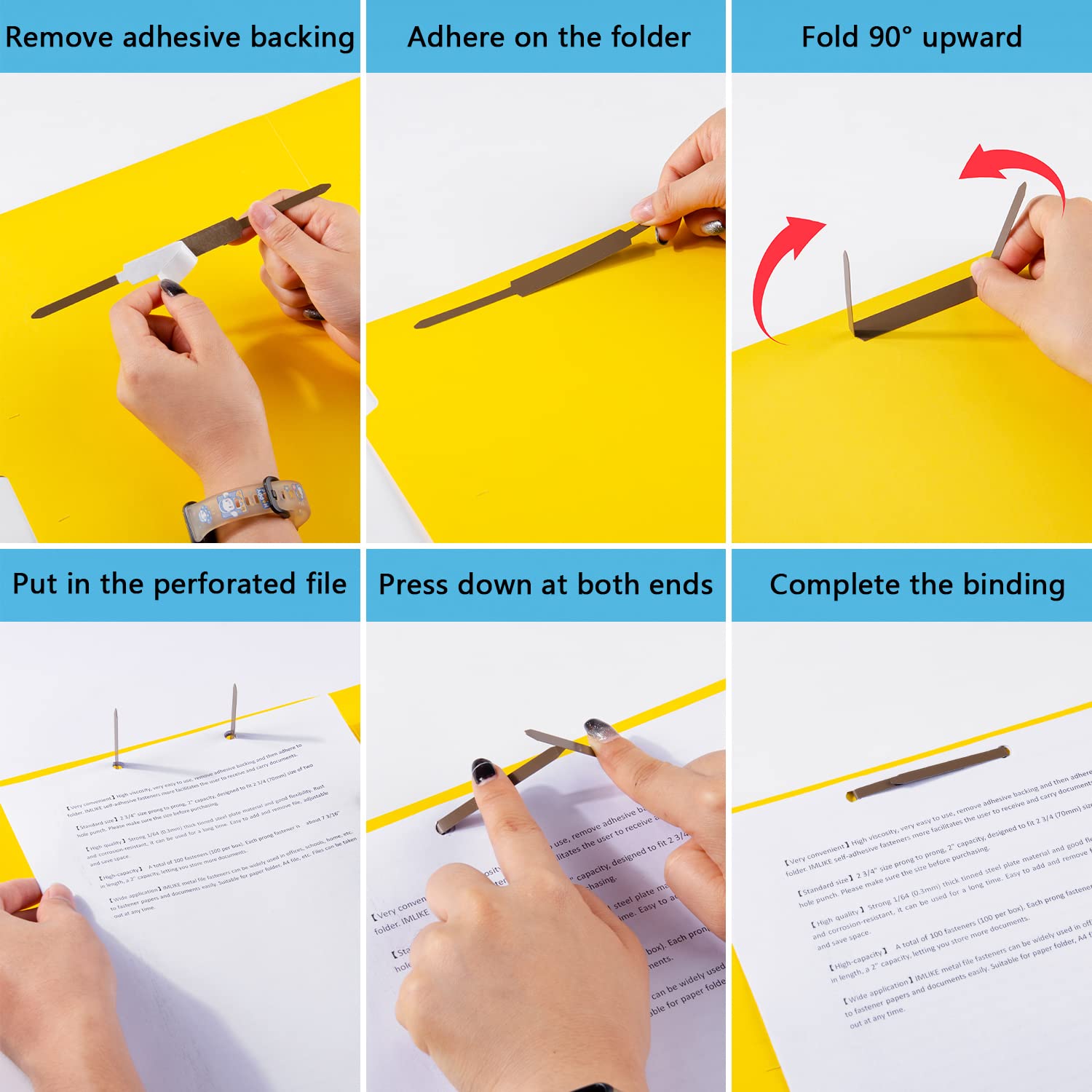
Peel off the backing carefully without touching the adhesive. Press firmly onto the chosen surface for 10-15 seconds. Ensure the surface is clean and dry before application. Avoid repositioning once stuck to maintain maximum hold.
Can Self Adhesive Fasteners Be Reused Or Repositioned?
Most self adhesive fasteners are designed for single use only. Repositioning may weaken the adhesive and reduce effectiveness. For reuse, opt for hook and loop fasteners that allow easy detachment without losing grip.
How Long Do Self Adhesive Fasteners Typically Last?
They generally last from 6 months to 2 years depending on usage and environment. Exposure to heat, moisture, or dirt can reduce lifespan. Proper installation and storage extend the fastener’s durability.
Conclusion
Self adhesive fasteners offer a quick and simple way to join items. They stick firmly without tools or mess. Use them on clean, dry surfaces for best results. These fasteners save time and help keep things organized. Try different sizes and types to fit your needs.
Remember to press firmly for a strong hold. With practice, using self adhesive fasteners becomes easy and effective. They are a handy solution for many projects around the home or office.