Have you ever wondered what makes your favorite shoes stay snug and secure all day? The answer often lies in something simple yet effective: lace up fastening.
This classic method isn’t just about style—it plays a crucial role in comfort, fit, and even performance. If you want to understand how lace up fastening works and why it might be the best choice for your footwear, keep reading.
By the end, you’ll see your shoes in a whole new light.
Credit: lisasdanceandexercise.com
Basics Of Lace Up Fastening
Lace up fastening is a simple way to secure shoes, clothes, and bags. It uses a string or cord pulled through holes or loops. Tightening the laces holds the item firmly in place. This method allows easy adjustment for comfort and fit.
Lace up fastening has been used for centuries. It offers both function and style. Many types of laces and eyelets exist to suit different needs.
Types Of Lace Up Fastenings
There are several ways to lace up. The most common is criss-cross lacing, where the laces cross over each other. Straight lacing runs the laces straight across the eyelets. Other types include loop lacing and ladder lacing. Each style changes the look and fit of the item.
Materials Used For Laces
Laces come in many materials. Cotton is soft and easy to tie. Nylon is strong and water-resistant. Leather laces give a classic look. Elastic laces add stretch for comfort. Choosing the right material depends on use and style.
Common Eyelet Styles
Eyelets are the small holes or rings for laces. Metal eyelets are durable and prevent fraying. Fabric eyelets are softer and often sewn in. Some eyelets have hooks for quick lacing. The style affects both function and appearance.
History And Evolution
The history and evolution of lace up fastening reveal a fascinating journey. This simple method has changed a lot over time. It started as a basic way to keep clothes and shoes tight. Now, it is a key part of fashion and function.
Exploring its roots helps us understand why lace up fastening remains popular today. It has adapted to different needs and styles. This section covers its origins, changes, and cultural impact.
Origins Of Lace Up Designs
Lace up fastening dates back thousands of years. Early humans used strips of leather or plant fibers. They tied them to secure their footwear and clothing. Ancient Egyptians and Greeks wore sandals with simple laces. These helped keep shoes on the foot during daily activities.
In medieval Europe, lace up boots appeared. Soldiers and workers used them for strong support. The design was practical and easy to repair. This early form of lace up fastening laid the foundation for future styles.
Changes Through The Decades
Over time, lace up fastening evolved with fashion and technology. In the 18th century, decorative laces became popular. People used ribbons and colorful cords for style. The Industrial Revolution brought mass production of eyelets and laces. This made lace up shoes affordable for many.
In the 20th century, lace up shoes appeared in sports and casual wear. Athletic shoes used strong laces for better fit and comfort. Designers also experimented with new materials like nylon and polyester. These changes improved durability and ease of use.
Cultural Influences
Lace up fastening reflects the culture and customs of different regions. In Japan, traditional shoes like geta use unique lacing styles. Native American moccasins often feature hand-laced designs. These add meaning and identity to the footwear.
Modern fashion borrows from many cultures. Lace up shoes show a blend of history and creativity. They symbolize both function and personal expression. This cultural mix keeps lace up fastening fresh and relevant today.
Lace Up In Fashion
Lace up fastening is a classic style in fashion. It adds charm and function to many outfits. This method uses strings or cords to tie pieces together. It appears in shoes, clothes, and even accessories. Lace up styles blend tradition with modern trends. They offer a neat, adjustable fit for comfort and style.
Casual And Formal Styles
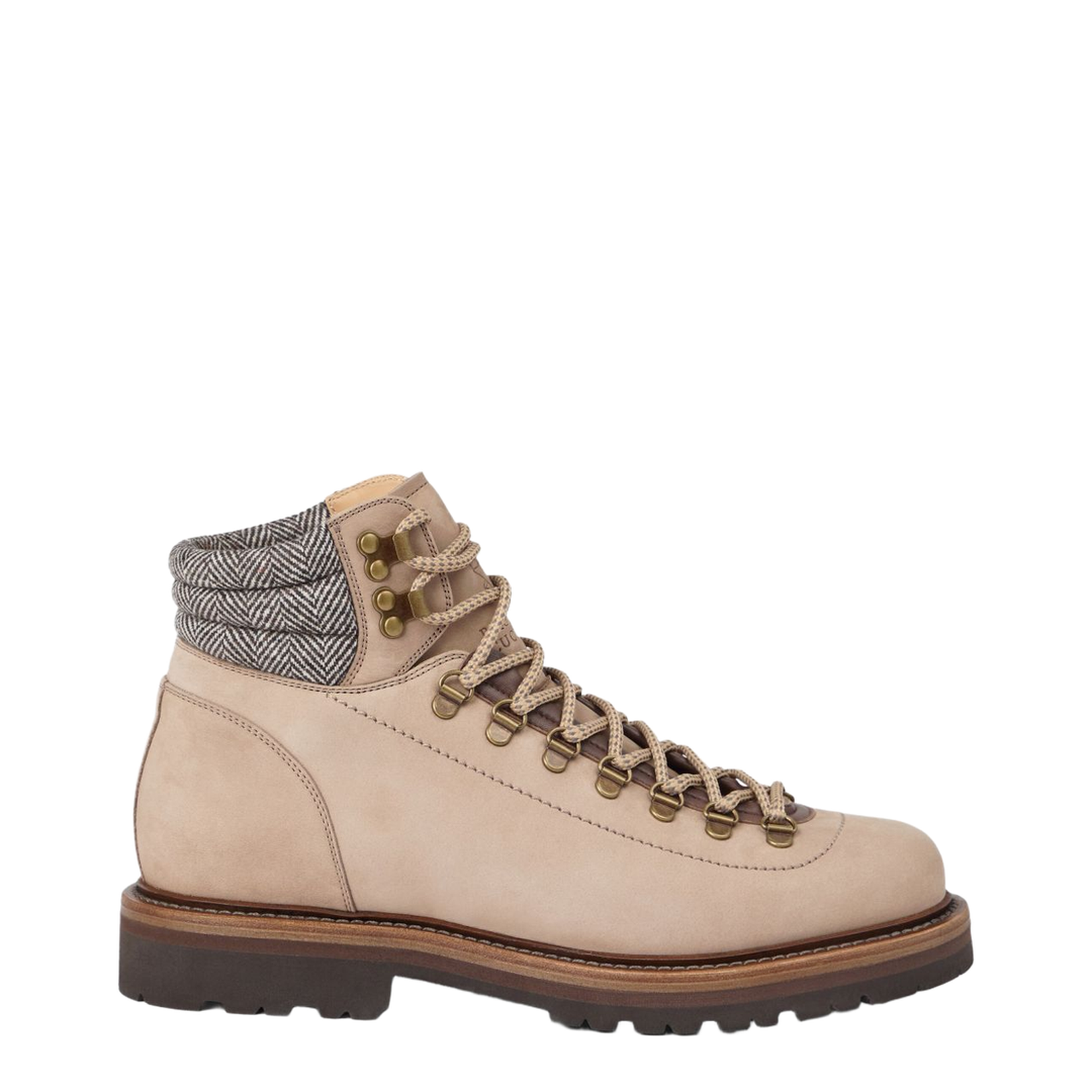
Lace up designs suit both casual and formal wear. Sneakers with laces are popular for everyday use. They give a relaxed, sporty look. On the other hand, lace up dress shoes bring elegance. They are perfect for offices and special events. Lace up boots work well in many settings. They add a rugged yet stylish touch. This versatility makes lace up a favorite in fashion.
Trends In Footwear
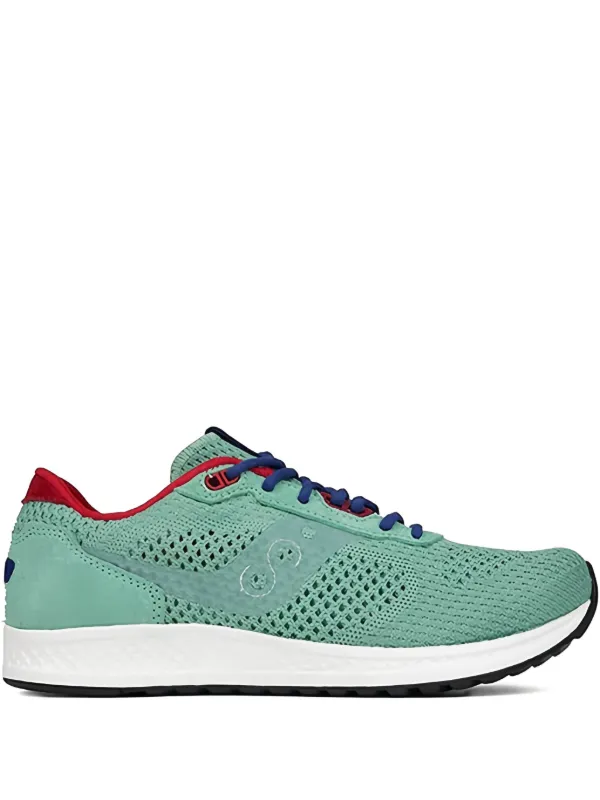
Lace up shoes continue to evolve with new trends. Chunky soles and bright laces create bold statements. Minimalist designs use thin laces for a sleek look. Many brands mix materials like leather and fabric. This adds texture and interest. Colored laces offer a fun way to customize shoes. Lace up boots remain popular for all seasons. They provide both style and support.
Lace Up In Clothing And Accessories
Beyond shoes, lace up appears in clothing and accessories. Dresses and tops often feature lace up details on backs or sleeves. This adds a delicate, feminine touch. Corsets and bodices use laces for shaping and style. Bags and belts sometimes include lace up elements too. These details create a unique, fashionable edge. Lace up fastening brings creativity and charm to many items.
Credit: mayfeyr.com
Functional Benefits
Lace up fastening offers practical benefits that improve shoe wear. It makes shoes fit better and feel more comfortable. The design also helps shoes last longer. These benefits explain why laces remain popular.
Adjustability And Fit
Laces allow precise tightening or loosening. This means shoes can fit many foot shapes. You control how tight or loose the shoe feels. This adjustability prevents blisters and discomfort. It suits people with wide or narrow feet alike.
Support And Comfort
Lace up fastening holds the foot firmly in place. It reduces slipping inside the shoe. This support helps during walking or running. Comfort improves because the foot stays stable. It can reduce foot pain and fatigue.
Durability And Maintenance
Laces are easy to replace if worn out. This extends the life of your shoes. Cleaning laces is simple and quick. They do not need special care. Durable laces keep shoes functional longer.
Styling Tips
Styling lace-up fastening can change the look of your shoes. Small changes in laces can make a big difference. Below are some tips to help you style lace-up shoes in fun and fresh ways.
Choosing The Right Laces
Pick laces that fit your shoe size and style. Thin laces suit dress shoes. Thick laces work well for boots and casual shoes. Bright colors add a pop to plain shoes. Neutral colors keep the look simple and clean. Material matters too. Cotton laces feel soft. Leather laces look classic and strong.
Creative Lacing Techniques
Try different lacing styles to stand out. Straight lacing gives a neat look. Criss-cross lacing is common and easy. Ladder lacing looks unique and stylish. Hidden knot lacing hides the ends inside. Experiment with patterns to match your mood or event. Change lacing often to refresh your shoes.
Matching Laces With Outfits
Match your lace colors to your outfit for harmony. Dark laces pair well with dark pants. Light laces look good with light-colored clothes. Use lace color to contrast for a bold style. Coordinate lace color with your belt or bag. Keep it simple if your outfit has many colors. This creates balance and style.
Diy And Customization
DIY and customization bring life to lace up fastening. They allow you to express your style and make your items unique. Small changes can change the whole look. It is easy to do and fun. You can start by changing laces or adding decorations. Personal touches make every lace up item special.
Replacing And Upgrading Laces
Old laces can be replaced quickly. Choose new laces in bright colors or different materials. Try leather, cotton, or elastic laces. Different laces change comfort and look. Upgrading to stronger laces can also improve durability. This small step refreshes shoes or clothing instantly.
Adding Decorative Elements
Decorations add charm to lace up items. Attach beads, charms, or ribbons to the laces. Use fabric paint or markers to draw on laces. These details make your items stand out. Simple decorations often catch more attention than plain laces. Creativity turns basic lace up fastening into art.
Personalizing Lace Up Items
Personal touches make lace up items one of a kind. Stitch your initials or favorite patterns near the eyelets. Mix and match lace colors for a unique style. Use different lacing techniques to create new looks. Each step reflects your personality and taste. Personalized items feel more special and fun to wear.
Common Issues And Fixes
Lace up fastening is simple but can have common problems. These issues may stop your shoes from fitting well or looking good. Fixes for these problems are easy and quick to do. Knowing these tips helps keep your shoes comfortable and long-lasting.
Dealing With Broken Laces
Broken laces are common and annoying. Replace them with new laces of the same length and type. Cut frayed ends and use clear nail polish to stop more fraying. Carry an extra pair of laces for quick changes.
Preventing Wear And Tear
Laces wear out over time from tight pulling and rubbing. Avoid pulling laces too hard. Use laces made from strong materials like nylon or polyester. Clean laces regularly by hand washing to keep them fresh and strong.
Troubleshooting Fit Problems
Loose or tight laces cause discomfort and poor fit. Adjust laces by tightening or loosening in small steps. Try different lacing patterns to improve fit. Use elastic or stretch laces for a snug but flexible feel.

Credit: shoesandsox.com.au
Frequently Asked Questions
What Is Lace Up Fastening Used For?
Lace up fastening secures shoes and garments tightly. It provides adjustable fit and support, enhancing comfort and style. Commonly used in shoes, corsets, and sportswear, it allows easy tightening and loosening as needed.
How Does Lace Up Fastening Work?
Lace up fastening works by threading a lace through eyelets or hooks. Pulling the lace tightens the material around the foot or body. This creates a customizable fit that can be adjusted for comfort and stability.
Why Choose Lace Up Fastening Over Other Types?
Lace up fastening offers superior adjustability compared to zippers or Velcro. It accommodates various foot shapes and sizes. This fastening style also adds a classic, stylish look to footwear and apparel.
Are Lace Up Fastenings Durable?
Yes, lace up fastenings are durable when made with quality laces and eyelets. They withstand repeated tightening and loosening. Proper care extends their lifespan, making them reliable for everyday use.
Conclusion
Lace up fastening offers a simple and effective way to secure shoes and clothes. It allows easy adjustment for comfort and fit. This type of fastening suits many styles and activities. It stays reliable through daily wear and movement. Understanding lace up fastening helps you choose the right option.
It combines practicality with a classic look. Try it for your footwear or garments to enjoy its benefits. Simple, strong, and versatile—lace up fastening remains popular worldwide.