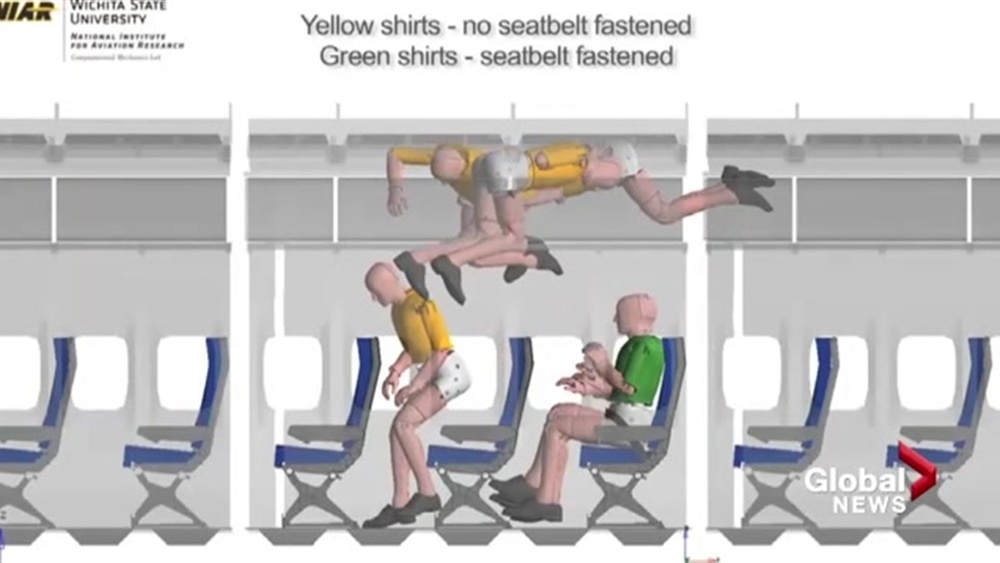
Have you ever wondered if there are times when you don’t need to keep your seatbelt fastened while traveling? You probably know that seatbelts are crucial for safety, but are there moments when they’re not required?
Understanding these exceptions can help you stay both comfortable and safe during your trip. Keep reading to discover exactly when you can relax without fastening your seatbelt—and why it’s important to know the rules before you do. This knowledge could change how you experience your next ride.
Seatbelt Laws And Regulations
Seatbelt laws vary worldwide and set rules for when passengers must buckle up. These laws protect people in cars but do not always require seatbelts in every situation. Understanding these rules helps passengers stay safe and avoid fines.
Variations Across Countries
Seatbelt rules differ from one country to another. Some countries require all passengers to wear seatbelts at all times. Others allow exceptions on short trips or in slow-moving traffic. Knowing local laws is important before traveling.
Age And Size Exemptions
Children often have special rules about seatbelts. Very young kids may use car seats or booster seats instead. Some laws exempt toddlers from seatbelt use if they are too small for regular belts. Always follow the rules for child safety.
Medical Exemptions
Certain health conditions may allow passengers to skip wearing seatbelts. Doctors must provide certificates for these cases. Examples include severe injuries or surgeries that make seatbelts unsafe. Keep medical documents handy when traveling.
Safety Considerations Without Seatbelts
Safety is the top priority when traveling in any vehicle. Seatbelts help protect passengers during sudden stops or accidents. Still, there are rare cases where seatbelts might not be needed. Understanding the safety concerns in these moments is important. It helps passengers stay aware and cautious.
Without seatbelts, the body has no support in a crash. This can lead to serious injuries. Knowing the risks and when the danger is lower helps passengers make better choices.
Risks Involved
Not wearing a seatbelt increases injury risk in crashes. Passengers can hit the dashboard or windows hard. The chance of being thrown from the seat rises sharply. Injuries to the head, chest, and limbs are common. Emergency stops can cause falls inside the vehicle. These risks make seatbelts essential for safety.
Situations With Lower Risk
Some moments have lower risk of injury without seatbelts. Very slow speeds or short distances inside private property are examples. On certain buses, passengers may stand safely if the vehicle is steady. Some aircraft allow seatbelt removal when the seatbelt sign is off. Even in these cases, staying alert and prepared is wise.
Special Cases For Not Wearing Seatbelts
Seatbelt laws are strict for safety reasons, but some special cases exist. In certain situations, passengers might not need to wear seatbelts. These exceptions depend on emergencies, vehicle designs, or cultural beliefs. Understanding these cases helps clarify when seatbelt rules may not apply.
Emergency Situations
In emergencies, wearing a seatbelt may not be possible. For example, if a passenger needs quick exit from the vehicle. Or during medical emergencies where restraint could cause harm. Emergency responders sometimes remove seatbelts to provide urgent care. Safety is the priority, but exceptions protect life and health.
Vehicle Types And Designs
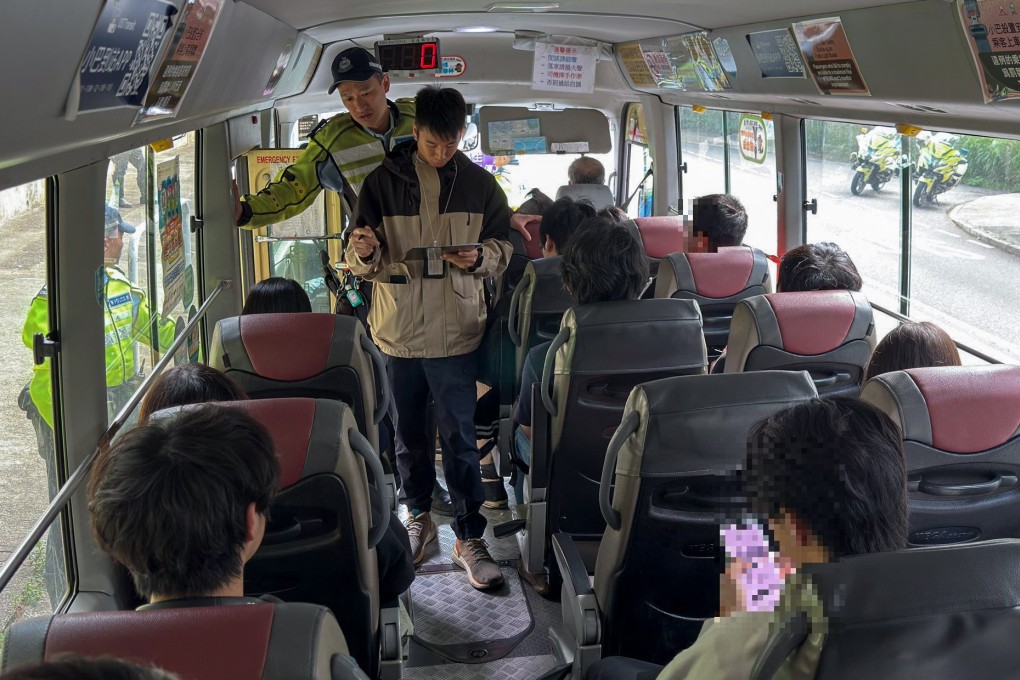
Some vehicles do not require seatbelts by law. Older cars and certain farm vehicles may lack seatbelt fittings. Also, buses and coaches often have different rules for seatbelt use. Design and function influence these exceptions. Passengers should follow the specific rules for each vehicle type.
Religious And Cultural Exceptions
Some passengers may be exempt due to religious or cultural reasons. Certain faiths view seatbelt use as conflicting with their beliefs. Lawmakers sometimes allow these exceptions to respect freedom of religion. Passengers should carry proper documentation when claiming this exemption.

Credit: www.reddit.com
Legal Consequences Of Not Wearing Seatbelts
Not wearing a seatbelt carries serious legal consequences. Laws require passengers to fasten seatbelts for safety. Breaking these laws can lead to trouble beyond just a warning. Understanding the legal risks helps passengers avoid fines and other penalties.
Fines And Penalties
Authorities often issue fines to passengers without seatbelts. The amount varies by location but can be costly. Repeat offenders may face higher fines or court appearances. Some areas add points to the driver’s license for unbuckled passengers. These penalties reflect the importance of seatbelt use.
Impact On Insurance Claims
Insurance companies check if seatbelts were worn during accidents. Not wearing one can reduce or deny claim payments. This means passengers may pay more out of pocket. Insurance firms see seatbelts as key to reducing injury risk. Wearing a seatbelt helps protect both safety and finances.
Alternatives To Seatbelt Use
Not every passenger must wear a seatbelt in all situations. Some alternatives keep passengers safe without a traditional seatbelt. These options suit different needs and ages. They also meet safety rules. Understanding these choices helps travelers stay secure and comfortable.
Child Safety Seats
Child safety seats protect young passengers better than seatbelts alone. These seats fit a child’s size and weight. They hold children firmly during travel. Many laws require children to use special seats. These seats reduce injury risks in crashes.
Harness Systems
Harness systems offer a strong hold for some passengers. They use straps across the shoulders and waist. These systems keep passengers steady and safe. Often found in buses, planes, and special vehicles. Harnesses prevent movement during sudden stops or turns.
Vehicle Safety Features
Modern vehicles have built-in safety features that support passenger protection. Airbags, automatic braking, and stability control work together. Some cars detect if a seatbelt is not fastened. They alert the driver or adjust safety settings. These features add extra layers of security.
Credit: www.scmp.com

Credit: www.amazon.com
Frequently Asked Questions
When Are Passengers Legally Allowed To Remove Seatbelts?
Passengers may remove seatbelts when the vehicle is parked or at a complete stop. Exceptions include emergencies or when instructed by the crew. Always follow local laws and airline or transportation company rules for seatbelt use.
Are Seatbelts Required During Taxi Or Slow-speed Travel?
Seatbelt laws vary by region, but many require seatbelt use even at low speeds or taxiing. Passengers should keep seatbelts fastened unless explicitly allowed to remove them for safety reasons or specific instructions.
When Can Passengers Remove Seatbelts On Airplanes?
Passengers can remove seatbelts only when the seatbelt sign is off and the aircraft is safely parked. During taxi, takeoff, and landing, seatbelts must remain fastened for safety.
Do Children Ever Get Exemptions From Seatbelt Rules?
Children typically must wear seatbelts or appropriate restraints. Exemptions exist only for medical reasons with proper documentation. Safety guidelines strongly recommend seatbelt use at all times.
Conclusion
Passengers usually need to fasten seatbelts for safety. Exceptions are rare and clearly stated by law. Some vehicles or situations allow not wearing them. Always check rules before traveling to avoid trouble. Safety should always be the top priority. Buckling up saves lives and prevents injuries.
Stay informed and follow local regulations carefully. Never take risks with your safety or others’. Seatbelts protect everyone on the road. Keep this in mind every time you ride.