Are you struggling to find a reliable way to secure your panels, doors, or equipment? Installing twist lock fasteners might be the simple solution you need.
These fasteners offer a strong hold while allowing quick access when necessary. In this guide, you’ll discover easy, step-by-step instructions to install twist lock fasteners like a pro. By the end, you’ll have the confidence to keep your projects safe and secure without hassle.
Ready to make your work stronger and smoother? Let’s dive in!
Tools And Materials Needed
Installing twist lock fasteners requires the right tools and materials. Using proper items makes the process smooth and efficient. It also ensures the fasteners hold securely and last longer.
Below are the key tools and materials needed. Knowing these helps you prepare well before starting the installation.
Types Of Twist Lock Fasteners
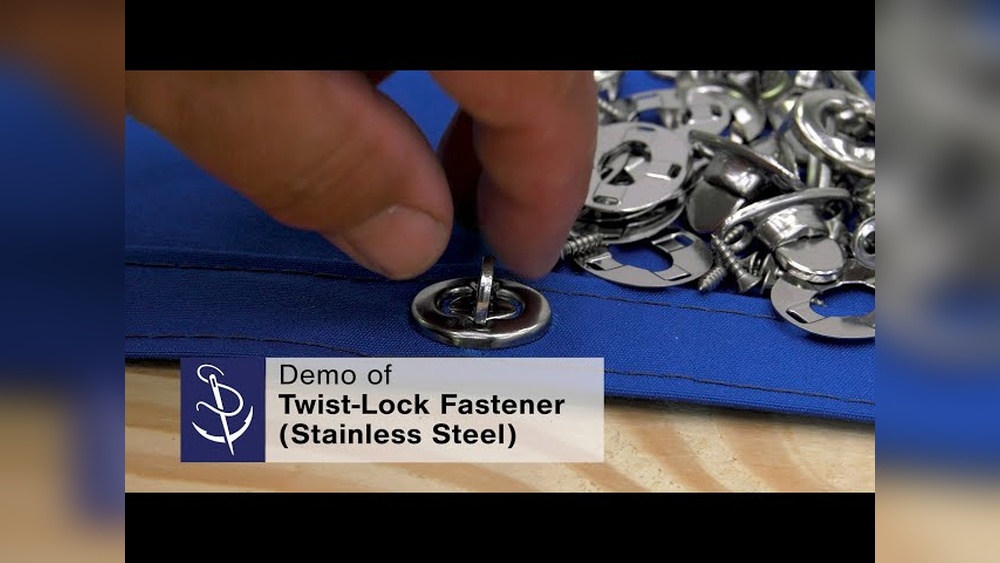
Twist lock fasteners come in several types. There are plastic, metal, and stainless steel options. Some fasteners have a simple twist mechanism. Others feature a locking tab for extra security. Choose the type based on your project’s needs and materials.
Essential Installation Tools
You need a drill with the right drill bits. A screwdriver or a nut driver is important for tightening. A measuring tape helps mark accurate spots. A pencil or marker is useful for marking holes. A hammer may be needed for some fastener types. Having these tools ready speeds up the work.
Safety Gear
Wear safety glasses to protect your eyes. Gloves keep your hands safe from sharp edges. Ear protection is important when using loud power tools. Work in a well-lit area to avoid mistakes. Safety gear keeps you safe and comfortable during installation.

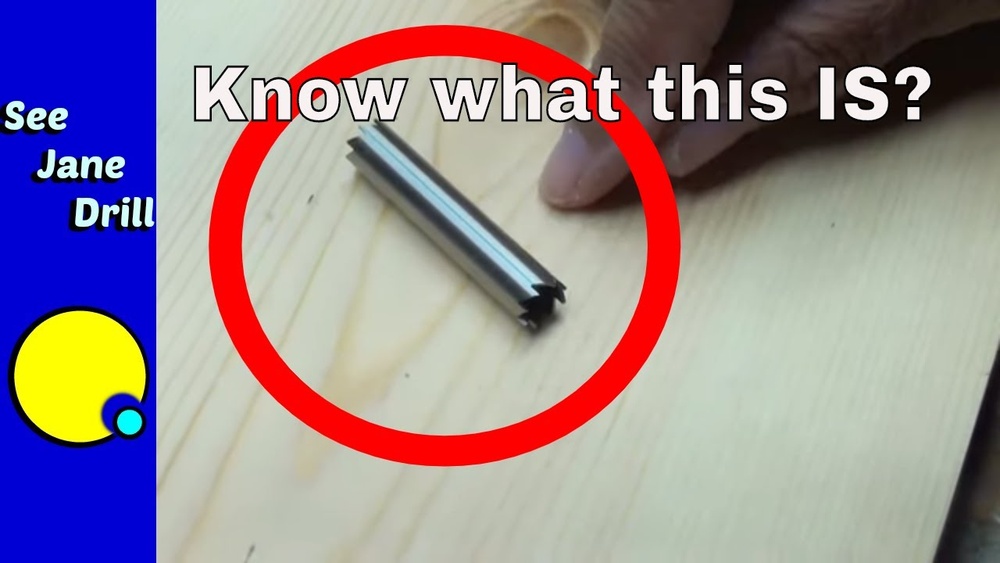
Credit: www.youtube.com
Preparing The Installation Area
Preparing the installation area is an important first step for installing twist lock fasteners. A clean and well-marked surface helps ensure a strong hold and proper alignment. Taking time to prepare the area reduces mistakes and makes the installation smoother.
Surface Cleaning
Start by cleaning the surface where the fasteners will go. Remove dirt, dust, and grease with a clean cloth and mild detergent. A clean surface helps the fastener stick better and prevents damage. Let the area dry completely before moving to the next step.
Marking Fastener Positions
Use a pencil or marker to mark exact spots for each fastener. Measure carefully to keep the marks straight and evenly spaced. Clear marks guide drilling and avoid errors. Double-check measurements before drilling any holes.
Drilling Pilot Holes
Drill small pilot holes at each marked spot. Use a drill bit slightly smaller than the fastener screws. Pilot holes make screwing easier and prevent the material from splitting. Drill slowly and keep the drill straight to maintain hole accuracy.
Installing The Twist Lock Fasteners
Installing twist lock fasteners is a straightforward process. It ensures a secure hold for your projects. Follow these simple steps for a proper fit and lasting connection.
Aligning Fastener Components
Start by placing the male and female parts close together. Make sure both parts face each other correctly. Align the holes on each piece carefully. This alignment helps the fastener lock smoothly.
Securing The Male Part
Insert the male part into the material first. Use screws or rivets to attach it firmly. Check that it sits flat and stable. Tighten the fastener without damaging the material.
Attaching The Female Part
Position the female part opposite the male side. Match the holes and secure it with screws or rivets. Ensure it aligns perfectly for easy locking. Test the connection by twisting to lock.
Testing The Locking Mechanism
Testing the locking mechanism is a key step after installing twist lock fasteners. This step ensures the fasteners work correctly and hold parts firmly. Proper testing avoids loose connections and potential damage.
Engaging And Disengaging
Start by pressing the two parts together. Turn the twist lock fastener to lock it in place. You should feel a slight resistance as it locks. To disengage, twist the fastener back and pull the parts apart. This process must be smooth and easy.
Ensuring Proper Fit
The fastener should hold the parts tightly without wobbling. Check if the parts align correctly when locked. The lock must not be too loose or too tight. A good fit means the fastener secures well and can release without force.
Adjusting If Needed
If the fastener feels loose, tighten it slightly. If it is too tight, loosen it a bit for easier use. Small adjustments improve the locking strength and ease of use. Repeat testing after each adjustment to confirm the fit is right.
Common Installation Issues
Installing twist lock fasteners can sometimes lead to common issues. These problems affect the strength and durability of the fastened parts. Identifying these issues early helps prevent damage and saves time.
Misalignment Problems
Misalignment occurs when fastener parts do not line up correctly. This can cause difficulty in locking or unlocking. Use a guide or mark the positions before installation. Ensure both parts fit snugly without forcing them.
Loose Fasteners
Loose fasteners reduce the hold and can cause parts to separate. This happens if the fastener is not tightened enough. Check the twist lock after installation. Tighten it securely but avoid over-tightening, which can damage the fastener.
Material Compatibility
Fasteners must suit the materials they join. Some materials may be too soft or too hard for twist locks. Test the fastener on a small piece first. Choose fasteners designed for the specific material type to avoid wear and tear.

Credit: www.sailrite.com
Maintenance Tips For Longevity
Maintaining twist lock fasteners is key to keeping them strong and reliable. Simple care steps help extend their life. Regular checks, cleaning, and lubrication keep fasteners working well. These maintenance tips save time and money by avoiding early replacements.
Regular Inspection
Check twist lock fasteners often for signs of damage. Look for cracks, rust, or wear on the locks and threads. Early spotting of problems stops bigger issues. Replace any fastener that looks weak or broken. This keeps your installation safe and secure.
Cleaning Fasteners
Dirt and debris can block the locking mechanism. Use a soft brush or cloth to clean fasteners regularly. Avoid harsh chemicals that can damage metal or plastic parts. Clean fasteners work smoothly and prevent jamming. Always dry them well after cleaning to stop rust.
Lubrication Practices
Apply light oil or lubricant to moving parts. This reduces friction and wear inside the lock. Use lubricants made for metal fasteners. Too much oil can attract dust, so use a small amount. Lubricated fasteners open and close easily and last longer.

Credit: www.sailrite.com
Frequently Asked Questions
What Tools Are Needed To Install Twist Lock Fasteners?
You need a drill, screwdriver, measuring tape, and twist lock fasteners. These tools ensure precise and secure installation. Always use the correct drill bit size for the fastener. Proper tools make installation easier and prevent damage.
How Do Twist Lock Fasteners Work?
Twist lock fasteners secure materials by twisting the fastener into a locked position. This mechanism prevents loosening due to vibration or movement. They provide a strong, reliable hold for panels and covers. Installation requires aligning and twisting the fastener correctly.
Can Twist Lock Fasteners Be Used Outdoors?
Yes, many twist lock fasteners are made from corrosion-resistant materials. They withstand weather conditions, making them ideal for outdoor use. Choose stainless steel or coated fasteners for better durability. Proper installation ensures long-lasting performance outside.
How To Remove Twist Lock Fasteners Safely?
To remove, twist the fastener counterclockwise gently while pulling it out. Avoid using excessive force to prevent damage. If stuck, use a flathead screwdriver to help release it. Proper removal preserves both the fastener and the material.
Conclusion
Installing twist lock fasteners is simple with clear steps. Start by gathering all needed tools. Mark the spots carefully for accurate placement. Drill holes as directed in the instructions. Insert and twist the fasteners firmly to lock them. Check each fastener to ensure it is secure.
This method saves time and offers strong hold. You can now use twist lock fasteners confidently in your projects. Practice a few times to gain comfort. Small effort leads to better results and lasting connections.