When torquing fasteners, it is critical to get it right the first time. If you don’t apply the correct amount of torque, you risk damaging your equipment or causing unsafe conditions.
You might think tightening a bolt is simple, but even small mistakes can lead to big problems. You’ll discover why precise torque matters and how it can save you time, money, and headaches. Keep reading to learn the key steps that ensure your fasteners hold strong and your projects stay safe.

Credit: www.enginelabs.com
Importance Of Accurate Torque
Applying the correct torque to fasteners is vital for safety and durability. Accurate torque ensures fasteners hold parts firmly without damage. It controls the tension in bolts and screws, preventing failure. Proper torque helps machines and structures work as designed.
Impact On Fastener Performance
Accurate torque keeps fasteners tight and secure. It prevents loosening from vibration or pressure. Proper tension distributes load evenly across threads. This avoids uneven wear and extends fastener life. Correct torque improves overall stability and function.
Consequences Of Over-torquing
Too much torque can stretch or break fasteners. Threads may strip or snap under excess force. Over-torquing can deform parts or cause cracks. It leads to costly repairs and downtime. Safety risks increase when fasteners fail unexpectedly.
Risks Of Under-torquing
Applying too little torque allows fasteners to loosen. Loose fasteners cause parts to shift or separate. This can lead to leaks, noise, or equipment damage. Under-torquing reduces the strength of the joint. It risks accidents and reduces product reliability.

Credit: www.hotrod.com
Factors Affecting Torque Precision
Torque precision is vital for fastening tasks. It ensures the right tightness and prevents damage or loosening. Several factors influence how accurately torque is applied. Understanding these helps achieve reliable and safe connections.
Fastener Material And Size
The type of material affects torque values. Harder materials resist deformation and need higher torque. Softer materials compress more easily, requiring less torque. Size also matters. Larger fasteners generally need more torque to tighten properly. Smaller fasteners require careful control to avoid over-tightening.
Lubrication Effects
Lubricants reduce friction between threads. This lowers the torque needed to tighten fasteners. Different lubricants change torque values differently. Wet or oily lubricants cause a bigger torque drop than dry ones. Always adjust torque settings based on lubrication to ensure accuracy.
Environmental Conditions
Temperature changes affect fastener behavior. Cold temperatures make materials shrink, impacting torque. Heat can soften materials, altering the required torque. Dust, dirt, and moisture can increase friction or cause corrosion. These factors affect how torque is applied and maintained.
Tools For Precise Torque Application
Applying the right torque to fasteners is essential for safety and performance. Using precise tools ensures bolts and nuts hold firmly without damage. The correct tool helps avoid over-tightening or under-tightening, both of which cause problems.
Different tools offer various levels of accuracy and ease of use. Choosing the right one depends on the job and the required precision. Understanding these tools helps achieve consistent and reliable torque application.
Torque Wrenches Types
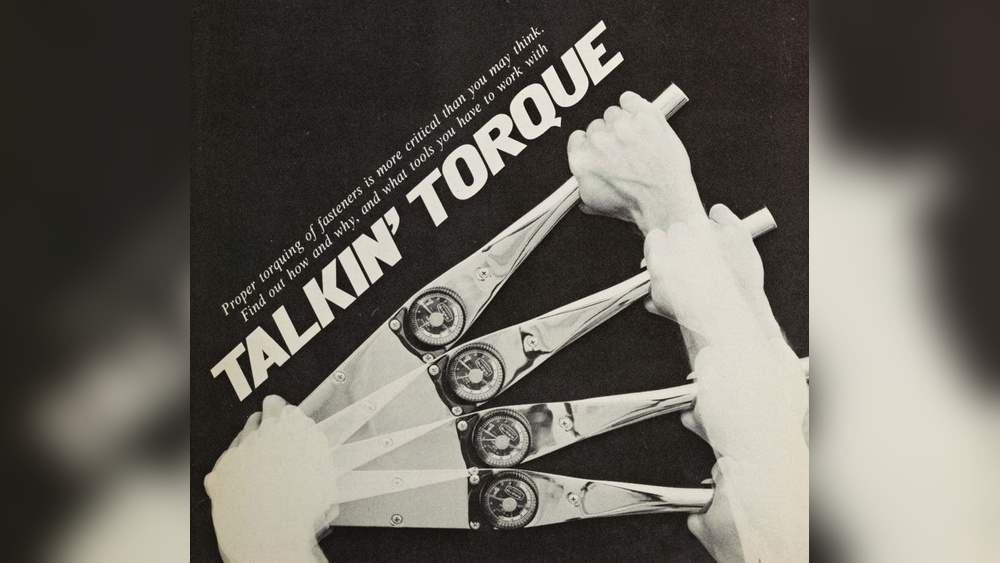
Torque wrenches come in several types. Click-type wrenches give a clear signal when the set torque is reached. Beam wrenches show torque on a scale but need careful reading. Dial wrenches have a gauge for precise measurement. Each type suits different tasks and budgets.
Calibration And Maintenance
Regular calibration keeps torque tools accurate. Calibration checks if the tool applies the correct torque. Maintenance includes cleaning and storing tools properly. Neglecting these steps leads to wrong torque and risks in assembly.
Digital Torque Tools
Digital torque tools provide exact readings on a screen. They are easy to read and reduce user error. Some models save data for quality control. Digital tools often offer higher precision than manual ones.

Credit: www.mudgefasteners.com
Safety Practices During Torquing
Safety is the top priority when torquing fasteners. Proper safety practices protect workers from injuries. Following these steps helps maintain a smooth and secure work process.
Proper Personal Protective Equipment
Wear safety glasses to protect your eyes from flying debris. Gloves provide grip and protect your hands from sharp edges. Steel-toed boots protect feet from heavy falling tools or parts. Use ear protection if noise levels are high. Always check your gear for damage before starting work.
Safe Work Environment Setup
Keep the work area clean and free of clutter. Good lighting helps you see clearly and avoid mistakes. Use barriers or signs to warn others about ongoing work. Ensure floors are dry to prevent slipping. Arrange tools and parts within easy reach to avoid stretching or bending.
Handling And Storage Of Tools
Use the right tool for the job to prevent damage and injury. Inspect tools regularly for wear or damage. Store tools in designated places to keep them organized. Avoid leaving tools on edges or walkways. Clean tools after use to maintain their condition and safety.
Techniques For Consistent Torque
Applying the right torque on fasteners is key to safety and performance. Consistent torque ensures parts hold together without damage. Using clear techniques helps avoid mistakes and saves time. These methods improve accuracy and protect equipment.
Below are three main techniques to keep torque consistent during fastening.
Step-torque Method
The step-torque method uses multiple tightening stages. Start with a low torque setting. Gradually increase torque in steps until the final value is reached. This reduces stress on parts. It also prevents fastener damage and uneven tension. Each step helps the fastener settle properly.
Use Of Torque Sequences
Torque sequences define the order to tighten fasteners. Follow the sequence to spread load evenly. This avoids warping or bending the parts. Common patterns include star or cross shapes. Using a correct sequence leads to uniform clamping force. It also reduces risks of leaks or failures.
Training And Skill Development
Proper training improves torque application skills. Workers learn to read torque tools correctly. They understand the importance of accuracy and sequence. Regular practice builds confidence and reduces errors. Skilled operators can spot issues early. Training ensures safe and reliable fastening every time.
Common Mistakes To Avoid
When torquing fasteners, avoiding common mistakes is key to safety and performance. Small errors can cause big problems, from loose parts to equipment failure. Understanding these mistakes helps ensure the job is done right every time.
Ignoring Manufacturer Specifications
Always follow the torque values set by the manufacturer. These numbers are tested for safety and strength. Using the wrong torque can damage the fastener or the parts. Never guess or use old numbers. Stick to the exact specifications for each fastener.
Skipping Calibration Checks
Torque tools must be checked regularly for accuracy. Tools that are out of calibration give wrong readings. This leads to over-tightening or under-tightening fasteners. Set a schedule to test and calibrate tools often. This keeps your work reliable and safe.
Improper Tool Use
Use the right tool for each fastener size and type. Avoid using worn or damaged tools. Applying torque unevenly or too fast can cause errors. Hold tools correctly and apply force smoothly. Proper tool use ensures fasteners are tightened correctly every time.
Frequently Asked Questions
Why Is Torque Accuracy Critical For Fasteners?
Torque accuracy ensures fasteners are tightened to the correct specification. This prevents over-tightening or under-tightening, which can cause joint failure or damage. Proper torque increases safety, reliability, and the lifespan of mechanical assemblies.
How Does Improper Torquing Affect Fastener Performance?
Improper torquing can lead to fastener loosening, breakage, or uneven load distribution. This compromises structural integrity and can cause equipment malfunction or accidents. Correct torque application maintains joint stability and functionality.
What Tools Are Best For Torquing Fasteners Correctly?
Torque wrenches, including click-type and digital models, provide precise torque control. These tools help apply the exact torque specified by manufacturers, ensuring consistent and safe fastener tightening.
When Should Fasteners Be Re-torqued After Installation?
Fasteners often require re-torquing after initial installation due to material settling or thermal expansion. Check manufacturer guidelines, but typically re-torque within the first few hours or after initial use for safety.
Conclusion
Proper torque keeps fasteners tight and safe. It stops parts from coming loose or breaking. Using the right tools helps you apply the correct force. Always follow the recommended torque values for each fastener. This protects machines and improves performance.
Remember, careful torquing saves time and money. It prevents accidents and repairs later. Small steps make a big difference in fastening work. Trust the process. Get it right every time.