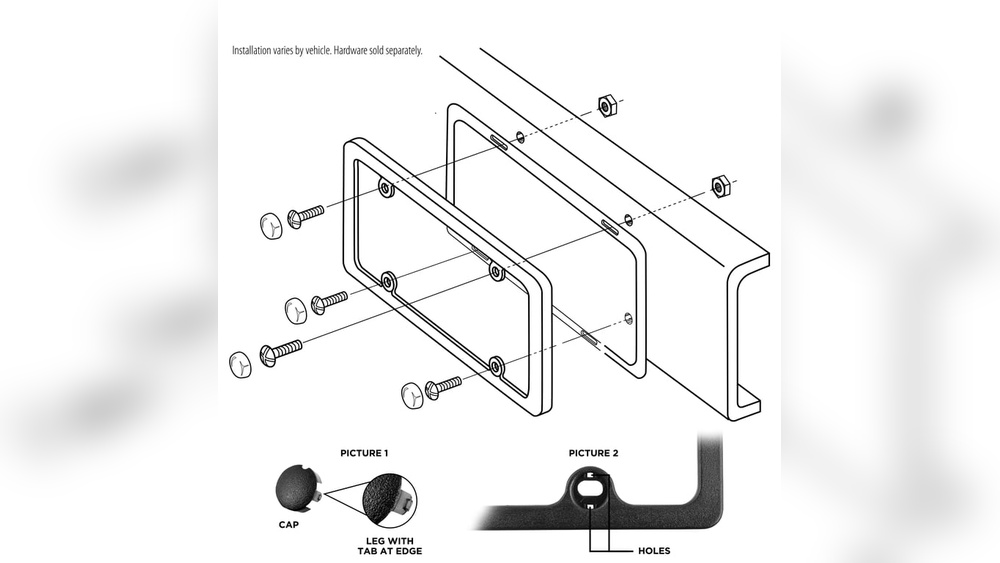
Are you tired of struggling with loose or missing license plate screws? Installing Auto Drive license plate fasteners can solve that problem quickly and securely.
In this guide, you’ll learn simple steps to get your license plate fastened firmly, without any hassle. By the end, you’ll have the confidence to do it yourself, saving time and avoiding costly trips to the mechanic. Ready to make your car look neat and stay safe on the road?
Let’s dive in and get those fasteners installed right now!
Tools Needed
Before installing Auto Drive license plate fasteners, gather the right tools. Using the correct tools makes the job easier and faster. It also helps avoid damage to your vehicle or fasteners.
Most tools needed are common and easy to find. You can use household tools or buy inexpensive ones at local stores.
Phillips Head Screwdriver
A Phillips head screwdriver is essential for tightening screws. It fits most license plate fasteners perfectly. Choose one with a comfortable handle for better grip.
Flat Head Screwdriver
Some fasteners may require a flat head screwdriver. This tool helps in prying or adjusting parts carefully. Keep it handy for any unexpected needs.
Socket Wrench Set
A socket wrench set works well for bolts and nuts. It provides more torque than a screwdriver. Use the correct socket size to avoid stripping the fastener.
Measuring Tape
A measuring tape ensures precise alignment of your license plate. Measure twice to place the plate evenly. This tool helps achieve a professional look.
Protective Gloves
Wear protective gloves to keep your hands safe. Gloves prevent cuts and scratches during installation. They also improve grip on tools and fasteners.

Credit: www.wikihow.com
Choosing The Right Fasteners
Choosing the right fasteners for your auto drive license plate is key. The correct fasteners keep the plate secure and prevent damage. Picking wrong fasteners can cause the plate to fall off or scratch your car.
Several types of fasteners exist. Each type works best for certain materials and conditions. Knowing what fits your car and license plate helps a lot.
Types Of License Plate Fasteners
Screws are the most common fasteners. They come in different sizes and finishes. Plastic fasteners are light and easy to use but less durable. Metal bolts offer strong hold but need tools to install. Choose based on how strong and permanent you want the hold.
Material Compatibility
Fasteners must match your car’s bumper material. Metal fasteners suit metal bumpers best. Plastic fasteners work well on plastic surfaces. Wrong material can cause rust or damage. Always check what material your car’s plate area is made of.
Weather Resistance
Fasteners face rain, sun, and cold. Pick rust-proof or coated fasteners for outdoor use. Stainless steel fasteners resist rust well. Plastic ones may wear out faster under sun. Weather-proof fasteners last longer and look better.
Size And Fit
Fasteners come in many sizes. Choose one that fits your license plate holes perfectly. Too small, and it won’t hold. Too big can crack the plate or car. Measure carefully before buying fasteners.
Preparing The License Plate
Start by cleaning the license plate and the car’s mounting area. Make sure all parts are dry and free of dirt. Check that the fasteners fit well before beginning installation.
Clean The License Plate
Start by cleaning the license plate surface. Use soap and water to remove dirt and grime. Dry it completely with a soft cloth. This helps the fasteners stick better and prevents rust.
Check For Damage
Look closely at the license plate for cracks or bends. Fix small bends by gently straightening the plate. Replace the plate if it is severely damaged. A strong plate holds the fasteners securely.
Align The Holes
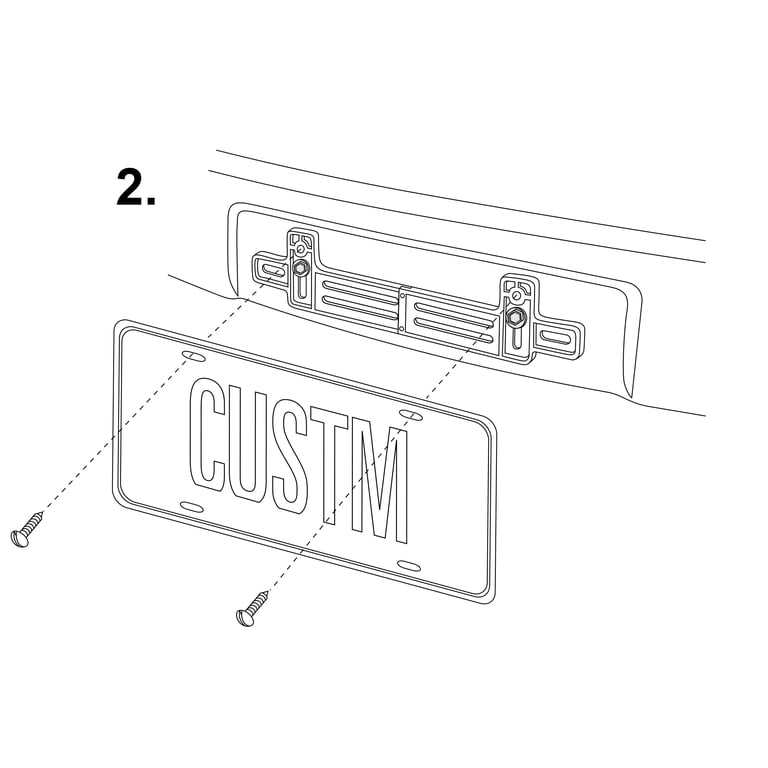
Place the license plate on the mounting area. Check if the holes line up with the car’s screw holes. Adjust the plate so all holes match perfectly. Proper alignment makes installation easier and faster.
Gather Necessary Tools
Prepare a screwdriver that fits the screws. Have the Auto Drive license plate fasteners ready. Keep a cloth nearby to wipe any dirt during installation. Being ready saves time and avoids frustration.
Credit: www.walmart.com
Removing Old Fasteners
Removing old fasteners is the first step in installing Auto Drive license plate fasteners. This step makes sure the new fasteners fit well and hold the plate securely. Old fasteners can be rusty or stuck, so careful removal is needed to avoid damage to the plate or vehicle.
Take your time and prepare the right tools. This helps the process go smoothly and keeps everything safe.
Gather The Right Tools
Use a screwdriver or wrench that matches the old fasteners. A flathead or Phillips screwdriver often works. A socket wrench helps with bolts. Have pliers ready for stuck fasteners. These tools make removal easier and faster.
Loosen Stuck Fasteners
Apply a little penetrating oil on rusty fasteners. Let it sit for a few minutes. This softens rust and dirt. Gently tap the fasteners with a hammer to break rust bonds. Then try turning the fastener slowly. Avoid forcing it hard to prevent damage.
Remove The Old Fasteners
Turn the screwdriver or wrench counterclockwise to unscrew. Hold the license plate to keep it steady. Pull out the fasteners carefully once loose. Keep the old fasteners aside in case you need them later. Check the license plate for any leftover debris.
Aligning The License Plate
Aligning the license plate is an important step in installing auto drive license plate fasteners. It ensures the plate sits straight and looks neat on your vehicle. Proper alignment also helps the fasteners hold the plate securely. Take your time to get this right. It makes the whole installation easier and the final look better.
Check The Mounting Holes On Your Vehicle
First, look at the holes on your car’s bumper or license plate frame. These holes guide where the plate will fit. Make sure they match the holes on your license plate. If they do not line up, adjust the plate before fixing the fasteners.
Position The License Plate Correctly
Hold the license plate against the mounting area. Make sure it is level and centered. You can use a small level or a straight edge to check. Align the plate so it looks balanced from all sides. This helps avoid a crooked or tilted plate.
Mark The Fastener Spots
Once the plate is in place, mark where the fasteners will go. Use a pencil or a small piece of tape. Marking helps you insert the fasteners accurately. It prevents mistakes and saves time during installation.
Installing Auto Drive Fasteners
Installing Auto Drive fasteners is a simple task that anyone can do. These fasteners hold your license plate firmly in place. Proper installation stops the plate from wobbling or falling off during travel.
This section explains three easy methods to secure your license plate fasteners. Follow these steps carefully for a strong, lasting fit.
Hand Tightening Technique
Start by placing the fastener through the license plate hole. Turn the fastener clockwise using your fingers. Tighten until you feel resistance. Avoid over-tightening to prevent damage to the plate or fastener.
Using A Screwdriver
For a firmer grip, use a screwdriver suited for the fastener type. Insert the screwdriver head into the fastener slot. Turn the screwdriver slowly clockwise. Stop when the fastener feels snug. Do not force it, as this can strip the screw.
Ensuring Secure Fit
After tightening, check the license plate by gently shaking it. The plate should not move or rattle. If it does, tighten the fasteners a little more. Confirm all fasteners match in tightness for balance and safety.
Checking For Stability
Checking for stability is a key step after installing auto drive license plate fasteners. It ensures your license plate stays in place while driving. A stable fastener prevents rattling and loss of the plate.
Check stability by gently shaking the license plate. It should not move or wiggle. If it moves, the fasteners are not tight enough or not installed properly.
Testing Tightness Of Fasteners
Use your hand or a screwdriver to check the fastener tightness. Turn the fastener clockwise until it feels snug. Avoid overtightening to prevent damage to the plate or car surface.
Inspecting Plate Movement
Push the license plate from different sides. There should be no wiggle or shift. If the plate moves, adjust the fasteners and test again.
Ensuring Proper Alignment
Look closely at the plate edges. They must sit flush against the mounting surface. Misalignment can cause instability and noise during driving.

Credit: all-u-re.com
Tips For Maintenance
Maintaining auto drive license plate fasteners helps keep them secure and looking new. Regular care stops rust and loosening over time. Simple steps extend the life of your fasteners and save money on replacements.
Cleaning The Fasteners Regularly
Use a soft cloth and mild soap to clean fasteners. Avoid harsh chemicals that can damage metal or plastic parts. Clean fasteners every few weeks to remove dirt and grime.
Checking For Tightness
Fasteners may loosen due to road vibrations. Check the screws or bolts every month. Tighten them gently with the right tool to avoid stripping.
Protecting Against Rust
Apply a thin layer of anti-rust spray or oil. This protects metal fasteners from moisture damage. Do this especially after rain or car washes.
Replacing Damaged Fasteners
Look for cracks or worn parts on fasteners. Replace any damaged fasteners quickly to prevent plate loss. Keep spare fasteners in your car for emergencies.
Frequently Asked Questions
What Tools Are Needed For Installing License Plate Fasteners?
You need a screwdriver, the Auto Drive fasteners, and the license plate. A drill may be required for new holes. Ensure you have all tools before starting installation for a smooth process.
How Long Does It Take To Install License Plate Fasteners?
Installation typically takes about 10 to 15 minutes. It depends on your experience and whether holes need drilling. The process is quick and straightforward with Auto Drive fasteners.
Can Auto Drive Fasteners Fit All License Plate Types?
Yes, they are designed to fit most standard license plates. They provide a secure and universal fit. Check your plate size to ensure compatibility before purchase.
Are Auto Drive License Plate Fasteners Reusable?
Yes, these fasteners can be removed and reused multiple times. This feature allows easy removal and reinstallation without damage. They are durable and designed for repeated use.
Conclusion
Installing Auto Drive license plate fasteners is quick and simple. Follow the steps carefully to avoid mistakes. Use the right tools to make the job easier. Tighten the fasteners firmly, but do not overdo it. Check your work to ensure the plate is secure and straight.
This small task helps protect your license plate from falling off. Save time and effort by doing it yourself. Enjoy a neat and safe plate on your vehicle.