Are you stuck with drywall fasteners that won’t budge? Removing them might seem tricky, but it doesn’t have to be.
Whether you’re fixing a wall or preparing for a fresh coat of paint, getting those fasteners out quickly and cleanly is key to saving time and avoiding damage. In this guide, you’ll discover simple, effective methods to remove drywall fasteners fast—no fuss, no frustration.
Keep reading, and you’ll be ready to tackle your project with confidence and ease.
Tools Needed
Removing drywall fasteners requires the right tools for a smooth job. Using proper tools saves time and prevents damage to walls. It helps keep your workspace clean and safe.
Common Fastener Types
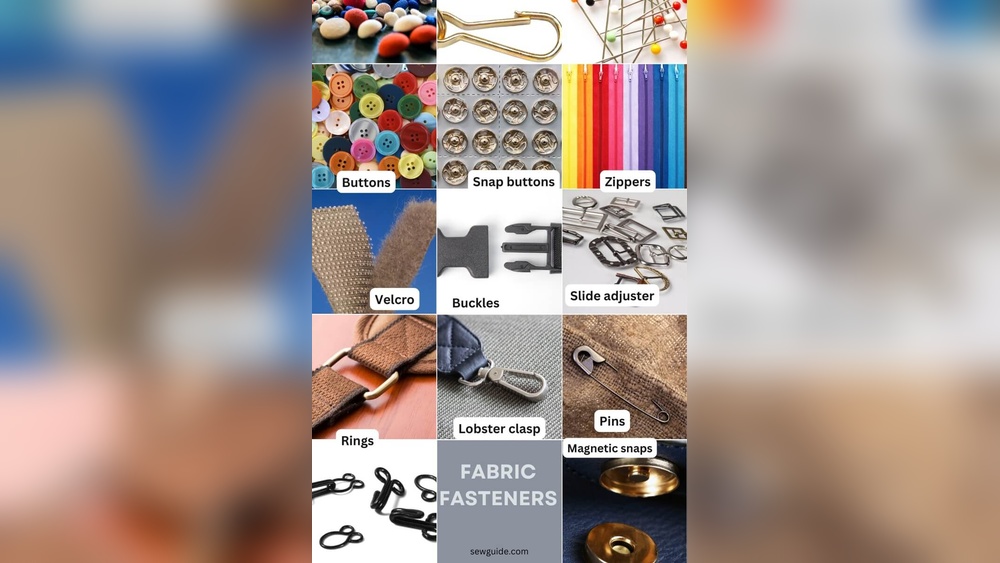
Drywall fasteners come in different styles. The most common types are screws and nails. Screws have a threaded shaft and hold tightly. Nails are smooth and easier to remove. Some fasteners have a bugle head for better grip. Knowing the type helps pick the right tool. Some walls use specialty anchors or clips. These need specific tools or methods to remove.
Essential Removal Tools
A screwdriver or drill with a bit fits screws well. Use a Phillips or flathead bit depending on screw type. For nails, a claw hammer or pry bar works best. Pliers help grip and pull stubborn fasteners. A putty knife can protect the drywall surface. Sometimes, a utility knife scores around the fastener. This prevents drywall from tearing during removal. Using these tools together speeds up the process.
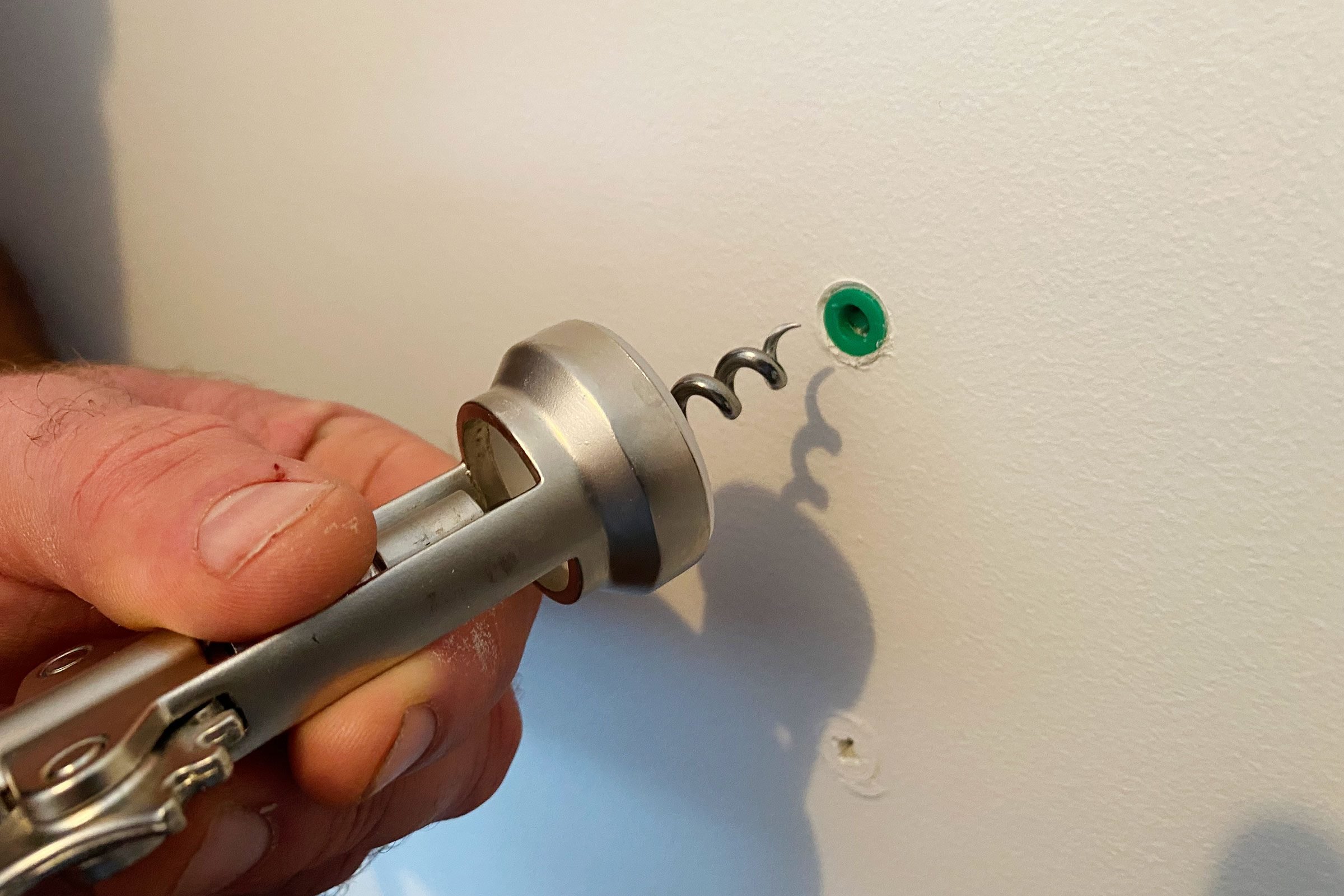
Credit: www.familyhandyman.com
Preparing The Area
Preparing the area is a key step before removing drywall fasteners. It helps keep the work safe and clean. Taking time to prepare makes the job easier and protects your home from damage.
Clearing The Work Space
Remove furniture and items near the wall. Clear the floor to avoid tripping hazards. A tidy space lets you move freely and work quickly. It also keeps tools within reach and prevents accidents.
Protecting Surrounding Surfaces
Cover floors with drop cloths or plastic sheets. Tape edges to keep dust and debris off. Protect furniture and fixtures with old sheets or cardboard. This step saves time on cleanup and prevents scratches or stains.
Removing Nails
Removing nails from drywall fasteners is a common task in many home projects. Nails hold drywall in place, but they need careful removal to avoid damage. Using the right tools makes the job faster and cleaner. Below are two simple methods to remove nails effectively.
Using A Pry Bar
A pry bar works well for pulling nails out of drywall. Place the curved end under the nail head gently. Push the handle down slowly to lift the nail. Use small, steady movements to avoid tearing the drywall paper. If the nail is deep, try rocking the pry bar side to side. This helps loosen the nail without breaking the wall.
Leveraging Pliers
Pliers are another good tool for nail removal. Grip the nail head firmly with the pliers. Pull straight out with steady force. Avoid twisting, which can damage the drywall. Needle-nose pliers work best for small nails in tight spots. For stubborn nails, wiggle them slightly while pulling to ease removal.
Removing Screws
Removing screws from drywall is a key step in many home projects. It requires care to avoid damage to the wall. Using the right tools makes the job faster and easier. Below are simple ways to remove drywall screws safely.
Manual Screwdriver Techniques
Choose a screwdriver that fits the screw head tightly. This stops the screwdriver from slipping out. Turn the screwdriver counterclockwise to loosen the screw. Apply steady pressure to keep the screwdriver in place. Use your body weight to add strength if the screw is tight. For stubborn screws, try rocking the screwdriver gently side to side. Avoid forcing the screw as it may strip the head. Remove screws slowly to keep the drywall intact.
Power Drill Tips
Use a drill with a screwdriver bit matching the screw head. Set the drill to low speed for better control. Hold the drill straight to prevent damaging the drywall. Start by loosening the screw slowly. Increase speed slightly if the screw moves easily. Stop drilling as soon as the screw is free. If the screw is stuck, reverse the drill briefly to loosen it. Power drills save time but require steady hands.
Dealing With Stubborn Fasteners
Removing drywall fasteners can be simple. But some fasteners hold tight. These stubborn fasteners need special care. Using the right methods saves time and effort. Two useful techniques are applying lubricants and using heat. Both help loosen stuck fasteners quickly.
Applying Lubricants
Lubricants reduce friction and make fasteners easier to pull out. Use a penetrating oil or spray designed for metal parts. Apply a small amount directly on the fastener. Let it sit for 10 to 15 minutes. The oil seeps into the threads and loosens rust or paint. Wipe away any extra oil before trying to remove the fastener again. This method works well on rusty or painted fasteners.
Using Heat
Heat expands metal, helping to break the bond between fastener and drywall. Use a heat gun or a hairdryer on high setting. Hold it close to the fastener for about 30 seconds. The heat softens paint or glue around the fastener. This makes it easier to twist or pull out. Be careful not to burn the drywall. Work slowly and check the temperature often.
Preventing Drywall Damage
Removing drywall fasteners can cause damage if done carelessly. Preventing this damage keeps walls smooth and saves time on repairs. Using the right methods helps keep drywall intact and reduces extra work.
Gentle Removal Methods
Start by loosening fasteners slowly. Use a screwdriver or pliers with steady pressure. Avoid pulling hard or twisting quickly. Work around the fastener to ease it out. This approach stops large holes or cracks from forming. Use a putty knife to help lift stubborn fasteners gently.
Repairing Small Holes
Small holes from fasteners are easy to fix. Clean the area with a damp cloth. Apply a small amount of spackle or drywall compound. Smooth it with a putty knife and let it dry. Sand the spot lightly for a flat finish. Paint over the repair to match the wall color.
Cleanup And Disposal
Cleaning up after removing drywall fasteners is important for safety and efficiency. Proper disposal keeps your workspace tidy and prevents injury. Collecting and disposing of old fasteners correctly helps protect the environment and your tools.
Collecting Removed Fasteners
Gather all fasteners in one container. Use a bucket or a sturdy box. Check the floor and walls carefully for missed pieces. A magnet tool can help find small metal fasteners. Keep fasteners away from children and pets to avoid accidents.
Safe Waste Disposal
Dispose of fasteners according to local rules. Some areas require metal recycling. Others allow regular trash for small amounts. Avoid throwing sharp fasteners loosely in trash bags. Wrap them in paper or place in a sealed container. This prevents injury to waste workers and animals.
:max_bytes(150000):strip_icc()/how-to-remove-drywall-anchors-7562285-02-c01abbfe63374ad3a7bc1e52d0c15bb2.JPG)
Credit: www.thespruce.com
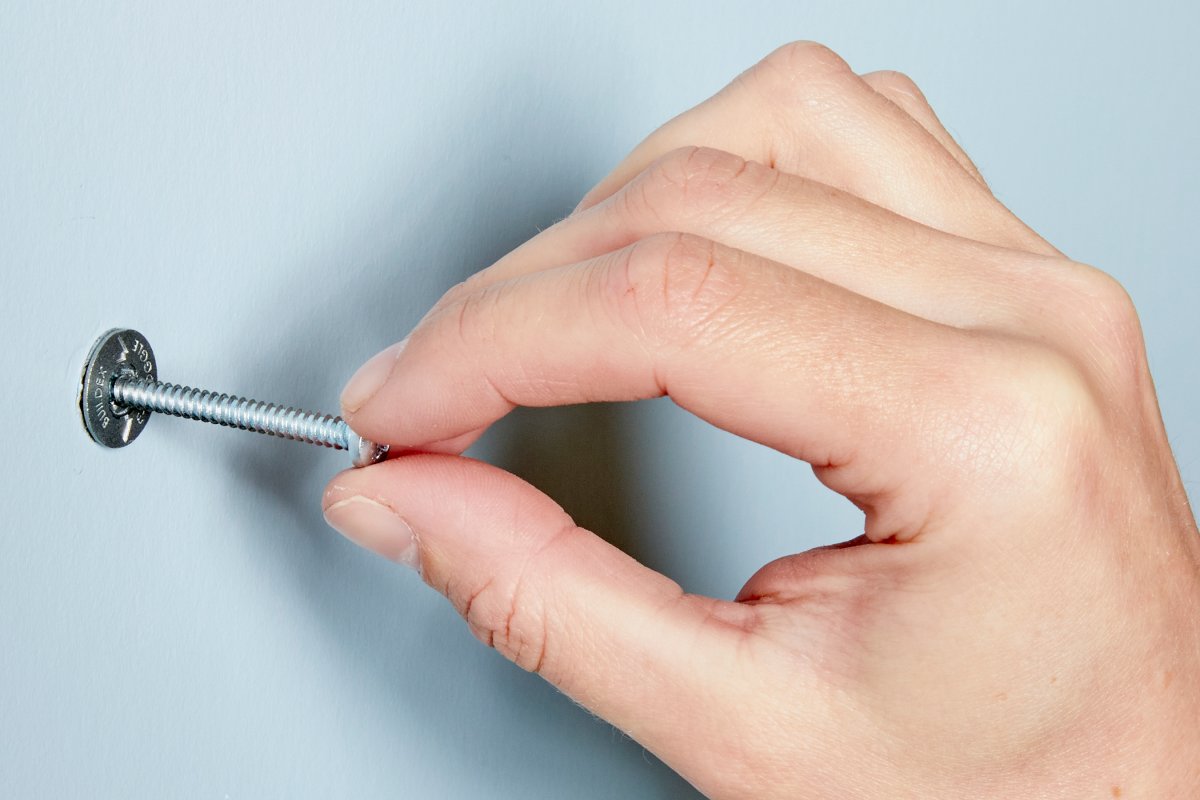
Credit: www.bobvila.com
Frequently Asked Questions
What Tools Are Best For Removing Drywall Fasteners?
Use a pry bar, pliers, or a screwdriver to remove drywall fasteners. These tools help grip and pull out fasteners without damaging the drywall surface.
How Do I Avoid Drywall Damage When Removing Fasteners?
Remove fasteners slowly and gently. Use proper tools and avoid forcing them out. This prevents holes and keeps the drywall intact for repairs.
Can I Reuse Drywall Fasteners After Removal?
Generally, drywall fasteners are not reusable. They often get bent or damaged during removal. It’s best to replace them with new fasteners for a secure hold.
How To Remove Stubborn Drywall Screws Or Nails Quickly?
Use a drill with a screwdriver bit for screws or pliers for nails. Apply steady pressure and wiggle if needed to loosen stubborn fasteners efficiently.
Conclusion
Removing drywall fasteners takes patience and the right tools. Use a screwdriver or pry bar carefully. Avoid damaging the wall surface during removal. Take your time to work gently and steadily. Clean the area once fasteners are out. This helps prepare for new drywall or repairs.
With practice, the process becomes easier and faster. Keep safety in mind and wear gloves or goggles. Now, you can handle drywall fasteners confidently and smoothly.