Are you tired of struggling to hang pictures, shelves, or decorations on your plaster walls, only to see them fall down? You’re not alone.
Plaster walls can be tricky to work with because they’re different from drywall. But don’t worry—anchoring to plaster walls is easier than you think once you know the right steps. You’ll discover simple, reliable methods to securely anchor your items and keep them in place.
Keep reading, and you’ll gain the confidence to tackle your next project without fear of damage or failure.
Credit: www.ashanging.com
Types Of Plaster Walls
Plaster walls vary by type and structure. Understanding the kind of plaster wall helps to anchor properly. Different walls need different anchors for strength and safety.
Lath And Plaster
Lath and plaster is an older wall type. It has wooden strips called laths under a thick plaster coat. The plaster sticks to the laths, making a strong surface.
This wall is sturdy but can crack with heavy loads. Anchors must grab the lath or the wall behind it. Use special anchors made for this type.
Drywall With Plaster Coating
This wall has drywall as a base with a thin plaster layer on top. It looks like plaster but feels lighter and less solid. The drywall gives the main support.
Anchors should work with drywall strength and the plaster’s thin surface. Plastic or metal drywall anchors work well here. Avoid heavy anchors that can break the plaster.
Credit: www.youtube.com
Choosing The Right Anchor
Choosing the right anchor is key for strong support on plaster walls. The wrong anchor can cause damage or fail to hold your item. Different anchors suit different weights and wall conditions. Understand the options to pick the best fit for your project.
Plastic Expansion Anchors
Plastic expansion anchors are simple and common. They work well for light loads like small pictures or clocks. Insert the anchor into a drilled hole, then screw in. The anchor expands, gripping the plaster securely. Best for walls without heavy weight.
Molly Bolts
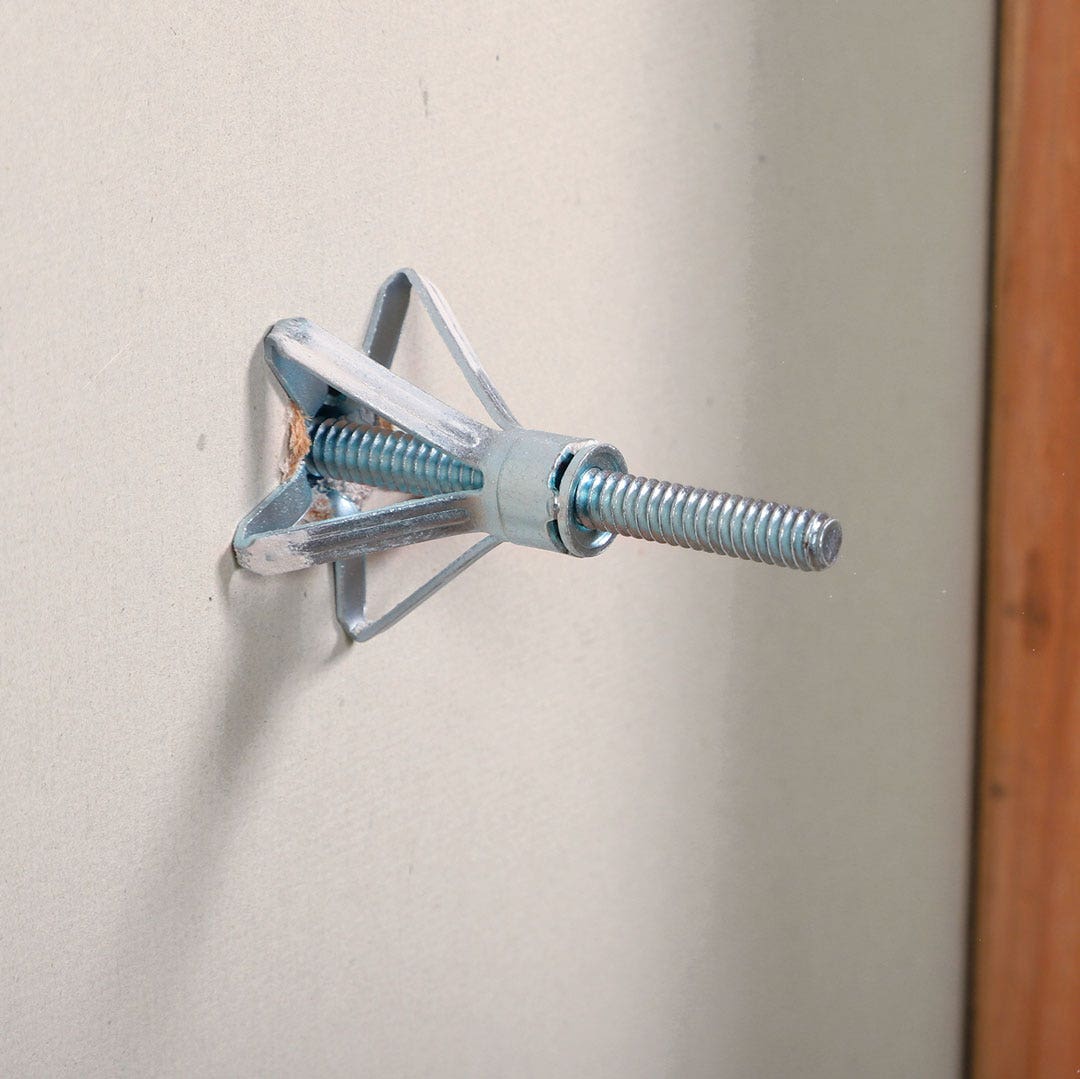
Molly bolts provide strong support for medium-weight items. They have metal sleeves that expand behind the wall. This expansion holds the anchor firmly in place. Ideal for hanging shelves, mirrors, or curtain rods on plaster walls.
Toggle Bolts
Toggle bolts are perfect for heavy items. They have spring-loaded wings that open behind the wall. The wide spread distributes weight evenly across the plaster. Use toggle bolts for large mirrors, cabinets, or heavy frames.
Self-drilling Anchors
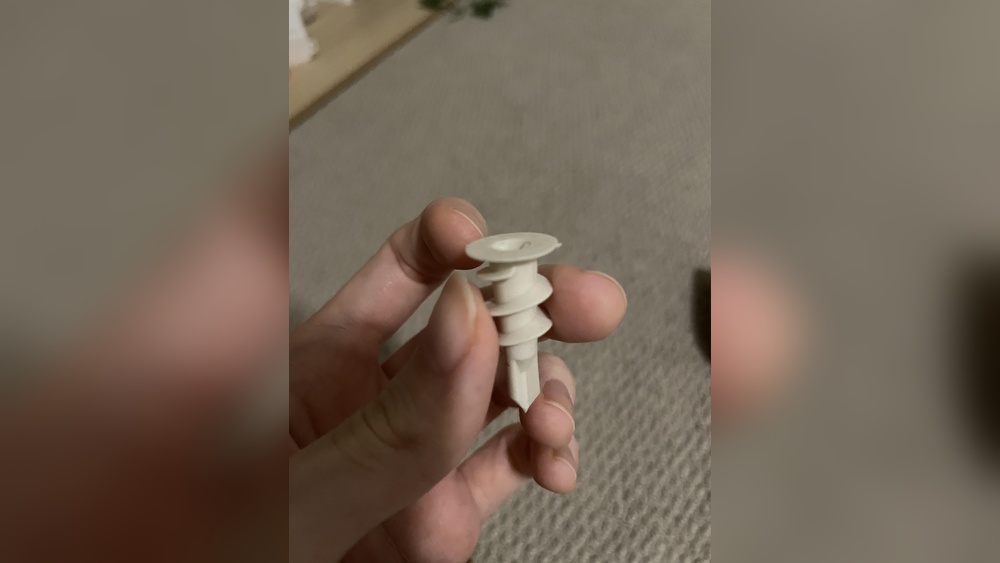
Self-drilling anchors screw directly into plaster without pre-drilling. They save time and work well for light to medium loads. These anchors create a strong hold by cutting threads in the plaster. Good for quick installations with moderate weight.
Tools Needed For Anchoring
Anchoring to plaster walls requires specific tools for a strong hold. Using the right tools makes the job easier and safer. Prepare these essential tools before you start the work.
Drill And Drill Bits
A drill is vital to make holes in plaster walls. Choose drill bits that match the anchor size. Use a masonry bit for plaster to avoid cracks. A steady hand keeps holes clean and precise.
Screwdrivers
Screwdrivers help insert screws into the anchors. Select a screwdriver that fits the screw head well. Use a manual or electric screwdriver for better control. Tighten screws gently to avoid wall damage.
Stud Finder
A stud finder locates wooden studs behind plaster walls. Anchoring near studs gives extra strength. Use the stud finder to scan the wall slowly. Mark stud locations clearly before drilling.
Level
A level ensures anchors and screws are straight. Hold the level on the wall to check alignment. Straight anchors keep shelves and fixtures balanced. This tool improves both function and appearance.
Preparing The Wall Surface
Preparing the wall surface is the first step to anchor to plaster walls safely and securely. It helps to avoid damage and ensures strong support. Taking time for this preparation makes the whole project easier and more reliable.
Locating Studs
Studs are wooden or metal supports behind plaster walls. Anchoring into studs provides the strongest hold. Use a stud finder to locate them. Move the finder slowly across the wall. Mark the spots where it detects a stud. Studs usually appear every 16 to 24 inches.
Marking Anchor Points
Mark the exact spots where you want to place anchors. Use a pencil for light, easy-to-remove marks. Check that marks line up with studs if possible. If no studs are there, choose spots with solid plaster. Avoid cracks or weak areas. Proper marking helps drill holes accurately and keeps anchors steady.
Checking For Wiring And Pipes
Wiring and pipes run behind plaster walls. Drilling into them can cause damage or danger. Use a wire detector to find electrical wires. A pipe detector helps locate plumbing pipes. Scan the wall area before drilling. Mark any wires or pipes found. This step keeps your project safe and avoids costly repairs.
Step-by-step Anchoring Process
Anchoring to plaster walls requires care and precision. Following a clear process helps secure items safely. This step-by-step guide makes the job easier. Each step builds on the last for a strong hold.
Drilling Pilot Holes
Start by choosing the right drill bit. It should match the size of your anchor. Mark the spot on the wall where you want to drill. Use a level to keep marks straight. Drill slowly to avoid cracking the plaster. Stop when the hole reaches the needed depth.
Inserting Anchors Properly
Pick anchors made for plaster walls. Push the anchor gently into the hole. Tap lightly with a hammer if it feels tight. Make sure the anchor sits flush with the wall. This prevents it from spinning when you insert screws.
Securing Screws Firmly
Choose screws that fit the anchors well. Screw them in slowly and evenly. Tighten just enough to hold the object firmly. Avoid over-tightening, which can damage plaster. Check the stability by gently pulling on the item.
Tips For Extra Support
Adding extra support to anchors in plaster walls helps hold items securely. Plaster can be brittle, so these tips reduce the chance of cracks or damage. Proper techniques improve strength and keep walls intact.
Using Multiple Anchors
Spread the weight by using more than one anchor. This stops stress on one spot. Space anchors evenly for balanced support. Multiple anchors hold heavy objects better than a single one.
Choosing Appropriate Screw Length
Select screws that go deep enough into the wall. Too short screws won’t hold well. Too long screws can damage wiring or pipes inside. Measure the wall thickness and pick screws that fit properly.
Avoiding Over-tightening
Turn screws gently to avoid breaking plaster. Over-tightening can cause cracks around the anchor. Stop tightening once the anchor feels snug. This keeps the wall and anchor safe.
Common Mistakes To Avoid
Anchoring to plaster walls can be tricky. Many people make simple mistakes that weaken the hold. Avoiding common errors helps secure your fixtures safely. Learn what to watch out for during the process.
Ignoring Wall Type
Plaster walls differ from drywall and other surfaces. Using the wrong anchor for plaster leads to poor support. Always check if your wall is solid plaster or lath plaster. This choice affects the anchor type and installation method.
Using Wrong Anchor Size
Too small anchors can fall out easily. Too large anchors may crack the plaster. Select an anchor that fits the hole size properly. Measure carefully before drilling to avoid damage and weak holds.
Skipping Wall Inspection
Not checking the wall before drilling causes problems. Look for cracks, old nails, or loose plaster areas. These spots may not hold anchors well. Inspecting ensures you pick a safe, solid place to install.
Maintaining Anchors Over Time
Anchors in plaster walls can weaken over time due to stress and environmental changes. Maintaining them ensures safety and keeps your walls looking good. Regular care helps avoid damage and costly repairs.
Regular Checks
Check anchors every few months for signs of looseness or wear. Gently wiggle items attached to the wall to test stability. Look for any movement or gaps around the anchor points. Early detection helps prevent bigger problems later.
Replacing Damaged Anchors
Remove anchors that show cracks or no longer hold firmly. Use the right tools to avoid damaging the plaster further. Replace with new anchors designed for plaster walls. Proper installation ensures strong support for your items.
Dealing With Wall Cracks
Cracks near anchors can weaken the wall’s strength. Fill small cracks with plaster or a suitable filler. For larger cracks, consult a professional to assess the damage. Fixing cracks early prevents wall collapse and anchor failure.

Credit: abutterflyhouse.com
Frequently Asked Questions
What Tools Do I Need To Anchor To Plaster Walls?
You need a drill, masonry bit, wall anchors, screws, screwdriver, and a level. These tools ensure secure and accurate anchoring on plaster walls.
Can I Use Regular Screws On Plaster Walls?
No, regular screws can damage plaster. Use wall anchors or toggle bolts designed for plaster to prevent cracks and provide strong support.
How Do I Find Studs Behind Plaster Walls?
Use a stud finder or gently tap the wall to listen for solid sounds. Anchoring into studs offers the strongest hold for heavy items.
What Types Of Anchors Work Best For Plaster Walls?
Molly bolts, toggle bolts, and plastic expansion anchors work well. Choose based on the weight of the item you want to hang.
Conclusion
Anchoring to plaster walls is easier with the right tools and steps. Choose anchors that fit your wall’s thickness and weight needs. Drill carefully to avoid cracks or damage. Tighten screws gently to keep anchors secure. This method helps hang shelves, pictures, or mirrors safely.
Take your time and follow each step. You will have strong, stable support on plaster walls. Simple tips make your project smooth and successful every time.