Are you about to hang something important on your wall but unsure how to make a strong, reliable hold? Knowing how to drill a hole in the wall for an anchor is a simple skill that can save you time and frustration.
Whether it’s a heavy shelf, a mirror, or a TV mount, getting this step right means your items stay secure and your walls stay damage-free. In this guide, you’ll discover easy-to-follow tips that anyone can use to drill the perfect hole every time.
Keep reading, and you’ll gain the confidence to tackle your next wall project like a pro.
Choosing The Right Tools
Choosing the right tools is the first step to drill a hole for an anchor. The correct tools make the job easier and safer. Using wrong tools can damage your wall or make the anchor weak. Focus on the type of drill, drill bit, and anchor. These three factors affect the strength and precision of your work.
Types Of Drills
There are many drills available for wall drilling. A cordless drill offers good control and flexibility. A hammer drill works well on hard surfaces like concrete. For light walls, a simple electric drill is enough. Choose a drill that fits the wall material and your comfort.
Selecting The Correct Drill Bit
The drill bit must match the wall and anchor size. Masonry bits suit brick and concrete walls. Wood bits work best on wooden walls. Use a bit slightly smaller than the anchor for a tight fit. Sharp bits drill smoothly and prevent wall damage.
Picking Suitable Anchors
Anchors come in plastic, metal, and toggle types. Plastic anchors hold light to medium loads. Metal anchors are stronger for heavy items. Toggle anchors spread inside the wall for extra grip. Match the anchor type to the wall and the item’s weight.

Credit: www.youtube.com
Preparing The Wall
Preparing the wall is the first step before drilling a hole for an anchor. It ensures safety and accuracy. Taking time here saves effort later. Careful preparation helps avoid damage to the wall and tools.
Locating The Spot
Start by deciding where the anchor needs to go. Choose a solid part of the wall. Avoid weak or crumbly areas. Use a stud finder if available. It shows where the wood or strong support lies behind the wall.
Marking The Drill Point
Mark the exact spot with a pencil. Make a small dot that you can see clearly. This mark guides the drill bit. A clear mark keeps the hole straight and in place. Use a level tool to ensure the mark is even.
Checking For Obstacles
Look for wires, pipes, or other hidden objects inside the wall. Use a wire detector or stud finder with this feature. Avoid drilling into these obstacles. Damaging them can cause injury or expensive repairs. Confirm the area is safe before drilling.
Drilling The Hole
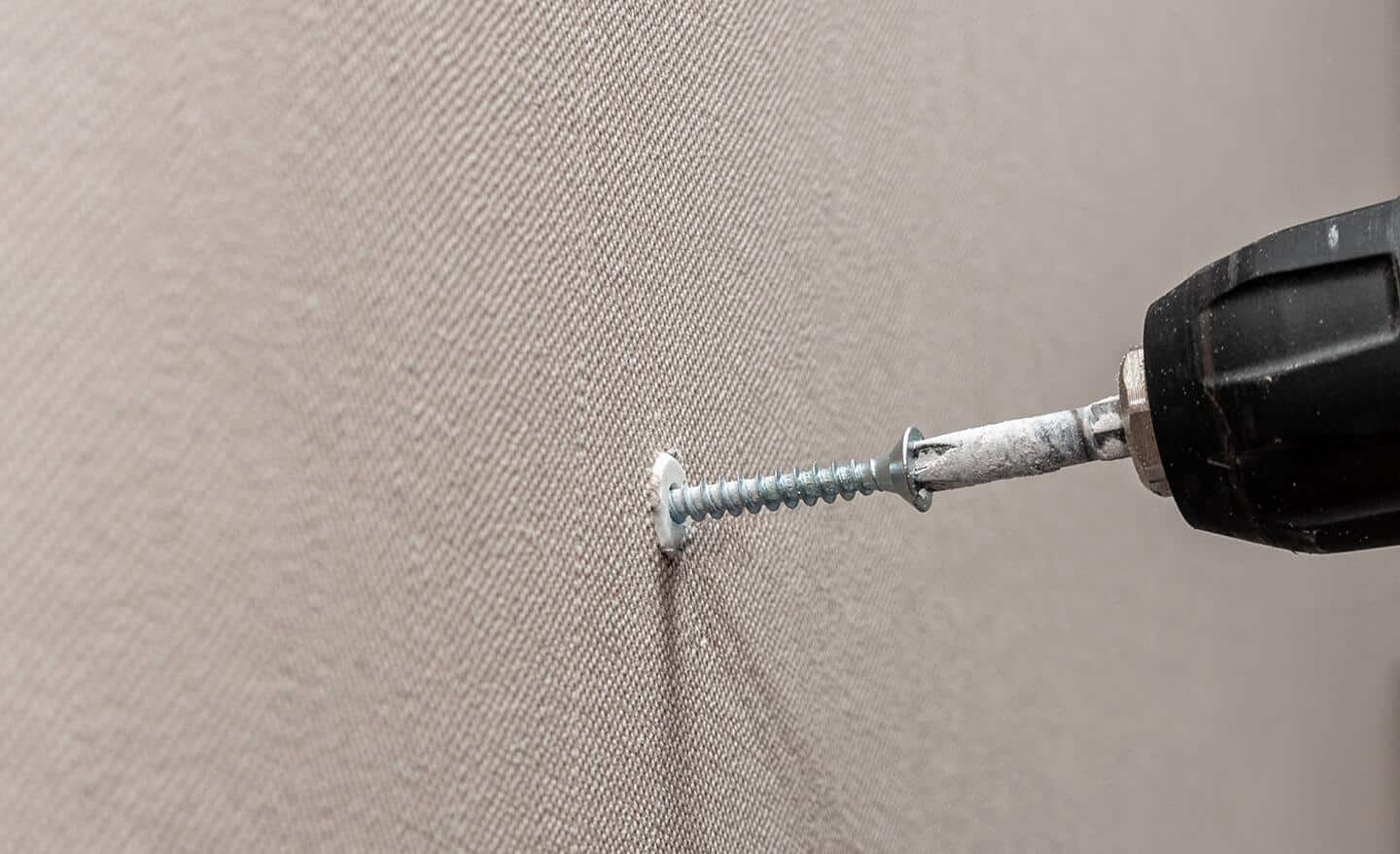
Drilling the hole for an anchor is a key step in securing items to the wall. Doing it right ensures the anchor holds tight and stays safe. Take your time and follow clear steps to drill clean and precise holes.
Setting The Drill Speed
Choose a low to medium drill speed to start. Too fast can damage the wall or drill bit. Slow speed gives more control and reduces dust. Adjust speed based on wall type and drill bit size.
Maintaining Drill Angle
Hold the drill straight and steady. The drill bit must enter the wall at a 90-degree angle. This helps create a clean hole and prevents the bit from slipping. Use both hands for better control.
Drilling Depth Control
Mark the drill bit with tape to set the depth. Stop drilling when the tape reaches the wall surface. This prevents drilling too deep or too shallow. Proper depth ensures the anchor fits snugly and works well.
Credit: www.homedepot.com
Inserting The Anchor
Inserting the anchor into the drilled hole is a key step for a strong hold. Doing it right ensures your fixture stays secure and safe. Follow these simple steps to place the anchor correctly.
Cleaning The Hole
Clear out dust and debris from the hole using a brush or a vacuum. A clean hole helps the anchor fit tightly. This step prevents slipping or weak grip later.
Positioning The Anchor
Choose an anchor size that matches the hole diameter. Gently push the anchor straight into the hole. Make sure it is flush with the wall surface, not sticking out.
Securing The Anchor
Tap the anchor lightly with a hammer if needed. Avoid hitting too hard to stop damage. The anchor should sit snugly and not move inside the hole.
Fixing The Object
Fixing the object to the wall is a key step after drilling the hole. This step ensures the anchor holds the object firmly in place. Follow careful steps to align and secure the fixture. Proper fixing prevents damage and keeps your item stable.
Aligning The Fixture
Place the object close to the drilled hole. Check that the holes on the object match the anchors. Hold the object steady to avoid movement. Correct alignment saves time and effort later.
Tightening Screws
Insert screws into the anchor holes carefully. Use a screwdriver or drill with low speed. Tighten screws until the object feels firm. Do not overtighten, or you may damage the wall or object.
Testing Stability
Gently shake or push the object to check its hold. It should not move or feel loose. If loose, tighten screws again or check anchor placement. Stable fixing ensures safety and lasting support.

Credit: www.picturehangsolutions.com
Safety Tips
Drilling a hole in the wall for an anchor requires care and attention. Safety is important to avoid injuries and damage. Following safety tips helps you work with confidence. Keep your workspace clear and focus on the task. Use the right tools and protect yourself properly.
Using Protective Gear
Always wear safety glasses to protect your eyes. Dust and small debris can fly while drilling. Gloves keep your hands safe from sharp edges and rough surfaces. Use ear protection if the drill is loud. Wear a dust mask to avoid breathing in dust. Proper gear prevents accidents and keeps you healthy.
Handling Tools Properly
Hold the drill firmly with both hands. Check the drill bit is secure before starting. Keep the drill straight to avoid slipping. Start drilling slowly to gain control. Never force the drill into the wall. Turn off and unplug the drill when changing bits. Proper handling reduces the risk of injury.
Avoiding Common Mistakes
Do not drill near electrical wires or pipes. Use a stud finder to locate safe spots. Avoid drilling into uneven or damaged walls. Do not use a dull drill bit. Mark the spot clearly before drilling. Take breaks if you feel tired. These steps prevent accidents and save time.
Frequently Asked Questions
How Do I Choose The Right Drill Bit For Wall Anchors?
Select a drill bit that matches your anchor size. Use masonry bits for concrete or brick walls. For drywall, standard bits work fine. This ensures a snug fit and secure anchor installation. Always check anchor instructions for specific bit recommendations.
What Safety Precautions Should I Take When Drilling Walls?
Wear safety glasses to protect your eyes from dust and debris. Use a dust mask if needed. Ensure power tools are in good condition. Keep your hands clear of the drill bit. Work slowly to maintain control and avoid wall damage.
How Deep Should I Drill Holes For Wall Anchors?
Drill a hole slightly deeper than the anchor length. This allows the anchor to fit completely without resistance. Measure the anchor before drilling to ensure proper depth. Avoid drilling too deep to prevent weakening the wall.
Can I Drill Into Any Wall For Anchors?
Most walls can be drilled, but material matters. Concrete, brick, drywall, and plaster require different drill bits. Avoid drilling near electrical wires or plumbing. Use a stud finder to locate safe drilling spots in drywall walls.
Conclusion
Drilling a hole for an anchor is simple with the right steps. Choose the correct drill bit size and mark your spot clearly. Drill slowly and keep the bit straight to avoid damage. Clean the hole before placing the anchor to ensure a tight fit.
Taking your time leads to strong, secure anchors that hold well. Now, you can hang shelves or pictures with confidence and ease. Practice makes perfect, so don’t worry if it feels tricky at first. Soon, drilling holes will become a quick and easy task.