
Are you tired of clutter taking over your space? Wall hooks might be the simple solution you need.
They help you keep things organized, save space, and add style to any room. But how do you use them the right way? You’ll discover easy tips and clever ideas to make the most of wall hooks. Whether you want to hang coats, keys, or decorations, you’ll learn how to do it quickly and neatly.
Keep reading to transform your walls and simplify your life!
Choosing The Right Wall Hooks
Choosing the right wall hooks can make a big difference in your space. The right hooks hold your items securely and match your room’s look. Consider the material, weight capacity, and style before buying. This helps you pick hooks that last and fit your needs.
Good wall hooks keep your walls safe and your items easy to reach. They also add to the room’s style without clutter. Think about what you want to hang and where you want to place the hooks. This helps narrow down your choices quickly.
Materials And Finishes
Wall hooks come in many materials like metal, wood, and plastic. Metal hooks are strong and often last longer. Wood hooks give a warm, natural look. Plastic hooks are light and usually cheaper.
Finishes matter for style and durability. Matte finishes hide fingerprints better. Shiny finishes can look modern and clean. Choose a finish that fits your room’s style and holds up to use.
Weight Capacity
Each hook holds a different weight. Small hooks work for keys or hats. Larger hooks can hold bags or coats. Check the weight limit before buying. Using a hook beyond its capacity can cause damage.
Heavy items need strong hooks that attach well to the wall. Look for hooks with screws or anchors for heavy loads. This keeps your wall safe and items secure.
Styles For Different Rooms
Choose hooks that fit each room’s purpose and style. In the kitchen, simple metal hooks work well for utensils. In the bathroom, rust-resistant hooks help with towels. For bedrooms, decorative hooks add charm.
Hallways need hooks that can hold coats and bags. Use sturdy hooks with a classic look here. Pick hooks that blend with your room’s colors and furniture for a neat look.

Credit: www.youtube.com
Preparing Your Wall For Installation
Preparing your wall before installing wall hooks is very important. It helps the hooks stay strong and hold your items safely. This step also prevents damage to your wall. Take your time to prepare well for the best results.
Finding The Perfect Spot
Choose a spot that fits the item you want to hang. Think about the height and space around it. Avoid places near doors or where people walk a lot. Make sure the spot is easy to reach and looks good.
Checking Wall Material
Know what type of wall you have. Is it drywall, plaster, brick, or tile? Each material needs different hooks or tools. Drywall may need anchors, while brick needs special screws. Check the wall closely to avoid mistakes.
Tools You’ll Need
Gather all tools before starting. You may need a drill, screwdriver, level, tape measure, and pencil. Having everything ready saves time. It also helps you work safely and quickly.
Installing Wall Hooks With Ease
Installing wall hooks is a simple way to organize your space. It helps keep things off the floor and easy to find. Choosing the right method makes the process smooth. Here are easy ways to install wall hooks without hassle.
Using Adhesive Hooks
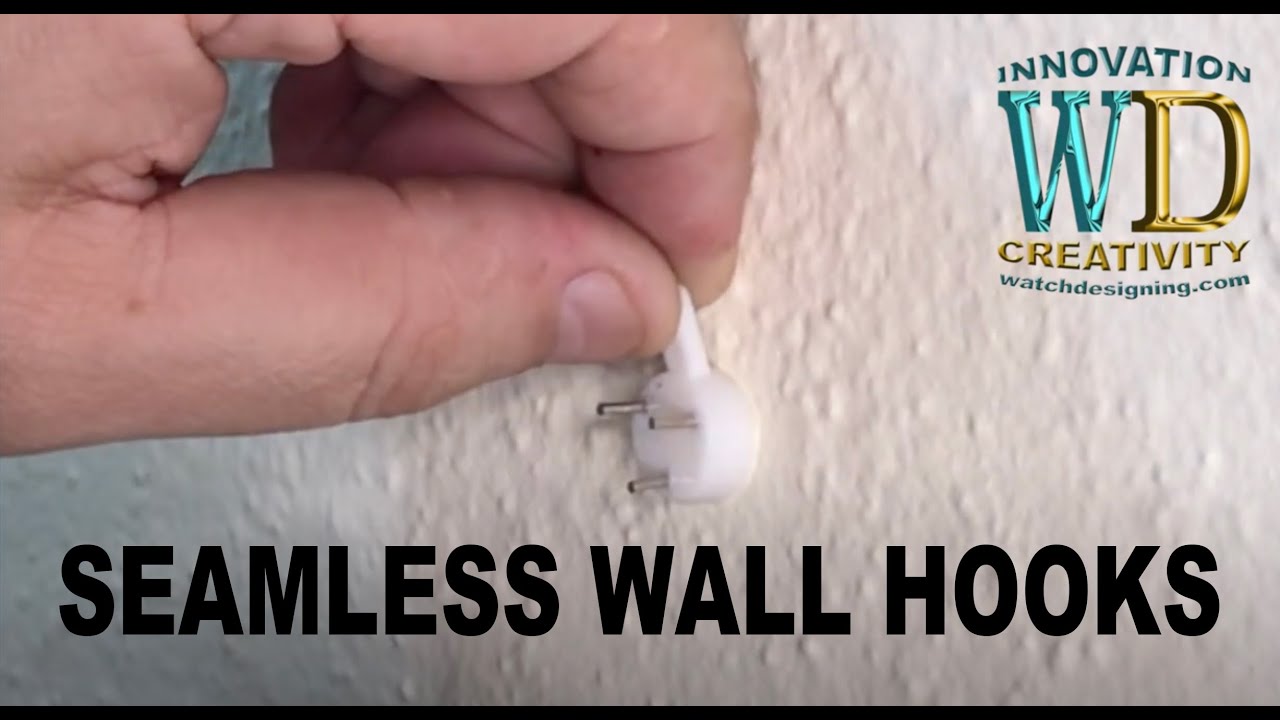
Adhesive hooks stick directly to the wall. Clean the surface with rubbing alcohol first. Press the hook firmly for 30 seconds. Wait an hour before hanging anything. These hooks work well on smooth walls. They don’t need drills or screws. Ideal for light items like keys or small bags.
Mounting With Screws And Anchors
Use screws and anchors for heavier items. Mark the spot on the wall. Drill a small hole for the anchor. Push the anchor inside the hole. Screw the hook into the anchor tightly. This method holds more weight securely. Perfect for coats, bags, or kitchen utensils.
Tips For Damage-free Removal
Remove hooks carefully to avoid wall damage. For adhesive hooks, pull the tab slowly downwards. Avoid pulling the hook away from the wall. For screw hooks, unscrew gently without forcing. Patch any small holes with spackle. Sand smooth and paint if needed. This keeps your wall clean and ready for new hooks.
Credit: www.youtube.com
Creative Uses For Wall Hooks
Wall hooks are simple tools with many uses. They help save space and keep things tidy. You can use them in many creative ways around your home. They are not just for hanging coats or bags. Wall hooks can organize, decorate, and make your space more useful.
Organizing Entryways
Wall hooks are perfect for entryways. Hang coats, hats, and scarves to keep them off the floor. Use hooks for keys and small bags. This keeps everything easy to find. It also makes your entryway neat and welcoming. Small hooks help with masks or umbrellas too. You can create a dedicated space for each item.
Maximizing Kitchen Space
Wall hooks free up kitchen counters. Hang pots, pans, and cooking tools on hooks. This saves cabinet space and keeps tools handy. Use hooks for mugs or oven mitts. You can also hang spice racks or baskets. Hooks make the kitchen look organized and clean. They help you find things quickly while cooking.
Decorating With Hanging Displays
Wall hooks can hold more than just items. Hang plants to add green touches inside. Display art or photo frames easily using hooks. Use them for string lights or decorative garlands. Hooks let you change your decor without damage. They create a stylish look with little effort. Your walls become a place for personal style.
Maintaining And Updating Your Hooks
Maintaining and updating your wall hooks keeps them useful and looking good. Regular care helps hooks last longer. Small updates can match your changing style and needs. This section shows easy ways to clean, replace, and adjust your hooks.
Cleaning Tips
Dust and dirt can build up on hooks. Clean them often to keep their shine. Use a soft cloth with mild soap and water. Dry hooks fully to stop rust or damage. Avoid harsh chemicals that can ruin the finish.
Replacing And Upgrading
Old hooks may lose strength or style. Swap them out for new ones to refresh your space. Choose hooks that fit your room’s look and your needs. Try different sizes or shapes for variety. Secure new hooks well to avoid accidents.
Seasonal Adjustments
Change hooks based on seasons and use. Hang heavier items in winter, lighter ones in summer. Add hooks near doors for coats in cold months. Remove or move hooks as needed for space and function. Seasonal updates keep your home organized and neat.

Credit: www.walmart.com
Frequently Asked Questions
What Types Of Wall Hooks Are Best For Heavy Items?
Heavy items require sturdy hooks like metal or wall anchors. Choose hooks with strong adhesive or screw-in designs for better support. Always check the weight limit before use to prevent damage or accidents.
How Do I Install Wall Hooks Without Damaging Walls?
Use adhesive wall hooks for damage-free installation. Clean the surface, press the hook firmly, and let it set. Avoid nails or screws on drywall if you want to keep walls intact.
Can Wall Hooks Be Used On Tiled Surfaces?
Yes, adhesive or suction cup hooks work best on tiles. Ensure the surface is clean and dry before applying. Avoid drilling into tiles to prevent cracks or damage.
How Much Weight Can Typical Wall Hooks Hold?
Weight capacity varies by hook type and installation. Adhesive hooks hold up to 5 pounds, while screw-in hooks can support 20 pounds or more. Always check packaging for specific weight limits.
Conclusion
Wall hooks offer a simple way to organize your space. They save room and keep things easy to find. You can use them in many rooms, from kitchens to bedrooms. Choose the right hook for your wall type and weight needs.
Installing them takes just a few steps. With wall hooks, clutter stays away, and your home looks neat. Try different styles to match your decor. Small changes like this make daily life easier. Keep your space tidy and enjoy the extra order.


