Are you planning to hang something on a hollow wall but unsure if the anchor will hold your item securely? Knowing how much weight hollow wall anchors can support is crucial to avoid accidents or damage.
Whether it’s a heavy mirror, a shelf, or a TV mount, you want to be confident that your wall anchors will keep everything safe and stable. You’ll discover exactly how much weight different types of hollow wall anchors can hold, so you can choose the right one for your project and protect your belongings with ease.
Keep reading to find out what works best for your needs!
Types Of Hollow Wall Anchors
Hollow wall anchors come in different types. Each type works best for certain wall materials and weight limits. Choosing the right anchor helps keep your items safe and secure. Here are the common types of hollow wall anchors and how they work.
Plastic Expansion Anchors
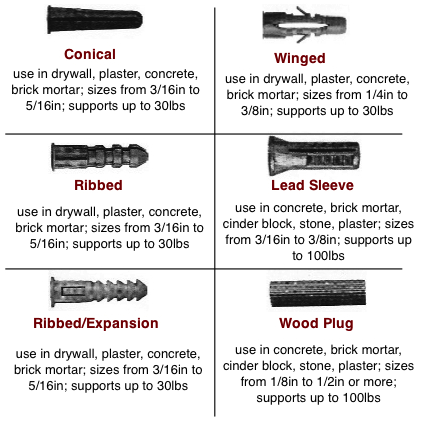
Plastic expansion anchors are simple and cheap. They expand inside the wall when a screw is inserted. These anchors work well for light loads like small picture frames. They suit drywall and plaster walls.
Metal Toggle Bolts
Metal toggle bolts have spring-loaded wings. The wings open behind the wall after insertion. They hold heavier items like shelves or mirrors. Toggle bolts spread the load over a bigger area.
Molly Bolts
Molly bolts have metal sleeves that expand inside the wall. The sleeve grips the wall tightly when the screw is tightened. They hold medium to heavy loads securely. Molly bolts are good for drywall and hollow plaster walls.
Snap Toggle Anchors
Snap toggle anchors have a strong metal channel and plastic straps. The channel snaps open behind the wall for a firm grip. They support very heavy items like cabinets and large shelves. Snap toggles are easy to install and very reliable.
Weight Capacity Factors
Several factors affect how much weight hollow wall anchors can hold. Understanding these factors helps choose the right anchor for your project. The wall material, anchor size, installation quality, and load direction all matter. Each plays a key role in the anchor’s strength and safety.
Wall Material Impact
The type of wall greatly affects anchor strength. Drywall, plaster, or hollow blocks have different holding powers. Anchors grip better in denser materials. Thinner or weaker walls reduce the anchor’s capacity. Always consider the wall type before selecting an anchor.
Anchor Size And Length
Bigger anchors hold more weight. Longer anchors reach deeper into the wall cavity. This gives better grip and stability. Using a small or short anchor limits weight capacity. Choose the right size based on the load and wall thickness.
Installation Quality
Proper installation is crucial for strong holding power. Anchors must be set straight and flush with the wall. Loose or angled anchors weaken the hold. Follow instructions carefully to ensure secure placement. Poor installation reduces weight capacity significantly.
Load Direction
How the weight pulls on the anchor changes its strength. Pulling straight out is the hardest on anchors. Sideways or angled loads can weaken them. Try to apply force in line with the anchor’s strongest direction. This helps maximize weight capacity and safety.
Weight Limits By Anchor Type
Hollow wall anchors come in different types. Each type holds a different amount of weight. Knowing the weight limits helps you pick the right anchor for your project.
Weight capacity depends on anchor design and material. It also depends on the wall thickness and what you attach. Using the wrong anchor can cause damage or accidents. Below are common hollow wall anchors and their weight limits.
Plastic Expansion Anchors Capacity
Plastic expansion anchors are simple and cheap. They work best in lightweight applications. These anchors hold between 10 and 25 pounds. Their strength depends on wall type and thickness. Best used for small pictures or light decorations.
Toggle Bolts Capacity
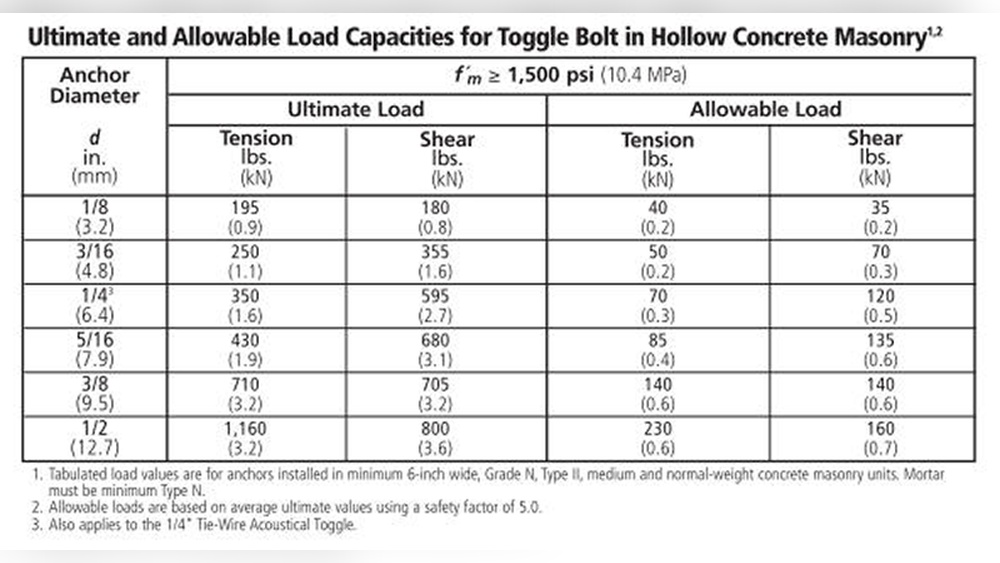
Toggle bolts have metal wings that open behind the wall. They spread the load over a larger area. These anchors hold between 30 and 50 pounds. Stronger than plastic anchors but need a bigger hole. Great for medium-weight items like shelves or mirrors.
Molly Bolts Capacity
Molly bolts expand inside the wall when tightened. They provide good support and stability. Weight capacity ranges from 25 to 50 pounds. Suitable for medium-weight fixtures like curtain rods or towel racks. Offer a firm grip in drywall and plaster.
Snap Toggle Anchors Capacity
Snap toggle anchors have a strong metal channel and plastic straps. They provide very high holding power. These anchors hold between 75 and 100 pounds. Ideal for heavy items like large shelves or TV mounts. Easy to install and very reliable.

Credit: www.youtube.com
Installation Tips For Maximum Strength
Installing hollow wall anchors correctly is key to holding the right weight. Poor installation can cause the anchor to fail. Follow simple tips to get strong support from your anchors. Proper steps ensure safety and durability.
Choosing The Right Anchor Size
Select an anchor size that matches the weight and wall type. Larger anchors hold more weight but need bigger holes. Check the package for weight ratings. Use the size recommended for your project to avoid weak support.
Proper Drilling Techniques
Drill a clean hole that fits the anchor snugly. Use a drill bit the same size as the anchor’s diameter. Drill straight into the wall to prevent damage. Avoid making the hole too big or too small.
Ensuring Secure Fit
Push the anchor fully into the hole until flush with the wall. Tap gently with a hammer if needed. The anchor should not wobble or feel loose. Tighten screws slowly to expand the anchor inside the wall.
Avoiding Common Mistakes
Do not over-tighten screws, or the anchor may break. Avoid using anchors in damaged or weak drywall. Never reuse an anchor in the same hole. Follow instructions carefully to avoid weak holds.
Testing Anchor Strength
Testing the strength of hollow wall anchors is important. It helps to know how much weight they can safely hold. This section explains easy ways to check anchor strength. It also covers when to replace anchors and signs of failure. Understanding these points keeps your walls and items secure.
Simple Load Tests
Start with small weights to test an anchor. Use items like books or light tools. Hang them on the anchor and watch closely. Increase the weight slowly while checking for any movement. If the anchor holds steady, add more weight. Stop if you see any slipping or cracking. This test shows the real strength of the anchor in your wall.
When To Replace Anchors
Replace anchors that show signs of wear or damage. Old anchors may lose grip inside the wall. If an anchor feels loose or wiggles, it needs changing. Avoid using anchors that have bent or broken parts. Always choose new anchors that fit the wall type. Fresh anchors provide better support and safety.
Signs Of Anchor Failure
Watch for cracks around the anchor on the wall. Notice if the anchor moves when you touch it. Items hanging on the anchor may tilt or fall. These are clear signs the anchor is failing. A failing anchor cannot hold much weight safely. Fix or replace anchors at the first sign of trouble to prevent accidents.

Credit: www.angi.com
Applications And Best Uses
Hollow wall anchors are versatile fasteners designed to hold objects on walls that have hollow spaces inside, like drywall or plasterboard. Choosing the right type depends on the weight and size of the item. They work by expanding behind the wall, creating a secure hold without needing a stud.
Understanding the applications and best uses helps you pick the right anchor. Different anchors support different weights. Use them wisely to keep items safe and secure.
Lightweight Fixtures
Hollow wall anchors work well for lightweight fixtures. Examples include small picture frames, lightweight mirrors, or decorative items. These anchors hold up to about 10 to 25 pounds. Perfect for items that don’t put much stress on the wall. Easy installation with minimal tools needed.
Medium Load Supports
For medium loads, hollow wall anchors offer reliable support. They hold items like shelves with books, curtain rods, or small cabinets. These anchors can support weights between 25 and 50 pounds. Ideal for household items that require steady support. Make sure to use anchors rated for the expected weight.
Heavy Duty Mounting
Heavy duty hollow wall anchors handle larger loads. Use them for mounting large mirrors, heavy shelves, or flat-screen TVs. They can support weights over 50 pounds. Choose anchors made from strong materials like metal. Proper installation ensures safety and long-term durability.
Credit: www.do-it-yourself-help.com
Frequently Asked Questions
How Much Weight Can Hollow Wall Anchors Support?
Hollow wall anchors typically hold between 10 to 50 pounds. The exact weight depends on the anchor type and wall material. Always check the manufacturer’s specifications for precise load ratings before use.
Which Hollow Wall Anchor Is Strongest For Heavy Loads?
Toggle bolts are the strongest hollow wall anchors. They can hold up to 100 pounds or more, depending on size. Use them for heavy items like shelves or mirrors on drywall.
Can Hollow Wall Anchors Support Shelves Safely?
Yes, hollow wall anchors can support lightweight to medium shelves. Choose anchors rated for the shelf’s total weight. For heavy shelves, use heavy-duty anchors or attach to wall studs.
Do Hollow Wall Anchors Damage Drywall?
Properly installed hollow wall anchors cause minimal drywall damage. Over-tightening or incorrect installation can crack drywall. Use the right size and type to ensure secure, damage-free mounting.
Conclusion
Hollow wall anchors hold different weights depending on their size and type. Always check the anchor’s weight limit before use. Use the right anchor for the job to avoid damage. Proper installation helps anchors hold better and last longer. Choose anchors that match your wall material for best results.
Taking these steps ensures your items stay secure and safe. Simple care makes a big difference in wall anchor performance. Keep these tips in mind for strong, reliable support.