Have you ever wondered if a light switch is live before you start working on it? Knowing how to check this is crucial for your safety and peace of mind.
A live switch means there’s electricity flowing, and touching it without caution can be dangerous. But don’t worry—this guide will show you simple and effective ways to find out if your light switch is live. By the end, you’ll feel confident handling switches safely and avoiding accidents.
Keep reading to protect yourself and your home.
Signs Of A Live Switch
Knowing the signs of a live switch helps keep you safe. It prevents shocks and electrical accidents. You can check a switch without special tools by observing simple clues. These signs often tell if electricity flows through the switch.
Visual Indicators
Look at the switch closely. A live switch might have small sparks or flickers inside. Sometimes, the switch plate shows burn marks or discoloration. Loose or damaged wires near the switch also hint at a live connection. A glowing switch or light nearby means electricity is present.
Audible Clues
Listen carefully to the switch. A live switch can make a faint buzzing or humming sound. This noise comes from electrical current moving through the wires. Clicking or crackling sounds might also appear when toggling the switch. Silence does not always mean the switch is off.
Smell And Heat Detection
Smell around the switch area. A burning or plastic odor signals electrical activity or overheating. Touch the switch gently for heat. A warm switch often means current passes through. Never touch with wet hands, and avoid heat that feels too strong.
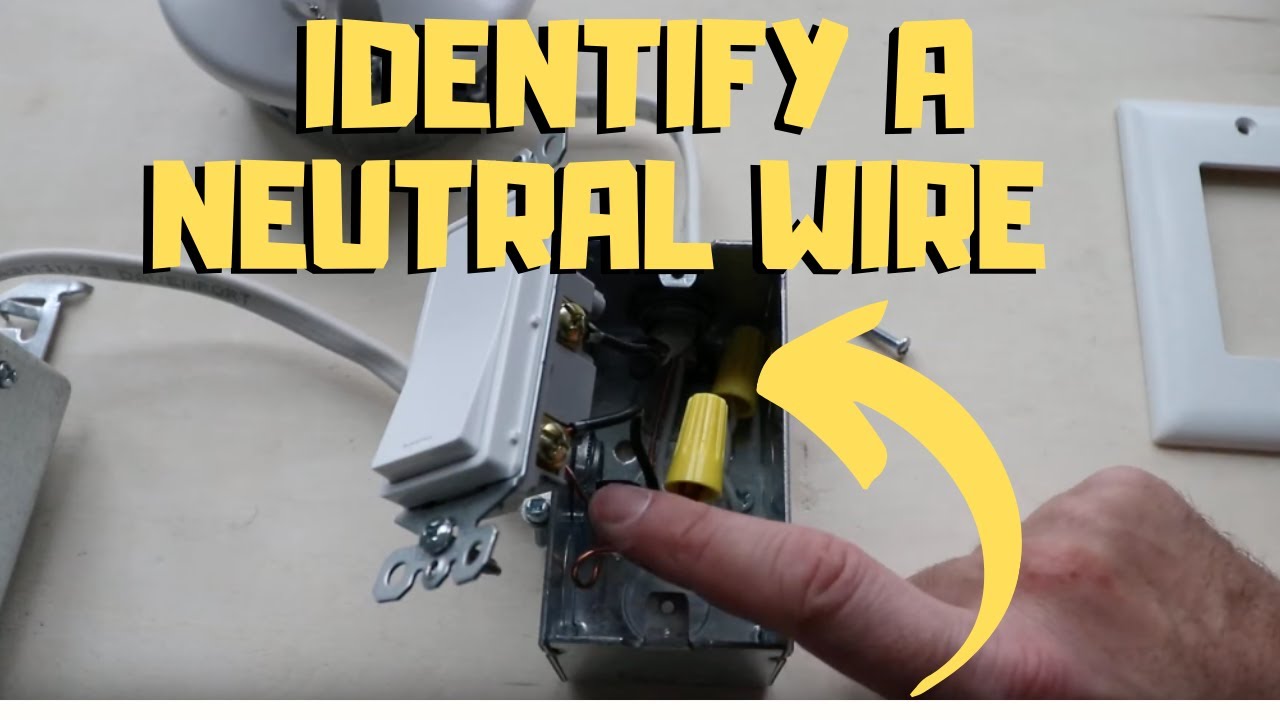
Credit: www.youtube.com
Tools For Checking
Checking if a light switch is live needs the right tools. Using proper tools keeps you safe and helps find the live wires quickly. This section talks about common tools for checking electrical switches. Each tool has different uses and safety levels. Learn how to use them well.
Using A Non-contact Voltage Tester
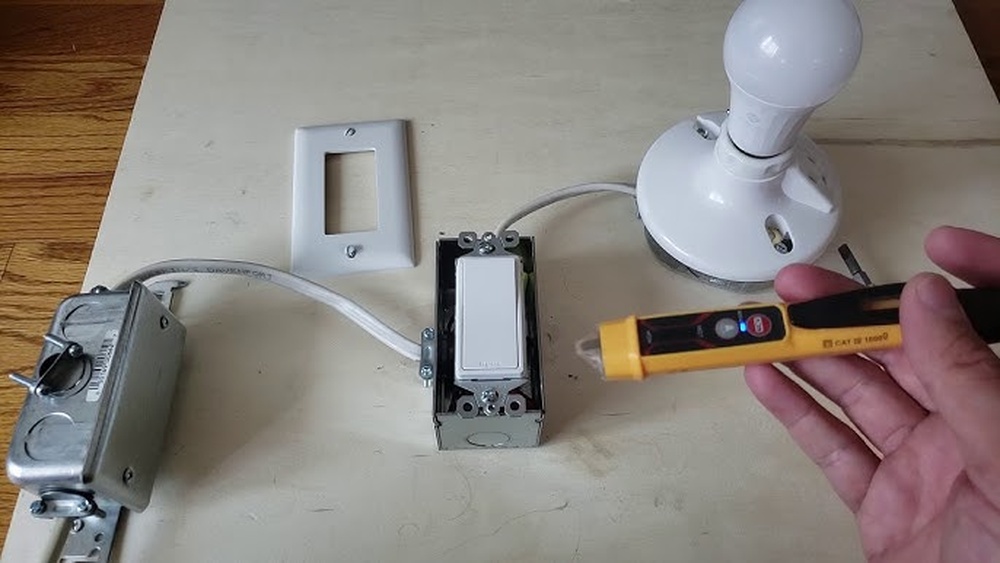
A non-contact voltage tester is safe and easy to use. It detects electricity without touching wires. Just hold it near the switch or wire. If it beeps or lights up, the wire is live. It uses sensors to detect voltage from a distance. This tool works well for quick checks and beginners.
Multimeter Basics
A multimeter is a versatile tool for many electrical tests. It measures voltage, current, and resistance. Set the dial to measure AC voltage for light switches. Touch the probes to the switch terminals carefully. The screen shows the voltage reading. Multimeters need some practice but give accurate results.
Testers You Should Avoid
Avoid cheap or unclear testers that give false readings. Some neon testers only work on certain wires and can be unsafe. Avoid tools without clear instructions or safety ratings. Old or damaged testers may not work properly. Use reliable and tested tools to stay safe and get correct results.
Step-by-step Testing Process
Checking if a light switch is live is important for safety and repairs. Follow the step-by-step testing process below. This process helps you know if electricity flows through the switch. It works for most home light switches.
Preparing For The Test
Turn off the power from the main breaker. Use a non-contact voltage tester to check the switch area. Wear insulated gloves for extra safety. Gather tools like a screwdriver and a voltage tester. Make sure the room is dry and well-lit. Safety comes first before testing any electrical part.
Testing The Switch Without Removal
Hold the non-contact voltage tester near the switch. The tester lights up if the switch is live. Flip the switch on and off during the test. Watch for changes in the tester light. No light means no current at the switch surface. This method works without opening the switch box.
Testing With The Switch Removed
Turn off the power completely at the breaker. Unscrew the switch cover plate carefully. Remove the switch from the wall box but keep wires connected. Use a voltage tester to touch the switch terminals. A reading shows the switch is live. No reading means no power at the terminals. Replace the cover and turn power on after testing.
Safety Precautions
Safety is the top priority when checking if a light switch is live. Electricity can cause serious injuries or worse. Taking the right safety steps protects you from shocks and accidents. Follow these simple rules before you start testing a light switch.
Personal Protective Gear
Wear rubber gloves to stop electric shocks. Use safety goggles to protect your eyes from sparks. Avoid loose clothing that can catch on wires or tools. Use shoes with rubber soles to reduce risk. Always prepare yourself with the right gear before handling electrical parts.
Power Shutoff Tips
Turn off the main power at the breaker box before testing. Double-check that the power is off using a voltage tester. Never trust the switch position alone. Label the breaker to avoid someone turning it back on by mistake. Keep the work area dry and clear of clutter.
Avoiding Common Mistakes
Do not touch wires with bare hands. Avoid using metal tools near live wires. Never test a switch without a proper voltage tester. Do not rush the process; take your time to check carefully. Always assume wires are live until proven safe.
When To Call A Professional
Knowing when to call a professional electrician is important for safety. Some problems with light switches need expert care. Trying to fix these issues alone can be risky and cause more damage. This section helps you understand signs that show it is time to get help from a professional.
Complex Wiring Issues
Wiring inside walls can be complicated. If wires look tangled or damaged, do not touch them. Complex wiring problems may cause shocks or fires. A professional knows how to handle these safely. They use special tools to test wires and fix problems properly.
Unusual Switch Behavior
Switches that act strange need attention. Flickering lights or switches that feel hot can mean electrical trouble. Sometimes switches click or buzz loudly. These signs point to hidden faults inside the switch or wiring. A professional can find and solve these issues quickly.
Legal And Safety Considerations
Electrical work often requires permits and inspections. Doing it yourself may break local laws. Professionals follow safety codes to keep your home safe. They carry insurance in case of accidents. Hiring a licensed electrician protects you from liability and ensures work is done right.
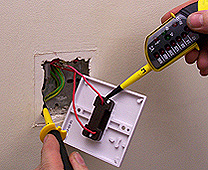
Credit: www.handymanknowhow.co.uk
Maintaining Switch Safety
Maintaining switch safety is key to preventing accidents and electrical problems. A live light switch can cause shocks or fires if not handled properly. Regular care and attention help keep switches working well and protect your home.
Regular Inspections
Check your light switches often for signs of damage. Look for cracks, loose fittings, or unusual heat. Test switches by turning them on and off to ensure they work smoothly. Spotting problems early can stop bigger issues later.
Upgrading Old Switches
Old switches may wear out and become unsafe. Replace switches that feel loose or spark. Use modern switches with better safety features. Updated switches reduce risks and improve electrical safety in your home.
Safe Usage Practices
Never touch switches with wet hands. Avoid forcing a stuck switch as this may cause damage. Turn off power before cleaning or fixing switches. Teach family members how to use switches safely. Simple habits keep everyone safe around electricity.
:strip_icc()/voltage-detector-hot-cable-77726753-1946242d423c41a6802cc874eb7c8c89.jpg)
Credit: www.bhg.com
Frequently Asked Questions
How Can I Test If A Light Switch Is Live Safely?
Use a non-contact voltage tester near the switch terminals. It detects electrical current without direct contact, ensuring safety.
What Tools Do I Need To Check A Live Light Switch?
A non-contact voltage tester or a multimeter are essential tools. They help identify live wires accurately and safely.
Can I Check A Live Switch Without Turning Off Power?
Yes, using a non-contact voltage tester allows checking without power off, but exercise caution to avoid shocks.
How Do I Identify Live Wires On A Light Switch?
Live wires often connect to the switch’s terminal screws. Use a voltage tester to confirm which wire carries current.
Conclusion
Checking if a light switch is live helps keep you safe. Always turn off power before testing. Use a voltage tester carefully and follow steps. Knowing this skill can prevent accidents at home. Stay cautious and double-check before touching any wires.
Simple tools and clear steps make the job easy. Take your time and work with care. Safety first, always.