Are you hanging something heavy on your wall and wondering if a simple nail will do, or if you need a stronger wall anchor? Knowing exactly how much weight your wall can hold without extra support is key to keeping your items safe and your walls damage-free.
You’ll discover clear, easy-to-follow guidelines that help you decide when a wall anchor is necessary. By the end, you’ll feel confident about securing your belongings the right way, every time. Keep reading to avoid costly mistakes and protect both your walls and your valuables.
Weight Limits For Wall Anchors
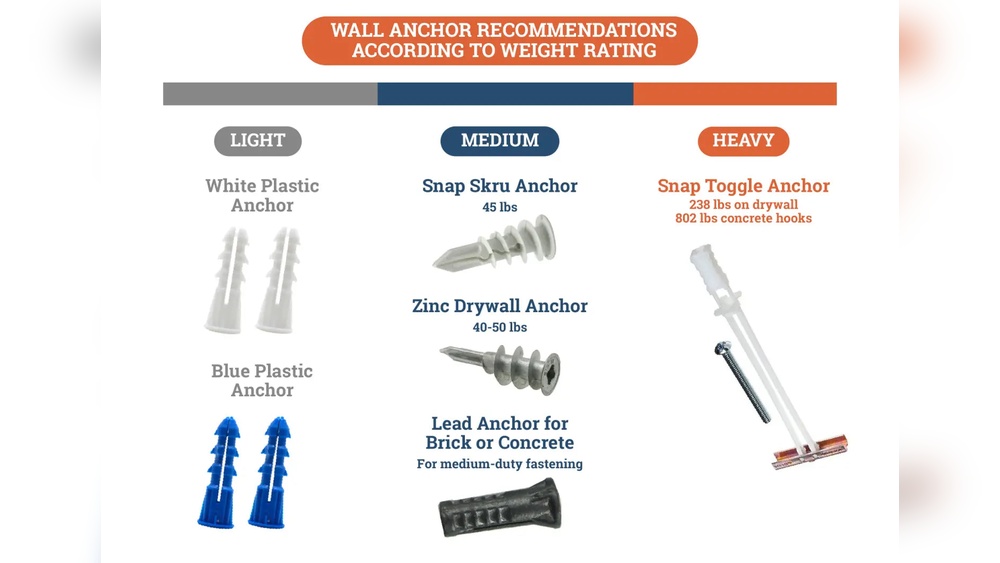
Understanding the weight limits for wall anchors helps keep your items secure. Different anchors hold different weights. Choosing the right one depends on what you want to hang. This guide breaks down the common types and their weight capacities.
Light-duty Anchors
Light-duty anchors hold up to 10 pounds. They work well for small frames and lightweight decorations. Plastic expansion anchors fit this category. They are easy to install and best for drywall without studs.
Medium-duty Anchors
Medium-duty anchors support weights between 10 and 50 pounds. These include toggle bolts and molly bolts. Use them for shelves, mirrors, and heavier pictures. They spread the load over a larger area for more strength.
Heavy-duty Anchors
Heavy-duty anchors hold over 50 pounds. They are ideal for cabinets, TVs, and heavy mirrors. Metal toggle anchors and sleeve anchors belong here. These anchors offer the strongest grip in drywall and masonry walls.

Credit: www.angi.com
Types Of Wall Anchors
Wall anchors come in different types to hold various weights securely. Choosing the right anchor depends on the wall material and the weight you want to support. Each type works best in specific situations.
Plastic Expansion Anchors
Plastic expansion anchors are common and easy to use. They work well in drywall and light materials. When a screw is inserted, the anchor expands and grips the wall. These anchors are good for light to medium loads.
Toggle Bolts
Toggle bolts provide strong support in hollow walls. They have wings that open behind the wall. This spreads the weight over a larger area. Toggle bolts hold heavy items like shelves and mirrors firmly.
Molly Bolts
Molly bolts are metal anchors with expandable sleeves. They work best in drywall and plaster. When tightened, the sleeve expands behind the wall for a strong hold. Molly bolts support medium to heavy weights safely.
Sleeve Anchors
Sleeve anchors fit into solid materials like concrete and brick. They expand inside the hole when the bolt is tightened. These anchors offer high strength for heavy loads. Use sleeve anchors for heavy fixtures on solid walls.
Factors Affecting Anchor Strength
Understanding what affects the strength of a wall anchor is key. Different factors decide how much weight an anchor can safely hold. These elements help you pick the right anchor for your needs. Let’s explore the main factors that affect anchor strength.
Wall Material
The type of wall matters a lot. Drywall, concrete, brick, or plaster all hold anchors differently. Concrete walls can hold more weight than drywall. Some anchors work better in soft walls, others in hard walls. Knowing your wall type helps choose the best anchor.
Anchor Size And Type
Bigger anchors usually support more weight. The material and design also change their strength. Plastic anchors suit light loads, metal ones handle heavy loads. Expansion anchors grip tightly by spreading inside the wall. Pick the right size and type for your load.
Load Distribution
How weight spreads affects anchor strength. A single heavy point load puts more stress than an even load. Using multiple anchors spreads the weight across the wall. This reduces pressure on each anchor. Proper load distribution prevents wall damage and anchor failure.
When To Use Wall Anchors
Knowing when to use wall anchors is important for safe and secure mounting. Wall anchors add strength to weak drywall or plaster. They prevent damage and hold items firmly in place. Different tasks require different anchor types and weight limits. Understanding the right time to use anchors helps avoid accidents and keeps your walls intact.
Hanging Pictures And Frames
Small pictures usually need only nails or screws. Large or heavy frames require wall anchors. They stop the frame from pulling out of the wall. Use anchors for anything over 5 pounds. Anchors spread the weight and keep the picture steady.
Mounting Shelves
Shelves hold books, decor, and other items. Light shelves with few items may not need anchors. Heavy shelves always need wall anchors. Anchors support the weight and prevent the shelf from falling. Use anchors rated for the total shelf weight plus items.
Installing Heavy Fixtures
Heavy fixtures include mirrors, TVs, and cabinets. These need strong support to stay safe. Wall anchors are necessary for weight over 10 pounds. Anchors protect the wall and keep fixtures secure. Always check the anchor’s weight rating before installation.
Choosing The Right Anchor
Choosing the right wall anchor is key to holding weight safely. The right anchor stops damage to walls and keeps items secure. Each anchor type fits certain weights and wall materials. Picking the best one needs care and understanding.
Matching Anchor To Weight
Check the weight of the item you want to hang. Light items need small anchors, while heavy items need strong ones. Always pick an anchor with a higher weight limit than the item. This prevents accidents and keeps things steady.
Considering Wall Type
Walls come in many types, like drywall, plaster, or concrete. Each needs a different anchor style. Drywall anchors work well for soft walls. Concrete needs heavy-duty anchors. Know your wall type before choosing an anchor.
Safety Margins
Never use an anchor rated exactly for your item’s weight. Choose one with a safety margin. For example, pick an anchor that holds 25% more than the item’s weight. This extra strength protects against surprises and wear over time.

Credit: www.youtube.com
Installation Tips For Secure Anchoring
Installing wall anchors correctly is key to holding weight safely. Poor installation can lead to damage or accidents. Follow these simple tips to make sure your anchors stay strong and secure.
Drilling Proper Holes
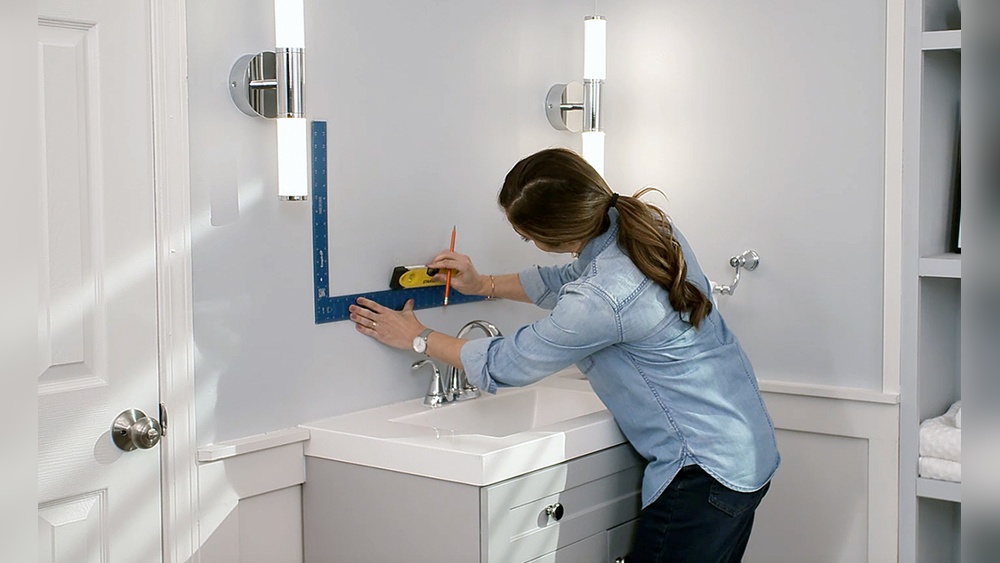
Use a drill bit that matches the anchor size. Drill straight into the wall to avoid loose fittings. Clear out dust from the hole before inserting the anchor. This helps the anchor grip tightly.
Anchor Placement
Place anchors where the wall is solid. Avoid areas with cracks or weak drywall. Space anchors evenly to spread the weight. This prevents stress on one point.
Testing Anchor Hold
After installation, gently pull on the anchor. Check for any movement or looseness. Test with a little more weight than planned. This ensures the anchor can hold safely.

Credit: www.youtube.com
Frequently Asked Questions
How Much Weight Can Drywall Support Without Anchors?
Drywall alone can hold about 10-15 pounds safely. For heavier items, use wall anchors or studs to prevent damage and ensure stability.
When Should I Use Wall Anchors For Hanging?
Use wall anchors for loads over 20 pounds or when no stud is available. They provide extra support and prevent wall damage.
What Types Of Wall Anchors Hold The Most Weight?
Toggle bolts and molly bolts hold the most weight, up to 50-100 pounds. Choose based on wall type and load requirements.
Can I Hang Heavy Items Without A Wall Anchor?
Hanging heavy items without anchors risks wall damage. Always use anchors or find studs to safely support heavier weights.
Conclusion
Knowing the weight your wall anchor can hold keeps your items safe. Heavy objects always need strong anchors for support. Choose anchors based on the weight and wall type. Don’t guess—check the anchor’s weight limit before use. Proper installation matters just as much as the anchor strength.
Small mistakes can cause big problems later. Use the right tools and follow instructions carefully. A secure anchor means peace of mind and no damage. Take time to pick the best anchor for your needs. Safety first, every time.