Is your deadbolt sticking and making it hard to lock or unlock your door? This annoying problem can cause frustration and even compromise your home’s security.
But don’t worry—you don’t need to call a locksmith just yet. You’ll discover simple, effective steps to fix your sticky deadbolt quickly. By the time you finish reading, your lock will work smoothly, giving you peace of mind and saving you time and money.
Let’s get your deadbolt back to perfect working order!
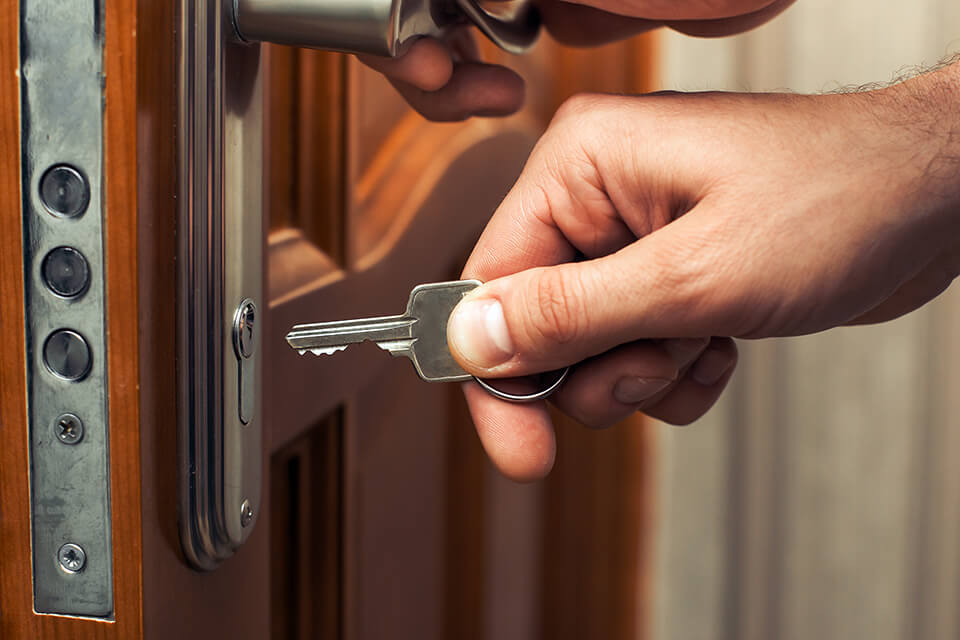
Credit: www.expressdoorsdirect.co.uk
Causes Of Sticky Deadbolts
Sticky deadbolts can cause frustration and delay when you try to lock or unlock your door. Understanding the causes helps fix the problem quickly. Several common issues lead to a deadbolt sticking. These problems affect the lock’s smooth operation and security.
Wear And Tear
Deadbolts face constant use every day. Over time, parts inside the lock wear down. Metal components may lose their shape or become rough. This wear can cause the bolt to stick or jam. Older locks often show signs of wear and tear.
Dirt And Debris
Dust, dirt, and small debris can get inside the deadbolt. These particles build up and block the lock’s moving parts. Dirt can cause resistance, making the bolt hard to slide. Cleaning the lock can remove this buildup and restore smooth action.
Misalignment Issues
Doors and frames may shift or settle over time. This movement can misalign the deadbolt with the strike plate. Misalignment makes it harder for the bolt to slide into place. Adjusting the door or strike plate often fixes this problem.
Lack Of Lubrication
Lubricant helps the deadbolt move smoothly. Without it, metal parts rub and create friction. Friction causes the bolt to stick or slow down. Regular lubrication keeps the lock working properly and prevents sticking.
Tools And Materials Needed
Sticky deadbolts cause frustration and reduce home security. Fixing them requires simple steps anyone can follow. Below are clear, easy instructions to get your deadbolt working smoothly again.
Cleaning The Deadbolt
Start by removing dirt and dust from the deadbolt. Use a soft cloth or a small brush. Clean the keyhole and bolt area carefully. Dirt can block the mechanism and cause sticking. Avoid using water, as it can cause rust.
Lubricating The Mechanism
Apply a dry lubricant like graphite powder to the bolt and keyhole. Avoid oil-based lubricants; they attract dust. Insert the key and turn it several times. This spreads the lubricant evenly inside. Lubrication helps the parts move without sticking.
Adjusting The Strike Plate
Check the strike plate on the door frame. It may be misaligned, causing the bolt to stick. Loosen the screws slightly and move the plate. Align it so the deadbolt slides easily into the hole. Tighten the screws after adjustment.
Tightening Loose Screws
Inspect all screws on the deadbolt and door handle. Loose screws can make the deadbolt misalign and stick. Use a screwdriver to tighten all screws firmly. This ensures the lock stays in place and works smoothly.
Step-by-step Fixes
Knowing when to call a locksmith is important for fixing a sticky deadbolt. Small fixes can be done at home. But some problems need a professional’s help. Calling a locksmith saves time and prevents more damage.
Signs Of Serious Damage
Deadbolt sticks even after cleaning and oiling. Key gets stuck or hard to turn. Lock shows rust or corrosion. Door does not close properly. Lock parts feel loose or broken. These signs mean the deadbolt needs expert care.
Professional Repair Benefits
Locksmiths have tools to fix locks safely. They can replace broken parts quickly. Experts ensure the lock works smoothly. They improve your home’s security. Repairs done by locksmiths last longer. Trusting a professional avoids costly mistakes.

Credit: www.youtube.com

Credit: rentpost.com
Frequently Asked Questions
Why Is My Deadbolt Sticking When Locking?
A deadbolt sticks due to dirt, rust, or misalignment. Lubricate the lock and check the strike plate. Cleaning and realigning often resolve the issue quickly.
How Can I Lubricate A Sticky Deadbolt Properly?
Use graphite powder or silicone spray for lubrication. Avoid oil-based lubricants as they attract dust. Apply a small amount inside the keyhole and bolt mechanism.
Can A Misaligned Strike Plate Cause Deadbolt Sticking?
Yes, a misaligned strike plate causes resistance when locking. Adjust or reposition the strike plate for smooth deadbolt movement. This simple fix improves lock function significantly.
When Should I Replace A Sticky Deadbolt Lock?
Replace the lock if lubrication and adjustments fail. Persistent sticking may indicate internal damage or wear. Choose a quality deadbolt for better security and durability.
Conclusion
Fixing a sticky deadbolt can save time and avoid frustration. Simple steps like cleaning and lubricating often solve the problem. Regular care helps keep your lock working smoothly. Don’t ignore small issues; they can become bigger later. A working deadbolt improves home safety and peace of mind.
Try these easy tips to keep your lock in good shape. Small effort brings big results. Keep your door secure and easy to use every day.