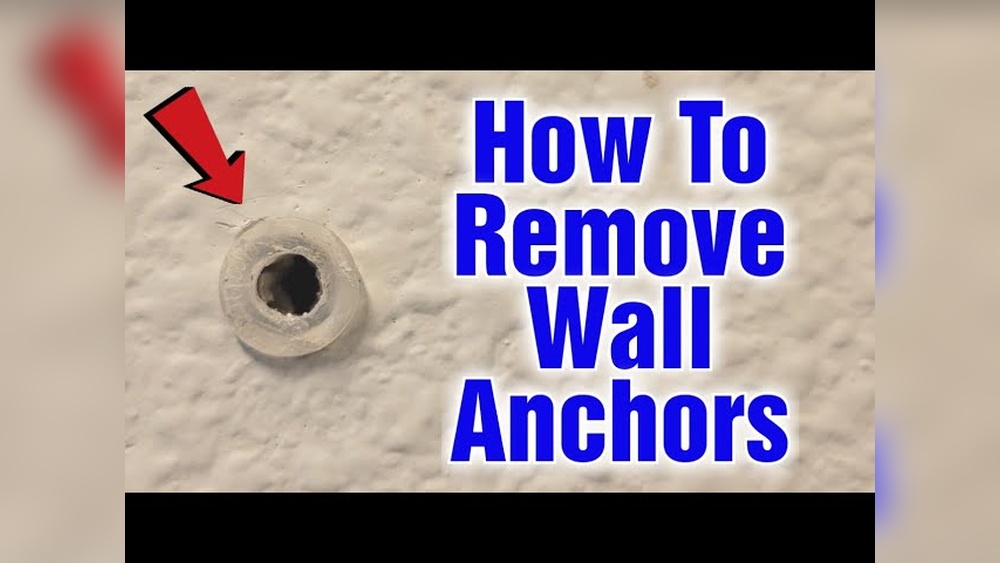
Are you struggling to hang something heavy on your wall without worrying it might fall? Using wall anchors can be the simple solution you need.
But how do you use wall anchors correctly to make sure your shelves, pictures, or mirrors stay secure? In this guide, you’ll discover easy steps that anyone can follow to get the job done right. By the end, you’ll feel confident handling your own wall projects without fear of damage or accidents.
Keep reading, and let’s make your walls work for you!
Credit: diydanielle.com
Types Of Wall Anchors
Wall anchors come in many types. Each type holds different weights and fits different wall materials. Choosing the right anchor makes your mounting strong and safe. Learn about popular wall anchors below.
Plastic Expansion Anchors
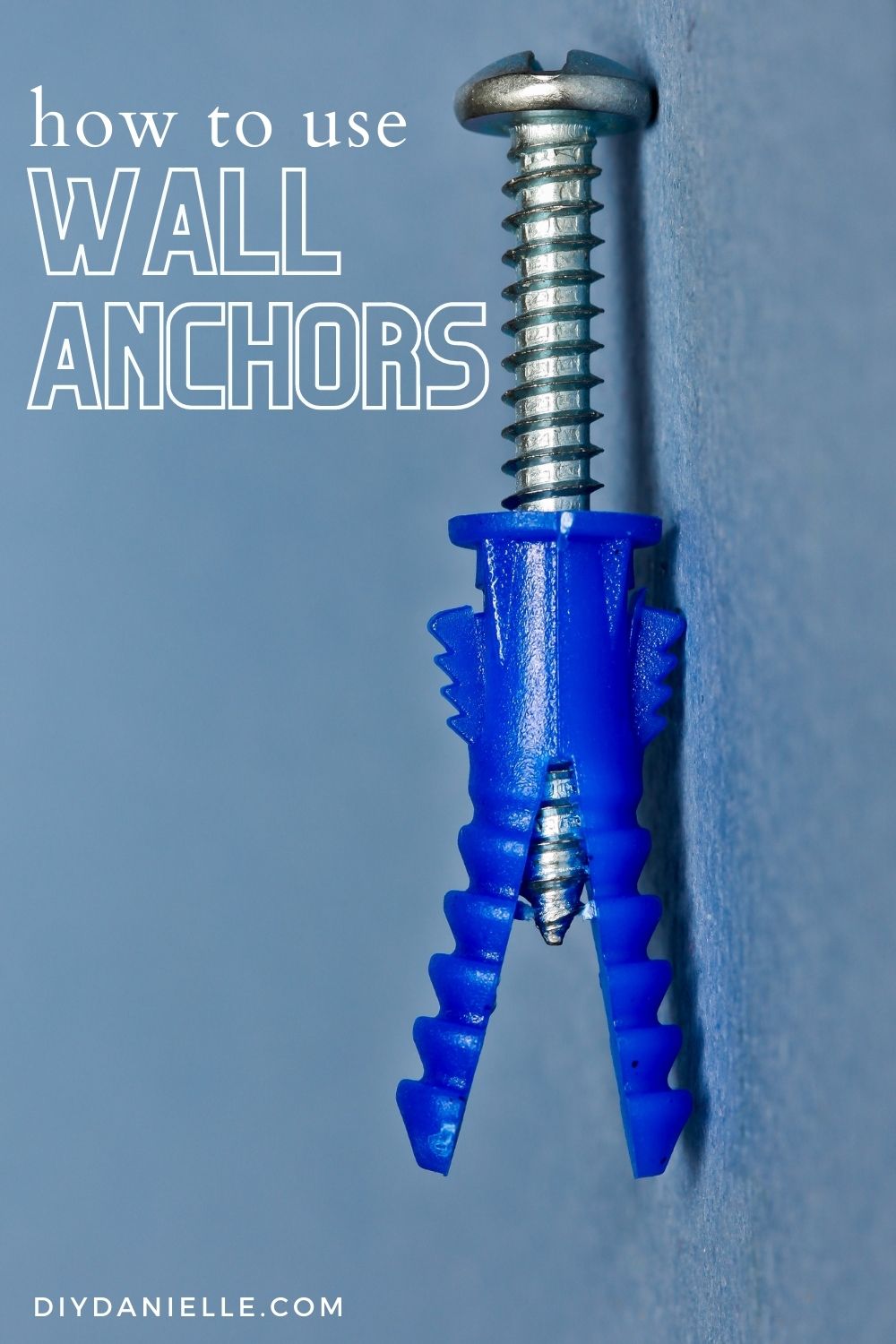
Plastic expansion anchors are common and easy to use. Drill a hole, push the anchor inside, then screw in. The anchor expands and grips the wall tightly. Best for light items on drywall or plaster.
Toggle Bolts
Toggle bolts have wings that open inside the wall. They spread the load over a larger area. Good for heavy objects on hollow walls. Requires a bigger hole but holds very well.
Molly Bolts
Molly bolts are metal anchors that expand behind the wall. They create a strong hold for medium-weight items. Ideal for drywall and plaster walls. Insert the bolt and tighten to expand.
Self-drilling Anchors
Self-drilling anchors do not need a pre-drilled hole. Screw them directly into drywall. They cut their own thread and hold securely. Perfect for quick, easy installation of light to medium items.
Choosing The Right Anchor
Choosing the right wall anchor is key for a secure hold. Different anchors suit different walls and weights. Picking the wrong one can cause damage or failure. Let’s explore what to consider before buying anchors.
Considering Wall Material
Wall anchors work differently in wood, drywall, brick, or concrete. Drywall needs plastic or metal anchors for support. Brick or concrete requires heavy-duty anchors like sleeve or wedge types. Check your wall type first to match the anchor. This prevents slipping or wall damage.
Weight And Load Capacity
Each anchor holds a certain weight. Light anchors support small frames or decorations. Heavy anchors are best for shelves or mirrors. Always check the anchor’s weight limit. Choose one that is stronger than your item’s weight. Safety comes first to avoid accidents.
Anchor Size And Length
Anchor size affects how well it grips the wall. Longer anchors reach deeper into the wall for better hold. Small anchors suit thin walls or light items. Large anchors fit thicker walls and heavier loads. Measure your wall thickness and item size to pick the right anchor.
Tools Needed
Using wall anchors requires a few basic tools. These tools help you install anchors safely and securely. Having the right tools makes the job easier and faster. Below are the essential tools you need for this task.
Drill And Drill Bits
A drill is needed to create holes for the anchors. Use the right drill bit size that matches the anchor diameter. This ensures a snug fit. A handheld electric drill works best for most jobs.
Screwdriver
A screwdriver helps to drive screws into the anchors. Use a screwdriver that fits the screw head well. It can be manual or electric. This tool tightens the screws securely without damaging them.
Level And Pencil
A level ensures your anchors are straight and aligned. Mark the anchor spots with a pencil before drilling. This prevents mistakes and keeps your work neat. Accuracy is important for a balanced finish.
Hammer
A hammer helps tap the anchors gently into the wall. This is useful for anchors that need a slight push. Use light taps to avoid damaging the wall or anchors. A small hammer is usually enough.
Preparing The Wall
Preparing the wall is the first step for using wall anchors properly. It helps ensure the anchor holds well and the item stays secure. Taking time to prepare prevents damage and makes the installation easier.
Locating Studs And Marking Spots
Find the wall studs using a stud finder or by tapping the wall. Studs provide strong support for heavy items. Mark the spots where you want to place the anchors. If no stud is available, choose a solid area on the drywall.
Drilling Pilot Holes
Use a drill bit that matches the size of the anchor. Drill pilot holes at the marked spots. Drilling straight holes helps the anchor fit tightly. Avoid making holes too big or too small for the anchor.
Cleaning The Hole
Remove dust and debris from the holes with a brush or air blower. Clean holes improve the grip of the anchor. Dust left inside can cause the anchor to slip or loosen over time.
Installing Wall Anchors
Installing wall anchors helps secure items on walls safely. Different anchors work best for different wall types and weights. Learning how to install each anchor type ensures a strong hold. Follow these simple steps for common wall anchors.
Inserting Plastic Expansion Anchors
Start by drilling a hole in the wall. Choose a drill bit that matches the anchor size. Push the plastic anchor into the hole until it is flush with the wall. Tap it lightly with a hammer if needed. Finally, screw your fastener into the anchor to expand it inside the wall.
Setting Toggle Bolts
Drill a hole larger than the toggle bolt’s folded wings. Thread the bolt through your item’s mounting hole. Squeeze the wings closed and push the toggle through the wall hole. Once inside, the wings open wide. Tighten the bolt carefully to pull the wings against the wall’s back side.
Placing Molly Bolts
Drill a hole sized for the molly bolt sleeve. Insert the molly bolt into the hole until flush. Tighten the screw to expand the sleeve inside the wall. This action locks the molly bolt firmly. Remove the screw, attach your item, then replace and tighten the screw again.
Using Self-drilling Anchors
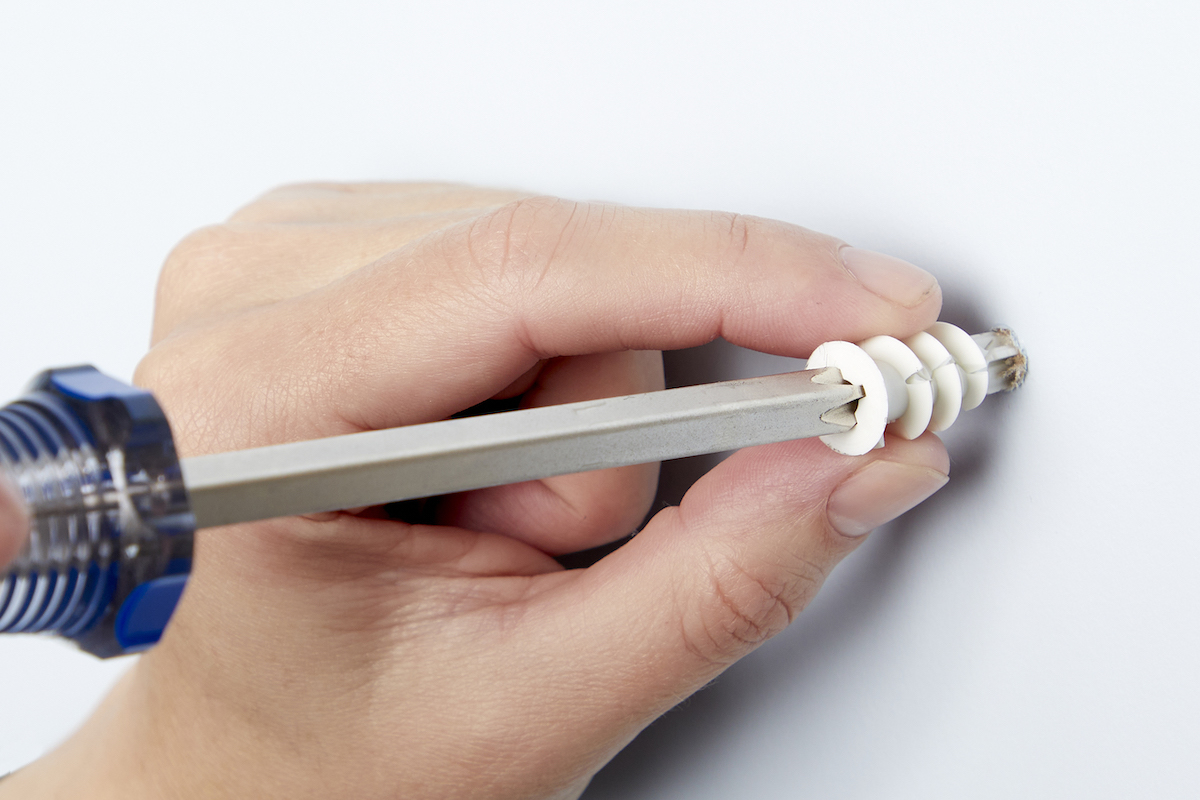
Self-drilling anchors do not require pre-drilling. Position the anchor on the wall surface. Turn it clockwise using a screwdriver. The anchor drills itself into drywall as it turns. Stop when the anchor is flush with the wall. Insert the screw into the anchor to secure your object.
Mounting Objects Securely
Mounting objects securely on a wall is important for safety and durability. Using wall anchors helps hold items firmly, especially on drywall or hollow walls. Proper steps ensure the mounted object stays in place without damage.
Aligning Mounting Hardware
First, mark the exact spot on the wall where you want to hang the object. Check the level to keep the item straight. Place the mounting hardware over the mark before drilling. This helps keep the anchor and screw in the right position.
Tightening Screws Properly
Insert the screw into the wall anchor carefully. Turn the screw slowly to avoid stripping the anchor. Tighten the screw until it feels snug but stop if it becomes too hard to turn. Over-tightening can weaken the hold or damage the wall.
Checking Stability
After installation, gently pull or push the mounted object. Make sure it does not move or wobble. If it feels loose, remove the screw and check the anchor placement. A secure mount will support the object without any shifting.
Common Mistakes To Avoid
Using wall anchors seems simple but many make common mistakes. These errors can cause anchors to fail or damage walls. Knowing what to avoid helps keep your project safe and strong.
Overloading Anchors
Do not hang heavy items that exceed the anchor’s limit. Each anchor has a weight capacity. Exceeding it can cause the anchor to pull out. Always check the weight rating before use.
Using Wrong Anchor Types
Choose anchors based on wall material and weight needs. Drywall anchors are not for concrete walls. Using the wrong type reduces holding power. Match the anchor to your wall for best results.
Improper Drilling Techniques
Drill holes the right size and depth for the anchor. Too small or too large holes cause poor grip. Avoid drilling at an angle. Straight holes ensure the anchor fits tight and holds well.
Credit: www.bobvila.com
Tips For Durable Mounting
Durable mounting ensures your items stay secure and safe on the wall. Using wall anchors correctly helps prevent damage and keeps things stable. Follow these tips for strong and lasting mounts.
Choosing Quality Anchors
Select anchors made from sturdy materials like metal or heavy-duty plastic. Cheap anchors may break or fail under weight. Match the anchor type to your wall surface for best results. Check the weight limit of each anchor before use.
Regular Inspection And Maintenance
Check mounted items often to catch any signs of loosening or damage. Tighten screws if they feel loose. Replace anchors if you see cracks or wear. This simple step prevents accidents and keeps mounts secure.
Using Additional Support When Needed
For heavy items, use more than one anchor for better support. Consider using brackets or wall studs along with anchors. Distribute the weight evenly to avoid stress on a single point. Extra support adds strength and safety.
:max_bytes(150000):strip_icc()/how-to-use-and-discard-anchor-screws-1822671-Final-ec8091ccf65241b1b1f888549f25003a.jpg)
Credit: www.thespruce.com
Frequently Asked Questions
What Are Wall Anchors Used For?
Wall anchors secure screws in drywall or hollow walls. They provide extra support for hanging heavy items safely without damaging the wall.
How Do I Choose The Right Wall Anchor?
Select anchors based on wall type and weight load. Plastic anchors suit light loads; metal or toggle anchors handle heavier items.
Can I Install Wall Anchors Without Drilling?
Some anchors require pre-drilling; others are self-drilling. Check the anchor type to know if drilling is necessary before installation.
How Do I Remove Wall Anchors Safely?
Use pliers to gently pull out plastic anchors. For metal anchors, unscrew or push them through the wall carefully to avoid damage.
Conclusion
Wall anchors make hanging items on walls safer and stronger. Choose the right anchor for your wall type and weight needs. Drill carefully and insert the anchor firmly for best hold. Tighten screws slowly to avoid damage. With practice, you will hang pictures, shelves, and mirrors easily.
Small steps lead to big improvements in your home projects. Keep tools ready and follow simple steps each time. You can trust wall anchors to keep things secure and steady.