
Are your wall anchors feeling loose or unstable? This can be frustrating when you want to hang something securely without worrying it might fall.
But don’t worry—you can fix this quickly and easily. In this guide, you’ll discover simple, effective ways to tighten your wall anchors and make sure they hold strong. Keep reading, and you’ll learn the tricks to get your walls sturdy and safe again in no time.
Credit: www.youtube.com
Types Of Wall Anchors
Wall anchors provide extra support for screws in drywall or hollow walls. They stop screws from pulling out and help hold heavy items securely. Different types of wall anchors work best for different tasks. Knowing each type helps you pick the right one and tighten it properly.
Plastic Expansion Anchors
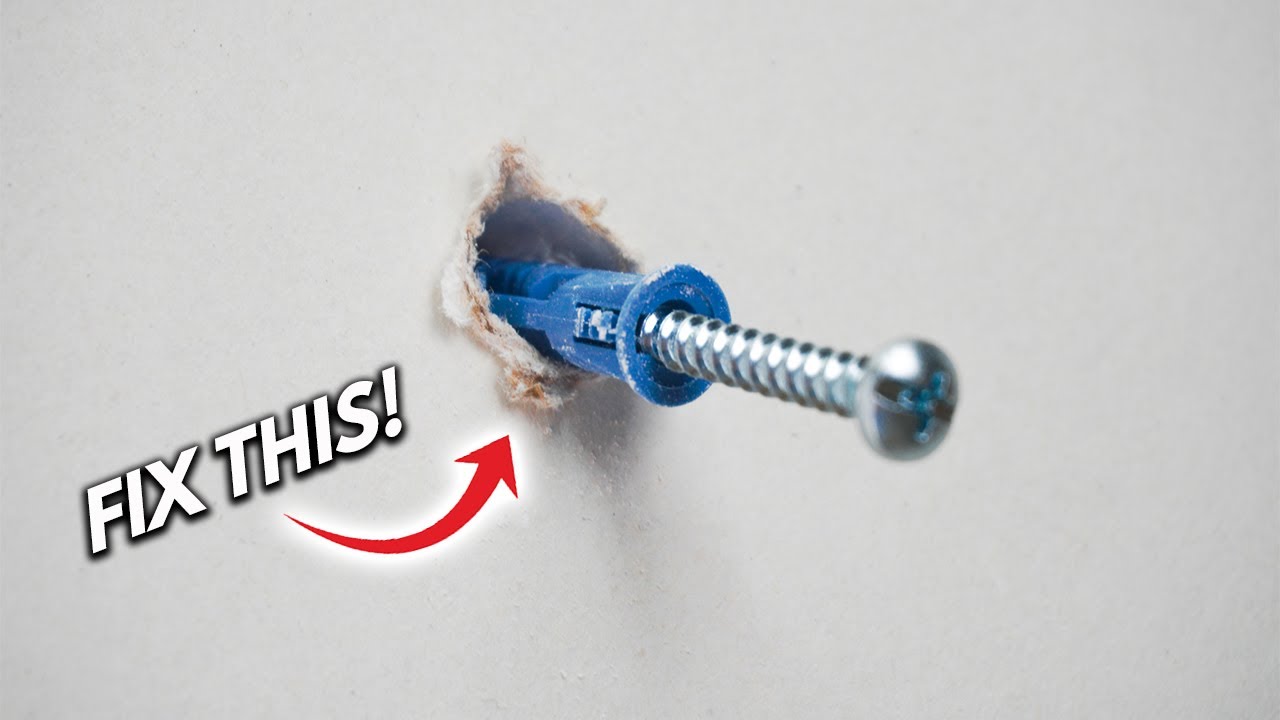
Plastic expansion anchors are the most common type. Insert the anchor into a drilled hole, then screw into it. The anchor expands inside the wall, gripping tightly. They work well for light to medium loads.
Toggle Bolts
Toggle bolts have metal wings that open behind the wall. These wings spread the load over a larger area. They are great for heavy objects on hollow walls. Tightening pulls the wings flush against the inside of the wall.
Molly Bolts
Molly bolts are metal anchors with expandable sleeves. Insert the bolt, then tighten it to expand the sleeve behind the wall. This anchors strongly to drywall or plaster. They offer good support for medium to heavy loads.
Threaded Drywall Anchors
Threaded drywall anchors screw directly into drywall without a drill. Their wide threads grab the drywall securely. Screw the fastener into the anchor to hold items firmly. They work well for light to medium weights.

Credit: www.foundationsupportworksofwyoming.com
Signs Of Loose Wall Anchors
Loose wall anchors can cause problems with your fixtures. They reduce the hold and may cause items to fall. Identifying signs of loose anchors helps prevent damage and keeps your walls safe. Look out for these common indicators.
Wobbly Fixtures
Fixtures that move or shake easily often mean loose anchors. Try to gently wiggle shelves, hooks, or frames. If they feel unstable, the anchor may not be tight enough. This can lead to falls or damage over time.
Visible Gaps
Check the area around the anchor for any gaps. Spaces between the fixture and wall suggest the anchor is loose. These gaps let the fixture shift and lose support. Tightening the anchor can close these gaps and secure the item.
Cracks Around Anchor
Cracks in the wall near the anchor show stress or movement. These cracks can worsen if the anchor stays loose. They may damage your wall and weaken the hold. Fixing loose anchors can prevent these cracks from growing.
Tools Needed For Tightening
Tightening wall anchors requires the right tools to work well and stay secure. Using proper tools makes the job easier and safer. It helps avoid damage to walls and anchors. Here are the main tools you will need for tightening wall anchors.
Screwdrivers
Screwdrivers are essential for tightening screws into wall anchors. Choose the correct size and type, such as flathead or Phillips. Using the right screwdriver prevents slipping and stripping the screw head. A comfortable handle helps you apply steady pressure.
Pliers
Pliers help hold or turn anchors in tight spaces. Needle-nose pliers are useful for small or hard-to-reach anchors. They provide a strong grip and better control. Pliers can also remove damaged anchors if needed.
Drill And Bits
A drill speeds up tightening, especially with many anchors. Use the right drill bit size for pilot holes. A power drill with adjustable speed offers better control. Be careful not to over-tighten and damage the anchor or wall.
Wall Repair Supplies
Wall repair supplies fix any damage after tightening anchors. Use spackle or wall filler for small holes. Sandpaper smooths the surface for painting. Paint or touch-up markers match the wall color for a clean finish.

Credit: diy.stackexchange.com
Step-by-step Tightening Process
Tightening wall anchors can fix loose fixtures and improve stability. Follow this step-by-step process to make sure anchors hold well. Each step helps you check and adjust anchors safely and correctly. Take your time and work carefully for the best results.
Remove The Fixture
Start by removing the fixture attached to the wall. Use a screwdriver or appropriate tool. Unscrew all screws holding the fixture. Gently pull the fixture away from the wall. Keep the screws safe for reattachment later.
Inspect The Anchor
Look closely at the wall anchor inside the hole. Check for cracks, damage, or looseness. If the anchor spins or moves easily, it may need replacement. Sometimes dirt or debris causes looseness. Clean the hole and anchor area carefully.
Tighten Or Replace The Anchor
Try tightening the anchor by turning it clockwise. Use pliers or a screwdriver, depending on anchor type. If it does not tighten or is damaged, remove it. Insert a new anchor of the same size and type. Push or tap it gently into the hole until snug.
Reattach The Fixture
Put the fixture back on the wall. Align the holes with the anchors. Insert screws and turn them clockwise. Tighten until the fixture feels firm but do not over-tighten. Check the fixture’s stability by gently pulling it.
Fixing Stripped Or Damaged Anchors
Stripped or damaged wall anchors cause loose screws and weak holds. Fixing these anchors is key to secure your items properly. This section explains easy ways to repair anchors that no longer grip well.
Using Larger Anchors
Choose a bigger anchor than the damaged one. A larger anchor fits tighter in the hole. It fills the space left by the stripped anchor. This stops the screw from spinning loose. Use anchors designed for the wall type you have.
Filling And Redrilling
Fill the old hole with wood filler or epoxy. Let it dry fully for a strong base. Then, drill a new hole in the filled spot. Insert a new anchor into this fresh hole. This method works well for drywall and plaster.
Switching Anchor Types
Change to a different anchor style for better grip. For example, use toggle bolts instead of plastic anchors. Toggle bolts spread inside the wall for a stronger hold. Choose anchors based on wall material and weight needs.
Preventing Future Looseness
Wall anchors can become loose over time. This leads to weak support and possible damage. Preventing future looseness is key to keeping your walls strong. Simple steps help ensure anchors stay tight longer. Focus on choosing the right anchor, installing it properly, and checking it regularly.
Choosing The Right Anchor
Select anchors based on the wall type and weight load. Use plastic anchors for light items and metal ones for heavy objects. Match the anchor size to the screw and hole. The right anchor holds firmly and reduces looseness risks.
Proper Installation Techniques
Drill holes carefully to fit the anchor size exactly. Avoid making holes too big or small. Insert anchors straight and press gently until flush with the wall. Tighten screws slowly to prevent stripping or cracking the anchor. Correct installation keeps anchors secure and stable.
Regular Maintenance Checks
Inspect anchors often, especially for heavy or frequently used items. Tighten screws that feel loose before problems grow. Replace worn or damaged anchors promptly. Regular checks stop minor looseness from becoming a bigger issue.
Frequently Asked Questions
How Do I Tighten Loose Wall Anchors?
To tighten loose wall anchors, first remove the attached screw. Then, gently push or tap the anchor deeper into the wall. Finally, reinsert and tighten the screw securely without over-tightening to avoid damage.
What Tools Are Needed To Tighten Wall Anchors?
You need a screwdriver matching the screw type, a hammer or rubber mallet, and optionally pliers. These tools help adjust, tap, or secure the wall anchors safely and effectively.
Can I Reuse Wall Anchors After Tightening?
Yes, you can reuse wall anchors if they remain undamaged. Tighten carefully to maintain their hold, but replace anchors if they show cracks or looseness for safety.
Why Do Wall Anchors Become Loose Over Time?
Wall anchors loosen due to weight strain, vibrations, or improper installation. Over-tightening or using wrong anchors for the wall type also causes loosening.
Conclusion
Tightening wall anchors keeps your items safe and secure. Always check the anchor size and type first. Use the right tools for easy and firm tightening. Avoid overtightening to prevent damage to the wall. Regularly inspect anchors to keep them strong over time.
Small fixes now save bigger repairs later. Feel confident hanging shelves, pictures, or mirrors. Simple steps make your walls hold better and last longer. Keep your space tidy and worry-free with steady anchors.


