Are you ready to learn how to put a floor jack down safely and smoothly? Whether you’re working on your car or handling heavy equipment, knowing the right steps can save you from accidents and damage.
In this guide, you’ll discover simple, clear instructions that anyone can follow. By the end, you’ll feel confident handling your floor jack like a pro—and avoid common mistakes that can cause trouble. Keep reading to make sure you’re doing it the right way every time.
Credit: www.homedepot.com
Choosing The Right Floor Jack
Choosing the right floor jack is important for safety and ease of use. The right jack supports your vehicle properly. It also makes the job faster and safer. Consider different types, weight capacity, and build quality.
Knowing these points helps you pick a jack that fits your needs. It ensures you can lift your vehicle without problems. This guide explains what to look for in a floor jack.
Types Of Floor Jacks
Floor jacks come in various types. Hydraulic jacks use fluid pressure to lift heavy loads. They are common and easy to use. Scissor jacks are small and portable but lift less weight. Bottle jacks look like bottles and use hydraulic power. Each type suits different tasks and vehicles.
Weight Capacity Considerations
Check the weight capacity before buying a jack. It must support your vehicle’s weight safely. Choose a jack with a higher capacity than your vehicle’s weight. This prevents accidents and damage. Never exceed the jack’s limit to avoid failure.
Material And Build Quality
Good material and build quality increase safety and durability. Steel jacks are strong and last long. Aluminum jacks are lighter but still strong. Look for smooth operation and sturdy wheels. Quality jacks give better control and last for years.
Preparing The Vehicle
Preparing the vehicle is the first step before putting a floor jack down. It ensures safety and stability during the lifting process. Taking time to prepare helps prevent accidents and damage to the car.
Selecting A Level Surface
Choose a flat and solid surface for the vehicle. Avoid soft ground or sloped areas. A level surface keeps the car stable and stops the jack from slipping. Concrete or asphalt driveways work best.
Engaging The Parking Brake
Set the parking brake firmly. This stops the car from moving while it is lifted. A tight parking brake adds an extra layer of safety. Always check that the brake is fully engaged before proceeding.
Chocking The Wheels
Place wheel chocks in front or behind the tires that stay on the ground. This prevents any rolling during the jack use. Use sturdy blocks or commercial chocks for better grip. Secure chocks on both sides if possible.
Positioning The Floor Jack
Positioning the floor jack correctly is essential for safety and efficiency. It helps lift your vehicle smoothly and prevents damage. Taking time to place the jack properly protects both you and your car. Follow these steps carefully to ensure the best results.
Locating Jack Points
Find the vehicle’s designated jack points before lifting. These points are usually near the wheels or under the frame. Check your owner’s manual for exact locations. Using the wrong spot can damage your car or cause the jack to slip.
Aligning The Jack Properly
Place the jack saddle directly under the jack point. Make sure it sits flat against the vehicle’s surface. Align it so the jack lifts straight up without tilting. A tilted jack can slip and cause accidents.
Ensuring Stability
Confirm the jack is steady on the ground before lifting. Use a level surface to prevent wobbling. Avoid soft or uneven ground that can shift under pressure. Stabilize the vehicle with wheel chocks for extra safety.

Credit: www.ifixit.com
Operating The Floor Jack
Operating the floor jack correctly is key to lifting your vehicle safely. Understanding each step helps avoid accidents and damage. Follow these instructions carefully before you start.
Pumping The Handle
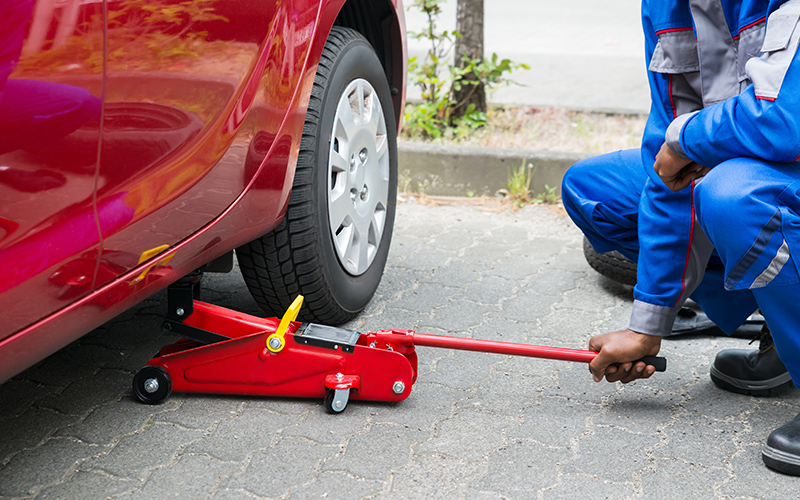
Start by placing the jack under the vehicle’s lifting point. Check the owner’s manual for the exact spot. Pump the handle up and down slowly. This action raises the jack’s arm. Keep pumping until the vehicle starts to lift off the ground.
Raising The Vehicle Safely
Lift the vehicle only high enough to work comfortably. Avoid sudden movements while pumping the handle. Stop if you hear strange noises or feel instability. Make sure the vehicle stays balanced on the jack.
Using Jack Stands
Never rely on the floor jack alone for support. Place jack stands under the vehicle at strong points. Lower the vehicle gently onto the stands by releasing the jack slowly. Double-check that the vehicle is steady before working underneath.
Lowering The Floor Jack
Lowering the floor jack is an important step after lifting your vehicle. It requires care to ensure safety and avoid damage. Following the right steps helps the vehicle come down smoothly and steadily. Take your time and be mindful of each action.
Releasing The Pressure Valve
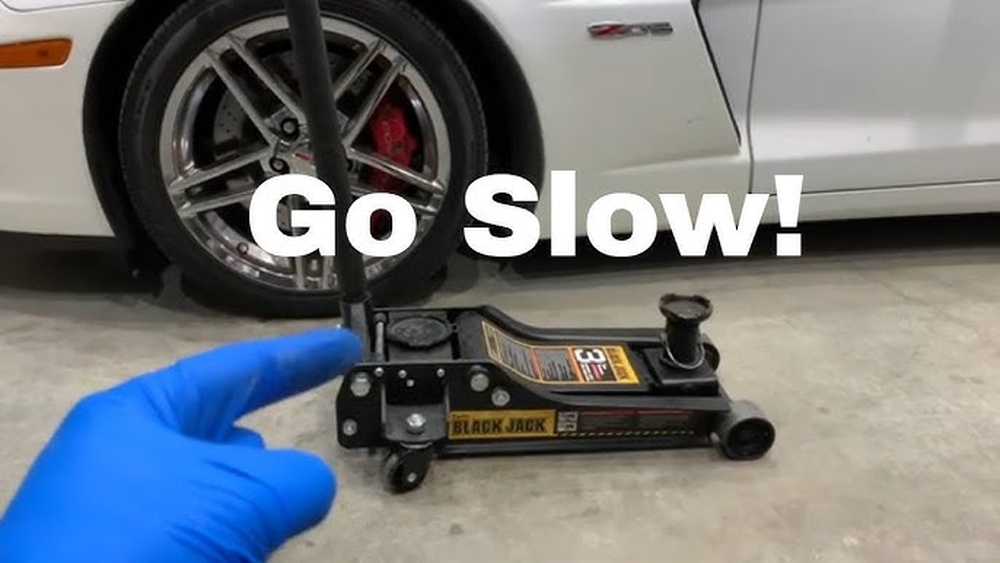
Locate the pressure valve on the floor jack. Turn it slowly to release pressure. This action lets the jack lower in a controlled way. Do not open the valve quickly. Fast release can cause sudden drops and may be dangerous.
Lowering The Vehicle Slowly
As the pressure releases, watch the vehicle carefully. It will begin to lower toward the ground. Keep your hands and feet clear of the area. Move the valve gently to control the speed of descent. Slow lowering keeps the vehicle stable and safe.
Removing The Jack
Once the vehicle rests firmly on the ground, stop lowering the jack. Turn the valve fully to release the pressure. Pull the floor jack out from under the vehicle. Store the jack properly for the next use. Check the area to ensure nothing is left behind.
Safety Tips And Common Mistakes
Using a floor jack can be easy and safe with the right knowledge. Many accidents happen because of simple mistakes. Knowing safety tips helps you avoid injury and damage. This section covers key safety points and common errors.
Avoiding Overloading
Check the jack’s weight limit before use. Never lift more than the rated capacity. Overloading causes the jack to fail or break. This can lead to serious injury or damage. Always use a jack that matches your vehicle’s weight.
Maintaining The Jack
Keep the jack clean and free of dirt. Regularly oil moving parts to ensure smooth operation. Worn or damaged parts reduce safety and effectiveness. Replace any faulty parts immediately. Proper maintenance extends the life of your jack.
Inspecting Before Use
Look closely at the jack before each use. Check for cracks, leaks, or rust. Ensure the lifting pad is in good condition. Test the jack’s lift and release mechanisms. Never use a jack that shows signs of damage.

Credit: www.youtube.com
Frequently Asked Questions
How Do You Safely Lower A Floor Jack?
To safely lower a floor jack, slowly turn the release valve counterclockwise. This gradually lowers the jack. Always ensure no one is under the vehicle during this process. Use steady, controlled movements to prevent sudden drops and maintain safety.
What Is The Correct Position To Place A Floor Jack?
Place the floor jack under the vehicle’s recommended lifting points. These points are usually specified in the owner’s manual. Proper positioning ensures stability and prevents damage. Avoid placing the jack on weak or uneven surfaces for safety.
Can A Floor Jack Be Used On Uneven Surfaces?
No, a floor jack should not be used on uneven surfaces. It requires a flat, stable surface for safe operation. Using it on uneven ground risks slipping or tipping, causing injury or damage.
How Do You Prepare A Vehicle Before Using A Floor Jack?
Before using a floor jack, engage the parking brake and block the wheels. This prevents the vehicle from rolling. Ensure the jack and surface are clean and stable. Always check the jack’s condition before lifting.
Conclusion
Putting a floor jack down safely is important for your work. Lower the jack slowly and watch the vehicle carefully. Keep your hands and feet clear from moving parts. Use the release valve gently to avoid sudden drops. Always check that the jack is stable before removing it.
Taking these steps helps prevent accidents and damage. Practice makes the process easier and safer over time. Stay focused and patient while handling the jack. Safety should always come first in every job.