Choosing the right screw size for your wall anchors can make all the difference between a secure hold and a frustrating failure. If you’ve ever struggled with loose or wobbly fixtures, you know how important it is to get this step right.
You’ll learn simple, practical tips to quickly determine the perfect screw size for your wall anchors. By the end, you’ll feel confident that your shelves, frames, or hooks will stay firmly in place—saving you time, effort, and the headache of repairs.
Let’s dive in and make your next project a success!

Credit: www.picturehangsolutions.com
Types Of Wall Anchors
Choosing the right wall anchor is important for a strong hold. Different anchors suit different walls and weights. Knowing anchor types helps pick the best fit for screws and projects.
Plastic Anchors
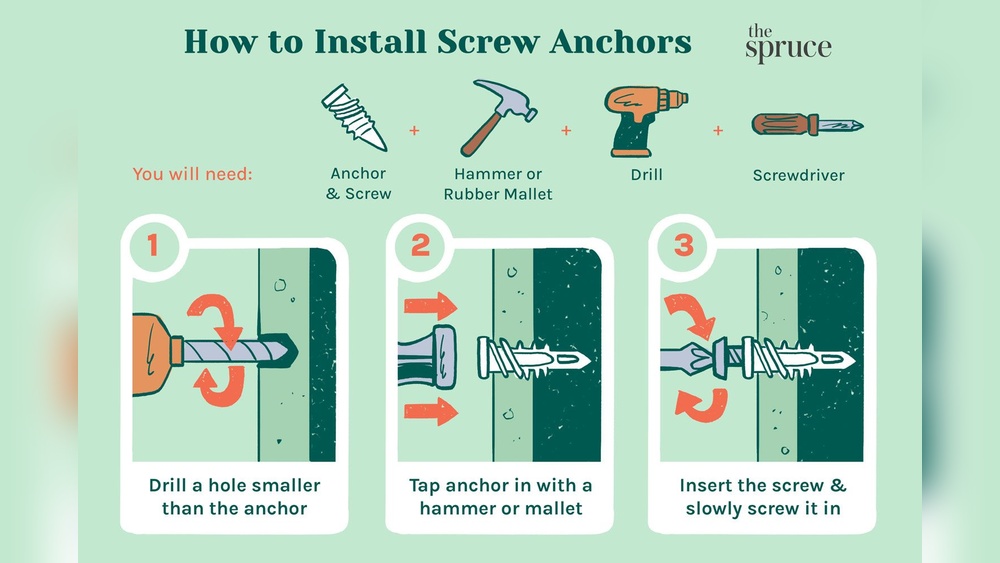
Plastic anchors are common and easy to use. They work well in drywall for light loads. Drill a hole, insert the anchor, then screw in. The plastic expands to grip the wall.
Toggle Bolts
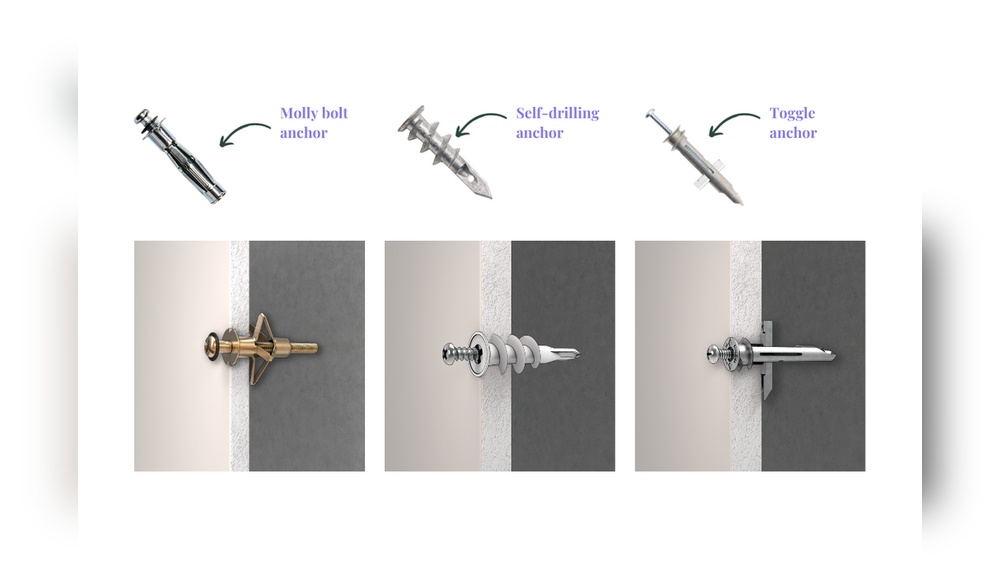
Toggle bolts hold heavy items on hollow walls. They have metal wings that open behind the wall. This spreads the load over a larger area. They need a bigger hole for installation.
Molly Bolts
Molly bolts are metal anchors that expand inside the wall. They provide strong support for medium to heavy loads. Insert the bolt, then tighten to expand the anchor. Good for drywall and plaster walls.
Self-drilling Anchors
Self-drilling anchors screw directly into drywall without pre-drilling. They save time and are easy for beginners. Suitable for light to medium loads. Just twist them in, then insert the screw.

Credit: www.reddit.com
Measuring Anchor Diameter
Measuring the diameter of a wall anchor is key to choosing the right screw size. The screw must fit the anchor snugly to hold weight well and avoid damage. Knowing the anchor diameter helps pick a screw that matches perfectly. This step ensures your wall anchor will work as expected and keep your items secure.
Using A Caliper
A caliper is a tool that measures diameter accurately. Place the anchor between the caliper jaws. Gently close the jaws until they touch the anchor’s widest part. Read the measurement on the caliper scale. This gives the exact diameter in millimeters or inches. Using a caliper avoids guesswork and helps find the right screw size easily.
Checking Manufacturer Specifications
Manufacturers often list anchor diameter on the packaging or product sheet. Look for numbers labeled as “anchor size” or “diameter.” These specs tell you the anchor’s width clearly. Use these details to select a screw that fits perfectly. Trusting the manufacturer’s data saves time and reduces errors in picking screws.
Matching Screw Diameter To Anchor
Matching the screw diameter to the wall anchor is crucial for a strong hold. The screw must fit snugly inside the anchor. Too loose or too tight screws can weaken the support.
Choosing the right screw size helps the anchor expand properly in the wall. This ensures the load is spread evenly. The right fit prevents damage to the wall and keeps items secure.
Choosing The Right Screw Thickness
Select a screw with a diameter that matches the anchor’s inner size. Check the anchor packaging for recommended screw sizes. A screw that is the same thickness as the anchor’s opening works best.
Thinner screws will not grip the anchor firmly. Thicker screws can crack or deform the anchor. Use a screw that slides in with slight resistance for a secure fit.
Avoiding Oversized Or Undersized Screws
An oversized screw can split the anchor or break it inside the wall. This reduces the anchor’s holding power and may cause failure. Avoid forcing a large screw into a small anchor.
An undersized screw will not expand the anchor fully. The anchor will not grip the wall, making it unstable. Always follow the size guide to avoid these common mistakes.
Determining Screw Length
Determining the correct screw length is key for a strong and safe hold. The screw must be long enough to go through the wall, the anchor, and the object. Too short, and it won’t hold. Too long, and it may damage the wall or object. This section explains how to measure the right screw length for wall anchors.
Considering Wall Thickness
First, measure the thickness of the wall. This includes drywall, plaster, or any surface layer. Use a ruler or tape measure to get an accurate number. The screw must pass fully through this thickness to reach the anchor inside.
Allowing For Anchor Expansion
The anchor expands inside the wall to hold tight. The screw must be long enough to allow this expansion. Check the anchor packaging for recommended screw length. Add extra length so the screw can fully expand the anchor without stopping short.
Accounting For Object Thickness
Next, measure the thickness of the object you want to hang. This might be a shelf, picture frame, or bracket. Add this thickness to the screw length. The screw must pass through the object and into the anchor to secure it properly.
Material Considerations
Choosing the right screw size depends on the wall material. Different materials need different anchors and screws. Knowing the material helps pick the best fit. This ensures a strong hold and avoids damage.
Drywall Vs. Concrete
Drywall is soft and fragile. Screws need anchors that spread load inside the wall. Plastic or metal anchors work well here. Use screws that match the anchor size for a tight fit.
Concrete is hard and dense. Use heavy-duty anchors like sleeve or wedge anchors. Screws must be longer and thicker to grip well. Drill a hole before inserting the anchor for best results.
Wood Stud Anchors
Wood studs are strong and hold screws well. Use wood screws that match the anchor size. The screw should be long enough to go through the anchor and into the stud. Avoid screws that are too short or thin.
Pick anchors made for wood studs for a secure hold. These anchors expand inside the wood for extra grip. Matching screw and anchor size prevents loosening over time.
Tools For Accurate Measurement
Choosing the right screw size for wall anchors needs precise measurement. Using proper tools helps avoid mistakes. Accurate measurement tools ensure screws fit perfectly with anchors. This prevents damage to walls and improves stability.
Screw Gauges
Screw gauges measure the diameter and length of screws. They have slots or holes to test screw size quickly. Slide the screw into each slot to find the exact fit. This tool helps pick the right screw without guesswork. It saves time and avoids buying wrong screws.
Drill Bit Guides
Drill bit guides match drill sizes to screw diameters. They show which drill bit fits the anchor and screw. Using the correct drill bit creates a perfect hole size. This stops screws from being too loose or too tight. Drill bit guides make drilling easier and more accurate.
Common Mistakes To Avoid
Choosing the right screw size for wall anchors can be tricky. Many people make simple mistakes that cause weak holds or damage to the wall. Avoiding these errors helps secure your items safely and keeps your walls intact.
Using Incorrect Screw Size
Using screws that are too long or too short can cause problems. Too long screws may break the anchor or wall. Too short screws won’t hold the anchor firmly. Always check the anchor’s packaging for recommended screw size.
Ignoring Anchor Type
Different anchors need different screws. Plastic anchors require specific screw sizes. Metal anchors might need thicker screws. Matching the screw to the anchor type ensures a strong hold and prevents wall damage.
Overtightening Screws
Tightening screws too much can crack the anchor or wall. It reduces the anchor’s grip and weakens the hold. Turn screws gently until secure, then stop. This keeps your anchors and walls safe from damage.

Credit: www.picturehangsolutions.com
Expert Tips For Secure Installation
Installing wall anchors correctly is key to a strong hold. Using the right screw size ensures safety and stability. Follow expert tips to make your installation secure and lasting. These tips help you avoid common mistakes and support heavy items properly.
Pre-drilling Techniques
Always pre-drill a hole before inserting the anchor. Use a drill bit that matches the anchor size. A hole too big or small can weaken the hold. Drill straight and steady to avoid cracking the wall. Clean out dust from the hole for better grip.
Testing Anchor Strength
Test the anchor by gently pulling after installation. If it moves, it may need a larger anchor or screw. Check the weight limit of your anchor and do not exceed it. Use a level to make sure the item is straight. Secure anchors hold firmly without wobbling or shifting.
Regular Inspection And Maintenance
Inspect anchors and screws regularly, especially for heavy items. Look for signs of loosening or damage. Tighten screws if they feel loose over time. Replace damaged anchors to avoid accidents. Regular checks keep your installation safe and durable.
Frequently Asked Questions
What Screw Size Fits Standard Wall Anchors?
Standard wall anchors typically fit screws sized 6 or 8. Always check the anchor packaging for exact screw size recommendations to ensure a secure fit and avoid damaging the wall or anchor.
How To Measure Screw Length For Wall Anchors?
Measure screw length by adding anchor length plus material thickness. This ensures the screw fully engages the anchor and holds the object firmly without protruding excessively.
Can Wrong Screw Size Damage Wall Anchors?
Yes, using the wrong screw size can strip or break anchors. Too large screws expand anchors excessively; too small screws offer weak support, risking wall damage and instability.
Why Is Screw Diameter Important For Wall Anchors?
Screw diameter must match anchor size for a tight fit. Correct diameter ensures anchor expansion, securing the screw and providing maximum holding strength for mounted items.
Conclusion
Choosing the right screw size for wall anchors matters a lot. It keeps your items safe and secure on the wall. Use the anchor size as a guide for the screw diameter. Make sure the screw length matches the anchor and wall thickness.
Avoid screws that are too big or too small. This helps prevent damage and ensures strong support. Remember, simple checks save you from future problems. Follow these steps to get the right fit every time. Good screw and anchor choices make your projects last longer and look better.