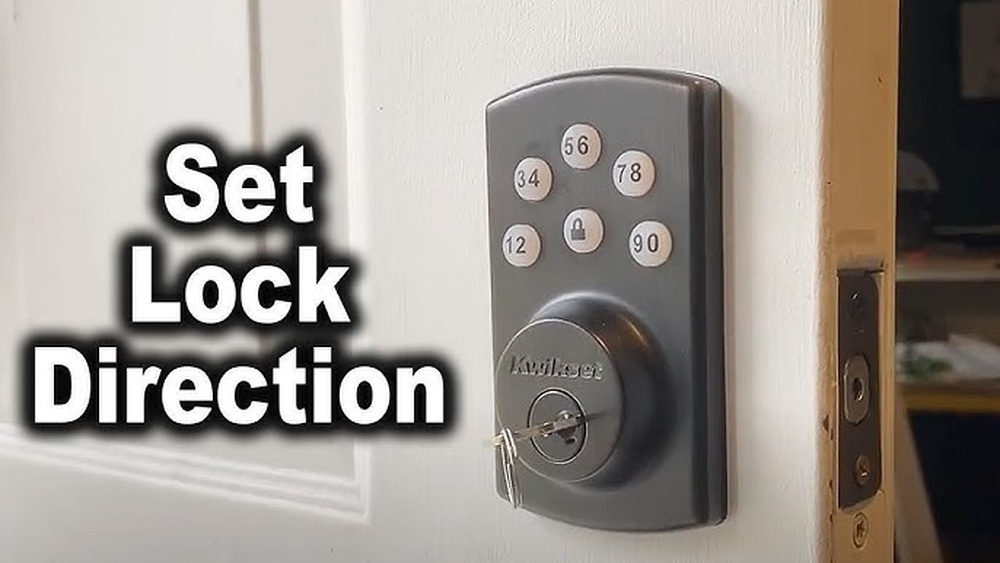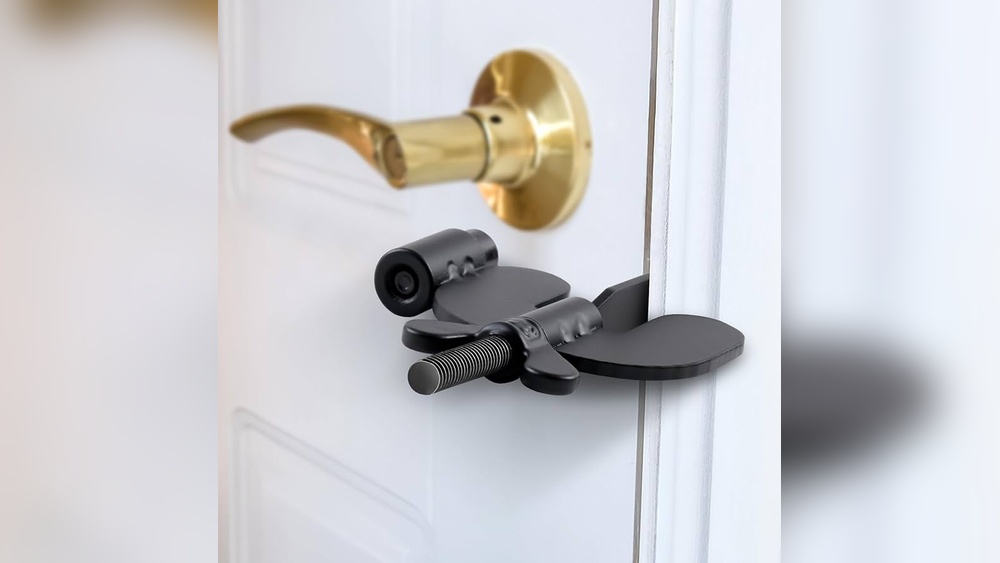
You want to keep your home safe, and knowing how to lock a deadbolt lock properly is a simple step that makes a big difference. Imagine leaving your door unlocked by mistake—how vulnerable would you feel?
This guide will show you easy, clear steps to secure your deadbolt quickly and confidently. By the time you finish reading, you’ll never worry about whether your door is truly locked. Ready to protect what matters most? Let’s get started.
Choosing The Right Deadbolt
Choosing the right deadbolt is key for home security. It protects your door from unwanted entry. Picking the correct type ensures safety and ease of use. Consider the lock’s design, strength, and style before buying. These factors affect how well the deadbolt performs.
Understanding different options helps you decide what fits your needs. Learn about cylinder types, quality grades, and materials. This knowledge guides you to a smart choice. Let’s explore these aspects to help you select the best deadbolt.
Single Vs Double Cylinder
Single cylinder deadbolts use a key on the outside. Inside, you turn a thumb turn to lock or unlock. This type is easy to use and common in many homes. Double cylinder deadbolts need a key on both sides. This adds extra security but can be tricky in emergencies. Choose single cylinder for quick exit and double cylinder for windows or glass near doors.
Grade Ratings Explained
Deadbolts have grades that show their strength and durability. Grade 1 is the strongest and best for high security. Grade 2 offers good protection for most homes. Grade 3 is basic and suits low-risk areas. Check the grade to match your security needs. Higher grade means better resistance to break-ins.
Material And Finish Options
Deadbolts come in different materials like brass, steel, and zinc. Steel is strong and resists damage well. Brass resists corrosion and looks nice on doors. Finishes include polished brass, satin nickel, and oil-rubbed bronze. Pick a finish that matches your door style. Good material and finish improve durability and appearance.

Credit: www.amazon.com
Tools Needed For Installation
Installing a deadbolt lock requires some basic tools. Having the right tools makes the job easier and faster. Prepare everything before you start. This helps avoid delays and mistakes.
Basic Hand Tools
You need a screwdriver, either flathead or Phillips, depending on the screws. A tape measure helps to check the lock’s fit. A pencil is useful to mark drill spots. A hammer may be needed to tap parts gently. A drill with drill bits is essential for making holes.
Optional Power Tools
A power drill speeds up the drilling process. A hole saw bit fits the lock cylinder perfectly. An electric screwdriver reduces hand strain. These tools are not mandatory but save time and effort.
Safety Equipment
Wear safety goggles to protect your eyes from dust and debris. Gloves keep your hands safe from sharp edges. Hearing protection is good if you use loud power tools. Safety first prevents accidents and keeps you comfortable.
Preparing The Door
Preparing the door is the first step in installing a deadbolt lock. This step ensures the lock fits correctly and works smoothly. Proper preparation saves time and prevents damage to your door. Follow each step carefully for the best results.
Measuring And Marking
Start by measuring the height where the deadbolt will go. Usually, it is about 6 to 12 inches above the doorknob. Use a pencil to mark the exact spot on the door edge and face. Accurate marks guide the drilling and help avoid mistakes.
Drilling Holes
Drill holes on the marks you made. Use the right drill bit size for the deadbolt kit. Drill straight and steady to avoid uneven holes. Drill through the door face and door edge carefully. Clean out wood dust from the holes before moving on.
Ensuring Proper Fit
Test the lock parts in the holes. The deadbolt should slide in smoothly without force. Check the lock cylinder and bolt alignment. Adjust the holes or marks slightly if parts don’t fit well. Proper fit keeps the lock secure and easy to use.

Credit: lockly.com
Installing The Deadbolt Lock
Installing a deadbolt lock adds strong security to your door. It is a simple process that anyone can follow. This guide explains each step clearly.
Take your time and work carefully. Proper installation ensures your lock works well and keeps your home safe.
Assembling The Lock Components
Start by unpacking all parts from the box. Check for the lock cylinder, deadbolt, strike plate, screws, and keys. Match each piece to the instruction manual.
Fit the lock cylinder into the door hole. Align the deadbolt with the cylinder. Attach the thumb turn on the inside part of the door. Make sure all pieces fit snugly.
Securing The Lock On The Door
Hold the lock in place on the door edge. Use screws to fasten the lock body tightly. Attach the strike plate on the door frame. Position it so the deadbolt slides easily into the hole.
Tighten all screws firmly. Avoid overtightening, which can damage the door or lock parts. Check the lock’s alignment to prevent sticking.
Testing The Lock Mechanism
Turn the key or thumb turn several times. The deadbolt should move smoothly in and out. Lock and unlock the door from both sides.
Listen for any unusual sounds or resistance. Adjust the strike plate or screws if needed. Confirm the lock holds the door securely closed.
Locking Techniques For Maximum Security
Securing your home or office starts with how you lock your deadbolt. Proper locking techniques make a big difference in safety. Small habits can protect your space better. Understanding these methods helps you avoid common mistakes.
Focus on locking fully, choosing the right method, and using extra features. These steps keep your door strong against break-ins. Learn simple ways to boost your lock’s power.
Engaging The Deadbolt Fully
Push the deadbolt all the way into the door frame. Partially locked bolts offer weak protection. Make sure it slides smoothly and stops firmly. A fully extended bolt resists forced entry better. Always check if the bolt is completely inside the strike plate.
Using The Key Vs Thumb Turn
Use the key on the outside and the thumb turn inside. The key controls who can lock or unlock the door. The thumb turn allows quick locking from inside. Avoid leaving the thumb turn unlocked if you leave home. Choose the best method based on your security needs. Keys add security; thumb turns add convenience.
Double Locking Features
Some deadbolts have double locking options for extra safety. They stop the bolt from being pushed or pulled out. Double locks need special action to unlock, increasing security. Use this feature in high-risk areas. Double locking makes it harder for intruders to break in.
Maintaining Your Deadbolt
Maintaining your deadbolt is key to keeping your home safe. A well-kept lock works smoothly and lasts longer. Small steps can prevent problems and save money on repairs. Take time to care for your deadbolt regularly.
Lubrication Tips
Use a graphite or silicone spray for lubrication. Avoid oil-based lubricants; they attract dust and dirt. Spray a small amount inside the keyhole and on the bolt. Turn the key several times to spread the lubricant evenly. Do this twice a year for best results.
Regular Inspection
Check your deadbolt every few months for damage or wear. Look for loose screws or parts that do not move well. Test the lock by turning the key and bolt several times. Tighten screws if needed. Early checks help avoid bigger problems later.
When To Replace Parts
Replace parts if the lock feels stiff or hard to turn. Broken springs, worn keys, or damaged bolts need new parts. Changing parts on time keeps your lock reliable. If problems continue after repairs, consider replacing the whole deadbolt.
Common Mistakes To Avoid
Locking a deadbolt seems simple, but many make mistakes that weaken security. Avoiding these errors helps keep your home safe. Below are common pitfalls to watch out for.
Improper Installation
Installing a deadbolt incorrectly reduces its strength. The lock must fit tightly and align with the door frame. Loose screws or wrong placement make it easy to break. Always follow the instructions carefully or hire a professional.
Ignoring Door Frame Strength
A strong deadbolt needs a strong door frame. Weak frames can break even if the lock is sturdy. Reinforce the frame with metal plates or stronger wood. This stops forced entry through the frame.
Using Low-quality Locks
Cheap locks are easier to pick or break. Choose locks made with solid materials and good ratings. High-quality locks last longer and provide better protection. Avoid locks without certification or poor reviews.

Credit: www.wikihow.com
Frequently Asked Questions
How Do You Lock A Deadbolt Lock Properly?
To lock a deadbolt, turn the key or thumb turn fully until it stops. Ensure the bolt extends completely into the door frame for maximum security.
Can You Lock A Deadbolt From Inside Without A Key?
Yes, most deadbolts have a thumb turn on the inside. Simply rotate it to lock or unlock without using a key.
What Tools Do I Need To Lock A Deadbolt?
No special tools are needed to lock a deadbolt. Just use the key or thumb turn to engage the lock securely.
How Can I Tell If My Deadbolt Is Locked?
Check if the bolt is fully extended into the door frame. If it is, your deadbolt is locked properly.
Conclusion
Locking a deadbolt is simple and keeps your home safe. Turn the key or thumb turn to secure the door. Check that the bolt fully extends into the door frame. A properly locked deadbolt stops unwanted entry. Practice this a few times to feel confident.
Always lock your door before leaving or sleeping. Safety starts with small, easy steps like this. Protect your home and family with a strong lock. Don’t forget: a locked deadbolt adds peace of mind.