Are you struggling to hang shelves, pictures, or heavy items on your walls? Knowing how to install a screw with a wall anchor can make all the difference.
It’s the key to making sure your items stay secure and your walls stay damage-free. In this guide, you’ll learn simple, step-by-step tips to get the job done right the first time. Keep reading, and soon you’ll have the confidence to tackle any wall-mounting project easily and safely.
Choosing The Right Wall Anchor
Choosing the right wall anchor is key to a strong hold. The anchor must fit the wall type and the weight of the item. Using the wrong anchor can cause damage or failure.
This section helps you pick the best anchor for your project. Learn about types, wall materials, and size choices.
Types Of Wall Anchors
There are several types of wall anchors. Plastic expansion anchors work for light loads and drywall. Metal anchors handle medium to heavy loads. Toggle bolts spread weight over a larger area. Molly bolts expand inside the wall for a firm grip.
Matching Anchors To Wall Material
Drywall needs plastic or metal anchors. Concrete and brick require heavy-duty anchors or masonry anchors. Plaster walls use special anchors made for delicate surfaces. Choose anchors designed for your wall type to avoid damage.
Selecting The Correct Anchor Size
The anchor size depends on the screw size and load weight. Small anchors hold light items like picture frames. Large anchors support heavy shelves or mirrors. Always check the anchor’s weight rating before buying.

Credit: www.youtube.com
Tools And Materials Needed
Before starting to install a screw with a wall anchor, gather all needed tools and materials. Proper tools make the job easier and safer. Using the right items ensures a strong hold in the wall.
Below is a list of essential tools and safety gear for this task. Preparing well helps avoid mistakes and saves time.
Essential Tools
- Drill with correct drill bit size
- Screwdriver or screw gun
- Wall anchors matching screw size
- Measuring tape or ruler
- Pencil for marking spots
- Hammer (sometimes needed to tap anchors)
- Level to check alignment
Recommended Safety Gear
- Safety goggles to protect eyes
- Dust mask to avoid inhaling debris
- Work gloves to protect hands
- Ear protection if using loud drills
Preparing The Wall
Preparing the wall is the first step to install a screw with a wall anchor. It ensures a strong hold and prevents damage. Taking time to prepare the wall helps the anchor stay in place. This makes the screw secure and safe for hanging items.
Locating The Drill Spot
Find the exact spot where you want to place the screw. Use a tape measure to check the height and distance. Check if there are pipes or wires behind the wall. Avoid drilling into these to prevent accidents. Use a stud finder to locate studs or empty spaces. Pick a spot in the empty space for the wall anchor.
Marking The Hole Position
Use a pencil to mark the drill spot clearly. Make a small dot to guide the drill bit. Double-check the mark for accuracy before drilling. Make sure it lines up with what you want to hang. Clear any dust or dirt from the marked spot. This helps the drill bit start smoothly and prevents slipping.

Credit: www.youtube.com
Drilling The Hole
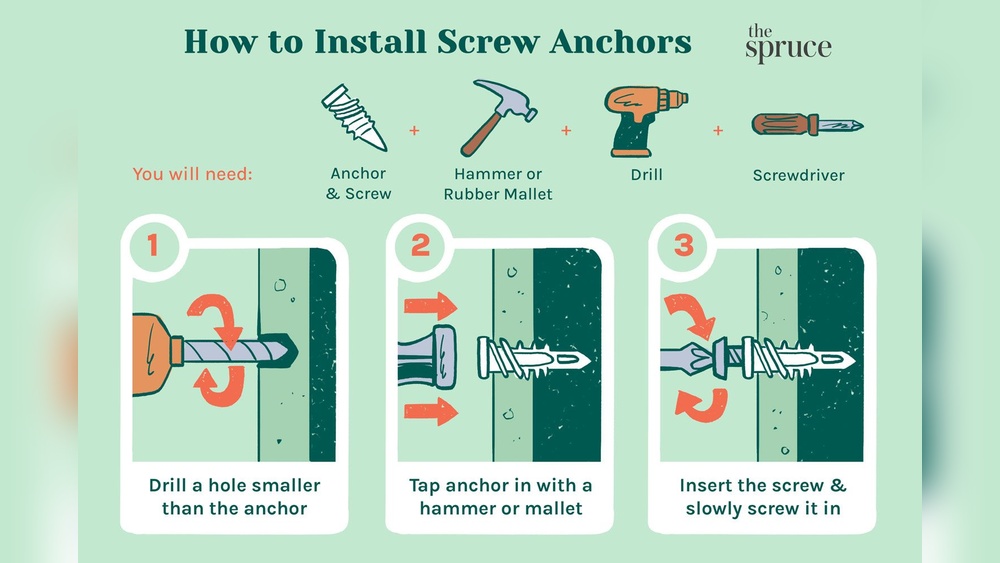
Drilling the hole is the first important step to install a screw with a wall anchor. It creates a perfect opening for the anchor to fit tightly. A clean, precise hole helps the anchor hold strong and prevents wall damage. Take your time and follow the right techniques.
Choosing The Right Drill Bit
Select a drill bit that matches your wall anchor size exactly. The bit should be the same diameter as the anchor’s body. Using a smaller bit makes the hole too tight and risks cracking the wall. A bigger bit makes the anchor loose, reducing its grip. For drywall, use a standard twist bit. For masonry or concrete, use a carbide-tipped bit. This choice ensures smooth drilling and a strong anchor hold.
Drilling Techniques For Clean Holes
Start drilling slowly to avoid slipping on the wall surface. Hold the drill steady and straight to keep the hole even. Drill at a constant speed without pushing too hard. Stop once you reach the anchor’s length depth. Clean out dust from the hole with a brush or air blower. This step helps the anchor fit properly and hold firmly. Smooth, clean holes improve the strength of your installation.
Inserting The Wall Anchor
Inserting the wall anchor is a key step to secure screws firmly in the wall. The anchor holds the screw tightly and prevents it from slipping out. Proper insertion ensures strong support for shelves, hooks, and other fixtures. This part requires care and precision.
Pushing Vs. Hammering Anchors
Some anchors can be pushed into the hole by hand. This method works well with soft walls. It avoids damage and keeps the anchor intact. Other anchors need a light tap with a hammer. Hammering helps when the wall is hard or the hole is tight. Use gentle taps to avoid breaking the anchor.
Ensuring Proper Anchor Placement
Place the anchor flush with the wall surface. It should not stick out or sit too deep. Check if the anchor fits snugly in the hole. A loose anchor will fail to hold the screw. Push or tap carefully until the anchor is secure and level.
Installing The Screw
Installing the screw into the wall anchor is a key step. It holds your item firmly on the wall. Doing it right ensures strength and safety. This section covers how to pick the right screw and how to drive it securely.
Selecting The Correct Screw
Choose a screw that fits the wall anchor size. The screw should be long enough to go through the anchor fully. If it is too short, it won’t hold well. If too long, it might damage the wall behind. Match the screw type to the wall and anchor material. Use screws made of rust-resistant metal for damp areas. The thread of the screw must fit tightly inside the anchor. This helps the screw grab the anchor firmly.
Driving The Screw Securely
Start by placing the screw tip into the wall anchor opening. Use a screwdriver or drill with a proper bit size. Turn the screw slowly and steadily. Do not force it too fast. Stop when the screw head is flush with the wall surface. Avoid overtightening, which can break the anchor or wall. The screw should feel snug and secure, holding the anchor firmly in place.
Testing The Hold
Testing the hold is a key step after installing a screw with a wall anchor. It shows if the anchor grips tightly inside the wall. A strong hold keeps your items safe and steady. This step helps avoid damage or accidents from loose fixtures.
Checking Stability
Gently pull or push the fixture to check its stability. The screw should not move or wiggle in the wall. If it feels solid, the anchor is holding well. Test with light pressure first, then increase slightly. Avoid force that could damage the wall.
Troubleshooting Loose Fixtures
If the fixture moves or feels loose, the anchor may not grip well. Remove the screw and check the anchor size. Using a bigger anchor can improve the hold. Also, ensure the hole is not too large for the anchor. Filling the hole with a bit of wall repair compound can help before re-inserting the anchor.
:max_bytes(150000):strip_icc()/how-to-use-and-discard-anchor-screws-1822671-002-04-4963da18c2674e6bbf07e5fc07d5b4f0.jpg)
Credit: www.thespruce.com
Frequently Asked Questions
What Tools Are Needed To Install A Screw With Wall Anchor?
You need a drill, screwdriver, wall anchors, screws, and a hammer. These tools ensure a secure and proper installation. Using the right tools prevents wall damage and improves screw holding strength.
How To Choose The Right Wall Anchor For Screws?
Select anchors based on wall type and screw size. Plastic anchors suit drywall, while metal ones work for heavier loads. Proper choice ensures stability and prevents anchors from pulling out.
Can I Install A Screw Without A Wall Anchor?
Installing screws without anchors is possible only in studs or solid wood. Drywall alone cannot hold screws firmly. Anchors provide extra grip and prevent screws from loosening or damaging the wall.
How Deep Should I Drill Before Inserting A Wall Anchor?
Drill a hole slightly deeper than the wall anchor length. This allows the anchor to fit fully and hold securely. Proper depth ensures the anchor expands and grips the wall effectively.
Conclusion
Installing screws with wall anchors is simple and reliable. Choose the right anchor for your wall type. Drill a hole slightly smaller than the anchor size. Push the anchor into the hole until it is flush. Insert the screw slowly, letting it grip the anchor.
This method holds items firmly on drywall or plaster. It prevents damage and keeps your walls safe. Practice a few times to gain confidence. Soon, you will fix shelves, pictures, or hooks easily. A small effort for strong, lasting support.