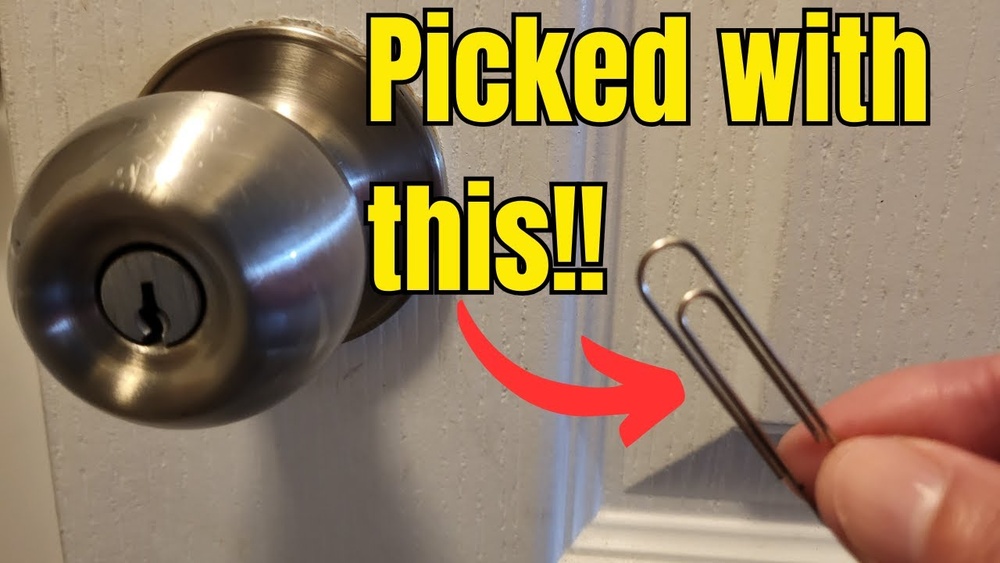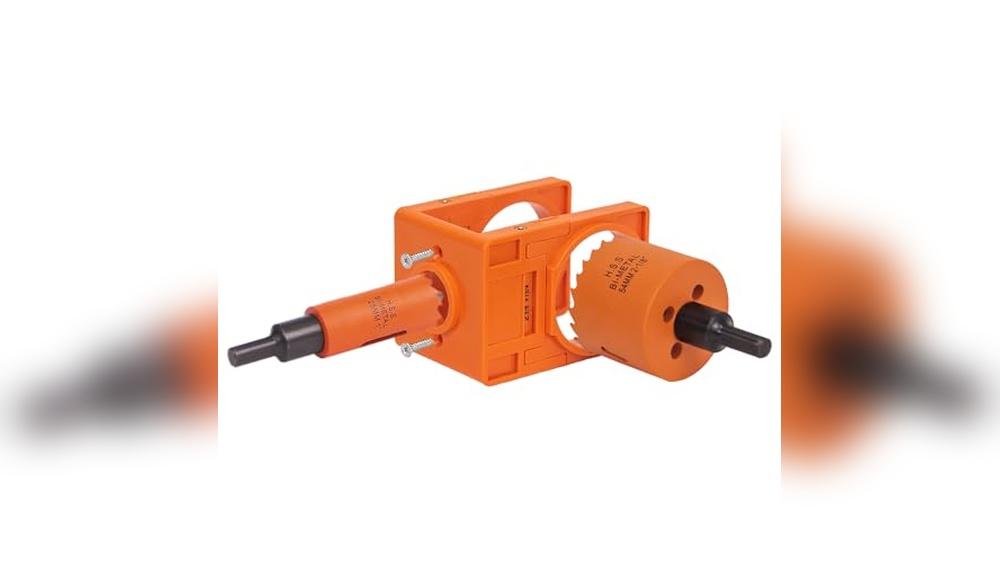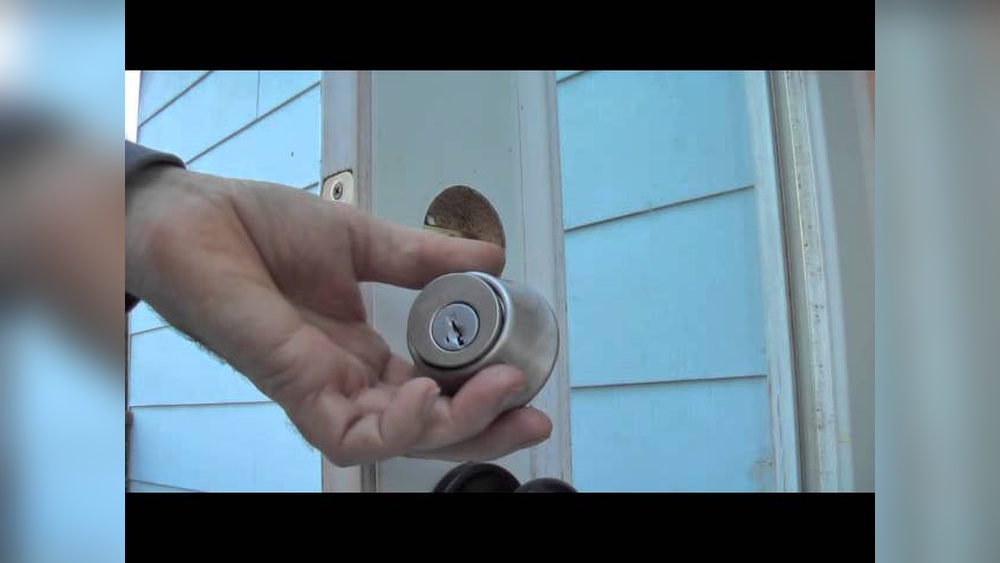
Is your deadbolt feeling loose or wobbly? A shaky lock can make your home feel less secure and cause constant frustration every time you try to lock your door.
But don’t worry—you don’t need to call a locksmith right away. You can tighten your deadbolt quickly and easily with just a few simple steps. In this guide, you’ll learn exactly how to fix your deadbolt so it fits snugly and works smoothly.
Keep reading, and you’ll have a stronger, safer lock in no time.
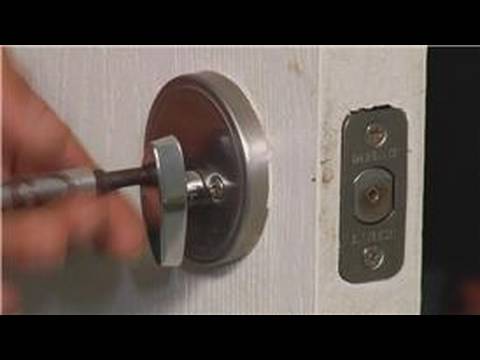
Credit: www.youtube.com
Signs Your Deadbolt Needs Tightening
Knowing the signs that your deadbolt needs tightening helps keep your home safe. A loose deadbolt can be a weak point for security. Small problems can become big issues if not fixed soon.
Watch for warning signs to act quickly. These signs often show before the deadbolt stops working completely. Tightening the deadbolt can improve its function and security.
Loose Deadbolt Components
Parts of the deadbolt may feel wobbly or shift easily. The screws holding the lock might be loose. The lock may move when you push or pull on it. Loose parts reduce the lock’s strength and security.
Difficulty Turning The Key
The key may be hard to turn in the lock. It might stick or catch inside the cylinder. This could mean the deadbolt is misaligned or parts are loose. A tight deadbolt should turn smoothly without force.
Visible Gaps Around The Lock
Look closely at the edges of the deadbolt. Gaps between the lock and the door or frame suggest looseness. These gaps can let air, moisture, or even intruders inside. A properly tightened deadbolt fits snugly without spaces.

Credit: www.reddit.com
Tools Required For Tightening
Before tightening a deadbolt, gather the right tools. Having proper tools makes the task easier and faster. Each tool has a specific role in the process. Preparing these tools helps avoid interruptions and ensures safety.
Screwdrivers
Screwdrivers are essential for loosening and tightening screws. Most deadbolts use Phillips or flathead screws. Use the correct screwdriver size to avoid damaging screws. A magnetic screwdriver can hold screws in place during work. Keep a set of screwdrivers handy for different screw types.
Allen Wrenches
Some deadbolts require Allen wrenches for adjustment. These hex keys fit into small screws or bolts on the lock. Allen wrenches come in various sizes, so choose the right one. Carry a set of Allen wrenches to handle different locks. They help tighten parts that screwdrivers cannot reach.
Lubricants
Lubricants keep the deadbolt moving smoothly after tightening. Use a graphite or silicone-based lubricant for locks. Avoid oil-based lubricants as they attract dust and dirt. Apply lubricant sparingly to avoid mess. Proper lubrication reduces wear and extends lock life.
Preparing The Deadbolt For Adjustment
Preparing the deadbolt for adjustment is an important first step. It helps you understand what needs fixing. This step makes the tightening process easier and faster.
Start by opening the door and checking the deadbolt. Look for any visible problems. These simple checks save time later.
Removing The Deadbolt Cover
Find the screws holding the deadbolt cover. Use a screwdriver to remove them carefully. Keep the screws in a safe place.
Gently pull off the cover to see the inside parts. Avoid forcing it, which might cause damage. The cover reveals the lock mechanism for inspection.
Inspecting The Lock Mechanism
Look closely at the lock parts inside the deadbolt. Check for loose screws or worn pieces. Tighten any loose screws with your screwdriver.
Notice if any parts look broken or bent. These parts may need replacement before adjusting. Clean dust or dirt that might block the mechanism.
Credit: goclad.com
Step-by-step Tightening Process
Tightening a deadbolt improves security and prevents rattling. The process involves adjusting parts carefully to fit snugly. Follow these steps to make your deadbolt work smoothly and stay firm.
Tightening Screws On The Interior Plate
Start by locating the screws on the interior plate of the deadbolt. Use a screwdriver to turn each screw clockwise. Tighten them until the plate feels secure but avoid over-tightening. Over-tightening can strip the screws or damage the door. Check that the interior plate does not move or wiggle after tightening.
Adjusting The Strike Plate
Next, examine the strike plate on the door frame. Loose strike plates cause deadbolts to feel loose or misaligned. Remove the screws and reposition the plate if necessary. Align it so the deadbolt slides smoothly into the hole. Tighten the screws firmly, ensuring the plate is flush against the frame.
Securing The Deadbolt Cylinder
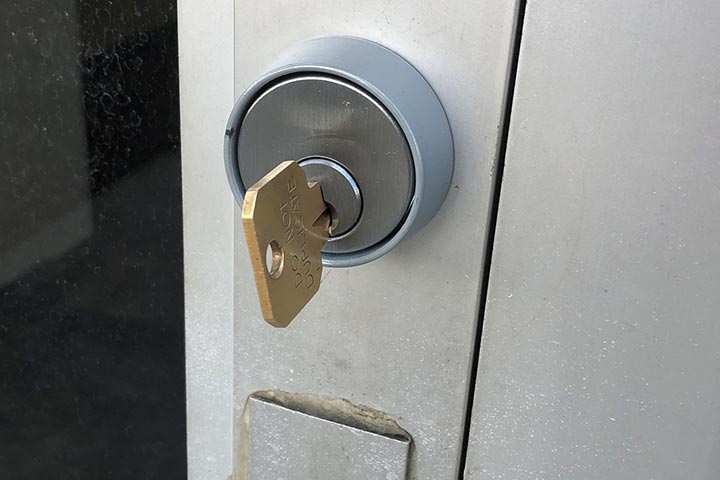
Finally, check the deadbolt cylinder on the exterior side of the door. Tighten the mounting screws carefully using a screwdriver. The cylinder should not move or turn loosely in the door. Confirm that the key turns easily and the deadbolt extends fully. Proper tightening here keeps the lock secure and functional.
Testing Lock Functionality
Testing lock functionality is a key step after tightening a deadbolt. It ensures the lock works properly and keeps your door secure. Checking the lock carefully helps avoid future problems. This section covers how to test the lock in three simple steps.
Turning The Key Smoothly
Insert the key and turn it gently. The key should turn without sticking or resistance. If it feels rough or hard, the lock might need more adjustment. Smooth turning means the internal parts are aligned well.
Checking Bolt Movement
Watch the bolt as you turn the key. It should slide out fully and retract easily. The bolt must move straight without wobbling or jamming. Proper bolt movement ensures the door locks tightly and safely.
Ensuring Door Alignment
Close the door and lock it. The bolt should fit perfectly into the strike plate. If the bolt hits the plate or stops early, the door needs realignment. Correct alignment stops the deadbolt from sticking or failing.
Additional Tips For Deadbolt Security
Keeping your deadbolt secure needs more than just tightening screws. Small steps help make your door stronger. These extra tips improve your lock’s safety. They stop problems before they start.
Using Longer Screws
Replace short screws in the strike plate with longer ones. Longer screws reach deep into the door frame. This makes the lock harder to force open. Use screws at least 3 inches long. This simple change boosts your door’s strength a lot.
Applying Lubricant Regularly
Keep your deadbolt moving smoothly by applying lubricant. Use a graphite or silicone spray for best results. Avoid oil-based lubricants; they attract dirt. Lubricate the lock every six months or after rain. This prevents sticking and wear on the parts.
Upgrading To High-security Locks
Consider upgrading to a high-security deadbolt. These locks resist picking and drilling better. They use stronger materials and advanced designs. Choose locks with certified security ratings. This upgrade adds a strong layer of protection.
Frequently Asked Questions
How Do I Tighten A Loose Deadbolt Lock?
To tighten a loose deadbolt, first remove the screws on the faceplate. Adjust the lock’s position and reinsert screws firmly. Tightening the strike plate screws also helps secure the bolt. Ensure all parts fit snugly without forcing the mechanism.
What Tools Are Needed To Tighten A Deadbolt?
You need a screwdriver, usually Phillips or flathead, to tighten screws. A drill may help for stripped holes. Optionally, wood filler or shims can fix loose strike plates. Having a level can ensure the deadbolt aligns correctly with the door frame.
How Often Should Deadbolts Be Tightened?
Deadbolts should be checked and tightened every 6 to 12 months. Frequent use can loosen screws and misalign components. Regular maintenance improves security and prolongs lock lifespan. Prompt tightening prevents lock failure and potential break-ins.
Can Tightening A Deadbolt Improve Home Security?
Yes, tightening a deadbolt enhances security by preventing lock wobble and forced entry. A secure lock resists tampering and ensures proper bolt engagement. Loose locks are easier to pick or break, so tightening is a simple yet effective security step.
Conclusion
Tightening a deadbolt keeps your home safe and secure. Small steps make a big difference. Check the screws and tighten them carefully. Test the lock to ensure it works smoothly. A well-maintained deadbolt lasts longer. Keep your tools handy for quick fixes.
Stay safe with simple home repairs. You can handle this task with ease. Protect what matters most by keeping locks tight.