Are you looking to make your warehouse safer and more organized? Anchoring high bay pallet racks to your walls is a smart move.
It keeps your racks steady, prevents accidents, and protects your valuable inventory. But how do you do it right? You’ll discover simple, step-by-step tips to securely anchor your high bay pallet racks. By following these easy instructions, you’ll save time, avoid costly mistakes, and create a safer workspace for everyone.
Keep reading to learn exactly what you need to do.
Choosing The Right Anchors
Choosing the right anchors is key to safely fixing high bay pallet racks to walls. Strong anchors keep racks stable and secure. Picking the correct type depends on wall material and rack weight. This section explains how to select the best anchors for your setup.
Types Of Wall Anchors
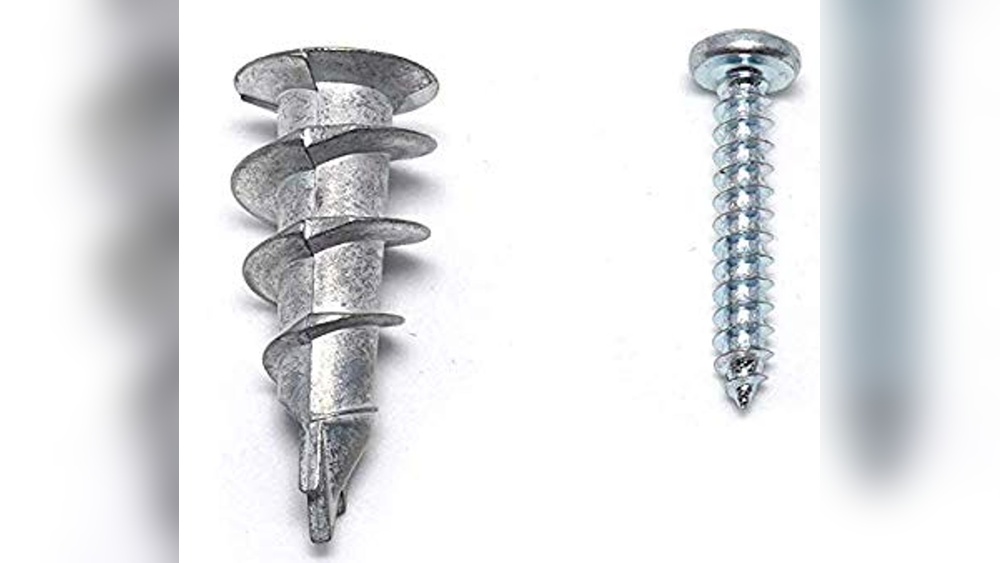
There are several wall anchors for pallet racks. Expansion anchors spread inside the wall for strong hold. Sleeve anchors work well in concrete or brick. Toggle bolts use wings that open behind the wall. Each type fits different wall styles and strength needs.
Material Compatibility
Wall anchors must match the wall material. Concrete and brick need heavy-duty anchors like sleeve or expansion types. Drywall requires toggle bolts or anchors designed for hollow walls. Using the wrong anchor can cause racks to loosen or fall.
Load Capacity Considerations
Anchors must hold the weight of racks and stored items. Check the weight rating on anchor packaging. Always choose anchors with a higher capacity than the total load. This prevents accidents and ensures long-term safety.
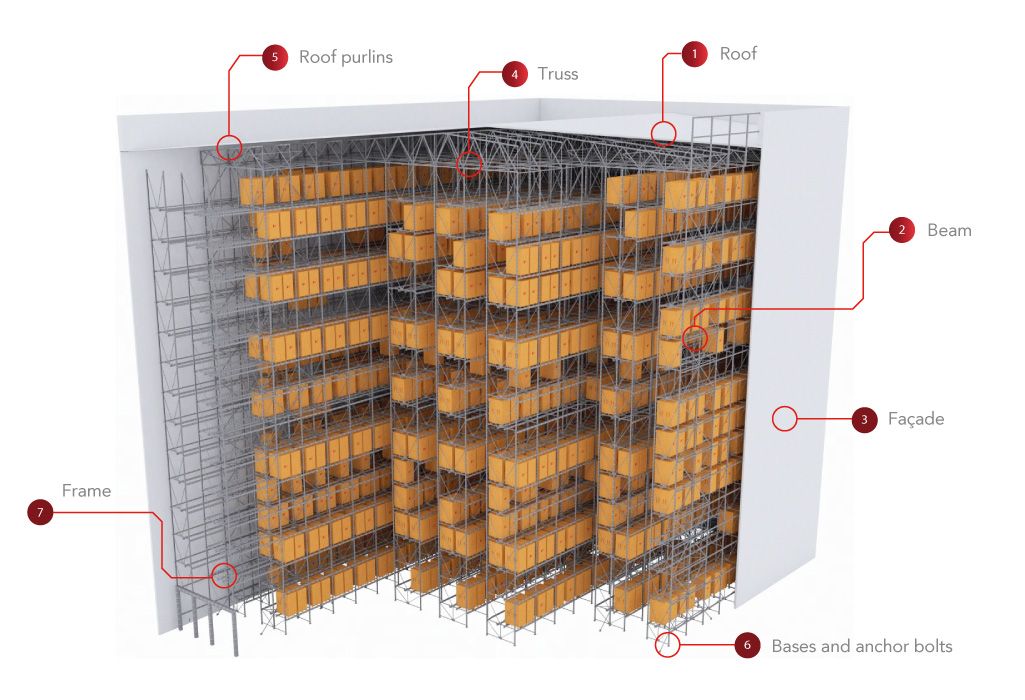
Credit: www.ar-racking.com
Preparing The Wall And Rack
Preparing the wall and rack is a crucial step before anchoring high bay pallet racks. This process ensures the rack stays stable and safe during use. Proper preparation helps avoid accidents and damage to inventory. Taking time to inspect, measure, and clean the area leads to a successful installation.
Inspecting Wall Conditions
Start by checking the wall for cracks, holes, or damage. The wall must be strong enough to hold the rack’s weight. Look for moisture or mold, which can weaken the structure. Use a level to confirm the wall is straight. Uneven walls can cause the rack to tilt or fall.
Measuring And Marking Anchor Points
Measure the height and width of the rack carefully. Mark the spots on the wall where anchors will go. Use a pencil and a level to make straight, even marks. These points must match the rack’s mounting holes exactly. Accurate marking prevents misalignment and ensures firm anchoring.
Cleaning And Clearing The Area
Clear the area around the wall and rack location. Remove dust, dirt, and debris from the wall surface. Clean the rack’s base and mounting areas too. A clean surface helps anchors grip better and hold tight. Keep the space free of obstacles for safe work.
Installing The Anchors
Installing the anchors is a key step to secure high bay pallet racks firmly to the wall. Proper anchoring helps keep the racks stable and safe during use. It requires careful drilling, correct placement of anchors, and tight fastening of the rack. Each step ensures the structure can hold heavy loads without shifting.
Drilling Proper Holes
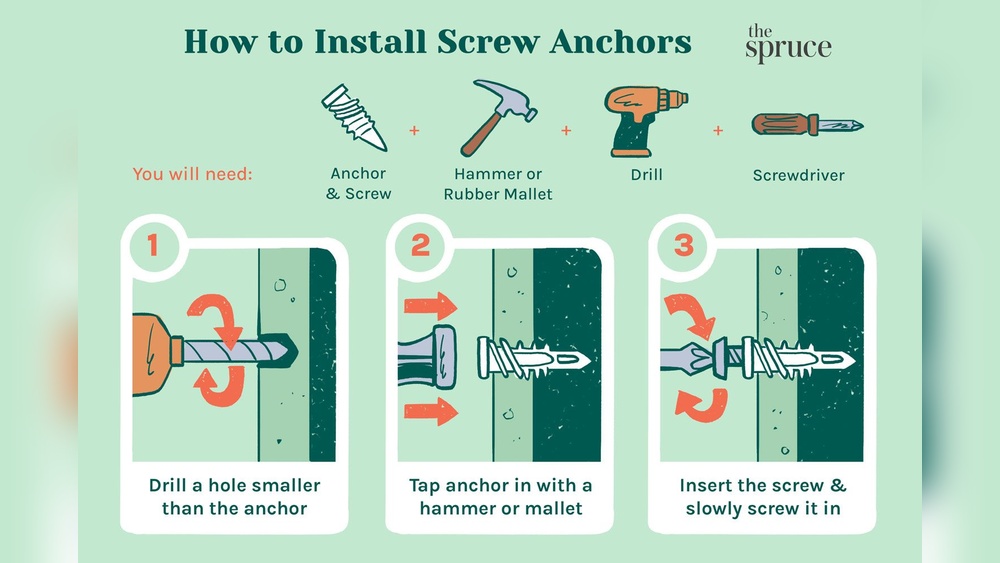
Start by marking the exact spots for drilling on the wall. Use a level to align the marks evenly. Choose a drill bit that matches the size of the anchor. Drill straight holes to the right depth. Clean out dust from the holes for better anchor grip.
Securing Anchors Correctly
Insert anchors fully into the drilled holes. Tap lightly with a hammer if needed. Make sure anchors sit flush with the wall surface. Check each anchor is tight and does not move. Properly secured anchors provide strong support for the rack.
Fastening The Rack To Wall
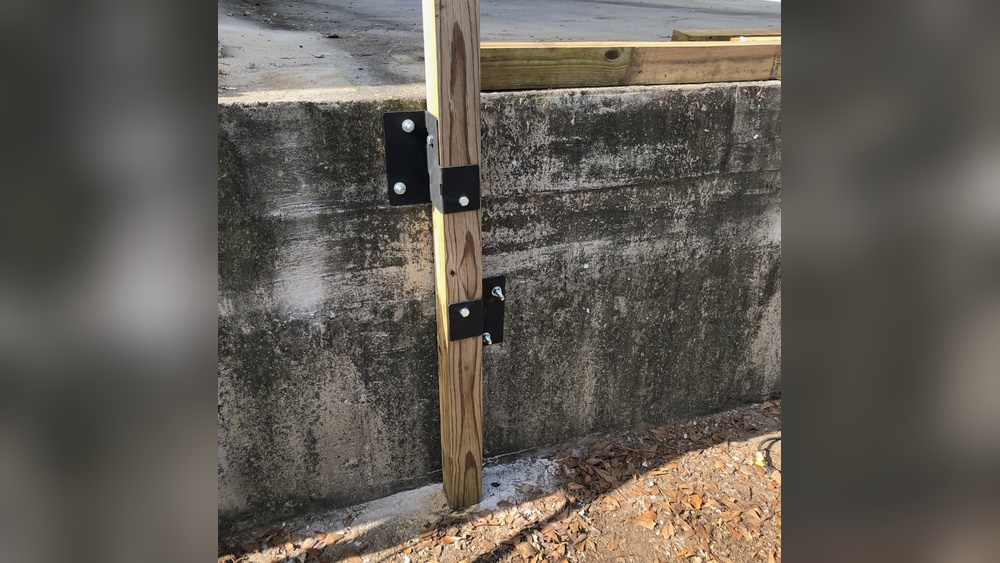
Lift the high bay pallet rack into position. Align rack holes with the installed anchors. Insert bolts or screws through the rack into anchors. Tighten all fasteners firmly using a wrench or screwdriver. Verify the rack is stable and cannot wobble.
Safety Checks And Maintenance
Safety checks and maintenance are key to keeping high bay pallet racks secure. Regular care helps avoid accidents and extends rack life. A simple routine can spot problems early and keep anchors strong.
Verifying Anchor Stability
Check anchors for tightness often. Use a wrench to test if bolts are loose. Make sure no movement occurs in the rack base. Tighten any loose anchors immediately to keep racks steady.
Routine Inspections
Inspect racks weekly for signs of damage or wear. Look for cracks, rust, or bent parts near anchor points. Clean debris around anchors to avoid hidden issues. Document inspection results for future reference.
Addressing Wear And Damage
Replace worn or damaged anchors without delay. Small cracks can grow and cause failure. Use only manufacturer-approved parts for repairs. Keep repair records to track maintenance history and ensure safety.
Common Mistakes To Avoid
Anchoring high bay pallet racks to the wall requires care. Avoiding common mistakes helps keep racks safe and strong. Understanding these errors can save time and prevent damage.
Using Incorrect Anchor Types
Choosing the wrong anchors weakens rack stability. Not all anchors suit every wall type. Use anchors designed for concrete or steel, not wood or drywall. Wrong anchors can loosen or fail under weight. Always check anchor specifications before installation.
Improper Fastening Techniques
Fastening bolts too tight or too loose causes problems. Over-tightening can crack walls or damage racks. Loose bolts let racks wobble and shift. Use a torque wrench to apply correct pressure. Follow manufacturer guidelines for best results.
Neglecting Regular Inspections
Skipping inspections lets small issues grow. Bolts may loosen or anchors corrode over time. Regular checks catch problems early and keep racks secure. Inspect racks at least twice a year. Fix any issues immediately to avoid accidents.
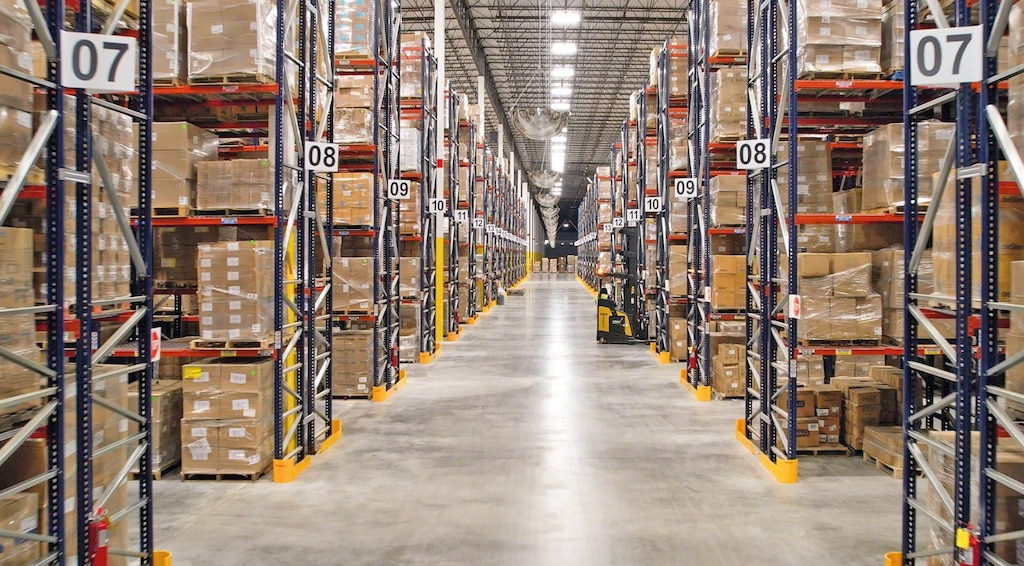
Credit: www.interlakemecalux.com
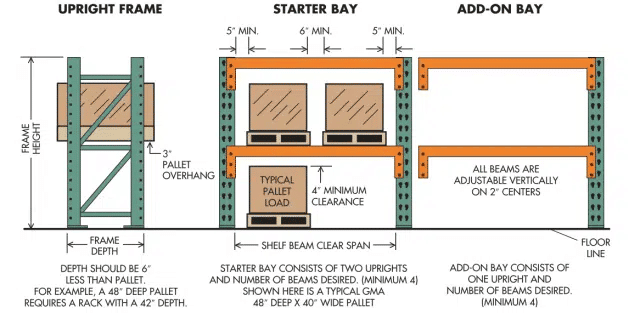
Credit: palletracknow.com
Frequently Asked Questions
How Do You Anchor High Bay Pallet Racks To Walls?
To anchor high bay pallet racks, use heavy-duty brackets and bolts. First, locate wall studs or concrete anchors. Then, secure brackets to racks and wall firmly. This ensures stability and safety in warehouse storage areas.
What Tools Are Needed To Anchor Pallet Racks Properly?
You need a drill, level, measuring tape, heavy-duty brackets, bolts, and anchors. These tools help ensure racks are securely attached to walls, preventing accidents and maintaining structural integrity.
Why Is Wall Anchoring Important For Pallet Racks?
Wall anchoring prevents racks from tipping or collapsing under heavy loads. It enhances safety, protects inventory, and complies with warehouse regulations. Proper anchoring extends rack lifespan and reduces workplace hazards.
Can I Anchor Pallet Racks To Any Wall Type?
No, anchoring depends on wall material. Concrete or masonry walls require anchors like sleeve or wedge types. Drywall or lightweight walls usually need reinforcement or different support methods to hold pallet racks safely.
Conclusion
Anchoring high bay pallet racks to walls keeps them steady and safe. Follow the right steps to secure the racks firmly. Use proper tools and check the wall strength first. Tighten all bolts and bolts to avoid any movement. Regularly inspect your racks to catch problems early.
Safe storage means less risk of accidents and damage. Simple care helps your racks last longer and work better. Stay careful and keep your workspace organized and secure.