You want to feel safe and in control when you lock your door from the inside. But do you know the best way to secure a deadbolt so it truly protects you and your loved ones?
Small mistakes can leave your deadbolt weak, making your home vulnerable. This guide will show you simple, effective steps to make sure your deadbolt works exactly as it should—giving you real peace of mind. Keep reading to discover how easy it is to boost your home’s security right now.
Credit: www.fordererdoors.com
Choosing The Right Deadbolt
Choosing the right deadbolt is key to securing your home from the inside. It affects safety and ease of use. The right deadbolt fits your door and meets your security needs. Understanding types and features helps you pick the best one.
Single Vs Double Cylinder
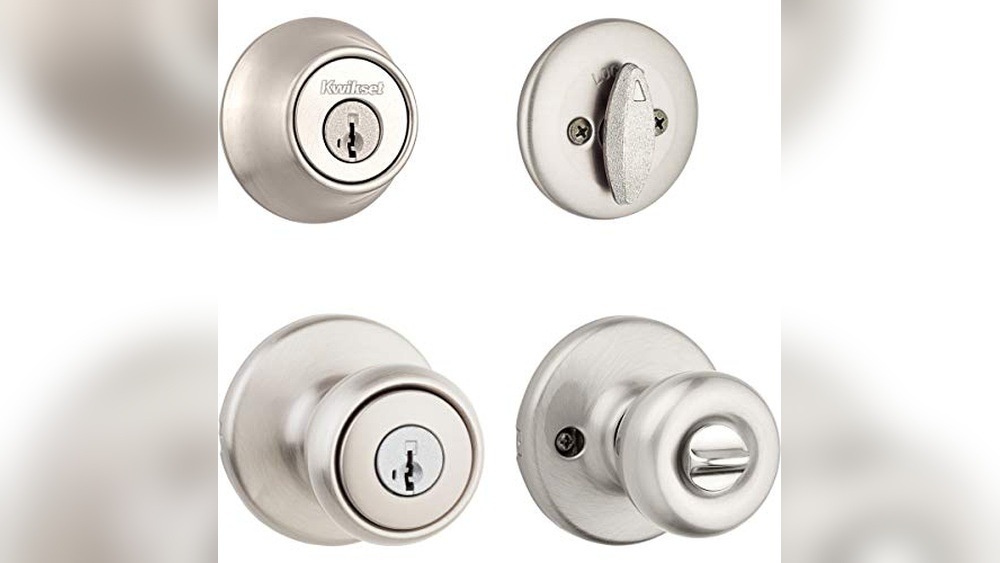
Single cylinder deadbolts use a key outside and a thumb turn inside. They are easy to lock and unlock from inside. Double cylinder deadbolts need a key on both sides. This adds extra security if there are windows near your door. But it can slow down exit during emergencies.
Grade Ratings Explained
Deadbolts come with grade ratings from 1 to 3. Grade 1 offers the highest security level. It is best for exterior doors. Grade 2 is good for residential use. Grade 3 provides basic security and fits interior doors. Pick a grade that matches your home’s security needs.
Smart Deadbolt Options
Smart deadbolts use technology instead of keys. You can lock and unlock them with a phone or code. Some models have alarms and auto-lock features. They add convenience and control over your home’s security. Choose a smart deadbolt that fits your lifestyle and budget.

Credit: www.amazon.com
Proper Installation Techniques
Proper installation techniques are essential for securing a deadbolt effectively. A well-installed deadbolt adds a strong layer of protection to your door. The correct steps ensure the lock works smoothly and resists forced entry. Paying close attention to details can make your door much safer.
Reinforcing The Door Frame
Strengthen the door frame to resist impact. Use a metal plate or additional wood around the lock area. This prevents the frame from breaking under force. Reinforcement adds stability and keeps the deadbolt secure.
Using Long Screws
Choose screws at least three inches long for installation. Long screws reach the wall studs behind the frame. This holds the door firmly in place. Short screws offer weak support and reduce security.
Aligning The Strike Plate
Place the strike plate carefully to match the deadbolt’s position. The bolt must fit snugly into the strike plate hole. A loose or misaligned plate lowers lock strength. Secure the plate tightly with strong screws for best results.
Enhancing Interior Security
Enhancing interior security strengthens your home from the inside. It adds extra protection beyond the deadbolt lock. Simple tools and devices can make a big difference. These methods help prevent forced entry and keep you safe.
Adding A Security Bar
A security bar fits under the doorknob or handle. It stops the door from being pushed open. Most bars are adjustable and easy to install. They are strong and can hold back heavy force. Use one for extra peace of mind.
Installing Door Jammers
Door jammers block the door by pressing against the floor. They create a strong barrier against intruders. Many jammers are portable and simple to use. Place it behind the door to stop it from opening. This tool is perfect for renters and travelers.
Using Door Brace Systems
Door brace systems fix firmly to the floor and door. They provide a solid shield against forced entry. Installing a brace takes only a few minutes. It works well with deadbolts for better security. Choose one with sturdy materials for best results.
Routine Maintenance Tips
Routine maintenance keeps your deadbolt working well and secure. Small checks and care help avoid problems. A well-maintained lock lasts longer and protects better.
Lubricating The Lock
Lubricate the lock to keep it smooth and easy to turn. Use a graphite powder or silicone spray. Avoid oil-based lubricants that attract dirt. Apply a small amount inside the keyhole and on moving parts.
Checking For Wear And Tear
Look for signs of wear on the lock and door frame. Check the bolt for rust or damage. Inspect screws and tighten if loose. Replace parts that look worn out to keep the lock strong.
Testing Lock Functionality
Test the lock regularly by turning the key or thumb turn. Make sure the deadbolt moves without sticking. Lock and unlock several times to check smoothness. Fix any problems right away to keep your home safe.
Emergency Locking Strategies
Securing a deadbolt quickly during an emergency can protect you and your family. Fast actions reduce risks and improve safety. Knowing easy ways to lock your door from inside helps you stay safe.
This section shares simple tips for emergency locking. Use these strategies to secure your home with confidence.
Quick Locking Methods
Turn the deadbolt fully with your hand. Practice locking and unlocking to build speed. Keep your keys nearby for quick access. Use your thumb to slide the bolt in one smooth move. Avoid fumbling or using both hands. Speed matters in emergencies.
Using Temporary Security Devices
Install portable locks like door jammers or bars. These devices add extra protection fast. Place them at the base of the door or between the door and frame. Temporary locks work well if the deadbolt is old or stuck. Keep these tools close to the door.
Communicating Safety Plans
Tell family members how to lock doors quickly. Practice emergency drills together. Use simple words and clear instructions. Assign roles, like who locks doors or calls for help. Good communication prevents confusion and saves time.

Credit: www.instructables.com
Frequently Asked Questions
How Do I Lock A Deadbolt From Inside Safely?
To lock a deadbolt from inside, turn the thumb turn or key clockwise until it stops. Ensure the bolt fully extends into the door frame to secure the door properly against forced entry.
Can I Secure A Deadbolt Without A Key Inside?
Yes, most deadbolts have a thumb turn on the inside for locking without a key. This allows quick and easy locking without needing to find or use a key.
What Tools Help Reinforce Deadbolts Internally?
Reinforce deadbolts with a strike plate, longer screws, and door armor. These tools strengthen the door frame and prevent forced entry when locking from inside.
Is Double Locking A Deadbolt Possible Inside?
Yes, some deadbolts offer double locking by engaging both the latch and bolt. This provides extra security by preventing the bolt from being retracted from outside.
Conclusion
Securing a deadbolt from the inside adds strong protection to your home. It keeps you safe and gives peace of mind. Always check that the lock works well before bedtime. Small steps make a big difference in home security. Stay aware and keep your doors locked tight.
Safe homes start with simple, smart actions.