Have you ever wondered how a single cylinder deadbolt actually keeps your home safe? Understanding how this simple yet effective lock works can give you peace of mind about your security.
You’ll discover exactly what happens when you turn the key or the thumb turn, and why this type of deadbolt is a popular choice for many homeowners. By the end, you’ll know how to make the most of your deadbolt to protect what matters most to you.
Keep reading to unlock the secrets behind your single cylinder deadbolt.
Basic Components
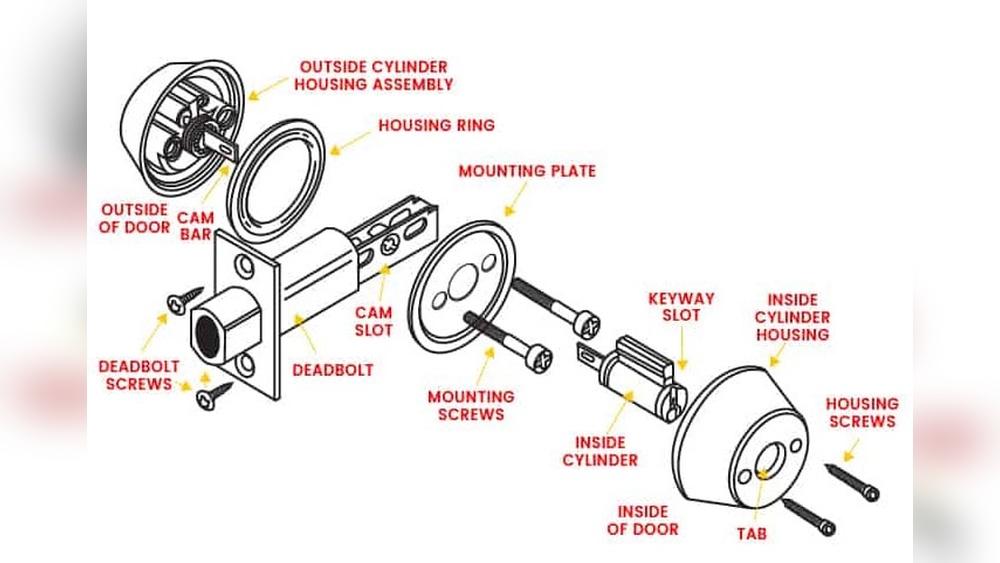
A single cylinder deadbolt has a few key parts. These parts work together to keep doors locked and secure. Understanding these basic components helps you know how the lock functions.
Cylinder And Key
The cylinder is where you insert the key. Inside the cylinder, pins align when the correct key turns. This alignment lets the cylinder rotate and operate the lock. Without the right key, the pins stay misaligned, blocking the lock from opening.
Bolt Mechanism
The bolt is a metal piece that slides into the door frame. It blocks the door from moving when locked. Turning the key moves the bolt in or out. This action secures or frees the door. The bolt is strong to resist force and keep the door safe.
Strike Plate
The strike plate is fixed on the door frame. It has a hole for the bolt to fit into. The plate strengthens the frame and holds the bolt firmly. This helps the lock stand up to pressure and keeps the door closed tightly.
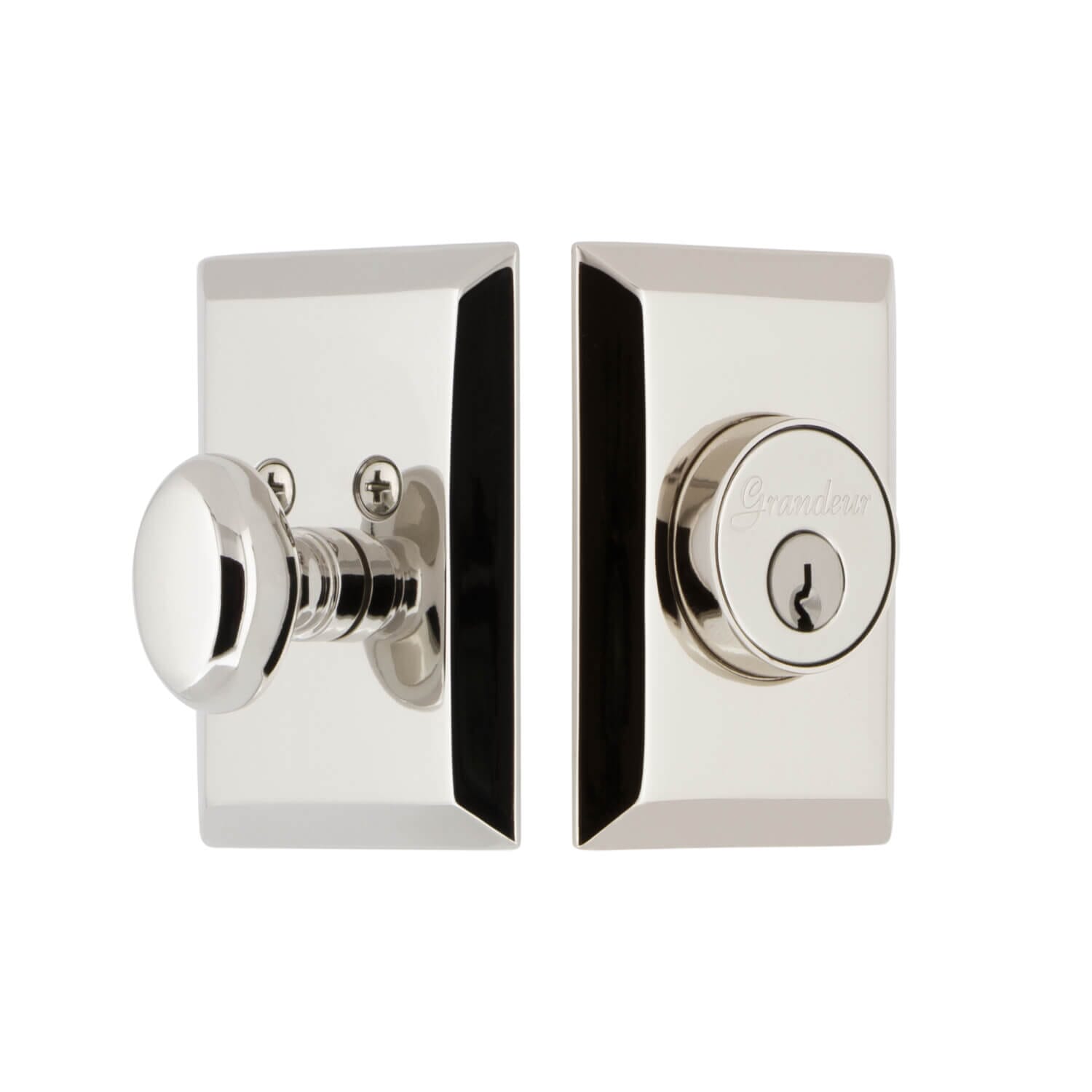
Credit: grandeurhardware.com
Locking Process
The locking process of a single cylinder deadbolt is simple and secure. It uses a key on the outside and a thumb turn on the inside. This design helps protect your home from unwanted entry. Let’s see how the locking actually works.
Key Insertion
First, you insert the key into the lock’s keyhole. The key fits into the cylinder. Inside, small pins line up to match the key’s cuts. This alignment allows the cylinder to turn smoothly.
Turning The Cylinder
Next, you turn the key. This action rotates the cylinder inside the lock. Turning moves the bolt mechanism. The bolt slides out or into the door frame, depending on the direction you turn the key.
Engaging The Bolt
As the cylinder turns, the bolt extends into the door frame. This locks the door firmly. The bolt is thick and strong to prevent forced entry. When you turn the key back, the bolt retracts, unlocking the door.
Unlocking Process
The unlocking process of a single cylinder deadbolt is simple and secure. It relies on a key to control access. Understanding this process helps you see why these locks are common for home security.
Key Operation
The key fits into the lock’s keyway. Inside, small pins line up when the correct key is inserted. These pins create a shear line that allows the cylinder to turn. The key’s unique shape ensures only it can align the pins properly.
Retracting The Bolt
Once the cylinder turns, it moves a connecting mechanism inside. This action pulls the bolt back from the door frame. The bolt slides inside the door, freeing it to open. Without the key, the bolt stays extended, keeping the door locked tight.
Security Features
Single cylinder deadbolts offer strong security for many homes. Their design focuses on preventing common break-in methods. The lock’s features make it tough for intruders to open without the right key. Below are key security features that protect your door.
Pick Resistance
These deadbolts include pins that are hard to pick. The pins have different shapes and sizes. This complexity slows down or stops lock picking tools. It makes it very difficult for thieves to open the lock without the key.
Drill Protection
Many single cylinder deadbolts have metal plates inside. These plates resist drilling attempts. Drilling tries to break the lock’s core. The metal guards stop or slow down drills, protecting the lock’s mechanism.
Bump Key Defense
Bump keys try to force pins to open a lock. Deadbolts with tight, precise pins resist this method. The pins do not move easily. This defense helps keep the lock secure against bump key attacks.
Installation Tips
Installing a single cylinder deadbolt requires care and precision. Proper installation ensures your door locks securely. It also makes the lock easy to use every day. Follow these tips to install your deadbolt correctly and safely.
Choosing The Right Door
Select a door that fits the deadbolt size. Solid wood or metal doors work best. Hollow doors may not support the deadbolt firmly. Check the door thickness before buying the lock. Most deadbolts fit doors 1 3/8 to 1 3/4 inches thick.
Proper Alignment
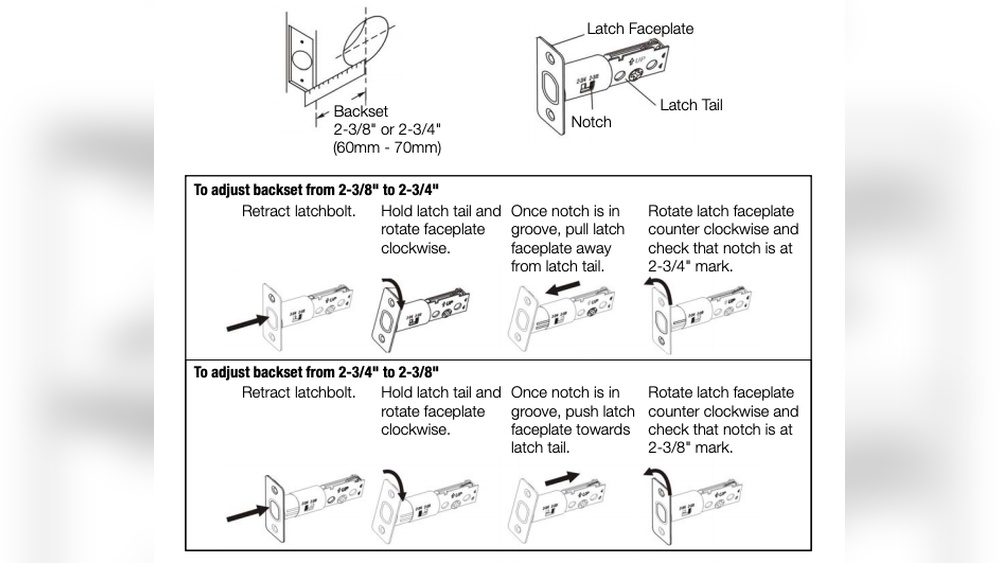
Align the deadbolt with the strike plate carefully. Mark the door edge for the bolt hole. Use a drill to create a straight hole. The bolt must slide smoothly into the strike plate. Misalignment causes the lock to jam or not lock fully.
Secure Fastening
Use long screws to hold the lock in place. Short screws make the lock less strong. Fasten the lock tightly but avoid over-tightening. Loose parts can cause the lock to fail. Check all screws after installation to keep the lock secure.
Maintenance Advice
Maintaining a single cylinder deadbolt is key for its smooth operation and long life. Regular care prevents jams and keeps your home secure. Simple steps help avoid costly repairs and ensure your lock works well every day.
Lubrication
Use graphite or silicone spray to lubricate the lock. Avoid oil-based lubricants; they attract dirt. Apply a small amount inside the keyhole and around the bolt. Move the key in and out several times to spread the lubricant evenly.
Regular Inspection
Check your deadbolt every few months for signs of wear or damage. Look for loose screws or rust on the metal parts. Tighten screws and clean the surface with a dry cloth. Early detection helps avoid bigger problems later.
Troubleshooting Common Issues
If the key sticks or turns hard, lubrication often solves the problem. Check if the bolt aligns properly with the strike plate. Misalignment causes difficulty in locking or unlocking. Adjust the strike plate if needed or call a locksmith for help.
Common Problems
Single cylinder deadbolts provide good security but can face common problems. These issues affect the lock’s performance and your safety. Understanding these problems helps in quick fixes and proper maintenance. Below are some frequent troubles you may notice.
Key Jamming
Key jamming happens when the key gets stuck inside the lock. Dirt or dust can block the keyhole. Worn-out keys may not fit properly, causing jams. Forcefully turning the key can damage the lock further. Regular cleaning and gentle use prevent key jamming.
Bolt Misalignment
Bolt misalignment stops the bolt from sliding smoothly into the door frame. This issue often occurs after door shifting or settling. The bolt hits the strike plate instead of sliding in. Adjusting the strike plate or door can fix this problem. Misalignment makes locking and unlocking difficult.
Wear And Tear
Wear and tear is common after long use of the deadbolt. Moving parts can become loose or rusty. Springs inside the lock may weaken, affecting bolt movement. Regular inspection and lubrication keep the lock working well. Ignoring wear leads to lock failure over time.
Credit: reolink.com
Comparing Deadbolt Types
Choosing the right deadbolt is key for home security. Deadbolts come in various types, each with unique features. Comparing these helps you decide what fits best for your door and lifestyle.
Single Vs Double Cylinder
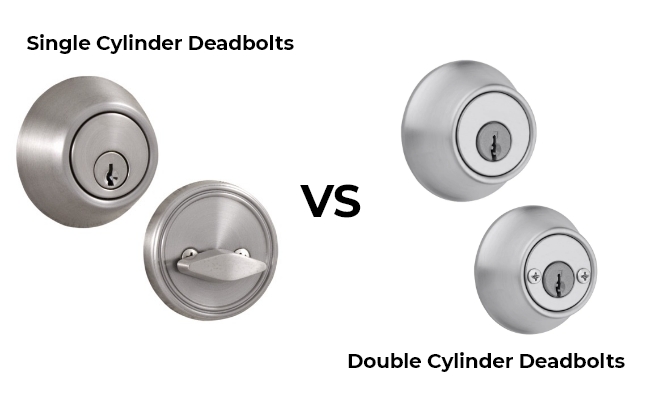
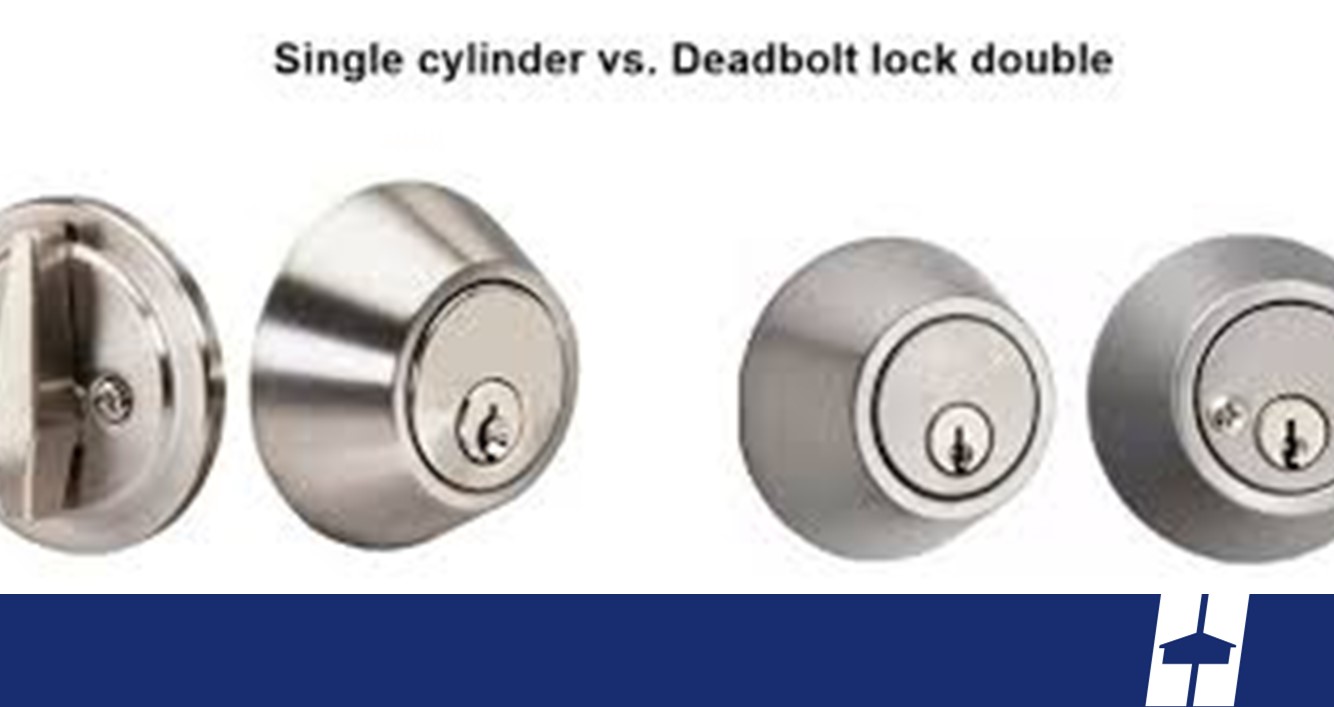
Single cylinder deadbolts have a key on the outside and a thumb turn inside. They are simple and common. Double cylinder deadbolts need a key on both sides. They add security where windows are near the door. But they can be risky during emergencies. Single cylinder deadbolts offer easier exit in urgent situations.
Advantages Of Single Cylinder
Single cylinder deadbolts are easy to use and install. They allow fast exit without a key. These locks are less expensive than double cylinders. They work well on doors without glass nearby. Their design fits most standard doors. They provide strong protection against forced entry.
Limitations To Consider
Single cylinder deadbolts have limits too. They can be vulnerable if a nearby window breaks. Intruders may reach in and unlock the door. Not ideal for doors with glass panels or near windows. They rely on good door and frame strength. Consider the door location before choosing this type.
Credit: buildwithholmes.com
Frequently Asked Questions
What Is A Single Cylinder Deadbolt Lock?
A single cylinder deadbolt has a key cylinder on the outside. It uses a thumb turn on the inside for locking and unlocking. This design offers simple security and quick exit during emergencies.
How Does The Thumb Turn Work In Deadbolts?
The thumb turn inside rotates the bolt. It locks or unlocks the door without needing a key. This feature allows easy and fast operation from indoors.
Can Single Cylinder Deadbolts Be Used On All Doors?
Yes, single cylinder deadbolts suit most exterior doors. They provide solid security where windows near the door do not allow easy access to the thumb turn.
Are Single Cylinder Deadbolts Secure Against Break-ins?
They offer strong resistance to forced entry. However, if a window near the door is broken, intruders can reach the thumb turn and unlock it.
Conclusion
A single cylinder deadbolt offers solid security for your door. It works by turning a key or thumb turn to move a bolt inside the door frame. This simple mechanism keeps your home safe from unwanted entry. Understanding how it works helps you choose the right lock.
It also shows why it is popular for many homes. Keep your deadbolt in good shape for best results. A strong lock means peace of mind every day. Simple, reliable, and effective—this lock protects what matters most.