Is your deadbolt sticking or refusing to lock smoothly? When your deadbolt isn’t aligned properly, it can be frustrating and even a security risk.
But don’t worry—you don’t have to call a locksmith just yet. You can fix the problem yourself with a few simple adjustments. You’ll discover easy, step-by-step tips to get your deadbolt working perfectly again. Keep reading, and by the end, you’ll have a secure door that locks effortlessly every time.

Credit: www.youtube.com
Check Deadbolt Position
Checking the deadbolt position is a key step in fixing its alignment. It helps find problems that stop the lock from working well. Small shifts in the door or frame can cause the deadbolt to miss the strike plate. This section guides you through inspecting the door and frame to spot misalignment issues.
Inspect Door And Frame Alignment
Look closely at the door and frame edges. See if the door sits evenly in the frame when closed. Check if the gap between the door and frame is the same all around. Uneven gaps can mean the door or frame is warped or bent. Also, watch how the deadbolt fits into the strike plate. If it hits the side or top, the alignment is off.
Identify Misalignment Signs
Listen for resistance when turning the deadbolt. Sticking or jamming shows a problem. Check if the deadbolt slides smoothly into the strike plate. If it doesn’t, the deadbolt or plate may be misaligned. Look for marks or scratches on the strike plate. These signs mean the deadbolt is hitting the wrong spot. Note any door sagging or frame warping too. These cause deadbolt misalignment often.

Credit: www.thisoldhouse.com
Gather Necessary Tools
Before adjusting a deadbolt alignment, gather all tools needed. Having the right tools makes the process faster and safer. It avoids mistakes and helps achieve a proper fit for the lock. Prepare your workspace and check each tool for damage or wear.
List Of Required Tools
Start with a screwdriver set, both flat-head and Phillips. A tape measure helps check the alignment and spacing. Use a pencil to mark any adjustments on the door or frame. A drill with bits may be needed for new holes. A chisel can help widen the strike plate area if needed. Finally, have a flashlight to see inside dark spaces clearly.
Safety Precautions
Wear safety glasses to protect your eyes from dust and debris. Avoid loose clothing that can catch on tools. Keep fingers away from drill bits and sharp edges. Work in a well-lit area to avoid mistakes. Make sure the door is secure and will not close suddenly. Take breaks if you feel tired to stay focused and safe.
Loosen Deadbolt Screws
Loosening the deadbolt screws is a key step in fixing its alignment. It lets you adjust the lock’s position without fully removing it. This process is simple but needs care to avoid damage. Follow clear steps to loosen screws safely and prepare your deadbolt for alignment.
Locate Screws
First, find the screws holding the deadbolt in place. Check the faceplate on the door edge. Also, look at the lock’s interior side. These screws keep the deadbolt attached to the door. Use a flashlight if needed to see clearly. Identify all screws that hold the lock firmly.
Properly Loosen Without Removal
Use the correct screwdriver for your screws. Turn screws slowly to loosen them slightly. Do not take screws out completely. Loosening allows the deadbolt to move just enough for adjustment. Keep screws in place to avoid losing them. Stop loosening once the deadbolt feels loose but still attached.
Credit: www.support.lockly.com
Adjust Deadbolt Placement
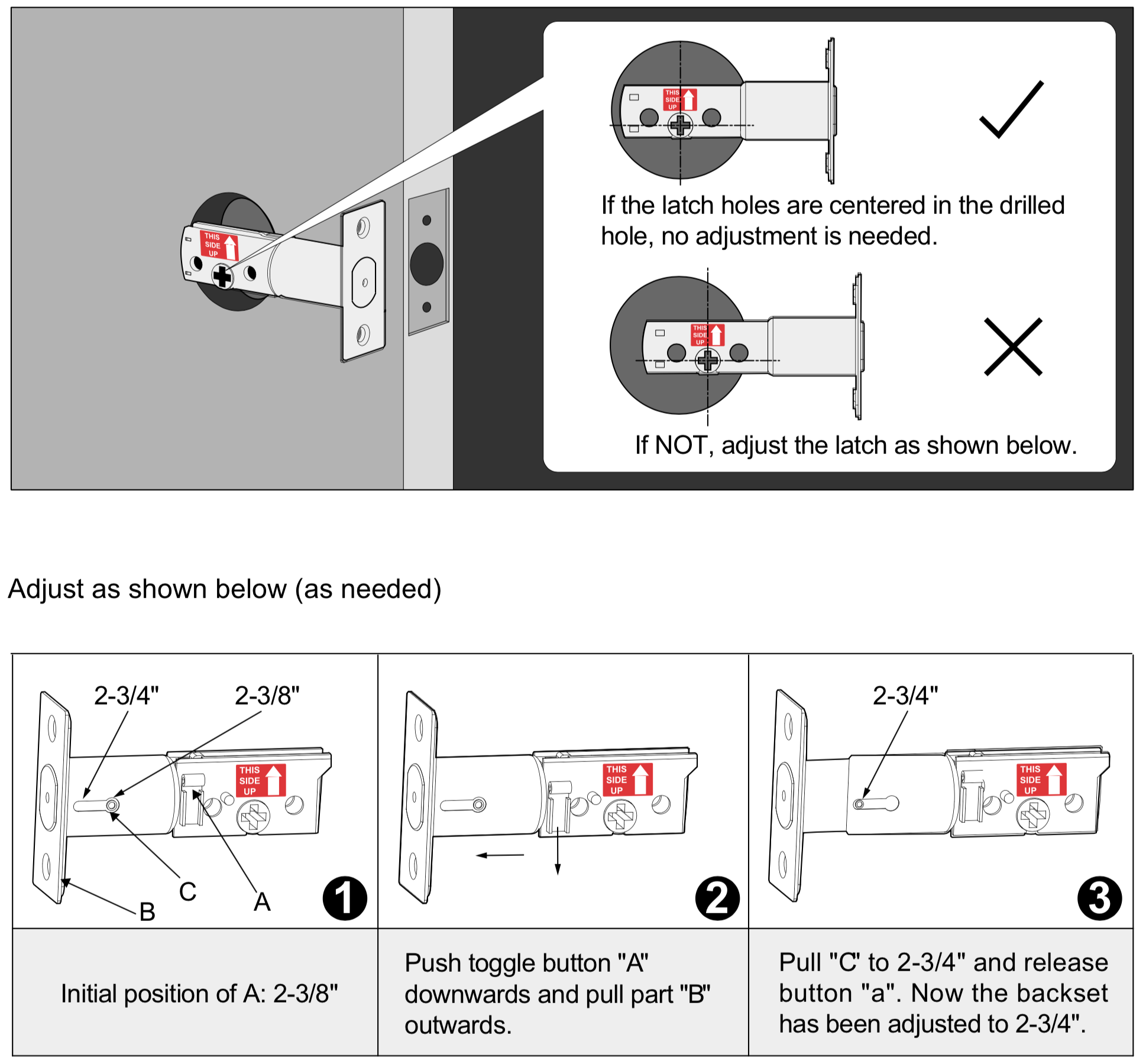
Adjusting the deadbolt placement is key to making your door lock work smoothly. When the deadbolt does not line up correctly with the strike plate, it can stick or not lock securely. Small shifts in the deadbolt position can fix these problems quickly.
Focus on the exact spot where the deadbolt extends into the door frame. This alignment affects how easily you can turn the key and lock the door. A properly placed deadbolt will slide in and out without force.
Shift Deadbolt For Smooth Operation
Start by loosening the screws that hold the deadbolt in place. Move the deadbolt slightly up, down, left, or right. Make small adjustments and tighten the screws after each move. Check if the deadbolt slides smoothly into the strike plate. Repeat until it fits well without resistance.
Test Deadbolt Movement
Close the door gently and turn the key or thumb turn. The deadbolt should extend fully and retract easily. Test several times to be sure it works smoothly every time. If it sticks or feels tight, adjust the placement again. Smooth movement means your deadbolt is correctly aligned.
Align Strike Plate
After adjusting your deadbolt, securing the screws and testing the lock is crucial. This step ensures the deadbolt stays in place and works smoothly. Without tight screws, the lock can become loose or misaligned again. Testing the lock confirms that your adjustments are correct and the door locks securely.
Tighten Screws Firmly
Use a screwdriver to tighten all screws holding the deadbolt and strike plate. Turn each screw until it feels snug. Avoid overtightening to prevent stripping the screws or damaging the door. Firm screws keep the deadbolt steady and aligned with the strike plate. Check each screw twice for security.
Perform Final Lock Test
Close the door and turn the deadbolt key or thumb turn. The bolt should slide smoothly into the strike plate. If it sticks or feels loose, recheck the screw tightness and alignment. Test the lock several times from both sides. This confirms your deadbolt is secure and ready to protect your home.
Secure Screws And Test
Sometimes, adjusting a deadbolt does not solve all alignment problems. Persistent issues can cause the lock to stick or fail to turn smoothly. Troubleshooting these problems helps keep your door secure and easy to use. This section guides you through common problems and when to seek professional help.
Common Problems And Fixes
The deadbolt may not slide in fully. This often happens if the strike plate is misaligned. Loosen the screws on the strike plate and move it slightly up or down. Tighten the screws and test the lock again.
The key might feel hard to turn. Dirt or rust inside the lock can cause this. Spray a small amount of graphite lubricant into the keyhole. Avoid using oil-based lubricants as they attract dust.
The door might be swollen or warped. This happens due to moisture or temperature changes. Sand the edge of the door slightly to create more space for the deadbolt to move freely.
When To Call A Professional
Persistent problems may need expert help. If the deadbolt still sticks or does not lock properly after basic fixes, call a locksmith. Professionals have the tools and knowledge to handle complex issues safely.
Electrical locks or smart deadbolts require special skills. Do not attempt to fix these yourself. Contact a professional to avoid damage to the lock or your door.
Frequently Asked Questions
How Do I Know If My Deadbolt Is Misaligned?
Check if the key won’t turn smoothly or the bolt doesn’t fully extend. Misalignment causes difficulty in locking or unlocking your door.
What Tools Are Needed To Adjust Deadbolt Alignment?
You typically need a screwdriver, drill, pencil, and possibly a chisel to adjust the strike plate or door frame.
Can I Adjust A Deadbolt Without Removing It?
Yes, sometimes loosening screws and slightly repositioning the strike plate can fix minor alignment issues without removing the deadbolt.
How Do I Fix A Deadbolt That Sticks When Locking?
Realign the strike plate by loosening screws and adjusting its position. Ensure the bolt smoothly fits into the hole.
Conclusion
Adjusting your deadbolt alignment keeps your door secure and easy to lock. Small changes can stop jamming and improve safety. Take your time and follow each step carefully. Check the lock’s fit after every adjustment. This simple fix saves you money and stress.
Keep your home safe with a properly aligned deadbolt.