Are you tired of struggling to hang pictures, shelves, or decorations on your walls? You might have heard about drywall anchors but aren’t sure how to get them properly into your wall.
Getting drywall anchors right is key to making sure your items stay secure and your walls stay damage-free. In this guide, you’ll discover simple, step-by-step tips to help you install drywall anchors like a pro. Keep reading, and you’ll soon have the confidence to handle any hanging project with ease.
Types Of Drywall Anchors
Drywall anchors come in different types. Each type works best for certain jobs. Choosing the right anchor helps hold items safely on your wall. Understanding these types makes your project easier and stronger.
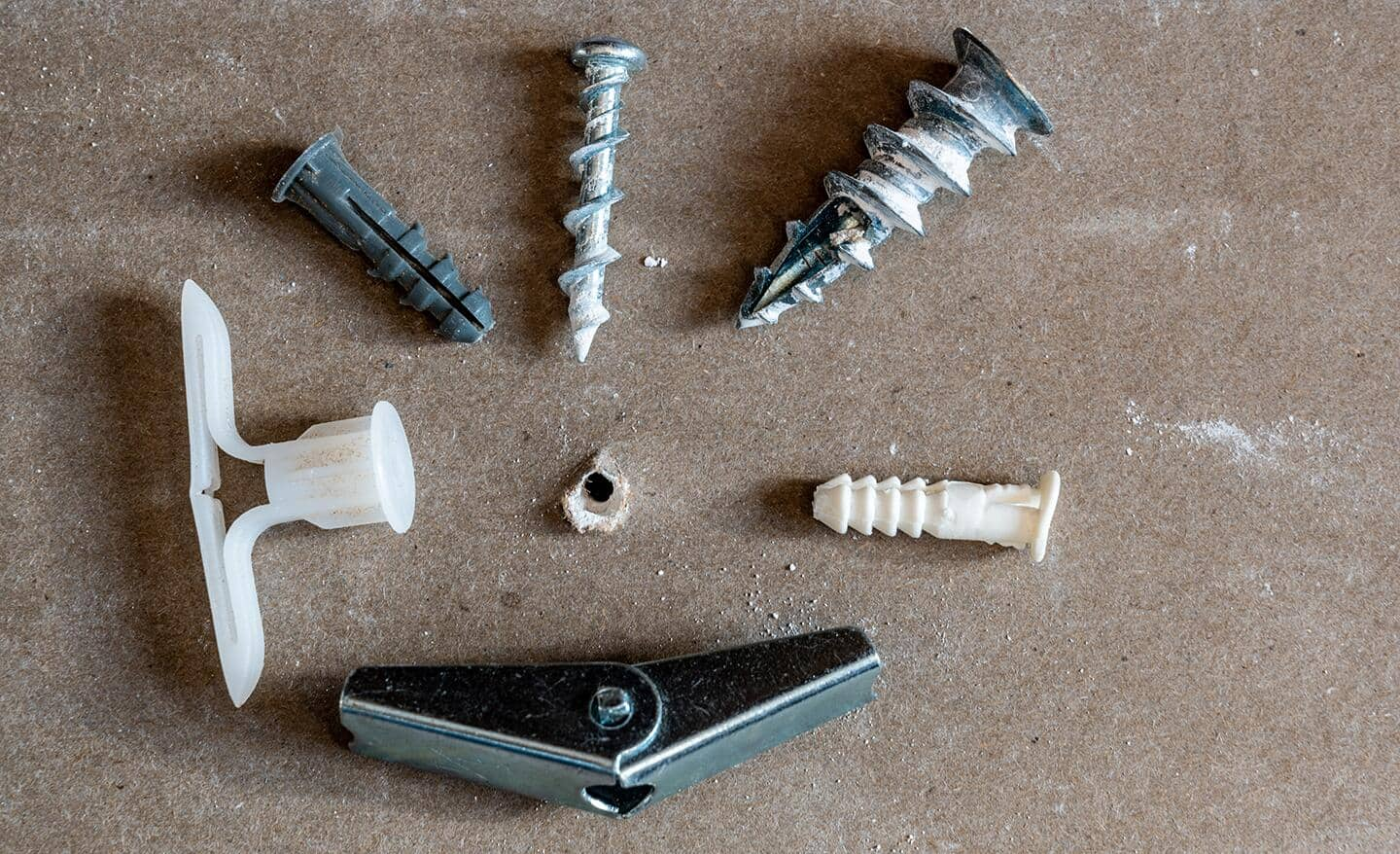
Plastic Expansion Anchors
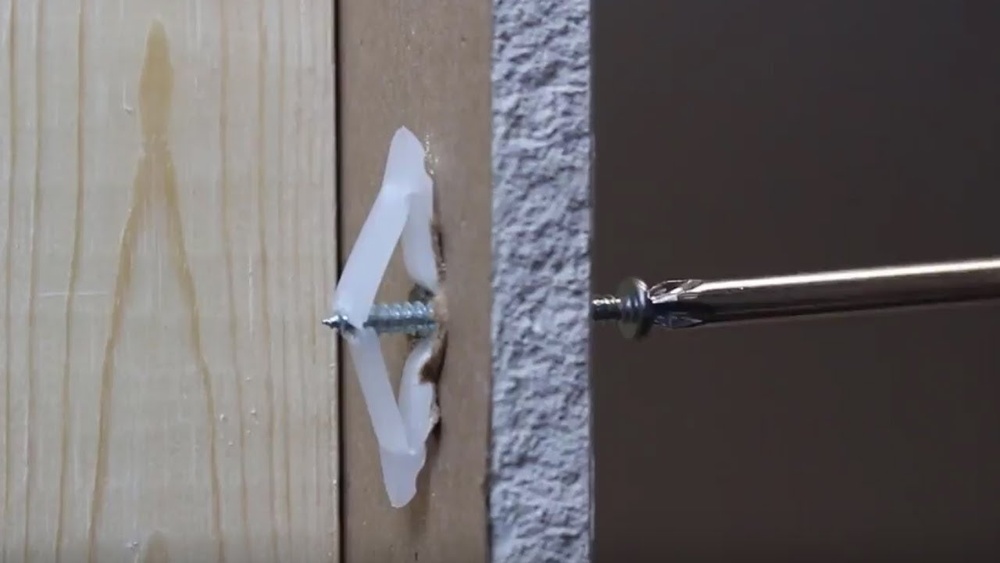
Plastic expansion anchors are simple and cheap. You drill a hole, push the anchor in, and then screw into it. As the screw goes in, the anchor expands. This expansion holds the anchor tightly in the drywall. These anchors work best for light items like picture frames.
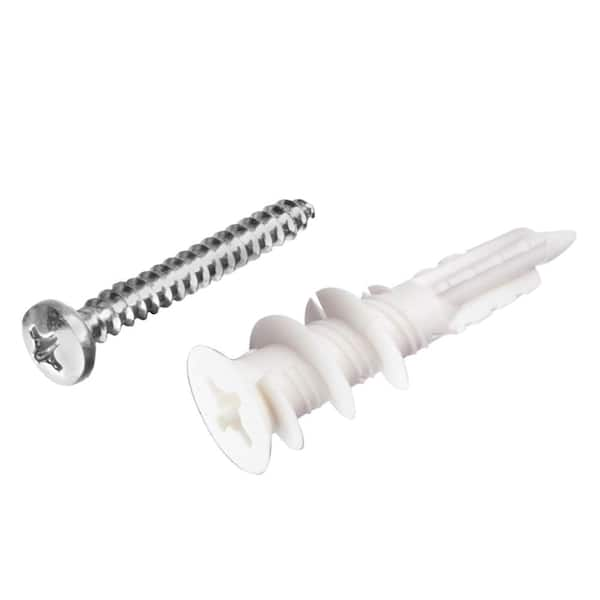
Self-drilling Anchors
Self-drilling anchors do not need a pre-drilled hole. You screw them directly into the drywall. They have sharp tips that cut into the wall. These anchors hold medium-weight items like shelves or mirrors. They are easy to install and save time.
Toggle Bolts
Toggle bolts have wings that open behind the wall. First, you drill a hole big enough for the folded wings. Push the bolt through the hole, and the wings open inside. This spreads the weight over a larger area. Toggle bolts hold heavy items like cabinets or TVs.
Molly Bolts
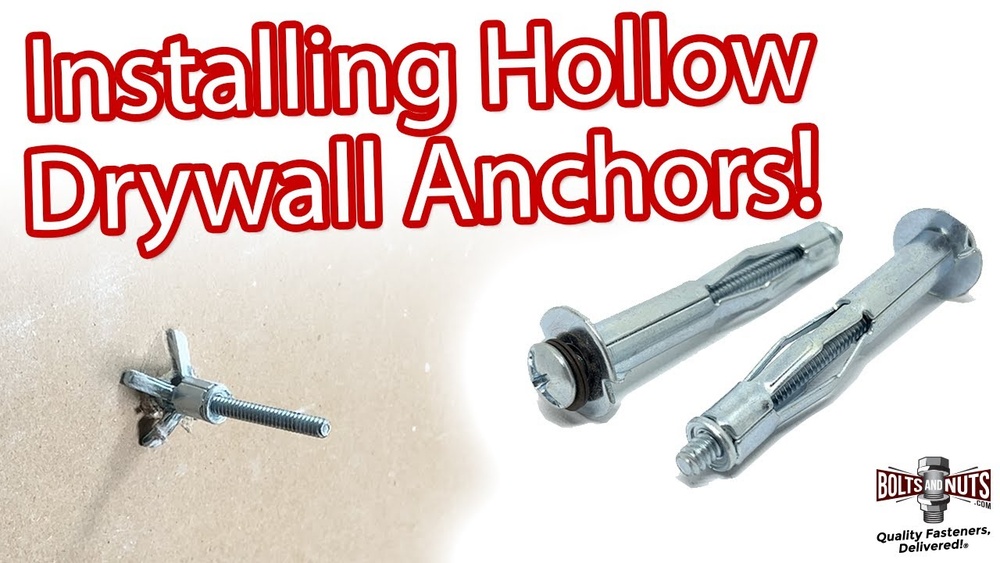
Molly bolts are metal anchors that expand inside the wall. You drill a hole, insert the molly bolt, and tighten the screw. The metal legs open and grip the drywall firmly. They provide strong support for medium to heavy items. Molly bolts stay secure even under pressure.
Credit: stonedesignbysantos.com
Tools You’ll Need
To install drywall anchors correctly, you need a few basic tools. These tools help you make strong, secure holes in your wall. They also keep your anchors in place. Having the right tools makes the job easier and safer. Below are the main tools you will need for this task.
Drill And Drill Bits
A drill is essential for making holes in drywall. Use drill bits that match the size of your anchors. A small hole prevents the wall from cracking. Drilling straight holes ensures the anchors fit tightly. Choose bits for wood or drywall, depending on your wall type.
Screwdriver
You need a screwdriver to insert screws into the anchors. A manual or electric screwdriver works well. Match the screwdriver head to the screw type. This tool tightens screws securely without damaging them. It also helps you remove screws if needed.
Stud Finder
A stud finder locates the wooden studs behind drywall. Anchors work best in drywall, not in studs. Knowing where studs are helps avoid drilling into them. This tool ensures you place anchors in the right spot. It improves the strength of your hanging.
Measuring Tape And Pencil
Use measuring tape to mark exact spots for anchors. Measure twice to avoid mistakes. A pencil marks these spots clearly on the wall. This step helps you align anchors evenly. It also keeps your project neat and organized.
Locating The Right Spot
Locating the right spot for drywall anchors is important for a strong hold. Choosing the correct area can prevent damage and ensure your items stay secure. This process involves finding either a stud or a hollow space inside the wall.
Knowing where to place anchors helps avoid weak points and keeps your wall intact. Use simple tools and clear marks to guide your work. Careful planning saves time and effort later.
Finding Studs Or Hollow Spaces
Studs are vertical wooden beams behind drywall. They provide strong support for heavy objects. Use a stud finder tool to detect these beams easily. Move the tool along the wall slowly for best results.
If no studs are found, you need to use hollow wall anchors. These work well in empty spaces inside drywall. They expand behind the wall to hold firmly.
Marking Anchor Points
After locating studs or hollow spaces, mark the spots clearly. Use a pencil to make small marks on the wall. These marks guide drilling and prevent mistakes.
Measure carefully to keep your items level and balanced. Mark all anchor points before starting to drill. This step ensures accuracy and a neat final result.
Preparing The Wall
Preparing the wall is a key step before inserting drywall anchors. Proper preparation ensures the anchors hold firmly and last longer. It also helps prevent damage to the wall. Start by marking the spot where you want to place the anchor. Then, follow the steps below for a clean and strong setup.
Drilling Pilot Holes
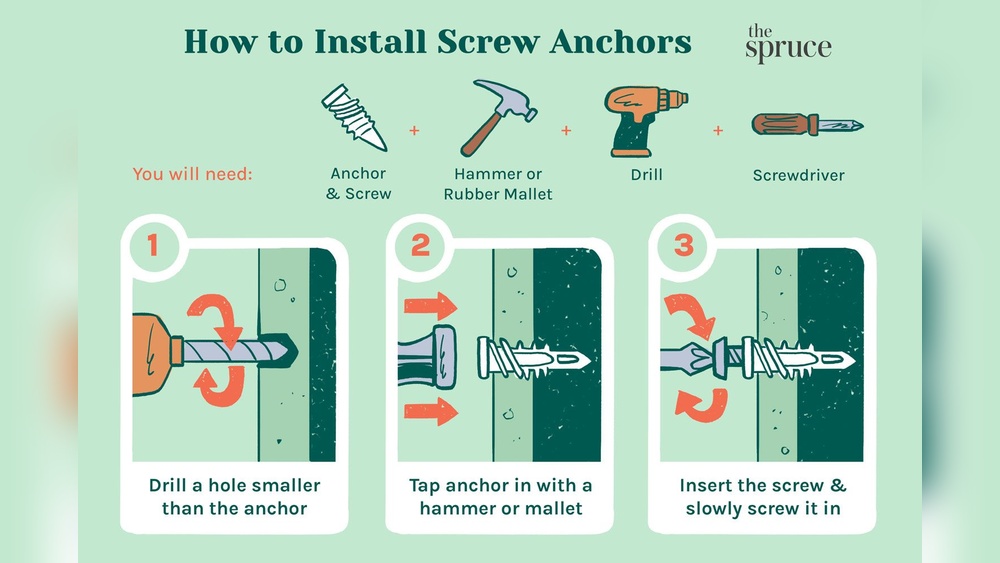
Use a drill with the right bit size for the anchor. A pilot hole guides the anchor and makes insertion easier. Drill slowly and straight into the wall. Avoid pushing too hard to stop cracking the drywall. The hole should be slightly smaller than the anchor’s diameter.
Cleaning The Hole
Remove dust and debris from the drilled hole. Use a small brush or a can of compressed air. Cleaning helps the anchor fit tightly without slipping. A clean hole also improves the wall’s grip on the anchor. Take time to clear all loose particles before inserting the anchor.
Installing Drywall Anchors
Installing drywall anchors is a simple way to hang items securely on walls. Drywall alone cannot hold heavy objects. Anchors spread the weight and prevent damage.
Different types of anchors suit different needs. Each type has a unique installation method. Following the right steps ensures a strong hold and safe mounting.
Inserting Plastic Anchors
Start by drilling a small hole in the drywall. Choose a drill bit that matches the anchor size. Push the plastic anchor gently into the hole. Tap it lightly with a hammer if needed. Avoid forcing it too hard to prevent damage. Once flush with the wall, insert the screw into the anchor. Tighten until secure but do not overtighten.
Using Self-drilling Anchors
Self-drilling anchors save time and effort. Place the anchor’s tip against the drywall. Use a screwdriver or drill to turn the anchor. It cuts its own hole as it goes in. Stop once the anchor is flush with the wall. Insert the screw and tighten carefully. These anchors hold well for medium-weight items.
Setting Toggle Bolts
Toggle bolts work well in hollow walls. Drill a hole large enough for the folded toggle. Thread the bolt through the item to hang. Pinch the toggle wings and push through the hole. Once inside, wings open and grip the wall. Pull the bolt gently to secure the toggle. Tighten the bolt until the object is firm.
Fixing Molly Bolts
Molly bolts offer strong support for heavy items. Drill a hole matching the bolt size. Insert the molly bolt and tap it lightly. Tighten the screw slowly to expand the sleeve behind the wall. This expansion locks the anchor in place. Remove the screw, hang the item, and reinsert the screw. Tighten fully for a secure hold.
Securing Screws For Strong Hold
Securing screws properly is key to a strong hold with drywall anchors. A loose screw can cause the anchor to fail. Too tight, and it may damage the wall or anchor. Careful attention to screw size and how tightly you turn it helps keep your item safe and secure.
Choosing The Right Screw Size
Select a screw that matches the anchor size. The screw should fit snugly but not force the anchor to expand too much. Check the anchor package for recommended screw sizes. Using a screw that is too long or too short weakens the hold. The right size ensures the anchor grips the drywall firmly.
Tightening Without Damage
Turn the screw slowly. Stop when it feels tight and the anchor stops moving. Avoid over-tightening, which can strip the anchor or crack the drywall. Use a screwdriver, not a drill, for better control. A steady hand keeps the screw secure without harm.
Testing Anchor Strength
Testing the strength of drywall anchors is important before hanging heavy items. It helps avoid damage to walls and keeps objects secure. This step ensures the anchor can hold the weight without slipping or falling.
Start by applying gentle force to check if the anchor stays in place. Gradually increase pressure to test its limit safely. Watch for any signs of loosening or movement in the anchor.
Applying Pressure Safely
Push or pull on the anchor slowly and with care. Avoid sudden or hard force that might break the wall. Use your hands or a tool to apply steady pressure. Notice if the anchor feels firm or wobbly.
Stop if the anchor moves or the wall feels weak. Testing in small steps helps prevent damage. This method keeps the wall intact while checking anchor strength.
Adjusting If Needed
If the anchor feels loose, remove it carefully. Try a different anchor type for better hold. Make sure the hole size matches the new anchor. Sometimes a larger or stronger anchor works best.
Check the wall condition before re-installing. Repair any cracks or weak spots. Repeat the pressure test after making adjustments. This ensures the anchor is safe and strong.
Common Mistakes To Avoid
Drywall anchors make hanging things on walls easier. But many people make simple mistakes. These errors cause anchors to fail or walls to get damaged. Avoiding common mistakes helps your project last longer and stay safe.
Overtightening Screws
Turning screws too tight is a common error. It can crack the drywall or break the anchor. Tighten screws until they are snug. Stop when you feel resistance. Too much force does more harm than good.
Ignoring Wall Material
Not all walls are the same. Drywall, plaster, and concrete need different anchors. Using the wrong anchor weakens the hold. Check your wall type before buying anchors. This saves time and prevents damage.
Skipping Pilot Holes
Many skip drilling pilot holes. This makes it harder to insert anchors correctly. Pilot holes guide the anchor and stop drywall from breaking. Always drill a small hole first. It helps anchors fit tightly and hold well.
Tips For Different Wall Types
Different wall types need different drywall anchors and methods. Using the right anchor makes your installation strong and safe. This guide helps you choose anchors for common wall types.
Drywall With Metal Studs
Metal studs are thin and hollow. Regular anchors may not hold well here. Use toggle bolts or metal stud anchors. These spread the load across a wider area. Drill a small hole first to avoid damage. Push the anchor through and tighten carefully. Avoid overtightening to prevent bending the stud.
Plaster Walls
Plaster walls are hard but brittle. They can crack if you use the wrong anchor. Use plastic anchors or screw-in anchors made for plaster. Drill a pilot hole smaller than the anchor size. Insert the anchor gently and avoid forcing it. Use screws that fit the anchor snugly. This reduces the risk of cracking.
Concrete Or Brick Walls
Concrete and brick walls need strong anchors. Use masonry anchors or sleeve anchors for best results. Drill a hole with a masonry bit first. Clean out dust from the hole before inserting the anchor. Tap the anchor gently into the hole. Use screws that match the anchor size for a tight fit.
Credit: www.homedepot.com

Credit: www.picturehangsolutions.com
Frequently Asked Questions
What Tools Do I Need For Drywall Anchors?
You need a drill, screwdriver, drywall anchors, and a pencil. These tools help secure anchors properly. Using the right tools ensures a strong hold in your drywall.
How Do I Choose The Right Drywall Anchor?
Select anchors based on weight and wall type. Plastic anchors work for light loads. Metal anchors are better for heavy items. Always match the anchor size to the screw and load.
Can I Install Drywall Anchors Without Studs?
Yes, drywall anchors are designed for walls without studs. They provide extra support by expanding inside the drywall. This prevents damage and holds items securely on hollow walls.
How Deep Should I Drill For Drywall Anchors?
Drill a hole slightly smaller than the anchor size. This allows the anchor to fit snugly and hold firmly. Avoid making holes too large to prevent wall damage.
Conclusion
Getting drywall anchors in the wall is simple with the right steps. Choose the correct anchor for your wall type. Mark the spot clearly and drill a proper hole. Insert the anchor carefully and screw in your item securely. This method keeps your wall strong and your items safe.
Practice a few times to gain confidence. Soon, you will hang pictures, shelves, or mirrors with ease. Drywall anchors make home projects easier and more reliable. Just follow these steps, and you will do great.