Have you ever tried to hang something heavy on your wall, only to have the screw pull out and leave a mess? If so, you know how frustrating it can be.
Drywall anchors are the secret tool that can save your walls and keep your items secure. But how do drywall anchors work, and why are they so important for your home projects? You’ll discover the simple science behind drywall anchors and how they make your walls stronger.
Keep reading, and you’ll never struggle with loose screws again.
Credit: www.youtube.com
Types Of Drywall Anchors
Drywall anchors come in various types. Each type has a specific use and strength level. Choosing the right anchor depends on the weight and type of item you want to hang.
Understanding the different types helps you pick the best one for your project. Below are common drywall anchors and how they work.
Plastic Expansion Anchors
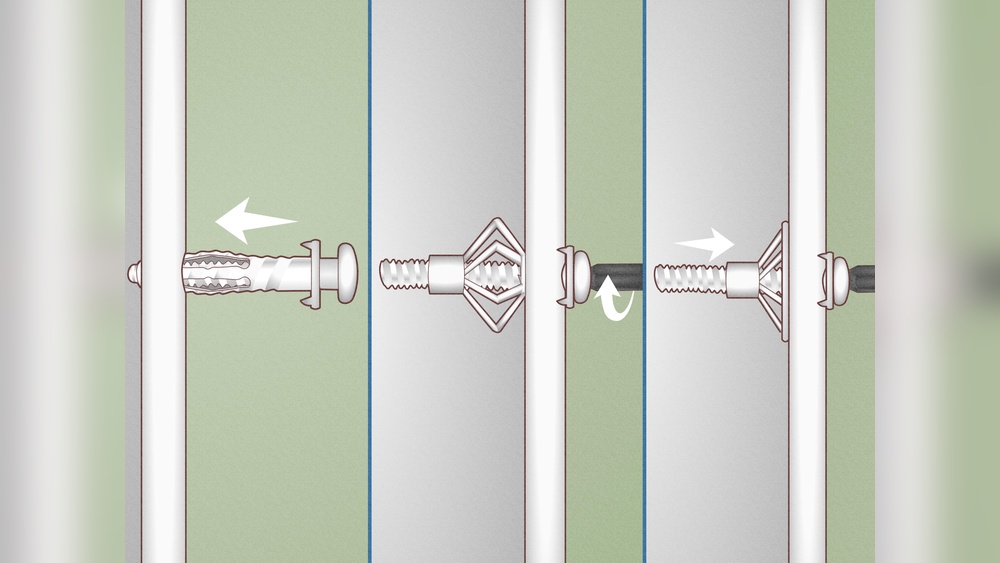
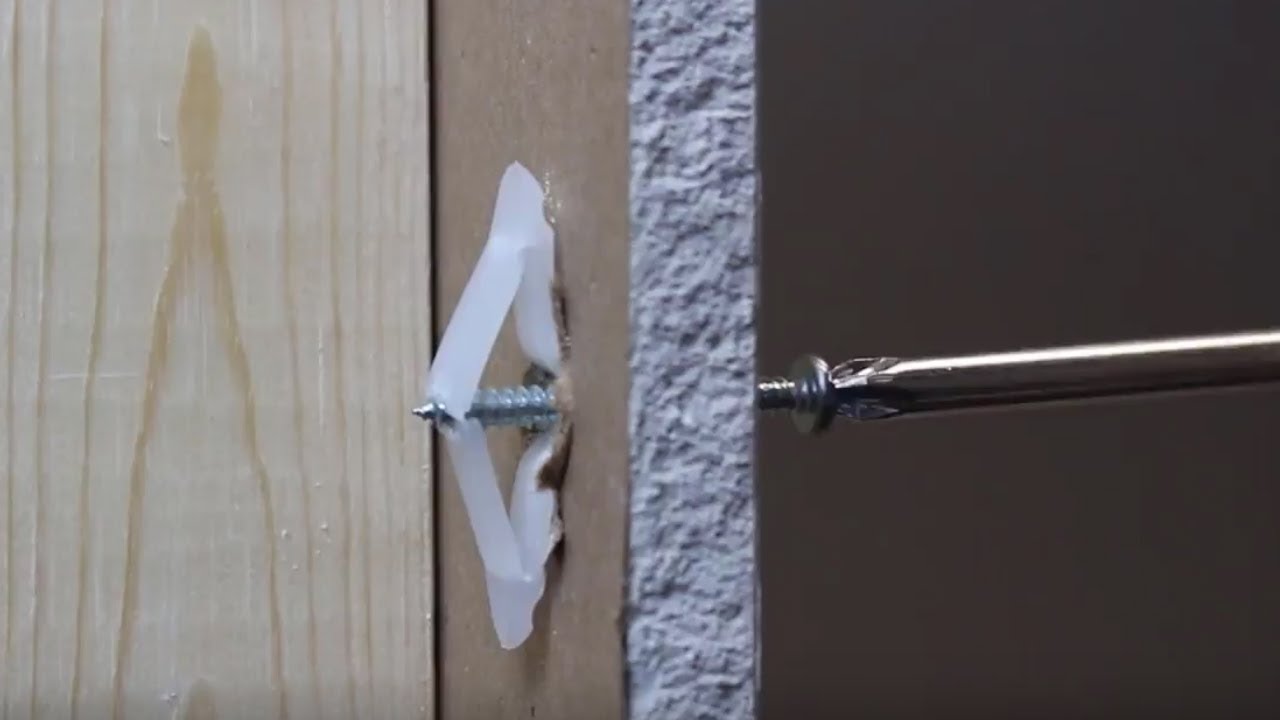
Plastic expansion anchors are simple and affordable. You drill a hole, insert the anchor, and screw into it. The anchor expands inside the drywall, holding firmly. These anchors work best for light items like picture frames.
Self-drilling Anchors
Self-drilling anchors do not need pre-drilling. You twist them directly into the drywall. They have sharp threads that grip the wall tightly. These anchors hold more weight than plastic ones and suit medium loads.
Toggle Bolts
Toggle bolts have metal wings that open inside the wall. You push them through a drilled hole, and the wings spread wide. This creates strong support for heavy items. Ideal for shelves and large mirrors.
Molly Bolts
Molly bolts expand behind the drywall after insertion. They need a pre-drilled hole and a tool to tighten. These bolts provide steady support for medium to heavy objects. Commonly used for cabinets and towel bars.
Snap Toggle Anchors
Snap toggle anchors have a metal bar that snaps open inside the wall. They hold very heavy items securely. Installation is quick and simple. Perfect for mounting TVs and heavy fixtures.

Credit: hauslloguer.com
Choosing The Right Anchor
Choosing the right drywall anchor matters for a strong hold. Not all anchors work the same way. Picking the correct one helps keep things safe and secure on your walls. Consider a few key points before making your choice.
Weight Capacity Considerations
Check the weight of the item you want to hang. Use an anchor that can handle that weight or more. Overloading an anchor causes it to fail and damage your wall. Always pick an anchor with a higher weight limit than your item.
Wall Thickness And Material
Walls are made from different materials and thicknesses. Drywall anchors fit best in drywall, but not all are suitable for thick or thin walls. Know your wall type before choosing an anchor. Some anchors work better in plaster, others in hollow drywall.
Anchor Size And Length
Choose the right size and length for your anchor. Bigger anchors hold more weight and give better support. The anchor should go deep enough into the wall for a firm grip. Small anchors may not hold heavy items well.
Installation Techniques
Installing drywall anchors correctly ensures a strong hold on your wall. The right technique keeps your fixtures secure and prevents damage. This section explains easy steps for a proper installation.
Preparing The Wall
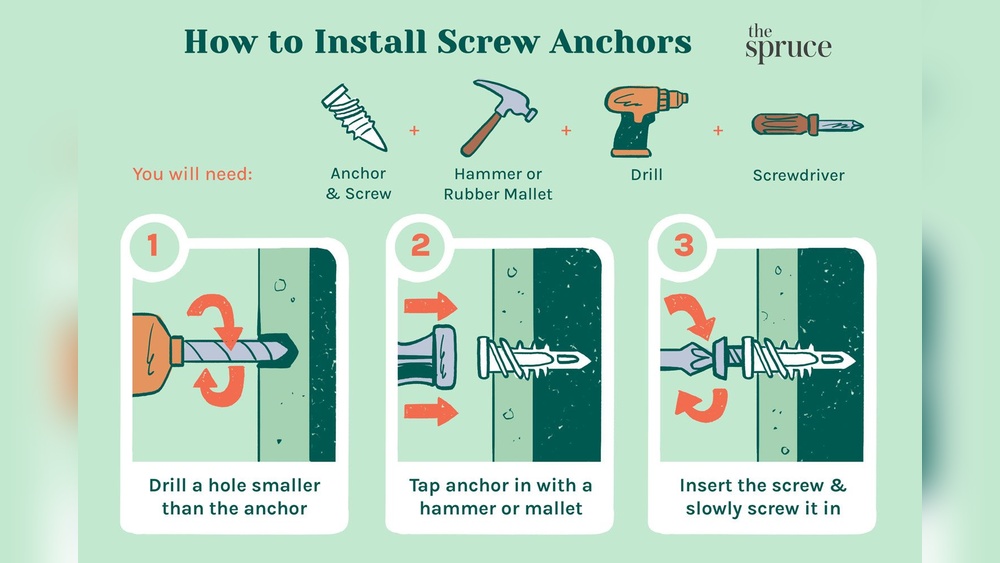
Start by cleaning the wall surface. Remove dust, dirt, and loose paint. Mark the spot where the anchor will go. Use a pencil to make a clear, small mark.
Drilling Holes Correctly
Choose a drill bit that fits the anchor size. Drill a straight hole at the marked spot. Drill slowly to avoid cracking the drywall. Stop once the hole is deep enough.
Inserting Anchors Safely
Push the anchor into the hole gently. Use your fingers or a hammer with light taps. Make sure the anchor is flush with the wall. Avoid forcing it too hard to prevent damage.
Securing Screws And Fixtures
Place the screw into the anchor’s center. Turn the screw slowly, letting the anchor expand inside. Tighten until the fixture feels secure. Do not over-tighten to avoid stripping the anchor.
Common Mistakes To Avoid
Drywall anchors are helpful tools for hanging items on walls. Yet, many people make simple mistakes that cause anchors to fail. Avoiding these errors will help your anchors hold strong and last longer.
Understanding common mistakes helps you choose and use anchors correctly. This saves time and prevents damage to your walls.
Overloading Anchors
Anchors have weight limits. Putting too much weight on them causes them to pull out or break.
Check the weight rating before hanging anything. Use multiple anchors for heavy objects.
Incorrect Anchor Selection
Different anchors work better for different wall types and loads. Plastic anchors suit light items.
Use metal or toggle anchors for heavier or hollow wall loads. Picking the wrong type can cause failure.
Improper Hole Size
Drilling too big or too small holes weakens the anchor’s grip. Holes that are too large make the anchor loose.
Too small holes can split the anchor or wall. Follow package instructions for correct hole size.
Ignoring Wall Condition
Old or damaged drywall may not hold anchors well. Cracks or wet spots weaken the wall.
Inspect walls before installation. Repair or replace damaged drywall for a secure hold.
Testing Anchor Strength
Testing anchor strength is important to ensure your drywall anchors hold securely. It helps prevent damage and keeps your items safe. Checking the strength before hanging heavy objects is a smart step.
Testing also reveals if an anchor is properly installed. Weak anchors can cause accidents or wall damage. Simple tests can save time and money by avoiding repairs later.
Pull Test Methods
A pull test measures how much force an anchor can handle. Use a spring scale or a hanging weight to apply pressure. Pull slowly and steadily. Stop if the anchor moves or pulls out.
Try pulling the anchor in the same direction as the load. This mimics real conditions. Record the force needed to move or loosen the anchor. It shows the anchor’s real strength.
Signs Of Failure
Look for cracks around the anchor hole. Loose anchors wiggle or spin with little effort. Walls may bulge or show small holes near the anchor. These signs mean the anchor is weak or damaged.
Anchors that pull out easily or break show clear failure. If the attached item feels unstable, the anchor might be failing. Early detection helps avoid accidents or damage.
When To Replace Anchors
Replace anchors if they show any signs of failure. If an anchor moves during testing, it needs replacement. Use new anchors for heavier items or after wall repairs.
Old anchors lose strength over time. Changing anchors regularly keeps your wall safe. Always choose anchors suited for your wall type and load size.
Tips For Stronger Walls
Strong walls hold your items safely and last longer. You can make drywall anchors work better by following some easy tips. These tips help your walls carry more weight without damage.
Understanding these simple steps improves your wall’s strength. The right methods keep your anchors secure and your walls stable.
Using Multiple Anchors
Spread the weight by using more than one anchor. This stops any single anchor from carrying too much load. Space the anchors evenly for balance. Multiple anchors share the pressure, making the wall safer.
Reinforcing With Backing
Add backing behind the drywall for extra support. A wooden board or metal plate works well. Attach anchors to this backing to keep them firm. This backing prevents the wall from cracking or breaking.
Choosing Quality Materials
Use strong anchors made from good materials. Cheap anchors often break or slip out easily. Pick anchors designed for your wall type. Better materials mean a longer-lasting hold and safer walls.

Credit: www.picturehangsolutions.com
Frequently Asked Questions
What Are Drywall Anchors Used For?
Drywall anchors provide extra support when hanging items on drywall. They prevent screws from pulling out. Anchors distribute weight evenly. They are essential for heavier objects like shelves or mirrors.
How Do Drywall Anchors Hold Weight?
Drywall anchors spread the load across a larger area inside the wall. This increases holding power. They create a secure grip by expanding or locking behind the drywall. This prevents damage and ensures stability.
Can I Reuse Drywall Anchors?
Most drywall anchors are designed for one-time use. Removing them often damages the anchor or drywall. For best results, use a new anchor when rehanging items. This maintains strength and safety.
What Types Of Drywall Anchors Exist?
Common types include plastic expansion anchors, metal anchors, toggle bolts, and molly bolts. Each type suits different weight capacities and wall thicknesses. Choosing the right anchor ensures proper support.
Conclusion
Drywall anchors hold objects firmly on walls. They spread weight evenly to avoid damage. Different types suit various wall materials and loads. Choosing the right anchor ensures strong support. Installation is simple with the right steps. Use anchors to hang shelves, pictures, and more.
Understanding how they work helps prevent mistakes. Strong walls mean safer, longer-lasting fixtures. Try anchors to make your walls more useful. Easy, reliable, and effective.