Choosing the right deadbolt lock for your home is more important than you might think. Your safety and peace of mind depend on it.
But with so many options out there, how do you know which one is best for you? This guide will help you understand what to look for, so you can make the smartest choice and keep your home secure. Stick with me, and by the end, you’ll feel confident about picking the perfect deadbolt lock for your needs.
Types Of Deadbolt Locks
Choosing the right deadbolt lock is key to home security. Deadbolt locks come in different types. Each type offers unique features and benefits. Understanding these types helps you pick the best lock for your needs.
Single Cylinder Deadbolts
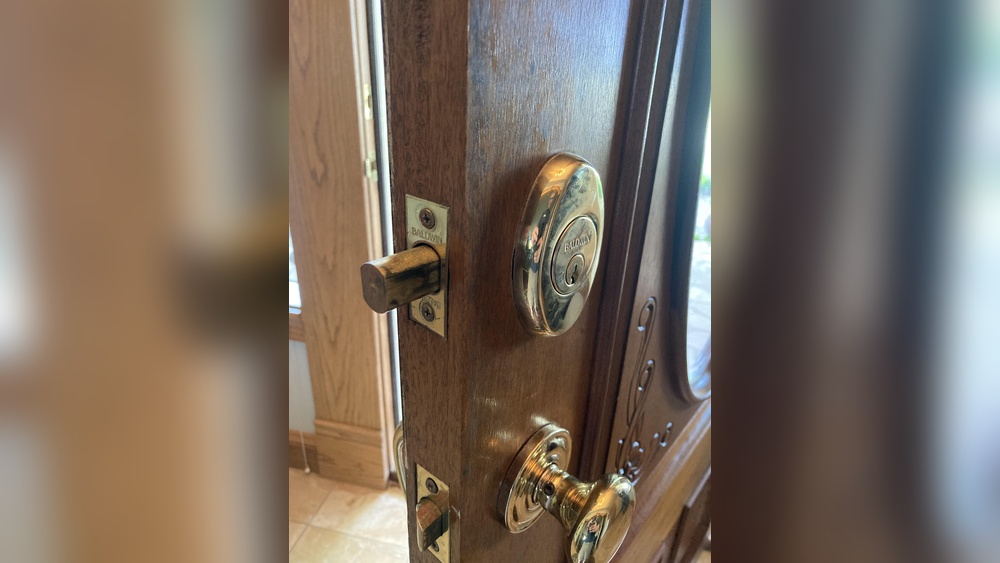
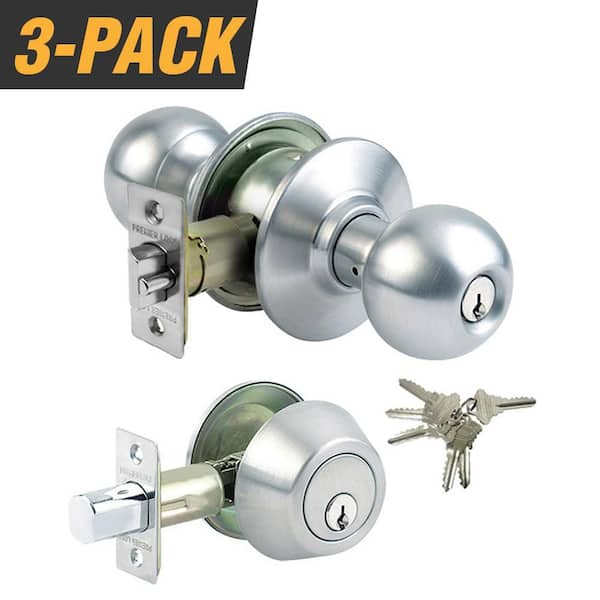
Single cylinder deadbolts have a keyhole outside. Inside, they use a thumbturn to lock and unlock. They are easy to use and very common. These locks work well for doors with no windows nearby. They provide good security and quick exit in emergencies.
Double Cylinder Deadbolts
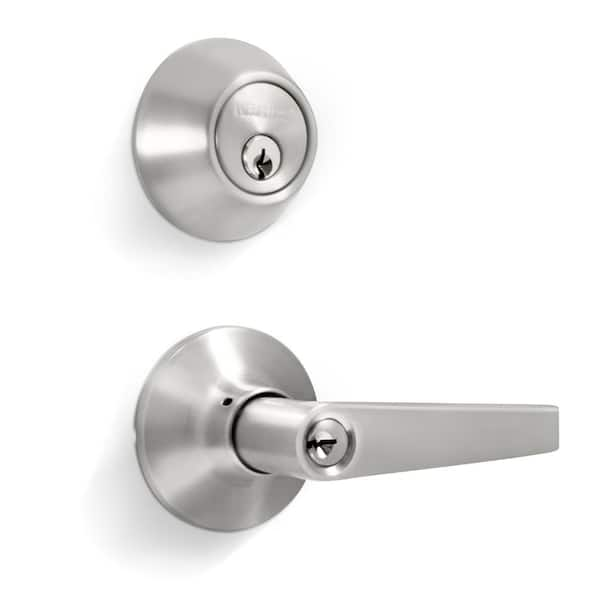
Double cylinder deadbolts need a key on both sides. This type adds extra security for doors with glass near the lock. It stops intruders from breaking glass and reaching inside. Keep in mind, these locks require a key to exit. This can slow you down during an emergency.
Lockable Thumbturn Deadbolts
Lockable thumbturn deadbolts combine features of single and double cylinders. They have a thumbturn inside but can be locked with a key. This option lets you lock the thumbturn when needed. It offers flexible security and quick exit when unlocked. Ideal for homes with children or shared spaces.
Material And Build Quality
Choosing the right material and build quality matters for deadbolt locks. These factors affect security and how long the lock lasts. A sturdy lock keeps your home safe. It also resists wear from weather and daily use. Understanding different materials helps pick a strong lock.
Steel Vs Brass Components
Steel and brass are common materials in deadbolt locks. Steel is tough and hard to break. It offers strong protection against forced entry. Brass is softer but resists corrosion well. Brass parts often look nicer and last long indoors. Some locks combine steel and brass for strength and style.
Durability And Rust Resistance
Durability means the lock stays strong over time. Rust can weaken metal parts quickly. Choose locks with rust-resistant finishes. Stainless steel and brass resist rust better than regular steel. A lock with good rust protection works well in wet climates. It keeps the lock smooth and secure for years.
Security Ratings And Certifications
Choosing a deadbolt lock for your home means understanding security ratings and certifications. These ratings show how strong and reliable a lock is. They help you pick a lock that offers real protection. Two key standards to know are the ANSI grading system and UL certification. They tell you if a lock meets important safety and quality rules.
Ansi Grading System
The ANSI grading system rates locks from Grade 1 to Grade 3. Grade 1 is the highest level of security. It means the lock can resist strong attacks and last a long time. Grade 2 offers good security for most homes. Grade 3 is basic and less secure. Choose a deadbolt with Grade 1 or Grade 2 for better protection. This system tests locks for durability and strength.
Ul Certification
UL certification shows a lock has passed safety tests by Underwriters Laboratories. UL tests how well locks resist fire and forced entry. A UL certified lock meets strict safety standards. It means the lock can protect your home in tough situations. Look for the UL mark on deadbolt packaging to confirm this certification. It adds trust to your lock choice.
Key Control And Pick Resistance
Choosing a deadbolt lock involves more than just strength and design. Key control and pick resistance play a major role in home security. These features help protect your home from unauthorized access and lock tampering. Understanding them helps you pick the best lock for safety and peace of mind.
High-security Keyways
High-security keyways offer better protection than standard ones. They use complex key shapes that are hard to copy. This control limits who can make duplicate keys. It keeps keys out of the wrong hands. Many high-security locks require special machines or authorization to copy keys. This feature reduces the risk of unauthorized entry through key duplication.
Anti-pick Features
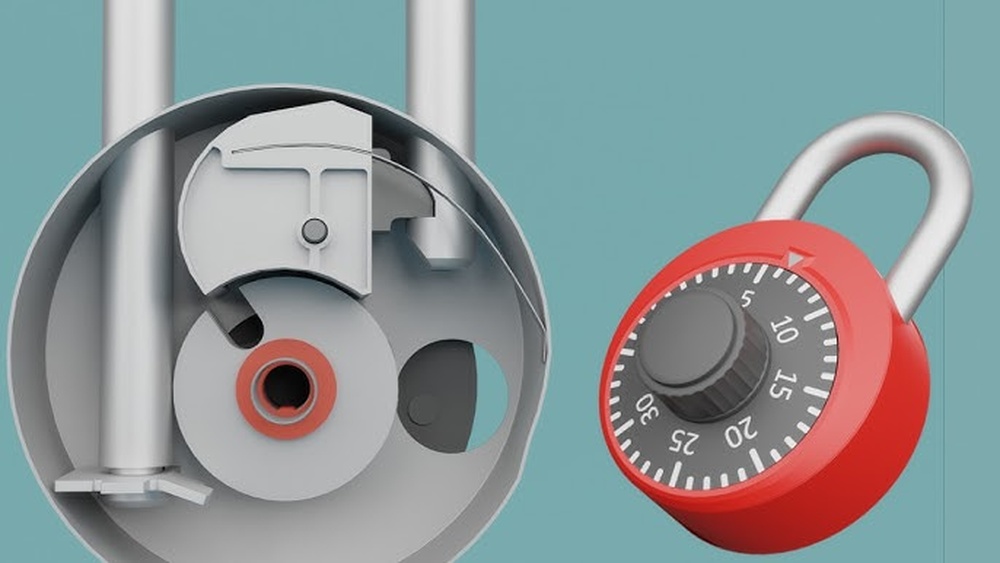
Anti-pick features make it difficult to pick the lock. Inside the lock, special pins and mechanisms block common picking tools. Some locks have rotating or mushroom pins that confuse lock pickers. This slows down or stops attempts to open the lock without a key. Choosing a deadbolt with strong anti-pick features adds an important layer of defense against break-ins.
Installation Considerations
Choosing the right deadbolt lock means thinking about installation. A lock must fit well and work smoothly. Installation affects security and how easy the lock is to use. This section covers key points to consider before installing your deadbolt.
Door Thickness Compatibility
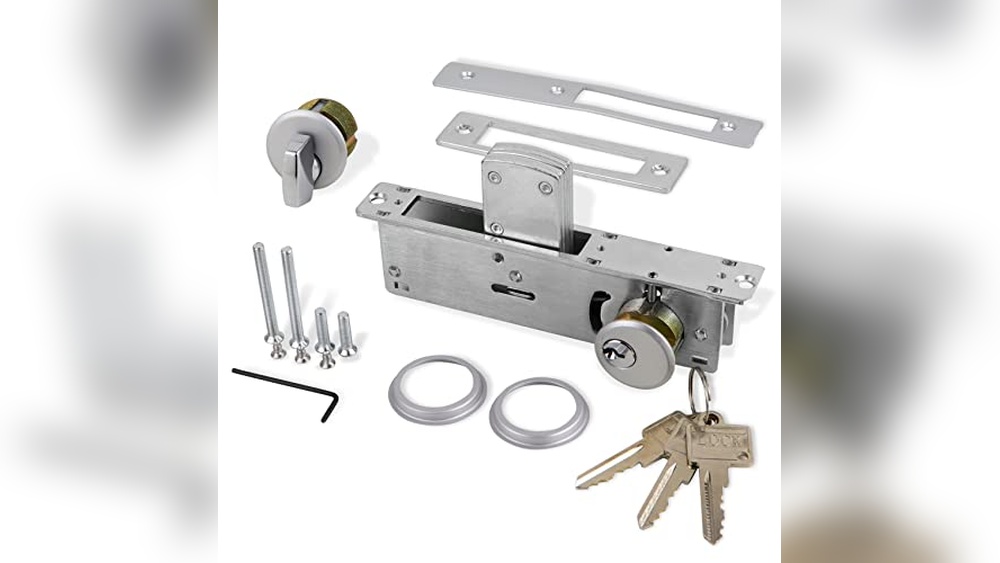
Not all deadbolt locks fit every door. Doors come in different thicknesses. Most locks fit standard doors, usually 1 3/8 to 1 3/4 inches thick. Measure your door first. Some locks offer adjustable parts for thicker doors. Choose a lock that matches your door’s thickness. This ensures the lock works correctly and stays secure.
Professional Vs Diy Installation
Decide if you want to install the lock yourself or hire a professional. Installing a deadbolt is simple for some models. Basic tools like a drill and screwdriver are needed. Follow the instructions carefully to avoid mistakes. A wrong installation can weaken the lock’s security.
Hiring a professional can save time and ensure proper fitting. Experts know how to handle different door types. They also fix any issues that appear during installation. This option costs more but brings peace of mind. Choose what fits your skill level and budget best.

Credit: www.amazon.com
Smart Deadbolt Options
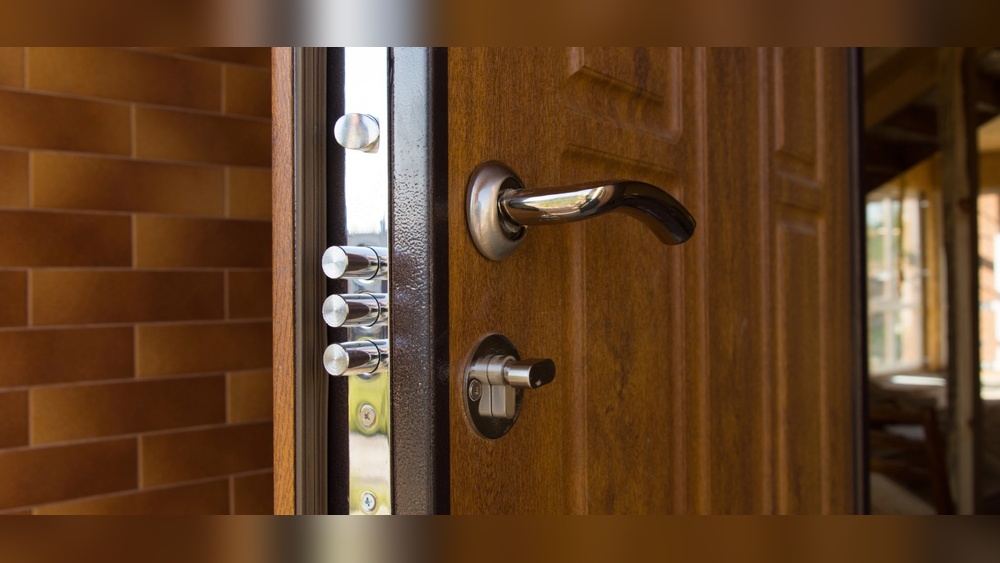
Smart deadbolt locks bring modern security to your home. They offer more control than traditional locks. These locks connect to your phone or home network. This makes locking and unlocking easier. Smart deadbolts also improve safety with alerts and monitoring.
Wi-fi And Bluetooth Features
Smart deadbolts often use Wi-Fi or Bluetooth to connect. Wi-Fi models work through your home internet. You can control them from anywhere with an app. Bluetooth locks connect directly to your phone. They work best when you are close to the door. Both options provide keyless entry for convenience. Choose the one that fits your daily routine.
Remote Access And Monitoring
Remote access lets you lock or unlock your door from far away. This is useful for letting guests in or checking if the door is locked. Many smart deadbolts send alerts to your phone. You will know if someone tries to open the door. Some models show real-time access logs. This helps you track who enters your home. Remote monitoring adds peace of mind to your security.
Budget And Warranty Factors
Choosing the right deadbolt lock involves thinking about your budget and the warranty it offers. These two factors help you find a lock that fits your needs without costing too much. A good balance between cost and security keeps your home safe and your wallet happy.
Also, understanding the warranty can protect your investment. It shows how much the maker trusts their product. A solid warranty means fewer worries if the lock breaks or stops working.
Cost Vs Security Balance
Cheap locks may save money upfront but offer less protection. High-end locks provide stronger security but cost more. Find a lock that offers good security within your budget. Think about the level of safety you need. Spend a bit more for better peace of mind if possible. Avoid very cheap locks that can be easily broken.
Manufacturer Warranty Details
Check the warranty length before buying. Longer warranties usually mean better quality. See what the warranty covers. Some cover parts and labor, others only parts. Read the fine print carefully. A good warranty can save money if problems arise. Choose brands known for reliable customer service.
Credit: www.homedepot.com
Credit: www.homedepot.com
Frequently Asked Questions
What Is The Best Deadbolt Lock For Home Security?
The best deadbolt lock combines durability, pick resistance, and a strong bolt. Look for Grade 1 or 2 locks with hardened steel bolts for optimal protection.
How Do I Choose The Right Deadbolt Lock Size?
Measure your door thickness and backset before buying. Most deadbolts fit standard doors (1-3/8” to 1-3/4” thick). Ensure compatibility for proper installation.
Are Smart Deadbolt Locks More Secure Than Traditional Ones?
Smart locks offer convenience and remote control but may have hacking risks. Traditional locks provide reliable mechanical security without electronic vulnerabilities.
Can I Install A Deadbolt Lock Myself?
Yes, with basic tools and instructions, most homeowners can install deadbolts. Ensure precise drilling and alignment for proper function and security.
Conclusion
Choosing the right deadbolt lock keeps your home safe and secure. Focus on quality, ease of use, and strong materials. Consider your door type and budget before buying. A good lock adds peace and protects your family. Take your time and pick a lock that fits your needs well.
Safety starts with smart choices at the door.