Are you struggling to hang something heavy on your wall without worrying it might fall? Knowing how to get a screw in a wall anchor is the key to making your shelves, pictures, or mirrors stay put securely.
You might think it’s tricky, but once you understand the simple steps, it becomes easy and even satisfying. You’ll discover exactly how to choose, install, and use wall anchors so your projects look professional and last longer. Keep reading, and you’ll never have to worry about loose screws again!

Credit: www.youtube.com
Choosing The Right Wall Anchor
Choosing the right wall anchor is key to a strong, secure hold. The right anchor keeps your items safe and your walls damage-free. Different walls and weights need different anchors. Knowing what to pick helps avoid repairs and accidents.
Types Of Wall Anchors
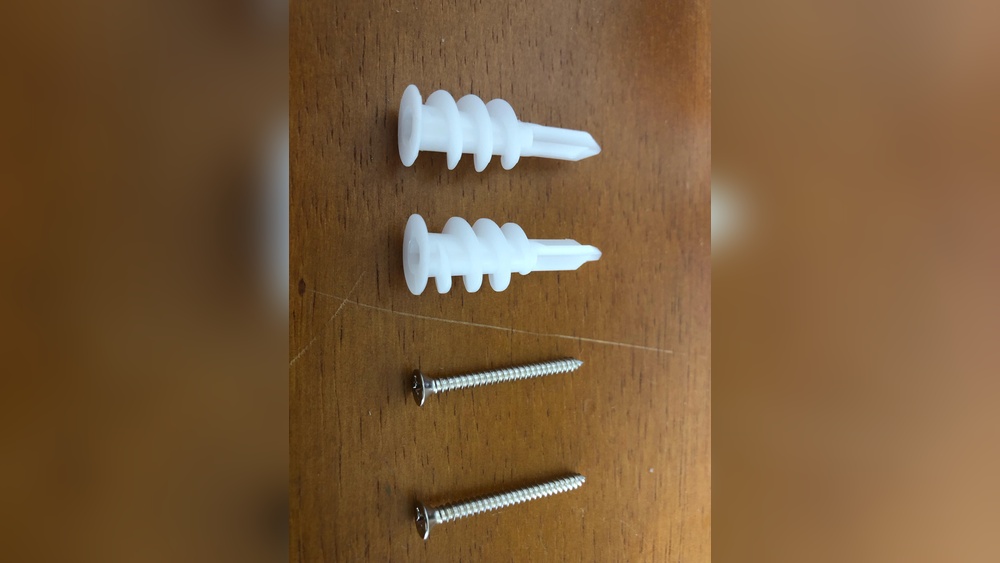
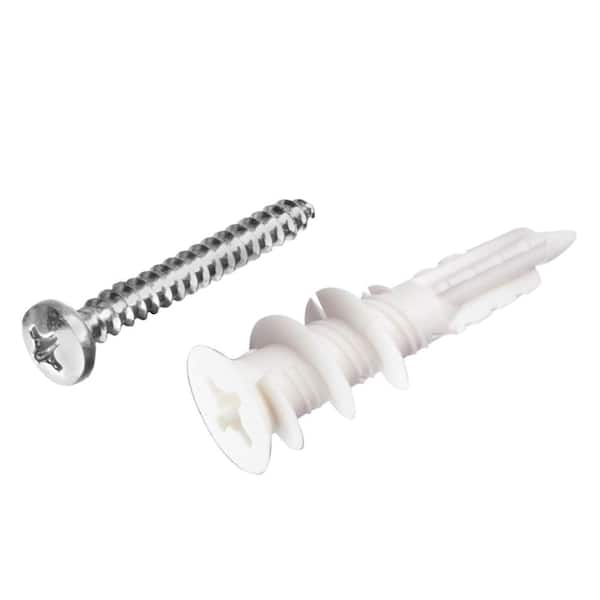
Plastic anchors work well for light loads and drywall. They expand inside the wall for a tight fit. Metal anchors are stronger and good for medium loads. Toggle bolts have wings that open behind the wall. They hold heavy items like shelves and mirrors. Each type fits specific needs and walls.
Matching Anchors To Wall Materials
Drywall anchors differ from those for plaster or concrete. Plastic anchors suit drywall and soft walls. Metal anchors fit plaster and thin walls better. Masonry anchors work best for brick, stone, or concrete. Matching anchors to your wall keeps things stable and safe.
Weight Capacity Considerations
Check the weight limit on the anchor package. Light anchors hold up to 20 pounds. Medium anchors support 20 to 50 pounds. Heavy-duty anchors can hold over 50 pounds. Always choose an anchor that can handle more than your item’s weight.
Credit: www.homedepot.com
Tools Needed For Installation
Installing a screw in wall anchor requires the right tools. Proper tools help make the job easier and safer. They ensure the anchor holds tight and the wall stays undamaged. Gather the necessary tools before starting your project to save time and avoid frustration.
Essential Tools List
- Drill or screwdriver – for making holes and driving screws
- Drill bits – match the size of the wall anchor
- Wall anchors and screws – suitable for your wall type
- Hammer – gently tap anchors into place
- Measuring tape – to mark the exact spot for drilling
- Level – ensures the anchor is straight
- Marker or pencil – for marking drill points
Optional Tools For Precision
- Stud finder – locates studs behind drywall
- Vacuum or brush – cleans dust from drilled holes
- Safety goggles – protects eyes from dust and debris
- Work gloves – protect hands while handling tools
- Depth gauge – controls drill depth for accuracy
- Magnetic screwdriver bit – holds screws firmly
Preparing The Wall
Preparing the wall is a key step before placing a screw in a wall anchor. It helps the anchor hold tight and keeps your items secure. Take your time to set up the wall correctly. This process makes the whole job easier and safer.
Marking The Spot
Find the exact place where you want to put the anchor. Use a pencil to mark the spot clearly. Check twice to make sure the mark is in the right place. A precise mark guides your drill and prevents mistakes.
Drilling The Pilot Hole
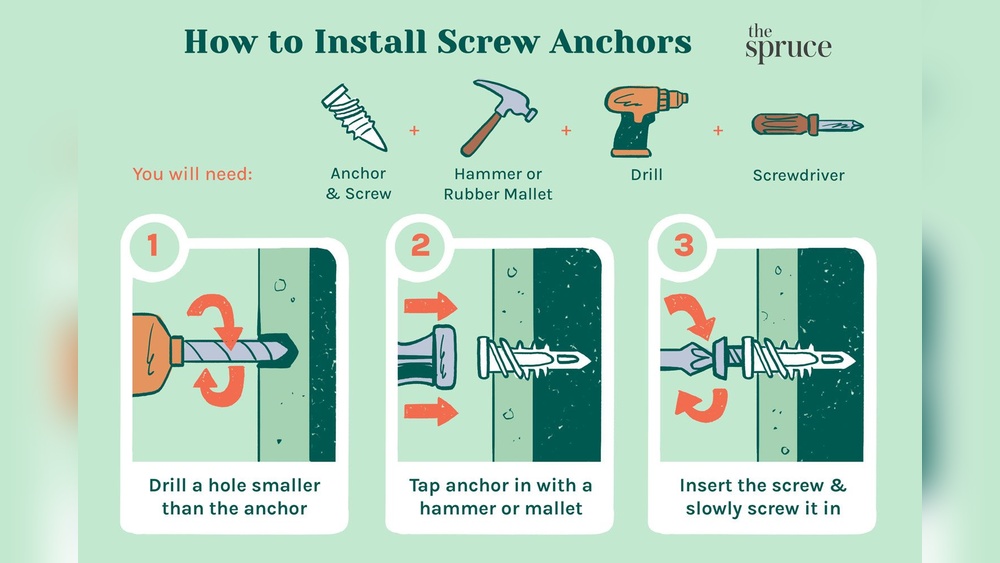
Choose the correct drill bit size for your anchor. Drill straight into the marked spot slowly. Stop when the hole is deep enough for the anchor. Avoid pushing too hard to keep the wall intact.
Cleaning The Hole
Remove dust and debris from the hole. Use a small brush or blow air gently inside. A clean hole helps the anchor fit tightly. It also improves the strength of the hold.
Inserting The Wall Anchor
Inserting the wall anchor is a key step to secure screws firmly in the wall. It creates a strong hold, preventing damage to your wall. The process is simple but requires care to ensure the anchor fits correctly.
Use the right tools and take your time. A well-inserted anchor supports the weight of your item safely.
Proper Anchor Placement
Choose the spot where you want to insert the anchor. Mark it clearly with a pencil. Use a drill bit that matches the anchor size. Drill a hole straight into the wall. The hole should be clean and not too big. Gently push the anchor into the hole. It should fit snugly without forcing it.
For drywall, the anchor needs to sit flush with the wall surface. Avoid pushing it too deep. This ensures the screw grabs well inside the anchor.
Handling Different Anchor Types
Plastic anchors work best for lightweight items. Push them into the drilled hole and tap gently with a hammer if needed. Metal anchors offer stronger support for heavier objects. Insert them carefully, sometimes twisting them into place.
Toggle anchors expand behind the wall. Insert the anchor folded, then pull to open inside. This creates a firm grip on hollow walls. Choose the right anchor type based on wall material and weight load.
Securing The Screw
Securing the screw in a wall anchor is key to a strong hold. It keeps your objects safe on the wall. Doing this right means your items won’t fall or wobble. Follow clear steps to ensure the screw stays tight and steady.
Choosing The Right Screw Size
Select a screw that fits the anchor perfectly. Too small, and it won’t grip well. Too large, and it may crack the anchor or wall. Check the anchor’s packaging for size recommendations. Match the screw length to the thickness of the item and wall.
Driving The Screw Correctly
Use a screwdriver or drill with steady pressure. Start slowly to avoid slipping or stripping the screw head. Turn the screw until it feels snug, but avoid over-tightening. Over-tightening can damage the anchor and weaken the hold. Stop when the screw feels firm and secure.
:max_bytes(150000):strip_icc()/how-to-use-and-discard-anchor-screws-1822671-002-04-4963da18c2674e6bbf07e5fc07d5b4f0.jpg)
Credit: www.thespruce.com
Testing The Fixing Strength
Testing the fixing strength of a screw in a wall anchor is important. It shows if the anchor can hold the weight safely. This step helps avoid accidents and damage. You must check stability and troubleshoot loose anchors carefully. This ensures a secure and lasting hold for your project.
Checking Stability
Start by gently pushing or pulling the screw. It should not move or wiggle. Test with small pressure first to avoid damage. If the screw stays firm, the anchor is stable. Try hanging a light object to check the hold. Watch for any signs of slipping or shifting.
Troubleshooting Loose Anchors
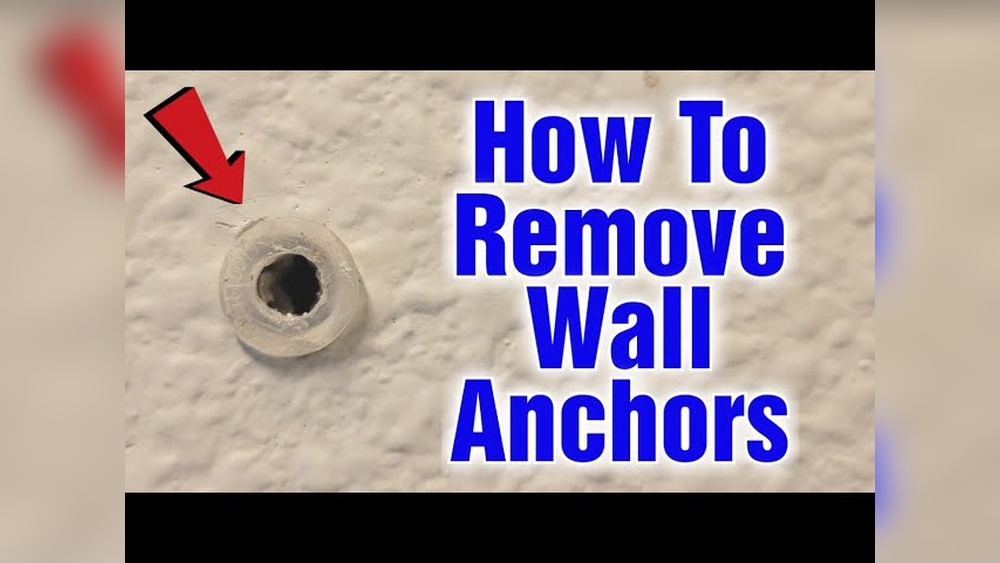
If the screw feels loose, remove it carefully. Check the hole for damage or too much space. Use a larger anchor or fill the hole with wall filler. Let the filler dry before trying again. For hollow walls, choose the right anchor type. Replace loose anchors to keep your items safe and steady.
Safety Tips And Best Practices
Installing a screw in a wall anchor requires care and attention. Safety is important to protect yourself and your walls. Following best practices reduces damage and ensures a strong hold. Here are key safety tips to consider.
Avoiding Wall Damage
Choose the right anchor for your wall type. Drywall, plaster, and concrete need different anchors. Use a stud finder to avoid drilling into wires or pipes. Mark the spot clearly before drilling. Drill slowly and steadily to prevent cracks. Do not force the screw if it feels tight. Stop and check for the right size anchor or drill bit. Patch small holes if you make mistakes. This keeps your walls neat and safe.
Using Anchors Safely
Wear safety glasses to protect your eyes from dust. Use a mask if drilling creates a lot of dust. Keep your hands clear of the drill bit. Hold the drill with both hands for control. Follow the anchor manufacturer’s instructions closely. Insert the anchor straight into the hole. Screw in slowly and stop if you feel resistance. Test the anchor’s hold gently before hanging heavy items. Proper use prevents accidents and ensures a secure fit.
Frequently Asked Questions
What Is A Screw In Wall Anchor?
A screw in wall anchor is a device that secures screws in drywall. It prevents screws from pulling out. It provides strong support for hanging items on walls without studs.
How Do You Install A Screw In Wall Anchor?
First, drill a pilot hole matching the anchor size. Insert the anchor into the hole. Turn the anchor clockwise until flush with the wall. Finally, screw in the screw to secure your item.
Can Screw In Wall Anchors Hold Heavy Items?
Yes, they can hold medium-weight items up to 50 pounds. For heavier loads, use toggle bolts or anchors designed for weight. Always check the anchor’s weight rating before use.
What Tools Do I Need For Screw In Wall Anchors?
You need a drill with a suitable drill bit, a screwdriver, and the anchors themselves. Optionally, use a stud finder to avoid drilling into studs.
Conclusion
Getting a screw in a wall anchor is simple with the right steps. Choose the correct anchor for your wall type. Drill a hole that fits the anchor snugly. Push the anchor in until it sits flush with the wall.
Then, insert the screw carefully into the anchor. Tighten it just enough to hold your item firmly. This method keeps your wall safe and your objects secure. Try it yourself for easy and strong wall fixing.