Have you ever tried to remove a sleeve anchor from your wall and felt stuck, unsure of the best way to do it without causing damage? You’re not alone.
Removing sleeve anchors can be tricky, especially if you want to keep your wall looking clean and intact. But don’t worry—this guide will show you simple, effective steps to get that anchor out smoothly. Keep reading, and you’ll gain the confidence to handle this task like a pro, saving time and avoiding common mistakes.

Credit: www.tradevent.com.au
Tools Needed
Removing a sleeve anchor from a wall needs the right tools. Having these tools ready makes the job easier and safer. The tools help you remove the anchor without damaging the wall.
Each tool has a specific purpose. Knowing which tool to use helps avoid frustration. Gather the tools before starting the removal process.
Hammer
A hammer helps to tap or gently loosen the sleeve anchor. It can also push the anchor deeper for easier pulling.
Pliers
Pliers grip the sleeve anchor firmly. They pull the anchor out of the wall with controlled force.
Screwdriver
A screwdriver may be needed to unscrew any bolt attached to the anchor. Choose the correct size for a secure fit.
Drill
A drill with a metal bit can help remove stubborn anchors. It can drill into the anchor to break its hold.
Vacuum Cleaner
A vacuum cleaner clears dust and debris from the work area. This keeps the space clean and safe.
Identify The Anchor Type
Start by checking the type of sleeve anchor in your wall. Different anchors need different removal steps. Knowing the anchor type helps you remove it safely and easily.
What Is A Sleeve Anchor?
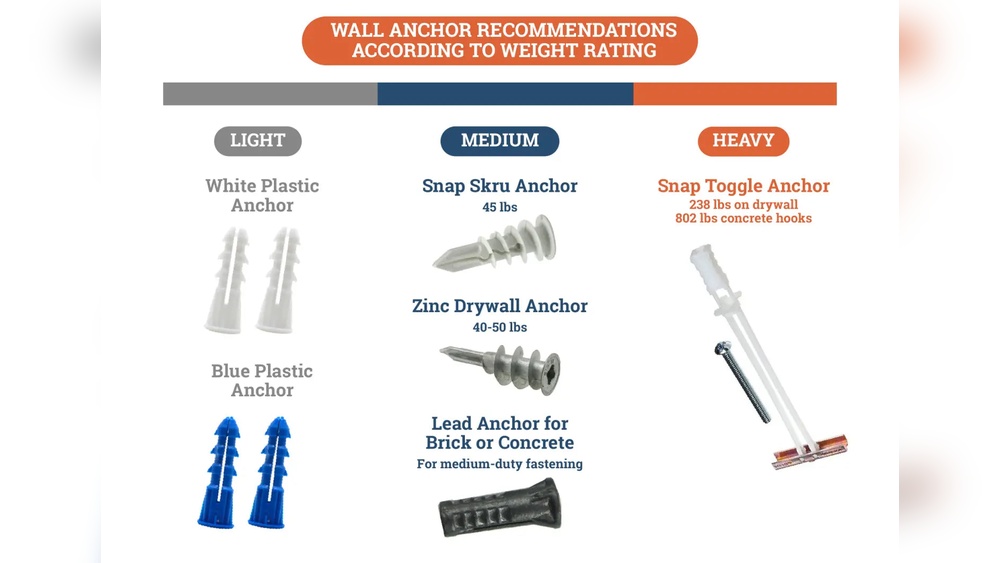
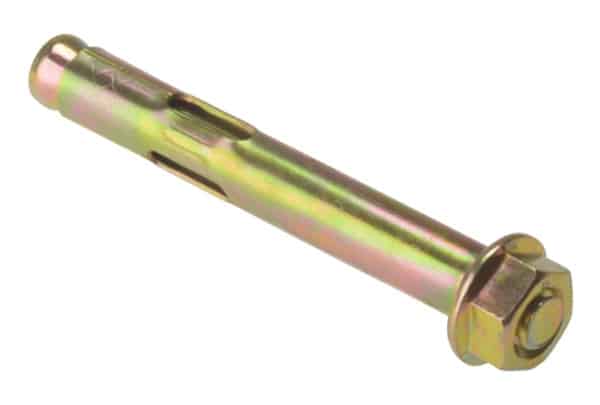
A sleeve anchor is a type of wall anchor used to hold heavy objects. It has a metal sleeve that expands inside the wall. This expansion creates a strong grip. Knowing this helps in removing it safely.
How To Spot A Sleeve Anchor
Look at the wall surface. A sleeve anchor usually has a visible metal or plastic ring. It often sits flush with the wall. You may see a bolt or screw in the center.
Difference Between Sleeve Anchors And Other Anchors
Sleeve anchors are stronger than plastic anchors. They differ from toggle bolts, which have wings. Unlike expansion anchors, sleeves expand around the bolt. This distinction guides the removal method.
Why Identifying The Anchor Matters
Different anchors need different removal tools. Using the wrong method can damage the wall. Correct identification saves time and effort. It also prevents extra repair work.
Prepare The Area
Preparing the area is the first step before removing a sleeve anchor from a wall. A clean and safe workspace makes the job easier and faster. It also helps avoid damage to the wall or injury to yourself.
Take time to gather the right tools and clear the space around the anchor. This preparation sets the stage for smooth removal.
Clear The Surrounding Wall Space
Remove any pictures, shelves, or objects near the anchor. This prevents accidents and gives you enough room to work. Dust and dirt on the wall can be wiped away with a damp cloth. A clean surface helps you see the anchor clearly.
Protect The Floor And Furniture
Place a drop cloth or old sheet on the floor below the anchor. This catches dust and debris. Move nearby furniture or cover it with plastic sheets. Protection avoids stains and scratches from falling debris.
Gather Necessary Tools
Collect tools like pliers, a screwdriver, a hammer, and safety gear. Safety glasses and gloves protect your eyes and hands. Having tools ready keeps you focused on the task and saves time.
Credit: blog.qrfs.com
Loosen The Sleeve Anchor
Loosening a sleeve anchor is the first step to removing it from a wall. The sleeve grips the inside of the hole tightly. You need to loosen this grip to pull the anchor out easily. Use simple tools and gentle force to avoid wall damage. This process requires patience and care.
Use Pliers For Grip
Start by holding the anchor’s bolt with pliers. Grip it firmly but avoid squeezing too hard. Twist the bolt gently back and forth. This motion helps loosen the sleeve inside the wall. If the bolt turns freely, the sleeve is loosening. Keep twisting until you feel less resistance.
Tap With A Hammer
Next, use a hammer to tap the sleeve anchor lightly. Tap near the wall surface around the anchor. This action helps break the sleeve’s grip inside the hole. Use a small hammer and light taps only. Avoid hard hits to prevent wall damage. Tap a few times and check if the anchor moves easily.
Remove The Anchor
Removing a sleeve anchor from a wall is a simple task that anyone can do. The key is to work carefully to avoid damaging the wall surface. Start by focusing on the anchor itself and how it grips the wall.
There are two main ways to remove the anchor. One uses pliers to pull it out directly. The other uses a screwdriver to help loosen the anchor first. Both methods work well depending on the anchor’s condition.
Pull Out With Pliers
Grab the anchor firmly with a pair of pliers. Twist the anchor gently to loosen it. Pull the anchor straight out from the wall. Avoid bending it, which can break the anchor inside. Keep steady pressure for the best results.
Use A Screwdriver For Leverage
Insert a flathead screwdriver between the wall and the anchor’s rim. Use the screwdriver as a lever to pry the anchor out slowly. Work the screwdriver around the anchor to loosen it evenly. Pull the anchor out once it moves freely.

Credit: diy.stackexchange.com
Fixing Wall Damage
Removing a sleeve anchor from a wall often leaves holes and damage. Fixing these spots is important for a smooth and clean look. Proper repair helps the wall look new again. It also stops dirt and moisture from entering the holes.
Fill Holes With Spackle
First, clean out the holes with a brush or cloth. This removes dust and loose pieces. Use a putty knife to apply spackle into the holes. Press the spackle firmly to fill every gap. Smooth the surface with the knife to level it. Let the spackle dry completely before the next step.
Sand And Paint
After the spackle is dry, sand the area lightly. Use fine-grit sandpaper for a smooth finish. Wipe away the dust with a damp cloth. Apply paint that matches your wall color. Use a small brush or roller for even coverage. Let the paint dry fully before touching the wall.
Preventing Future Issues
Preventing future problems with sleeve anchors starts with smart choices and careful work. Small mistakes can cause anchors to fail or damage walls. Taking time to pick the right anchor and install it well saves effort later.
Good habits in anchor use keep your walls strong and secure. They help avoid repairs and keep things safe for a long time.
Choose The Right Anchor Size
Select an anchor that fits the hole size and weight load. Too small anchors may not hold well. Too large anchors can crack the wall.
Check the weight of the item you want to hang. Match the anchor size to handle that weight safely. Use anchors made for your wall type, like concrete or brick.
Proper Installation Techniques
Drill the hole to the exact depth and diameter needed. Clean the hole from dust before inserting the anchor. Dust can stop anchors from gripping tightly.
Insert the anchor straight into the hole. Avoid forcing it in at an angle. Tighten the bolt slowly and evenly. Over-tightening can damage the anchor or wall.
Follow the manufacturer’s instructions closely. Each anchor type may need different steps. Proper technique makes the anchor last longer and hold stronger.
Frequently Asked Questions
How Do You Safely Remove A Sleeve Anchor?
To remove a sleeve anchor safely, first unscrew the bolt completely. Then, gently pull the anchor out using pliers. If stuck, tap around the anchor with a hammer to loosen it before pulling.
Can I Reuse A Removed Sleeve Anchor?
Reusing a removed sleeve anchor is not recommended. Removal can damage its expansion mechanism, reducing holding strength. Always use a new anchor for secure and safe installation.
What Tools Are Needed To Remove Sleeve Anchors?
You need a wrench or screwdriver to unscrew the bolt. Pliers help pull out the anchor. A hammer may assist in loosening a stuck anchor before removal.
Will Removing A Sleeve Anchor Damage The Wall?
Removing sleeve anchors can cause minor wall damage like small holes or cracks. Patch the holes with spackle or filler to restore a smooth surface after removal.
Conclusion
Removing a sleeve anchor from a wall can be simple with the right steps. Take your time and use the proper tools to avoid damage. Always check the wall for cracks or holes after removal. Patch and repair the wall to keep it smooth and strong.
Practice these tips to handle sleeve anchors with confidence. Your walls will look clean and ready for new projects. Keep safety in mind and work carefully throughout the process. Removing anchors does not have to be hard or stressful.