
Are you tired of struggling with weak wall anchors that just won’t hold? Learning how to use self drilling wall anchors can change the way you hang your shelves, pictures, and heavy items for good.
These anchors are designed to make your job easier and your walls stronger, even if you don’t have a lot of tools or experience. You’ll discover simple steps to get the perfect grip every time, saving you frustration and keeping your things safe.
Ready to make your walls work for you? Let’s dive in.
Choosing The Right Anchor
Choosing the right self drilling wall anchor is key to a strong hold. Using the wrong anchor can cause damage or make your item fall. This section helps you pick the best anchor for your project. Understanding types, wall materials, and weight limits makes the process simple.
Types Of Self Drilling Anchors
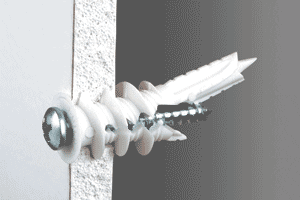
Self drilling anchors come in several types. Some have a sharp tip to drill into drywall easily. Others have a wider body for hollow walls or plaster. Metal anchors are strong and good for heavy items. Plastic anchors suit lighter loads and soft walls. Choose the type based on your wall and what you want to hang.
Matching Anchors To Wall Materials
Walls differ in strength and texture. Drywall needs anchors that cut through without cracking. Concrete or brick requires heavy-duty anchors that can drill into hard surfaces. Plaster walls need anchors that hold without breaking the surface. Match the anchor to your wall for a safe, secure fit.
Weight Capacity Considerations
Anchors have weight limits. Check the package for the maximum load the anchor can hold. Use a stronger anchor for heavy shelves or mirrors. Lighter anchors work for pictures or small decorations. Always choose an anchor that supports more than your item’s weight.
Credit: www.protoolreviews.com
Tools You’ll Need
Using self-drilling wall anchors is easier with the right tools. These tools help you work safely and get better results. Prepare your workspace and gather everything before starting. The tools listed below are must-haves for this job.
Drill And Drill Bits
A drill makes the job faster and easier. Choose a drill with a comfortable grip and good power. Use drill bits that match the size of your wall anchors. This helps create the right hole size for the anchor.
Screwdrivers And Screws
Pick screwdrivers that fit your screws well. A wrong size can strip the screw head. Use screws that come with the anchors. These screws are designed to work perfectly with the anchors.
Measuring And Marking Tools
Measure carefully to place anchors in the right spots. Use a tape measure or ruler for accuracy. Mark spots with a pencil for easy drilling. This keeps your work neat and precise.
Preparing The Wall
Preparing the wall is the first step to using self drilling wall anchors correctly. It helps ensure your anchors hold strong and your items stay secure. Taking time to prepare prevents mistakes and damage to the wall.
Follow these steps carefully for the best results.
Locating Studs And Avoiding Hazards
Find the wall studs before drilling. Use a stud finder or tap the wall to hear solid spots. Studs offer more support for heavy items.
Avoid places with electrical wires or pipes. These hazards can cause injury or damage. Use a wire detector to be safe.
Marking Anchor Placement
Mark the exact spots where you want to install anchors. Use a pencil for light, clear marks. Measure carefully to keep anchors level and spaced well.
Clear marks help guide your drilling and keep the job neat.
Cleaning The Surface
Clean the wall surface before drilling. Remove dust, dirt, and grease with a dry cloth. A clean surface helps the anchor grip better.
This step makes sure anchors fit tightly and hold strong over time.
Installing The Anchor
Installing self-drilling wall anchors is simple and fast. These anchors help secure items to drywall without extra tools. The process requires care to avoid damage and ensure a strong hold. Follow these steps for a smooth installation.
Starting The Anchor
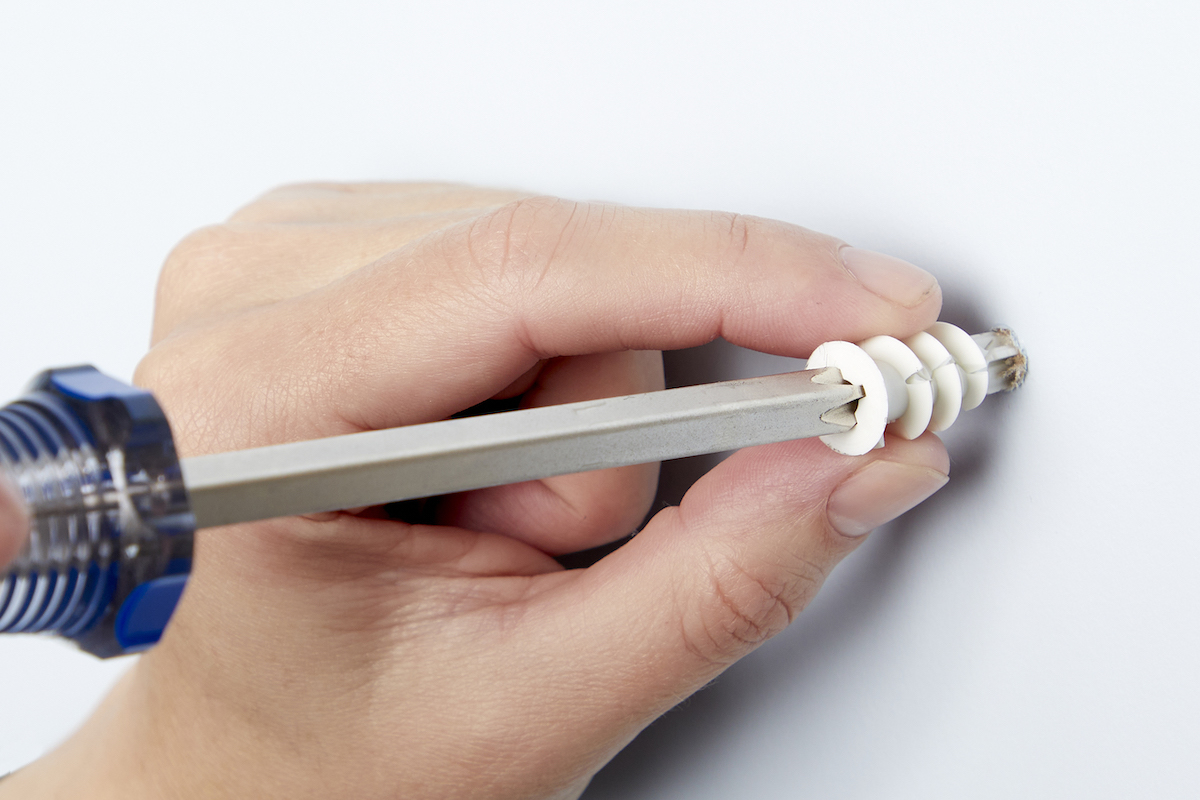
Hold the anchor tip against the wall. Use steady pressure to keep it in place. Begin turning the anchor slowly by hand. This starts the thread digging into the drywall. Avoid pushing too hard to prevent wall damage.
Drilling Without A Pilot Hole
Self-drilling anchors do not need a pilot hole. The sharp tip cuts into drywall easily. Turn the anchor with a screwdriver or drill. Keep the tool steady and control the speed. This helps the anchor bite into the wall.
Ensuring Proper Depth And Alignment
Check the anchor’s depth as you install it. Stop when the flange is flush with the wall. This ensures a secure hold without over-tightening. Keep the anchor straight during installation. A tilted anchor can weaken the grip.
Securing The Fixture
Securing the fixture with self-drilling wall anchors is a key step. It keeps your items firmly attached to the wall. Proper installation prevents damage and ensures safety. Follow simple guidelines for a strong hold.
Choosing The Right Screw
Pick a screw that fits the anchor size. Use screws recommended by the anchor manufacturer. Too long screws can damage the wall. Too short screws won’t hold the fixture tightly. Match screw thickness with the anchor for best results.
Tightening The Screw Correctly
Turn the screw slowly and steadily. Stop tightening as soon as the fixture feels secure. Over-tightening may strip the anchor or damage the wall. Use a screwdriver or drill with low torque. Keep control to avoid breaking the anchor.
Testing The Hold Strength
Gently pull the fixture after tightening the screw. Check for any movement or looseness. If it moves, tighten the screw a little more. Test the hold with light pressure before hanging heavy items. Secure anchors give confidence and keep walls safe.

Credit: www.youtube.com
Common Mistakes To Avoid
Using self-drilling wall anchors is easy but mistakes can cause problems. Avoid these common errors to get strong and safe holds. Knowing what to watch out for saves time and effort.
Over-tightening Screws
Do not tighten screws too much. Over-tightening can crack the wall or damage the anchor. Stop turning the screw once it feels snug. The anchor will hold well without extra force.
Using Wrong Anchor Sizes
Choose the right size anchor for the screw and load. Too small anchors may fail under weight. Too large anchors can be hard to insert and may damage the wall. Match the anchor size to your project needs.
Ignoring Wall Material Differences
Different walls need different anchors. Drywall, plaster, and concrete are not the same. Some anchors work better in certain materials. Check what wall you have before buying anchors. This ensures a secure and lasting hold.
Maintaining Strong Holds
Maintaining strong holds with self drilling wall anchors is key to keeping your items secure. Proper care helps avoid damage to walls and prevents objects from falling. Regular checks and smart use extend the life of your anchors. This section guides you on how to keep your anchors reliable and safe.
Regular Inspection Tips
Check anchors often for any signs of loosening or damage. Look for cracks in the wall around the anchor. Gently wiggle the attached object to see if it moves. Tighten screws if needed, but avoid overtightening. Keep an eye on rust or corrosion on metal parts. Early detection stops bigger problems later.
When To Replace Anchors
Replace anchors if you see cracks or if they feel loose. Do not reuse anchors that have been removed from the wall. If the anchor bends or shows rust, it is weak. Change anchors if you change the mounted object’s weight or size. Use new anchors to keep a strong, safe hold.
Handling Heavy Loads Safely
Heavy items need anchors designed for strong support. Use multiple anchors to spread the weight evenly. Check the weight limits on the anchor package before use. Avoid hanging heavy objects from drywall only. Find studs or use anchors made for heavy loads. This keeps your wall and items safe.
Credit: www.bobvila.com
Frequently Asked Questions
What Are Self Drilling Wall Anchors Used For?
Self drilling wall anchors secure objects to drywall without pre-drilling. They provide strong, reliable support for shelves, mirrors, or hooks. These anchors simplify installation and save time. They are ideal for medium-weight items and ensure stability on drywall surfaces.
How Do You Install Self Drilling Wall Anchors?
To install, mark the spot, then screw the anchor directly into drywall using a screwdriver. Insert the screw into the anchor and tighten. No drilling is needed. Installation is quick and requires minimal tools, making it user-friendly for DIY projects.
Can Self Drilling Wall Anchors Support Heavy Items?
Self drilling wall anchors support medium-weight items up to 50 pounds. For heavier objects, use toggle bolts or anchors designed for higher loads. Always check the product specifications before mounting heavy fixtures to ensure safety and prevent wall damage.
Are Self Drilling Wall Anchors Reusable?
No, self drilling wall anchors are generally not reusable. Removing them often damages the anchor or drywall. It’s best to use a new anchor if you need to remount in a different location to maintain strong support and wall integrity.
Conclusion
Using self drilling wall anchors makes hanging items easier and stronger. They save time by drilling and fixing in one step. Always pick the right size anchor for your project. Drill carefully and avoid forcing the anchor. With simple tools and clear steps, anyone can do it.
Keep these tips in mind for better results. Try them on your next wall project and see the difference. Simple, quick, and reliable—self drilling wall anchors work well every time.


