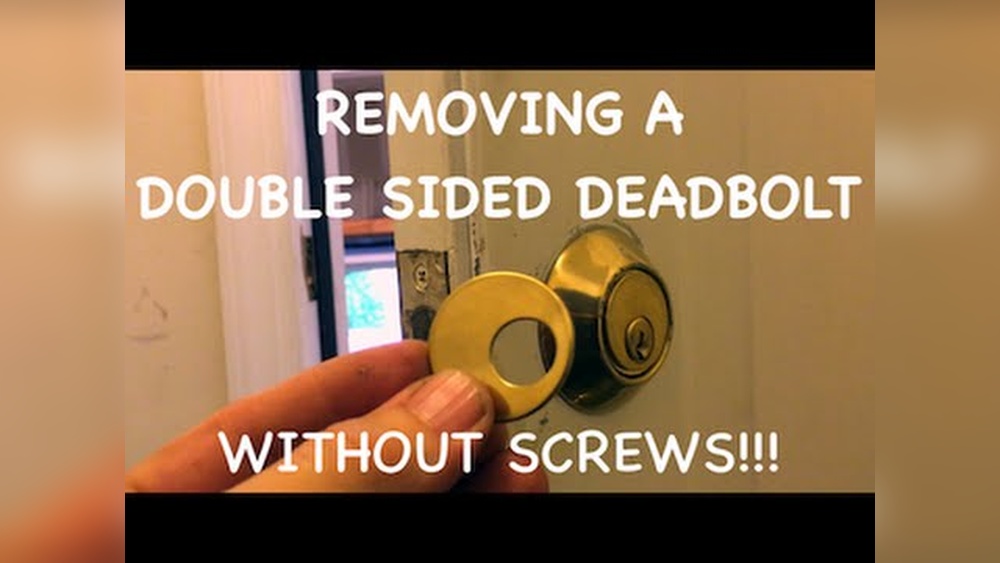
Are you stuck trying to remove a Lockwood deadbolt lock but can’t find any screws? It’s frustrating when you want to change or fix your lock, but the usual methods don’t work.
Don’t worry—you’re not alone, and there’s a way to get it done without screws. In this guide, you’ll discover simple, step-by-step tricks to remove your Lockwood deadbolt quickly and safely. Keep reading, and you’ll have that lock off in no time.

Credit: www.youtube.com
Tools Needed
Removing a Lockwood deadbolt lock without screws requires some specific tools. Having the right tools makes the job easier and safer. It also helps prevent damage to the door or lock. Below are the tools you will need to complete this task.
Flathead Screwdriver
A flathead screwdriver helps pry open parts of the lock carefully. It can slide between tight spaces to loosen the lock components. Choose a screwdriver with a thin, strong tip for better control.
Putty Knife
A putty knife works like a flat tool to push or lift small parts. It can help separate the lock cover without scratching the door. Use one with a flexible but sturdy blade for best results.
Needle-nose Pliers
Needle-nose pliers grip small pieces inside the lock. They help pull out pins or clips that hold the lock in place. Their slim shape allows reaching into narrow areas easily.
Credit Card Or Plastic Shim
A plastic shim or old credit card can slide between the door and lock. This tool helps release the latch by pushing it back. It avoids damage that a metal tool might cause.
Lubricant Spray
Lubricant spray loosens stuck parts inside the lock. It helps the tools move smoothly without forcing. Use a small amount to avoid making a mess on the door.

Credit: www.reddit.com
Identify Lock Components
Knowing the parts of a Lockwood deadbolt is key to removing it without screws. Each component has a role in how the lock works and comes apart.
Start by studying the lock closely. This helps to see which parts you can handle and which need careful attention.
Exterior Faceplate
The exterior faceplate covers the outside of the lock. It holds the key cylinder and protects the inner parts.
This part usually snaps or fits tightly, but it can be removed by careful prying or sliding.
Key Cylinder
The key cylinder is where you insert the key. It controls the locking and unlocking action.
It sits inside the faceplate and connects to the thumb turn or bolt inside the door.
Thumb Turn
The thumb turn is on the inside of the door. You turn it to lock or unlock without a key.
This piece may be clipped or held by friction, allowing it to come off without screws.
Deadbolt Bolt
The deadbolt bolt is the metal bar that slides into the door frame to lock the door.
It moves when you turn the key or thumb turn. Understanding its position helps in removal.
Lock Housing
The lock housing holds all internal parts together inside the door.
It is often hidden and may require gentle pulling or pushing to access without screws.
Accessing The Lock Cylinder
Accessing the lock cylinder is the first step in removing a Lockwood deadbolt without screws. The lock cylinder is the round part where the key goes. It holds the key mechanism and controls the locking bolt inside the door.
To remove the lock cylinder, you need to expose it carefully. This process requires patience and the right tools. A clear view and easy access make the next steps simpler and safer.
Identify The Lock Cylinder Location
Find the lock cylinder on the outside of the door. It usually sits flush with the door surface. The cylinder is round and often has a keyhole in the center. This part connects to the deadbolt inside.
Remove The Door Handle Or Knob
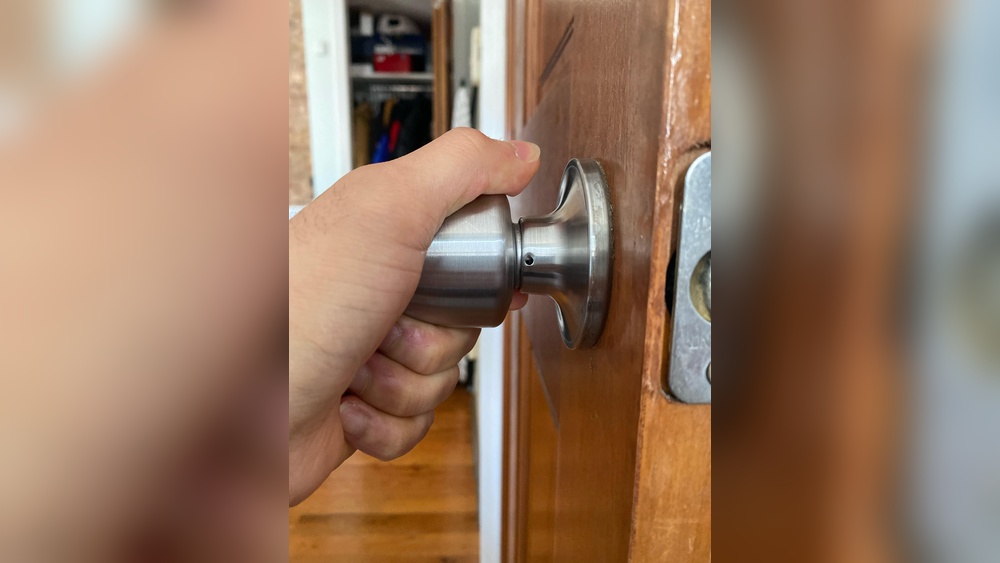
Some Lockwood models have a handle or knob covering the lock cylinder. Remove it by pulling or twisting gently. Use a flathead screwdriver if it fits into small gaps. Clearing this space reveals the lock cylinder fully.
Use A Cylinder Removal Tool Or Pick
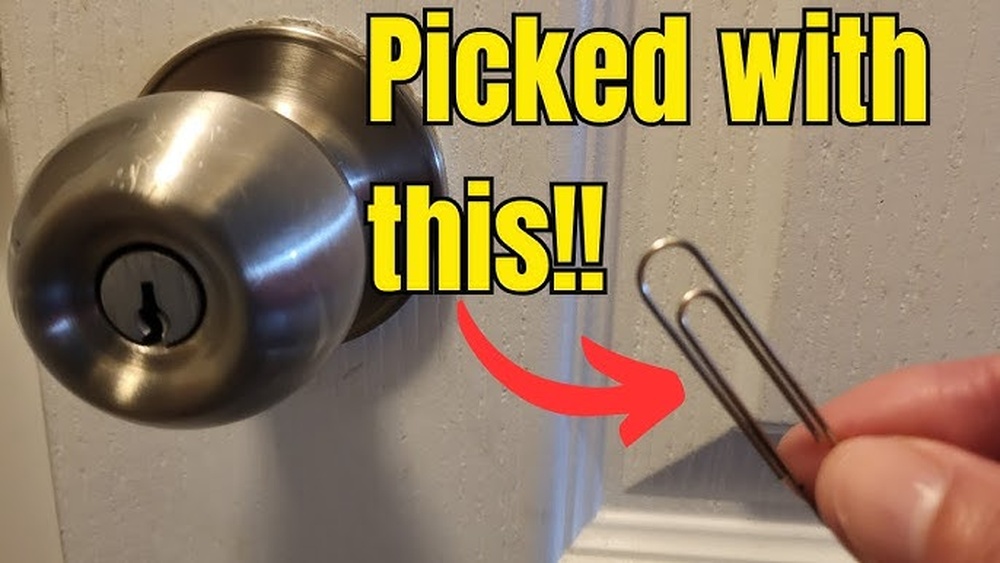
A cylinder removal tool helps pull out the lock cylinder. Insert the tool into the keyhole and turn it slowly. If you do not have one, a strong paperclip or a small hook can work. The goal is to grab and pull the cylinder out without screws.
Apply Gentle Pressure To Extract The Cylinder
Once the tool grips the cylinder, pull gently. Avoid strong force to prevent damage. Wiggle the cylinder slightly to loosen it. With patience, the cylinder will slide out smoothly.
Credit: www.reddit.com
Using A Credit Card Method
Removing a Lockwood deadbolt lock without screws can be tricky. The credit card method is a simple way to do it. This technique uses a flexible card to slide between the door and the lock. It helps push the latch back so you can open the door.
This method works best on spring bolt locks. It will not work on deadbolts with a strong metal latch. The credit card method is safe and does not damage the lock or door if done carefully.
Choosing The Right Card
Use a flexible plastic card. Old credit cards or gift cards work well. Avoid hard or thick cards. They may not bend enough to slide into the gap.
Preparing The Door
Close the door gently. Leave a small gap between the door and the frame. You need space to slide the card in easily. Make sure the lock is in the locked position.
Sliding The Card
Insert the card between the door and the frame. Aim at the edge where the latch is located. Push the card down and wiggle it. Try to slide the card behind the latch bolt.
Applying Pressure To Release The Latch
Push the card firmly against the latch. Slide it in and out slowly. The card bends to push the latch back. This frees the lock and opens the door.
Tips For Success
Use a card with a smooth edge. Work slowly to avoid breaking the card. Try different angles if the first attempt fails. Practice patience and gentle pressure.
Applying A Flathead Screwdriver
Removing a Lockwood deadbolt lock without screws can seem tricky. A flathead screwdriver helps make this easier. It fits into small gaps and lets you pry parts apart carefully.
This tool works well to separate the lock’s components. You can use it to push, twist, or lift pieces gently. The goal is to avoid damage to the door or lock.
Preparing The Flathead Screwdriver
Choose a flathead screwdriver with a thin, firm blade. A smaller blade fits better into tight spaces. Clean the blade to avoid scratching the door.
Hold the screwdriver firmly. A steady grip keeps control during prying. Safety matters to avoid slipping and injury.
Inserting The Screwdriver Between Lock Parts
Find a small gap between the lock’s faceplate and the door. Slide the screwdriver blade gently into this space. Do not force it to prevent damage.
Work the blade slowly, moving it back and forth. This loosens the lock’s hold on the door. Patience helps the lock come apart cleanly.
Prying The Lock Off The Door
With the blade in place, apply gentle upward or sideways pressure. The lock’s faceplate should start to lift. Move the screwdriver around the edges to free it evenly.
Keep pressure light and steady to avoid bending metal parts. Once loose, carefully pull the lock off by hand. The flathead screwdriver makes this step smooth.
Removing The Deadbolt From The Door
Removing a Lockwood deadbolt without screws can be simple. Start by sliding off the cover carefully. Next, use a flat tool to release the lock mechanism from the door.
Understanding The Lockwood Deadbolt Design
The Lockwood deadbolt has a unique design without visible screws. Its parts fit tightly into the door. This design keeps the lock secure and hard to remove. Knowing how it fits helps in removing it safely. The lock has two main parts: the inner thumb turn and the outer key cylinder. Both parts connect through the door’s thickness.
Accessing The Lock Mechanism
Start by locating the small slot or hole on the side of the lock. Use a thin tool, like a paperclip or a small flathead screwdriver. Insert it into the slot carefully. Press gently to release the lock’s catch inside the door. This step frees the inner part of the deadbolt. Be patient and avoid forcing the tool to prevent damage.
Removing The Inner Thumb Turn
Once the catch is released, pull the inner thumb turn away from the door. It should slide out smoothly. If it sticks, wiggle it gently while pulling. This part controls the bolt from inside the door. Removing it helps expose the locking mechanism. Keep the thumb turn safe to avoid losing it.
Detaching The Outer Key Cylinder
After the inner part is removed, the outer key cylinder loosens. Hold the door steady and pull the cylinder outward. It may require a bit of wiggling to come free. The cylinder contains the key slot and connects to the bolt. Removing both parts fully detaches the deadbolt. Now, the lock can be taken off the door completely.
Handling Stubborn Locks
Removing a Lockwood deadbolt without screws can be tricky. Sometimes, the lock sticks or feels stuck. This happens because parts inside might be tight or jammed. Patience and the right tools help a lot in these cases.
Stay calm and work slowly. Rushing can damage the lock or the door. Follow simple steps to handle stubborn locks safely and effectively.
Apply Gentle Pressure
Start by applying gentle pressure to the lock. Use a flat tool like a putty knife or a plastic card. Slide it carefully between the lock and the door. This can loosen parts without causing damage.
Use Lubricant
Spray a small amount of lubricant around the lock edges. WD-40 or graphite powder works well. Let it sit for a few minutes. Lubricant helps ease the movement of metal parts inside the lock.
Tap Lightly With A Tool
Tap the lock lightly with a rubber mallet or handle of a screwdriver. This can loosen stuck components. Avoid heavy hits to prevent damage. Gentle taps often free the lock without force.
Try Rotating The Lock Cylinder
Try turning the lock cylinder slowly. Use the key or a similar tool. This motion can help release internal parts. Move it back and forth gently to avoid breaking the cylinder.
Seek Help If Needed
When the lock still won’t budge, ask for help. A locksmith or experienced friend can provide advice. Sometimes, professional tools are needed for tough locks.
Preventive Tips For Future Removal
Removing a Lockwood deadbolt without screws can be tricky. Planning ahead helps avoid struggles later. Taking simple steps now makes future removal easier. These tips protect your lock and door. They save time and effort in the long run.
Use Removable Screws
Choose screws that are easy to remove. Use standard screws instead of security screws. This allows quick access when needed. Keep a screwdriver nearby for fast removal.
Mark Screw Positions
Mark each screw’s spot with a pencil. This helps during reinstallation. It keeps screws aligned properly. Avoids damage to the lock or door.
Keep Lock Installation Instructions
Save the manual or print instructions. Follow steps carefully during installation. This prevents mistakes that make removal hard. Instructions often show how to remove the lock.
Regularly Inspect The Lock
Check the lock for wear or damage. Tighten loose screws before they fall out. Replace broken parts early to avoid bigger issues.
Use Lubricant On Moving Parts
Apply lubricant to the lock’s moving parts. This keeps it working smoothly. Reduces the chance of jamming. Easier to remove when needed.
Frequently Asked Questions
How Can I Remove A Lockwood Deadbolt Without Screws?
To remove a Lockwood deadbolt without screws, use a flathead screwdriver to gently pry off the lock cover. Then, slide out the cylinder carefully. This method avoids damaging the door and works when screws are hidden or missing.
What Tools Do I Need To Remove Lockwood Deadbolt?
You mainly need a flathead screwdriver or a pry tool. These help to remove the lock cover and access the cylinder. No special tools are required if screws are not visible.
Is It Safe To Remove A Deadbolt Without Screws?
Yes, it is safe if done carefully. Use gentle prying to avoid door damage. Removing the lock without screws is common when screws are concealed or stripped.
How Do I Unlock Lockwood Deadbolt Without A Key?
Try using a bump key or lock pick set. Alternatively, remove the lock cylinder by prying off the cover if no key is available. Professional locksmith help is recommended for security reasons.
Conclusion
Removing a Lockwood deadbolt without screws can seem tricky. Stay calm and use the right tools carefully. Follow the steps slowly and do not rush. Small movements help avoid damage to the lock or door. Practice patience and check your progress often.
With time, you will succeed in removing the lock safely. Keep these tips handy for any future lock problems. Simple methods work best for a smooth removal. Try not to force anything to prevent breaking parts. Now, you can handle this task with confidence.