Are you tired of fumbling with keys every time you lock or unlock your door? Installing a keyless deadbolt can make your life easier and your home more secure.
Imagine unlocking your door with just a simple code—no more lost keys or hiding spare copies. In this guide, you’ll discover easy, step-by-step instructions to install a keyless deadbolt yourself, even if you’re not a DIY expert. Keep reading, and by the end, you’ll have the confidence and know-how to upgrade your home security quickly and effortlessly.
Credit: fixthisbuildthat.com
Choosing The Right Keyless Deadbolt
Choosing the right keyless deadbolt is important for home security and convenience. It is not just about picking any model. The right deadbolt fits your needs and your door perfectly. This section helps you understand different types, key features, and door compatibility. It makes your choice clear and simple.
Types Of Keyless Deadbolts
Keyless deadbolts come in several types. Keypad models use a code to unlock the door. Some have touchscreens for easy code entry. Others use a fingerprint scanner for fast access. There are also smart deadbolts that connect to your phone. Each type offers different levels of security and ease of use.
Features To Consider
Look for features that match your lifestyle. Battery life is very important. Choose one with long battery support or low-battery alerts. Check for auto-locking options to secure your door automatically. Some models offer temporary codes for guests. Weather resistance matters if the lock is outside. Ease of installation can save time and effort.
Compatibility With Your Door
Not all deadbolts fit every door. Measure your door’s thickness and backset before buying. Most deadbolts fit standard doors, but check to be sure. Some locks need a certain door edge type. Also, check if your door is metal or wood. Correct fit ensures the lock works well and lasts longer.
Tools And Materials Needed
Installing a keyless deadbolt requires some basic tools and materials. Having the right items makes the job easier and faster. Prepare everything before starting the installation. This way, you avoid delays and frustration.
Essential Tools
- Screwdriver (Phillips and flathead)
- Drill with drill bits
- Measuring tape
- Pencil or marker
- Chisel
- Hammer
- Level
Additional Supplies
- New keyless deadbolt kit
- Extra screws (usually included)
- Wood filler (for fixing old holes)
- Safety glasses
- Masking tape (to mark drill spots)
Preparing The Door For Installation
Preparing the door for installing a keyless deadbolt is the first important step. It sets the stage for a smooth and safe installation. Taking time to prepare helps avoid problems later. Follow these clear steps to get your door ready.
Removing The Old Deadbolt
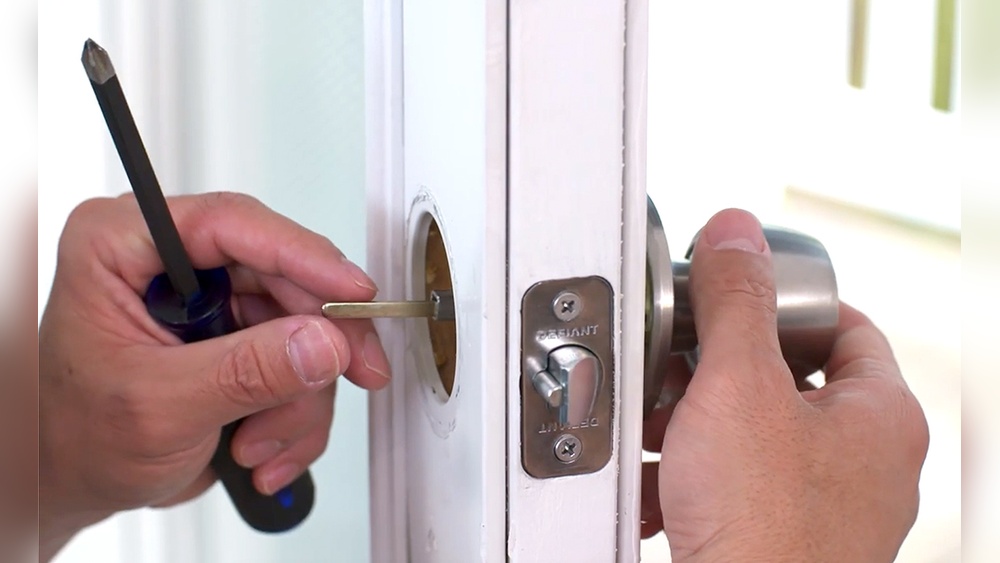
Start by opening the door and locating the screws on the old deadbolt. Use a screwdriver to remove them carefully. Pull out both the interior and exterior parts of the lock. Take out the latch from the edge of the door. Keep all screws and parts in case you need them later.
Measuring And Marking
Measure the hole in the door to ensure it fits the new lock. Check the backset, which is the distance from the door edge to the hole center. Use a pencil to mark the new drill points if needed. Mark the height for the keypad and the latch carefully. These steps help install the lock straight and secure.
Installing The Keyless Deadbolt
Installing a keyless deadbolt is a smart way to improve home security. This guide will walk you through the process step by step. You will learn how to assemble the parts, mount the units, and secure the lock for proper use.
Assembling The Components
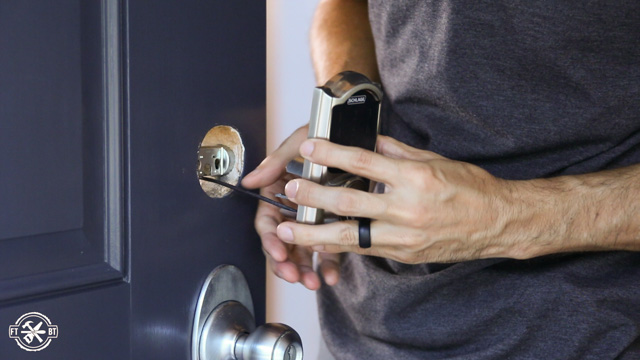
Start by unpacking all parts of the deadbolt. Check the instruction manual to identify each piece. Attach the battery pack to the interior unit. Connect the keypad or touchscreen to the exterior unit. Make sure all wires are properly aligned and secured.
Mounting The Exterior And Interior Units
Place the exterior keypad on the door’s outside. Align it with the holes for screws and the deadbolt. Hold it steady while you insert screws. Next, position the interior unit on the inside of the door. Connect the wiring from the exterior to the interior unit through the hole. Tighten screws to fix both units firmly in place.
Securing The Deadbolt
Insert the deadbolt latch into the door edge. Use screws to fasten the latch securely. Test the bolt by turning the keypad or thumb turn. Ensure the deadbolt moves smoothly without sticking. Finish by attaching the strike plate to the door frame. This holds the bolt firmly when locked.
Programming The Lock
Programming the lock is a key step to secure your home. This process lets you control who can enter. Each lock model may vary slightly. Following the basic steps ensures your keyless deadbolt works well.
Setting Up User Codes
Start by accessing the lock’s programming mode. Usually, press the programming button or enter a master code. Next, add new user codes. Choose simple numbers that you can remember.
Each user code should be unique. Avoid common sequences like 1234. Test each code to confirm it works. You can add multiple codes for family or friends.
Adjusting Lock Settings
Adjust settings to fit your needs. Set the lock’s auto-lock timer to secure the door automatically. Change sound alerts to know when the door locks or unlocks.
Disable or enable features like temporary access codes. Check the battery status often. Low battery warnings help prevent lockouts. Save your changes before exiting programming mode.
Credit: fixthisbuildthat.com
Testing And Troubleshooting
Testing and troubleshooting are vital steps after installing a keyless deadbolt. These steps ensure the lock works smoothly and secures your door properly. Checking the lock’s function helps find any issues early. Fixing problems quickly saves time and prevents frustration later.
Checking Lock Operation
Start by locking and unlocking the deadbolt several times. Use both the keypad and the manual key to test all functions. Make sure the bolt slides in and out without resistance. Confirm the lock responds immediately to keypad codes. Check the battery level to avoid power failures. Ensure the door closes fully and the lock aligns perfectly with the strike plate.
Common Issues And Fixes
The deadbolt may not lock or unlock smoothly. Tighten any loose screws on the lock or door frame. If the keypad fails, replace the batteries with fresh ones. Sticky bolts often need lubrication with a silicone spray. Misalignment causes the bolt to jam; adjust the strike plate position. Reset the lock if it does not recognize codes. Clean the keypad gently to avoid stuck buttons.
Maintaining Your Keyless Deadbolt
Maintaining your keyless deadbolt helps keep it working smoothly and extends its life. Regular care prevents common problems and ensures safety. Simple steps make a big difference.
Battery Replacement Tips
Check the battery level often to avoid sudden lockouts. Use high-quality batteries for longer life. Replace batteries as soon as the low battery alert appears. Remove old batteries carefully to avoid damage. Test the lock after replacing batteries to confirm it works well.
Routine Care
Clean the deadbolt with a soft, dry cloth regularly. Avoid harsh chemicals that can damage the surface. Lubricate the mechanical parts once a year with a silicone-based lubricant. Tighten loose screws to keep the lock stable. Test the keypad and lock functions monthly to catch issues early.

Credit: www.youtube.com
Frequently Asked Questions
What Tools Are Needed To Install A Keyless Deadbolt?
You need a screwdriver, drill, measuring tape, and the deadbolt kit. Having these tools makes installation smooth and efficient.
How Long Does It Take To Install A Keyless Deadbolt?
Installation typically takes 30 to 60 minutes. Time depends on your experience and door type.
Can I Install A Keyless Deadbolt Myself?
Yes, most keyless deadbolts are designed for DIY installation. Follow the instructions carefully for best results.
Do Keyless Deadbolts Work Without Batteries?
No, keyless deadbolts require batteries to operate the electronic locking mechanism. Always keep spare batteries handy.
Conclusion
Installing a keyless deadbolt improves home security easily. Follow each step carefully for best results. Take your time and check each part fits well. Test the lock several times before finishing. Enjoy the convenience of keyless entry every day. This simple upgrade keeps your home safe and secure.
You can do it yourself with basic tools. No need to call a professional or wait long. Stay safe with a lock that works for you.