Imagine you’re driving down the road, and suddenly, you need to change a tire or fix something under your car. Knowing how to use a floor jack on the side of the road can save you time, money, and stress.
But if you’ve never done it before, it might feel a little scary or confusing. Don’t worry—you’re about to learn simple, clear steps that will help you lift your car safely and confidently. Keep reading, and by the end, you’ll be ready to handle roadside emergencies like a pro.
Choosing The Right Floor Jack
Choosing the right floor jack is key for safe and easy tire changes on the road. A good floor jack lifts your vehicle steadily. It saves time and effort during emergencies. Picking the right one depends on your car type and where you plan to use it. Understanding the basics helps you make the best choice.
Types Of Floor Jacks
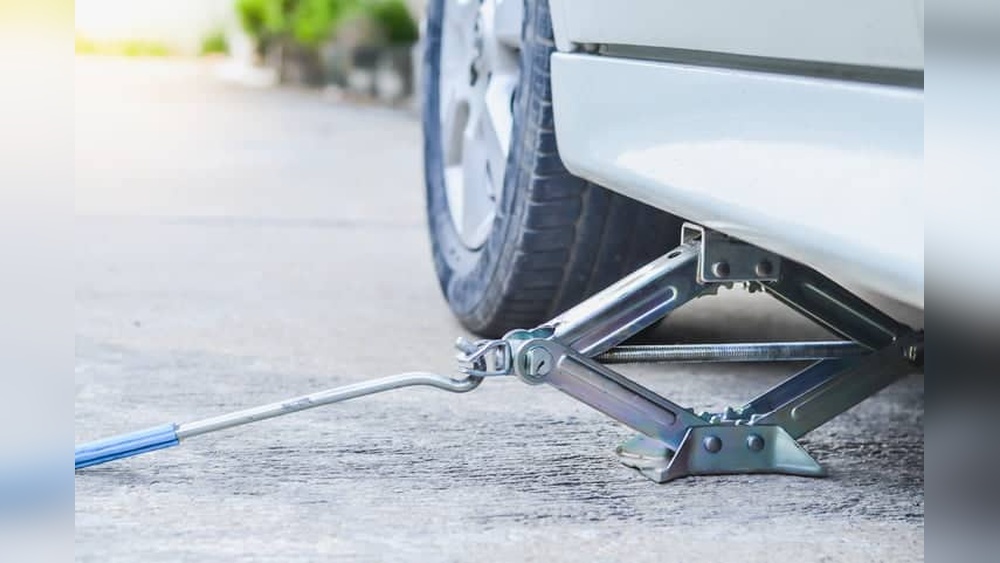
There are several types of floor jacks. Hydraulic jacks use fluid pressure to lift heavy loads. They are common and easy to use. Scissor jacks are smaller and lighter. They work with a screw mechanism. Bottle jacks look like bottles and lift with a piston. Choose a type that fits your car and comfort level.
Weight Capacity Matters
Check the weight your jack can hold. Your vehicle’s weight is important. The jack must support more than your car’s weight. This keeps you safe while lifting. A jack with too low capacity can fail. Always pick one with a higher weight limit than your vehicle.
Portability And Size
Consider the size of the floor jack. A compact jack fits easily in your trunk. It is easier to carry on the roadside. Large jacks might lift more but are harder to move. Think about where you will use it most. A portable jack makes roadside repairs quicker and less stressful.
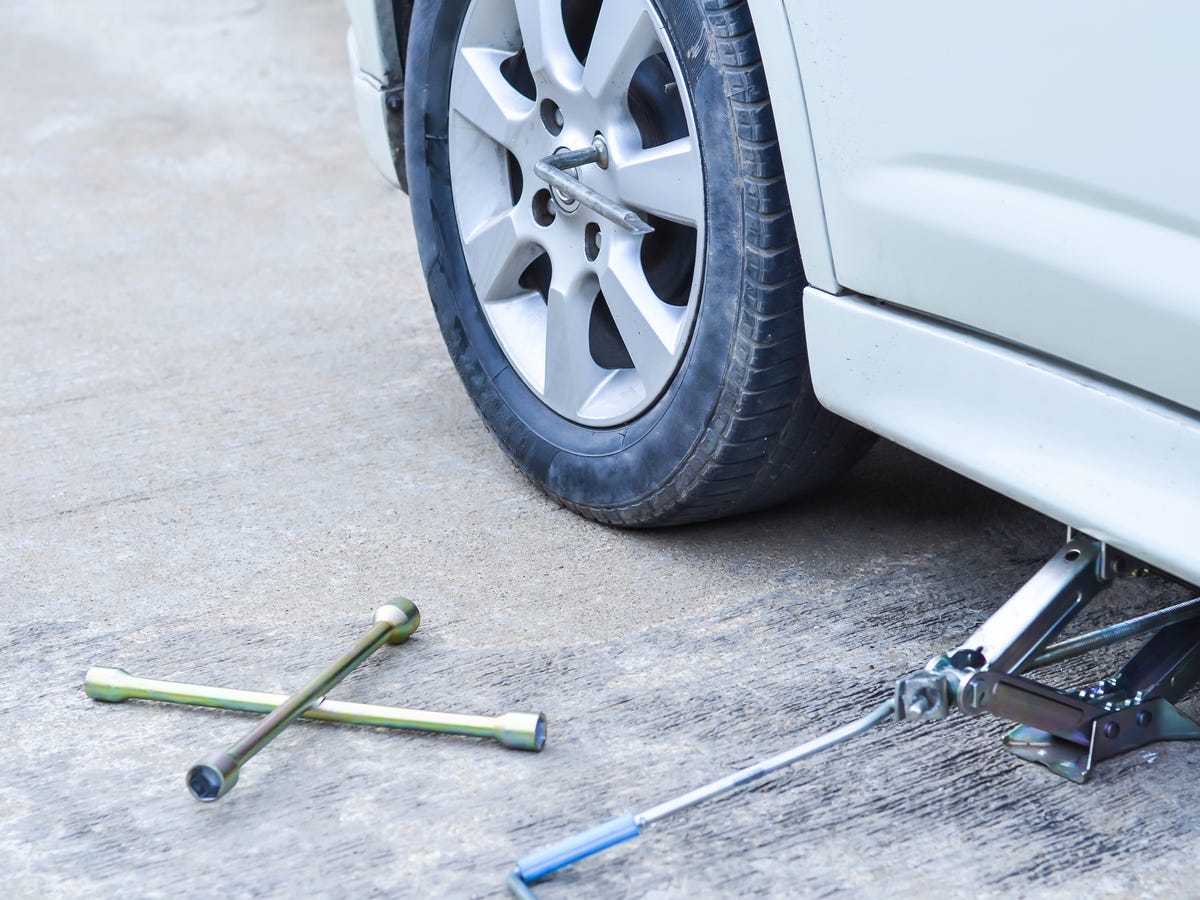
Credit: www.caranddriver.com
Preparing Your Vehicle
Preparing your vehicle is the first step before using a floor jack on the side of the road. Safety comes first. Taking the right precautions helps keep you and your vehicle secure. Follow these easy steps to prepare your car correctly.
Finding A Safe Spot To Park
Park your vehicle away from traffic. Look for a flat and stable surface. Avoid soft ground or steep slopes. A hard, level area prevents the jack from slipping. Use hazard lights to alert other drivers. Safety starts with where you park.
Engaging Parking Brake
Always set the parking brake. This stops the vehicle from moving. Pull the brake lever firmly. Double-check that the wheels are locked. The parking brake keeps your car steady during the lift.
Using Wheel Chocks
Place wheel chocks in front and behind the wheels. This blocks any chance of rolling. Use sturdy chocks designed for cars. Position them on the opposite side of the wheel you lift. Wheel chocks add an extra layer of safety.
Setting Up The Floor Jack
Setting up the floor jack properly is the first step to a safe and successful tire change on the side of the road. Correct setup helps prevent accidents and damage to your vehicle. It also makes the lifting process smoother and easier.
Locating Jack Points On Vehicle
Find the jack points on your vehicle before placing the jack. These points are designed to hold the car’s weight safely. Look for small notches or reinforced areas near the wheels. Your vehicle’s manual can help you identify these spots quickly. Using the wrong spot can damage the car or cause the jack to slip.
Positioning The Jack Correctly
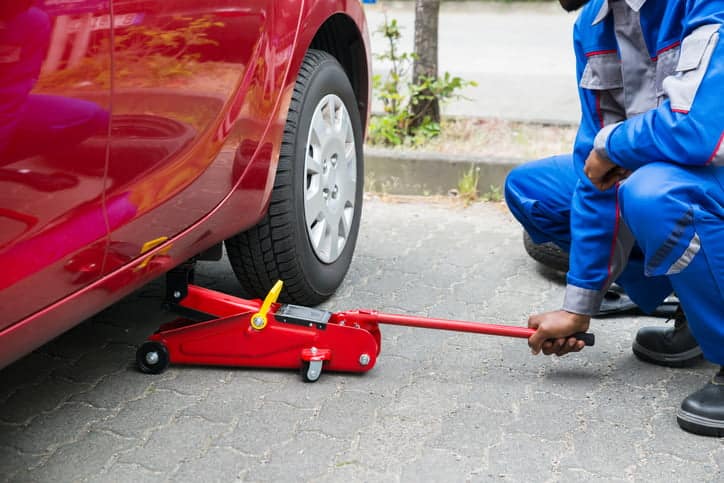
Place the jack directly under the identified jack point. Make sure the jack saddle touches the vehicle’s frame firmly. The jack handle should be easy to reach for pumping. Avoid placing the jack on soft or uneven ground. Use a flat, solid surface to keep the jack steady and secure.
Checking Stability Before Lifting
Before lifting, test the jack’s position by gently pumping it up a little. Check if the jack stays steady and does not slip. Make sure the vehicle does not move or rock. If anything feels unstable, lower the jack and reposition it. Stability is key to avoid accidents during lifting.
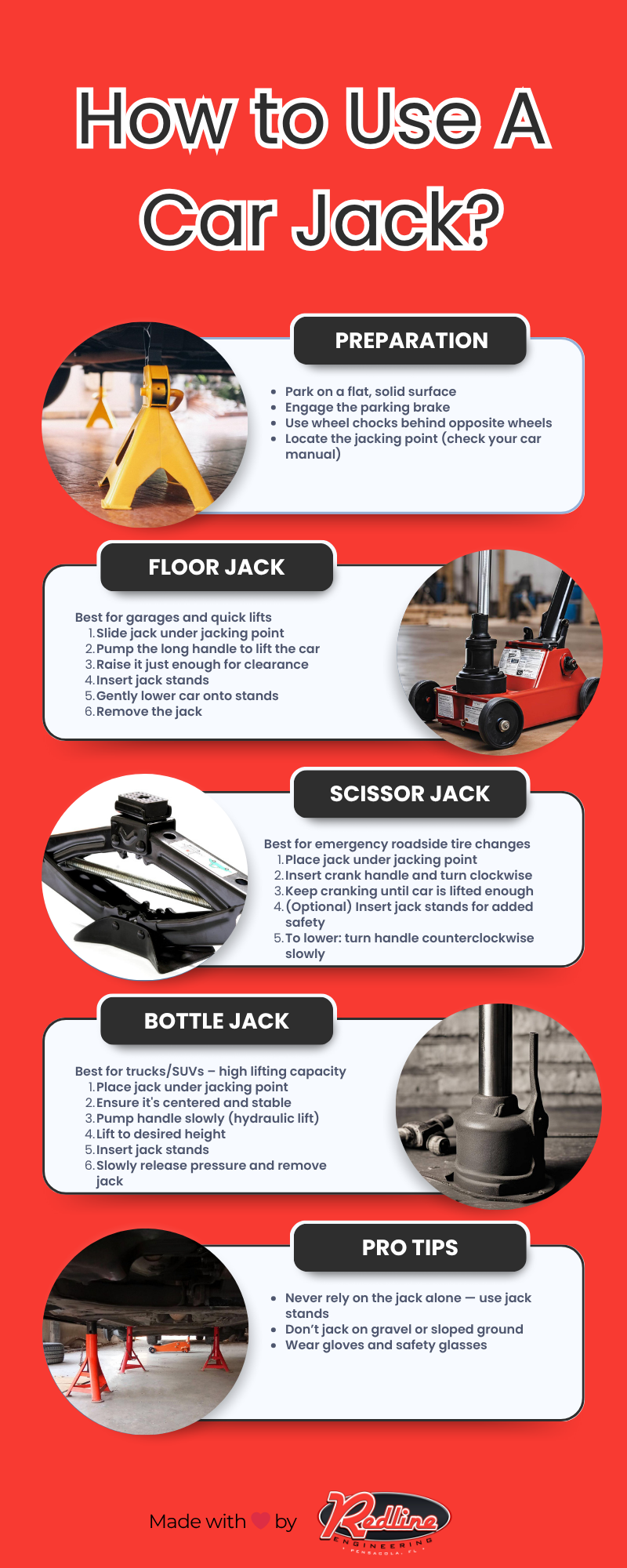
Credit: www.redlinestands.com
Lifting The Vehicle Safely
Lifting a vehicle safely is the first step to change a tire or make repairs on the side of the road. It needs focus and care to avoid accidents. Using a floor jack properly ensures the vehicle stays steady. This keeps you safe and stops damage to your car. Follow these steps to lift your vehicle with confidence and safety.
Operating The Jack Handle
Insert the jack handle into the floor jack’s socket. Turn or pump the handle slowly to start lifting. Keep a firm grip to control the movement. Avoid sudden or fast motions that could cause slips. Check that the handle moves smoothly without resistance.
Raising The Vehicle Slowly
Lift the vehicle in small steps. Stop and check the jack’s position often. Make sure the jack pad touches a solid part of the car frame. Do not raise the vehicle too high at once. Slow lifting helps keep the jack stable and safe.
Ensuring Vehicle Is Secure
Once raised, place wheel chocks or blocks behind the wheels still on the ground. This stops the car from rolling. Double-check the jack stands if you use them. Never rely on the floor jack alone for support. Stay clear of the car while lifting and working underneath.
Changing The Tire Or Performing Repairs
Changing a tire or performing repairs on the side of the road requires careful steps. Safety is the top priority. Using a floor jack correctly makes the job easier and safer. Follow these simple steps to handle the task with confidence.
Work slowly and check everything before moving on. Stay alert to traffic and your surroundings. This section explains how to remove lug nuts, replace the tire, and tighten lug nuts properly.
Removing Lug Nuts
Start by loosening the lug nuts before lifting the car with the floor jack. Use a lug wrench to turn each nut counterclockwise. Loosen them just enough to break the tight hold. Do not remove the nuts completely yet. Keep the nuts on the wheel to avoid losing them.
Replacing The Tire
Lift the car with the floor jack until the flat tire is off the ground. Remove the lug nuts fully and take off the flat tire. Align the spare tire with the wheel bolts. Push the tire onto the hub gently. Make sure the tire fits securely before lowering the car.
Tightening Lug Nuts Properly
Lower the car so the tire touches the ground but the jack still supports some weight. Tighten the lug nuts by turning clockwise with the wrench. Use a star pattern to tighten nuts evenly. This prevents the wheel from wobbling. Fully lower the car and give the nuts one last firm turn.
Lowering The Vehicle
Lowering the vehicle safely is an important step after using a floor jack on the side of the road. This process requires care to avoid accidents or damage. Follow these steps to bring your car back to the ground smoothly and securely.
Releasing The Jack Slowly
Turn the jack handle or release valve slowly. This lets the vehicle lower at a controlled speed. Avoid sudden drops that can cause damage or injury. Keep your hands and feet clear of the area under the vehicle. Watch the car as it comes down to ensure stability.
Removing The Jack
Once the car is fully lowered, remove the jack carefully. Pull it out from under the vehicle straight and steady. Place the jack on a flat surface away from traffic. This prevents the jack from tipping or rolling.
Final Safety Checks
Check the vehicle’s position after lowering. Make sure all tires touch the ground evenly. Test the parking brake to keep the car from moving. Remove any wheel chocks only after confirming the car is stable. Double-check tools and equipment before packing up.
Safety Tips For Roadside Jack Use
Using a floor jack on the side of the road can be risky. Safety must come first. Follow these tips to keep yourself safe while changing a tire or doing other repairs.
Wearing Reflective Gear
Wear a reflective vest or jacket. It makes you visible to drivers. Bright colors and reflective strips catch attention. This is very important, especially at night or in bad weather.
Using Warning Triangles Or Flares
Place warning triangles or flares behind your car. This alerts drivers that you are stopped. Set them at a good distance to give drivers time to slow down. Use flares only if safe and legal in your area.
Avoiding Traffic Hazards
Stay away from fast-moving traffic. Work on the side farthest from the road. Keep your tools close to avoid stepping into traffic. Always watch for vehicles and stay alert.
Maintaining Your Floor Jack
Maintaining your floor jack is important for safety and performance. A well-kept jack works smoothly and lasts longer. You can avoid accidents and costly repairs with simple care steps.
Check the jack often. Clean it after use. Store it in a safe place. These actions keep the jack ready for any roadside job.
Regular Inspection
Look for cracks, rust, or leaks on the jack. Check the wheels and handle for damage. Test the lifting action to ensure it is smooth. Replace parts that show wear or damage. Regular checks prevent failures during use.
Cleaning And Lubrication
Remove dirt and grease from the jack after every use. Use a cloth and mild cleaner. Avoid harsh chemicals that harm the metal. Apply oil to moving parts to keep them smooth. Lubrication stops rust and reduces friction. Clean and oil extend the jack’s life.
Proper Storage
Store the jack in a dry, cool spot. Keep it off the ground to avoid moisture. Cover it with a cloth or plastic sheet. Close the release valve to prevent dust entry. Proper storage protects the jack from damage and rust. Ready for use anytime.
Credit: www.holtsauto.com
Frequently Asked Questions
How Do I Safely Position A Floor Jack Roadside?
Place the jack on a firm, level surface close to the vehicle’s jacking point. Avoid soft or uneven ground to prevent slipping. Engage the parking brake and use wheel chocks for extra stability before lifting the vehicle.
What Type Of Floor Jack Is Best For Roadside Use?
A low-profile, portable hydraulic floor jack is ideal roadside. It offers easy maneuverability and can fit under most vehicles. Choose one with a high weight capacity and durable construction for safe lifting.
How High Should I Lift My Car With A Floor Jack?
Lift the car just enough to remove the tire and perform repairs. Avoid raising it too high to maintain stability. Always use jack stands after lifting for added safety before working under the vehicle.
Can I Use A Floor Jack On Uneven Roads?
Using a floor jack on uneven roads is risky and not recommended. Find a flat, stable spot before lifting your vehicle. Uneven surfaces increase the chance of the jack slipping or tipping over.
Conclusion
Using a floor jack safely on the side of the road keeps you and your car secure. Always pick a flat, stable spot before lifting your vehicle. Check the jack’s condition to avoid problems. Take your time and follow the steps carefully.
Knowing how to do this helps in emergencies. Stay calm and focused while working. With practice, you will feel more confident. Keep safety first and avoid rushing the process. This simple tool can make roadside repairs easier and safer.