If your Michelin floor jack isn’t working like it used to, you’re probably feeling stuck and frustrated. You rely on this tool to lift heavy loads safely and quickly, so when it fails, it can throw a wrench in your plans.
The good news? Fixing your floor jack might be easier than you think. You’ll discover simple, step-by-step solutions to get your Michelin floor jack back in top shape. Keep reading, and you’ll save time, avoid costly repairs, and regain confidence in your equipment.
Common Issues With Michelin Floor Jacks
Michelin floor jacks are reliable tools for lifting heavy objects. Still, like any equipment, they can face common issues. Knowing these problems helps you fix them faster. This saves time and money.
Many problems relate to the hydraulic system or mechanical parts. Some issues are simple to fix. Others may need more care. Let’s explore some frequent problems and how to spot them.
Leaking Hydraulic Fluid
Hydraulic fluid leaks cause poor jack performance. Look for wet spots or puddles under the jack. Leaks often come from worn seals or cracks. Check seals for damage or dryness. Replace any faulty seals to stop leaks. Clean the jack to spot new leaks early.
Jack Won’t Lift
If the jack won’t lift, the hydraulic system might be low on fluid. Check the fluid level and add more if needed. Air trapped in the system also stops lifting. Bleed the jack by opening the release valve and pumping the handle. This removes air and restores lifting power.
Jack Doesn’t Hold Pressure
The jack may lift but lose pressure slowly. This happens if internal seals leak or valves fail. Test by lifting and holding weight. If it lowers, check for worn seals. Replace bad seals or faulty valves. Tighten all connections for a secure fit.
Unusual Noises During Operation
Strange sounds like squeaks or grinding mean parts need attention. Lack of lubrication causes squeaks. Apply grease to moving parts regularly. Grinding sounds can mean damaged gears or bearings. Inspect parts for wear and replace if needed. Keep the jack clean to avoid dirt buildup.
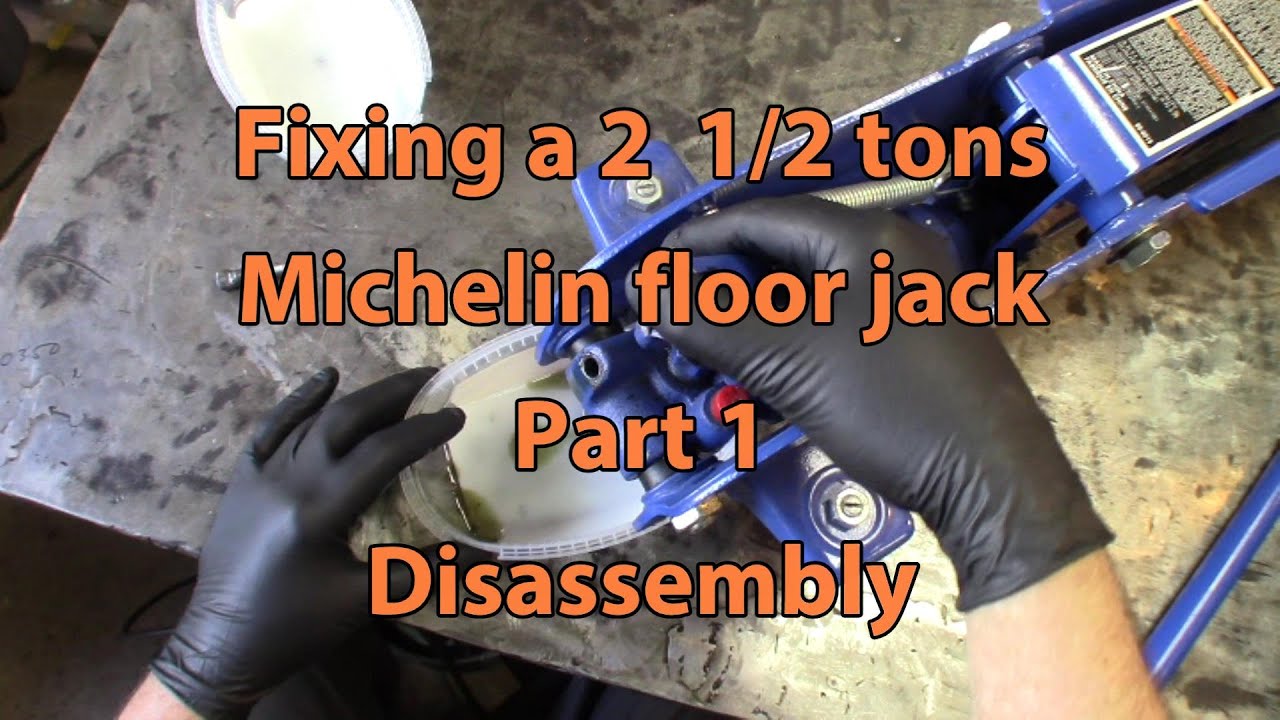
Credit: www.youtube.com
Tools And Materials Needed
Fixing a Michelin floor jack needs the right tools and materials. Using correct items makes the repair smooth and safe. Gather everything before starting the work. This saves time and avoids interruptions.
Basic Repair Tools
Start with common tools. A wrench set helps loosen and tighten bolts. Screwdrivers are needed for screws and small parts. Pliers help hold and twist wires or small pieces. A hammer can assist in removing stuck parts. A clean cloth will wipe grease and dirt.
Replacement Parts
Some parts may wear out or break. Common parts include hydraulic seals, valves, and pistons. Check the jack model to find the exact replacements. Using original parts ensures the jack works properly. Keep spare seals and valves ready for quick fixes.
Safety Equipment
Safety is key during repairs. Wear gloves to protect your hands from sharp edges. Safety glasses shield your eyes from dust and splashes. Use sturdy shoes to avoid injuries from falling tools. Work in a well-lit area to see clearly and avoid mistakes.
Fixing Hydraulic Fluid Leaks
Hydraulic fluid leaks reduce the performance of a Michelin floor jack. Fixing these leaks restores proper pressure and keeps the jack working safely. Small leaks often start in seals or connections. Checking and repairing these areas can stop fluid loss and extend the jack’s life.
Locating The Leak
Clean the floor jack to spot leaks clearly. Look for wet spots or drips around seals and joints. Check under the jack for puddles. Use a flashlight to see hard-to-reach places. Pressurize the jack slightly to help find slow leaks. Mark the exact spot to fix later.
Sealing Minor Leaks
Use hydraulic sealant or epoxy for small leaks. Clean the area thoroughly before applying sealant. Apply a thin layer over the leak spot. Allow the sealant to dry as instructed on the package. Test the jack by pumping it to check if the leak stops. Repeat if necessary, but avoid overuse of sealant.
Replacing Seals And O-rings
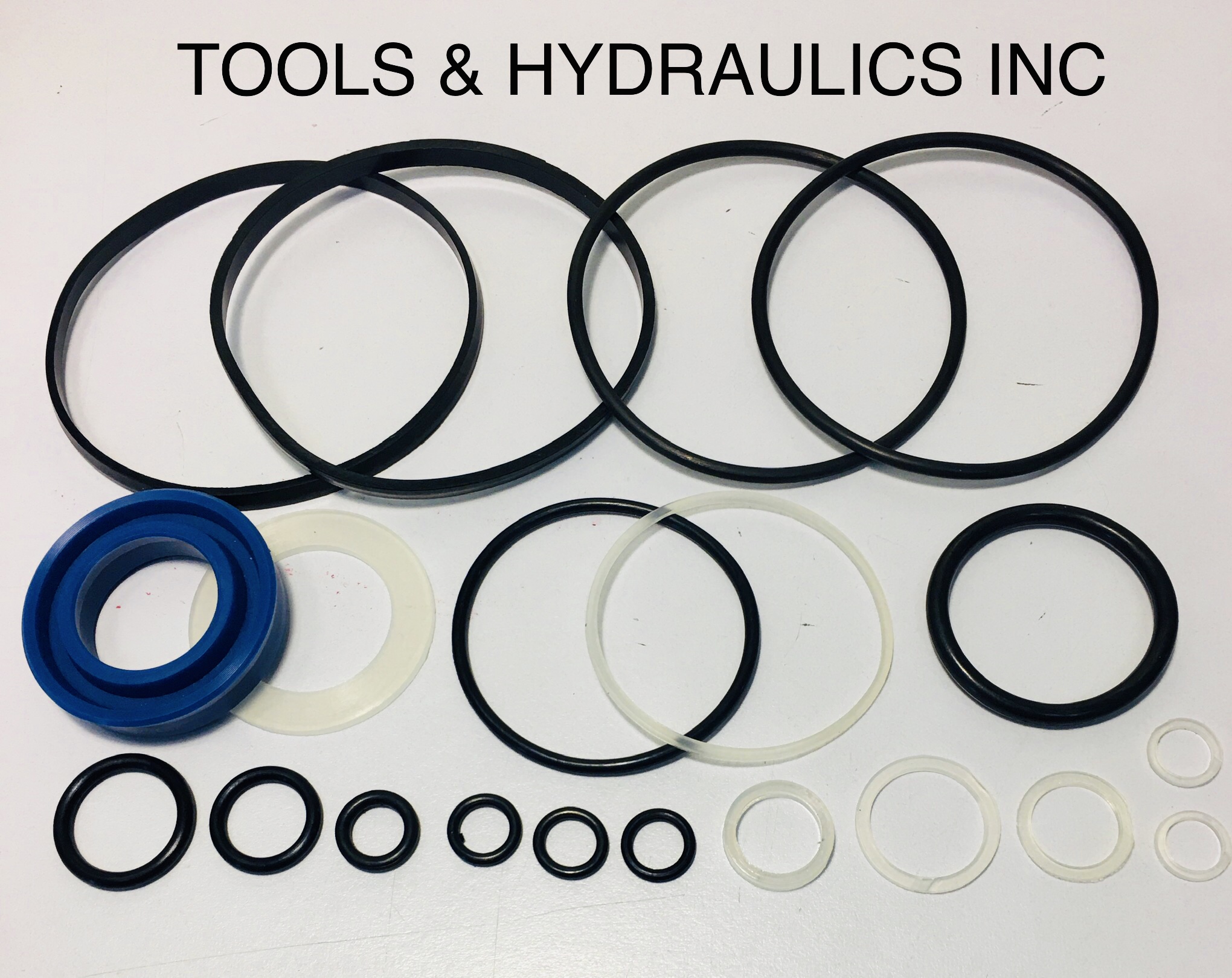
Damaged seals or O-rings cause most hydraulic leaks. Drain the hydraulic fluid before replacing parts. Remove the old seals carefully without damaging the jack. Match the new seals and O-rings to the exact size and type. Install them firmly in place. Refill the jack with clean hydraulic fluid. Test for leaks and proper lifting action.
Restoring Lifting Function
The lifting function of a Michelin floor jack may fail over time. This can happen due to air in the hydraulic system or worn parts. Fixing these issues brings your jack back to work safely and smoothly.
Below are simple steps to restore the lifting power of your floor jack. Each step focuses on a key part of the hydraulic system.
Bleeding Air From The Hydraulic System
Air trapped inside the hydraulic fluid stops the jack from lifting properly. Start by opening the release valve slowly. Pump the handle several times to push air out.
Keep the valve open until no air bubbles appear. Close the valve tightly after. This process clears the air and restores pressure inside.
Adjusting The Release Valve
The release valve controls fluid flow. If it is loose or stuck, lifting will fail. Use a wrench to gently tighten or loosen it.
Test the jack after small adjustments. The handle should pump smoothly without sinking. Correct valve adjustment keeps fluid sealed during lifting.
Checking The Pump Piston
The pump piston moves hydraulic fluid to lift the jack. Dirt or damage here reduces lifting power. Remove the piston and clean it carefully.
Look for signs of wear or cracks. Replace the piston if needed. A clean, smooth piston ensures strong lifting force.
Maintaining Pressure And Stability
Maintaining pressure and stability in your Michelin floor jack is key for safe and effective lifting. Proper care prevents accidents and keeps the jack working smoothly. Regular checks help spot problems early. This section explains simple steps to keep your jack reliable and strong.
Inspecting The Hydraulic Cylinder
Start by examining the hydraulic cylinder. Look for oil leaks or dents on the cylinder surface. Leaks reduce pressure and make lifting unsafe. Check the seals around the cylinder for cracks or wear. Replace damaged seals to keep the system tight and strong.
Replacing Worn Components
Identify parts that show signs of wear. Worn-out valves, seals, and pistons affect jack performance. Remove old parts carefully. Use replacement parts made for Michelin floor jacks. Proper fit ensures the jack maintains pressure and stability during use.
Testing Load Capacity
Test the jack’s ability to hold weight safely. Place a load within the jack’s rated capacity. Observe if the jack holds steady without lowering. If it drops or feels unstable, it needs repair or part replacement. A stable jack protects you and your vehicle during lifting.

Credit: www.hcrcnow.com
Preventive Maintenance Tips
Keeping your Michelin floor jack in good shape saves time and money. Preventive maintenance helps avoid sudden breakdowns and keeps the jack working smoothly. Follow these simple tips to extend the life of your floor jack and ensure safety during use.
Regular Cleaning And Lubrication
Clean the floor jack after every use. Remove dirt, dust, and grease from all parts. Use a cloth and mild detergent for cleaning. Avoid water near the hydraulic components.
Lubricate moving parts regularly. Use grease or oil recommended by the manufacturer. This reduces friction and wear. Pay attention to joints, wheels, and the lifting mechanism.
Proper Storage Practices
Store the floor jack in a dry and clean place. Avoid damp or dusty areas that can cause rust. Keep the jack lowered when not in use to protect the hydraulic system.
Cover the jack with a cloth or plastic sheet. This stops dust from settling on it. Proper storage prevents damage and keeps the jack ready for work.
Routine Inspections
Check the floor jack before each use. Look for leaks, cracks, or worn parts. Test the lifting and lowering functions carefully.
Inspect the wheels and handles for damage. Tighten any loose bolts or screws. Early detection of problems helps fix issues quickly and safely.
Credit: www.blackhawkparts.com
Frequently Asked Questions
How Do I Troubleshoot A Michelin Floor Jack?
Start by checking for hydraulic fluid leaks and low fluid levels. Inspect seals and replace damaged parts. Test the release valve for proper operation. Lubricate moving components and ensure the jack is clean and free of debris.
Why Is My Michelin Floor Jack Not Lifting?
This issue often results from low hydraulic fluid or air trapped in the system. Check fluid levels and bleed air by pumping the handle. Inspect for worn seals or damaged cylinders that may need replacement.
How Can I Fix A Leaking Floor Jack?
Identify the leak source, usually seals or hydraulic connections. Replace worn or damaged seals. Tighten any loose fittings. Refill hydraulic fluid to the correct level, then test for leaks before use.
What Maintenance Keeps A Michelin Floor Jack Working?
Regularly check and refill hydraulic fluid. Clean the jack after use to prevent dirt buildup. Lubricate moving parts monthly. Inspect seals and components for wear and replace them promptly to ensure optimal performance.
Conclusion
Fixing a Michelin floor jack can save time and money. Start by checking for leaks and worn parts. Tighten loose bolts and replace damaged seals. Keep the jack clean and lubricated for smooth use. Regular checks help avoid bigger problems later.
With simple care, your floor jack will work well for years. Stay safe and follow the steps carefully. Your tools deserve good maintenance to last long.