Are you tired of struggling with heavy, expensive floor jacks every time you need to lift your car or heavy equipment? What if you could build your own reliable floor jack at home using simple tools and materials?
In this guide, you’ll discover step-by-step instructions that anyone can follow, even if you’re not a mechanic. Imagine saving money, gaining confidence, and having a custom tool ready whenever you need it. Keep reading to unlock the secret to making a floor jack that works just as well as store-bought ones—without the high price tag.
Your next project starts here!

Credit: www.g-locbrakes.com
Materials Needed
Building a floor jack needs specific materials for safety and function. Gather all items before starting. This saves time and avoids interruptions.
Essential Tools
Tools make the process easier and more precise. A welding machine is key for joining metal parts. Use a drill to create holes for bolts. A grinder smooths rough edges and shapes metal. Wrenches tighten bolts and nuts securely. Safety gear protects you during work. Wear gloves, goggles, and a mask.
Required Parts
Parts form the floor jack’s structure and moving parts. Steel plates provide a strong base. Hydraulic cylinders lift heavy loads smoothly. Wheels allow easy movement of the jack. Bolts and nuts hold pieces tightly together. A handle helps to pump and operate the jack. Check all parts for strength and quality.
Choosing The Right Design
Choosing the right design for a floor jack is very important. It affects how well the jack works and how safe it is to use. Different designs suit different tasks and vehicles. Understanding these designs helps in picking the best one for your needs.
Types Of Floor Jacks
There are several types of floor jacks. The most common are hydraulic jacks, scissor jacks, and bottle jacks. Hydraulic jacks use fluid pressure to lift heavy loads easily. Scissor jacks lift by turning a screw mechanism. Bottle jacks are compact and use hydraulic pressure with a vertical design.
Each type has strengths and limits. Hydraulic jacks are smooth and fast but heavier. Scissor jacks are light but slower and less stable. Bottle jacks lift high but are tall and may not fit under low vehicles.
Selecting Based On Use
Choose a jack based on the vehicle and work type. For cars with low clearance, a low-profile hydraulic jack works best. For light repairs or emergencies, a scissor jack is simple and portable. For trucks or heavy loads, a strong bottle jack is better.
Consider the lifting capacity too. The jack must support more than the vehicle’s weight. Check the height range to fit under the vehicle and lift it high enough. Safety features like locking mechanisms add extra security during use.
Preparing The Workspace
Preparing the workspace is the first step in making a floor jack. A clean and organized area helps you work better and faster. It also keeps you safe from accidents. Set up your space so everything you need is within reach. Clear any clutter or obstacles that can cause tripping or distractions.
Safety Precautions
Safety is very important while working on a floor jack. Wear safety glasses to protect your eyes from dust and metal pieces. Use gloves to keep your hands safe from sharp edges. Work in a well-ventilated area to avoid breathing harmful fumes. Keep a fire extinguisher nearby. Avoid loose clothes that can get caught in tools. Always check your tools before use to ensure they work properly.
Organizing Tools
Gather all tools needed for the project. Place them on a table or tool rack for easy access. Arrange tools by size or use to save time. Keep screws, bolts, and small parts in containers or trays. Label containers if possible to avoid confusion. Organizing tools reduces frustration and helps you focus on the task. It also prevents losing important parts during the process.
Credit: www.classiccarrestorationclub.com
Step-by-step Construction
Building a floor jack at home is a rewarding project. It saves money and teaches useful skills. Follow these clear steps for safe and solid results. Each part must be done carefully. Precision and patience are key. Let’s start with the base, the foundation of your jack.
Building The Base
Choose strong metal sheets or thick steel plates for the base. Cut them to fit the jack size you want. Weld the pieces firmly to avoid wobbling. Add four sturdy wheels for easy movement. Make sure the wheels roll smoothly. The base must support heavy loads without bending.
Assembling The Lifting Mechanism
Use a hydraulic bottle jack or build a lever system for lifting. Attach the jack securely to the base. Connect the lifting arm to the hydraulic pump or lever. Check all bolts and pins are tight. Lubricate moving parts for smooth motion. The lifting arm should move freely and hold weight steadily.
Testing The Jack
Before full use, test the jack carefully. Place it under a heavy object. Pump or lift slowly to check stability. Listen for unusual sounds or see any wobble. Lower the object gently. Repeat the test a few times. Fix any issues before regular use. Safety is the top priority with floor jacks.
Maintenance Tips
Maintaining your floor jack ensures it works safely and lasts longer. Simple care steps keep the jack strong and ready for use.
Check parts regularly and keep the jack clean and lubricated. Proper storage protects it from damage and rust.
Regular Inspections
Look over the jack before each use. Check for cracks, leaks, or worn parts. Tighten loose bolts and nuts. Replace damaged components right away. This stops accidents and keeps the jack stable.
Lubrication And Storage
Oil moving parts to reduce friction. Use a light machine oil for best results. Clean the jack after use to remove dirt and grease. Store the jack in a dry place, away from moisture. Keep it covered to prevent dust build-up. Proper storage stops rust and keeps the jack ready.
Troubleshooting Common Issues
Troubleshooting common issues with a floor jack helps keep it safe and working well. Problems like leaks or malfunctions can stop the jack from lifting properly. Fixing these issues early saves time and prevents bigger damage. Understanding simple fixes makes using the jack easier and safer.
Handling Leaks
Leaks usually come from worn seals or loose fittings. Check the hydraulic fluid level first. Low fluid can cause poor lifting power. Tighten any loose bolts or screws around the fluid reservoir. Replace old seals with new ones to stop leaks. Clean any spilled oil to avoid slipping hazards. Regularly check the jack for new leaks to catch issues early.
Fixing Malfunctions
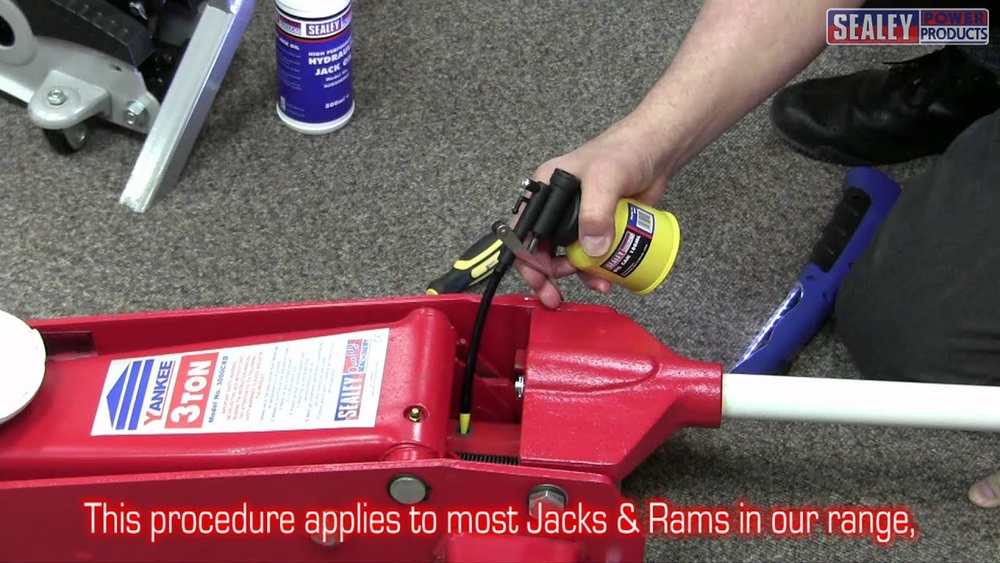
Malfunctions may cause the jack to lift slowly or not at all. Air trapped inside the hydraulic system is a common cause. Bleed the jack to release trapped air. Inspect the release valve to ensure it opens and closes correctly. Look for bent or broken parts and replace them. Lubricate moving parts to keep the jack smooth. Test the jack carefully after each fix to confirm it works well.

Credit: www.youtube.com
Frequently Asked Questions
What Materials Are Needed To Make A Floor Jack?
You need steel plates, hydraulic cylinders, a pump, wheels, and welding tools. These materials ensure strength and functionality for lifting heavy loads safely.
How Long Does It Take To Build A Floor Jack?
Building a floor jack typically takes 4 to 6 hours. Time depends on skill level and tool availability.
Is It Safe To Use A Homemade Floor Jack?
Safety depends on proper design, materials, and assembly. Always test thoroughly and never exceed weight limits to prevent accidents.
Can I Customize The Lifting Capacity Of My Floor Jack?
Yes, you can adjust lifting capacity by using stronger materials and a more powerful hydraulic pump. Ensure all parts match the desired capacity.
Conclusion
Making a floor jack at home can save money and teach useful skills. Follow each step carefully and use the right tools. Always check for safety before using your jack. Practice makes perfect, so take your time building it. A well-made floor jack helps with car repairs and lifts heavy objects easily.
Keep your workspace clean and organized for better results. Now, you have a simple guide to build a strong, reliable floor jack yourself. Try it out and see how handy it can be.