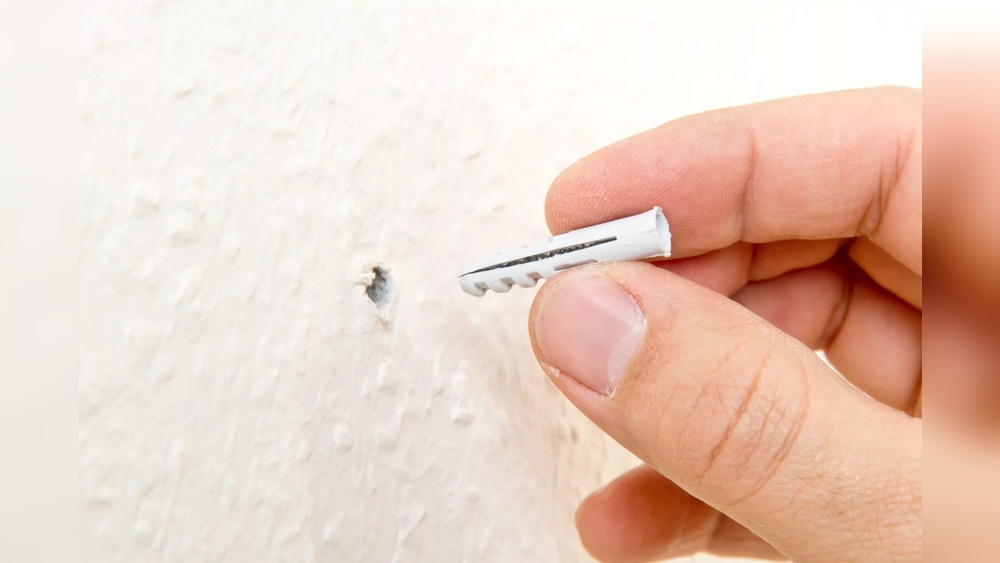
Are you struggling to get wall anchors out without damaging your walls? You’re not alone.
Removing wall anchors can be tricky, especially if you want to keep your walls smooth and clean. But don’t worry—this guide will walk you through simple, effective steps to take those anchors out safely. By the end, you’ll know exactly how to handle your walls like a pro, saving you time, frustration, and extra repairs.
Keep reading, and turn this tricky task into a quick, easy fix!
Types Of Wall Anchors
Wall anchors help secure items to walls safely and firmly. Different anchors suit different wall types and weights. Choosing the right anchor prevents damage and holds objects well. Here are common types of wall anchors and their uses.
Plastic Expansion Anchors
Plastic expansion anchors work well in drywall and light materials. They expand when a screw is pushed inside. This expansion grips the wall tightly. These anchors hold light to medium weight items. Easy to install and cost-effective.
Toggle Bolts
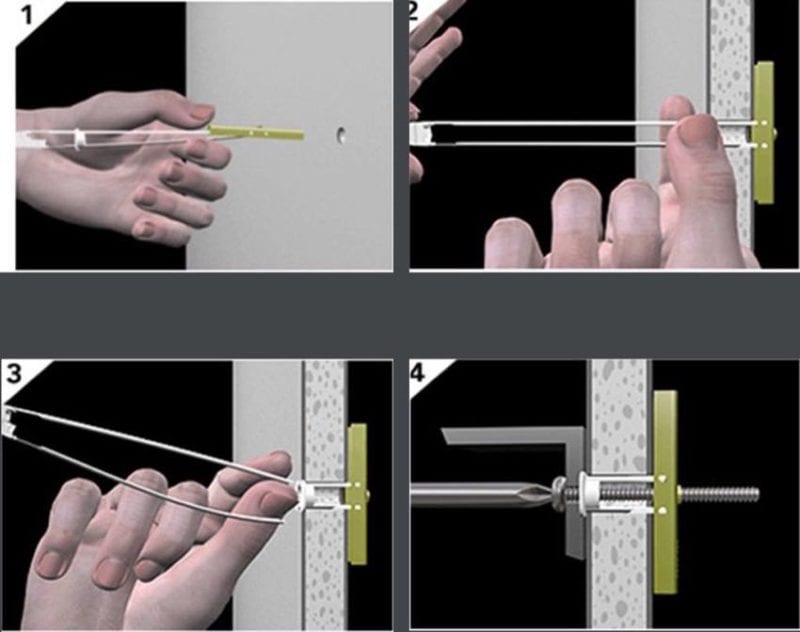
Toggle bolts have metal wings that open inside hollow walls. The wings spread the load over a wide area. They hold heavy objects on drywall or plaster. You need a large hole to insert toggle bolts. Strong and reliable for heavier items.
Molly Bolts
Molly bolts are metal anchors that expand behind the wall. They create a strong grip inside drywall or plaster. Once tightened, the bolt holds firmly in place. Suitable for medium to heavy loads. Provide a secure hold for shelves or mirrors.
Self-drilling Anchors
Self-drilling anchors do not require pre-drilling a hole. They screw directly into drywall or thin materials. These anchors save time and effort during installation. Good for light to medium weight objects. Easy to remove without wall damage.
Heavy-duty Anchors
Heavy-duty anchors are designed for very heavy items. Made from metal or strong composite materials. They work well in concrete, brick, or stone walls. Provide maximum strength and security. Perfect for mounting large shelves or heavy equipment.

Credit: www.youtube.com
Choosing The Right Anchor
Choosing the right wall anchor is important for a strong and secure hold. Different anchors work best with different walls and weights. Picking the correct type keeps your items safe and the wall intact. Understanding key factors helps you make the best choice for your project.
Assessing Wall Material
First, check the type of wall you have. Drywall, plaster, brick, or concrete all need different anchors. Drywall anchors are light and easy to install. For brick or concrete, use heavy-duty anchors made for masonry. Knowing your wall type avoids damage and ensures a firm grip.
Weight And Load Considerations
Think about the weight of the item you want to hang. Light frames need small anchors, but shelves or mirrors need stronger ones. Check the anchor’s weight limit on the package. Choose an anchor that can hold more than the item’s weight for safety.
Anchor Size And Length
Anchor size matters for a secure fit. Larger anchors spread the load better and hold heavier items. Length is also key; longer anchors reach deeper into the wall for more strength. Match the size and length with your wall’s thickness and the item’s weight.
Tools Needed For Installation
Installing wall anchors requires the right tools. These tools make the job easier and safer. Having them ready saves time and avoids mistakes.
Drill And Drill Bits
A drill is essential for making holes in the wall. Choose drill bits that match the anchor size. Use the correct bit to avoid damaging the wall.
Screwdrivers
Screwdrivers help insert screws into anchors. Use a screwdriver that fits the screw head well. This prevents slipping and stripping the screw.
Measuring Tools
Measuring tools ensure accurate placement of anchors. A tape measure or ruler works well. Measure twice to avoid errors and re-drilling.
Level
A level keeps your installation straight. It helps check if the anchors line up horizontally or vertically. This makes the final result look neat and professional.
Credit: www.protoolreviews.com
Step-by-step Installation Process
Installing wall anchors is simple and helps hold heavy items safely. Follow these clear steps to ensure a strong fit. Each step guides you through the process from start to finish.
Marking Anchor Positions
First, decide where to place the anchors on the wall. Use a pencil to mark the exact spots. Measure carefully to keep everything level and even. Accurate marks prevent mistakes during drilling.
Drilling Pilot Holes
Choose a drill bit that matches the anchor size. Drill holes at the marked spots. Drill straight and steady to avoid wall damage. The holes should be deep enough for the anchors.
Inserting Anchors
Push the anchors into the drilled holes. Tap lightly with a hammer if needed. Anchors must fit snugly, not loose or too tight. Proper fit keeps screws secure.
Securing Screws
Place screws into the anchors and tighten with a screwdriver. Turn slowly to avoid stripping the anchor. Screws should be firm but not over-tightened. This holds your item securely to the wall.
Common Installation Mistakes
Installing wall anchors seems easy but many make common mistakes. These errors can cause weak support or damage to walls. Avoiding these mistakes ensures your anchors hold tight and last long.
Incorrect Anchor Choice
Choosing the wrong anchor type is a big mistake. Different walls need different anchors. Drywall, concrete, and brick all require specific anchors. Using a plastic anchor in concrete will fail. Always match the anchor to the wall material and weight.
Overdrilling Or Underdrilling
Drilling the hole too big makes the anchor loose. Too small, and the anchor won’t fit or work properly. Both cases reduce holding power. Measure the anchor size carefully before drilling. Drill straight to avoid angled holes that weaken support.
Improper Screw Tightening
Over-tightening screws can break the anchor or damage the wall. Under-tightening leaves the anchor loose and unstable. Tighten screws just until secure. Check the anchor’s instructions for proper torque. Proper tightening keeps the anchor firm without damage.
Tips For Heavy Or Uneven Loads
Heavy or uneven loads need special care when using wall anchors. These loads can cause anchors to fail if not handled properly. Follow these tips to ensure strong and safe mounting. Proper support keeps walls and items secure.
Using Multiple Anchors
Spread the load by using more than one anchor. Multiple anchors share the weight evenly. This lowers stress on any single anchor. Space anchors correctly to balance the load well. Use strong anchors designed for heavy weights.
Distributing Weight Evenly
Place anchors where the weight spreads out. Avoid putting all weight on one point. Measure and plan where the load is heaviest. Adjust anchor placement to keep balance. Even weight stops damage to walls and anchors.
Reinforcing Mounting Points
Strengthen the area before attaching heavy items. Use wood blocks or metal plates behind the wall. This gives extra support to anchors. Reinforcement helps prevent anchors from pulling out. Always check the wall condition before mounting.
Removing Wall Anchors Safely
Removing wall anchors safely requires care and the right methods. Wall anchors come in many types, and each needs a different removal approach. Using the wrong method can damage your wall or make the hole worse. Taking time to remove anchors carefully protects your wall and makes repairs easier.
Techniques For Different Anchor Types
Plastic expansion anchors often pull out easily. Grip the anchor with pliers and pull straight out slowly. For metal anchors, try twisting gently while pulling. Toggle bolts need to be unscrewed first. Push the toggle inside the wall after unscrewing. Molly bolts require unscrewing until the anchor collapses inside the wall. This lets you pull it out smoothly. Drywall anchors sometimes stay stuck. In that case, push the anchor through the wall and patch the hole later.
Repairing Wall Damage
Small holes from anchors need filling with spackle or putty. Apply with a putty knife and smooth the surface. Let it dry completely before sanding lightly. For bigger holes, use a patch kit. Cut the patch to size and stick it on the hole. Cover with joint compound and smooth it out. Sand after drying for a flat finish. Finally, paint over the repaired area to match the wall color. This restores your wall’s look quickly and cleanly.

Credit: www.youtube.com
Frequently Asked Questions
What Are Wall Anchors Used For?
Wall anchors secure heavy items on drywall or hollow walls. They provide extra support where screws alone can’t hold firmly.
How Do You Install Wall Anchors Correctly?
First, drill a pilot hole matching anchor size. Insert the anchor flush with the wall, then screw in the fastener tightly.
Which Types Of Wall Anchors Are Best?
Plastic anchors suit light loads, while metal anchors hold heavier items. Choose anchors based on wall type and weight requirements.
Can Wall Anchors Damage Walls?
Improper installation can cause wall damage or anchor failure. Use the correct size drill bit and avoid over-tightening screws.
Conclusion
Wall anchors help hold items securely on walls. Choose the right type for your project. Drill holes carefully and insert anchors properly. Tighten screws slowly to avoid damage. These simple steps make your work strong and safe. Practice a few times to gain confidence.
Small efforts bring good results every time. You can hang shelves, pictures, or mirrors with ease. Keep safety in mind and enjoy your finished work.


