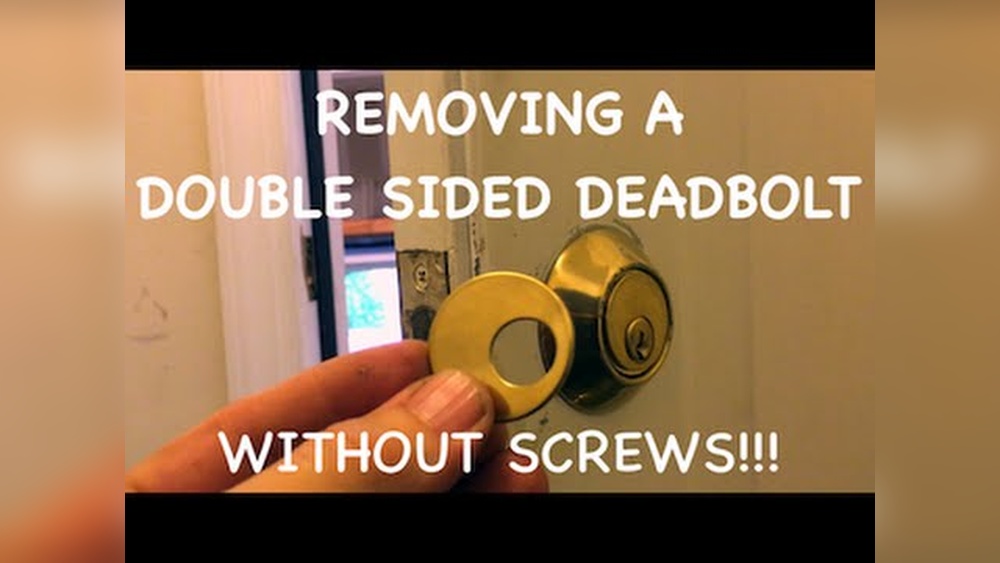
Have you ever faced the frustrating challenge of removing a deadbolt with no visible screws? It can feel like a puzzle with no solution, leaving you stuck and unsure where to start.
But don’t worry—this guide will walk you through simple, effective steps to take your deadbolt off quickly and without damage. Whether you’re updating your locks or fixing a jam, you’ll find easy-to-follow tips that save you time and hassle. Keep reading, and you’ll have that stubborn deadbolt off in no time!

Credit: www.youtube.com
Tools Needed
Removing a deadbolt without screws requires the right tools. These tools help you work safely and easily. Prepare them before starting. This saves time and avoids frustration.
Flathead Screwdriver
A flathead screwdriver helps pry off covers or panels. It fits into small gaps and lifts parts gently. Choose a size that fits the deadbolt edges well. It works best for careful prying without damage.
Putty Knife
A putty knife slides under trim or plates. It helps loosen glued or stuck parts. Its thin blade is perfect for tight spaces. Use it slowly to avoid bending or breaking the metal.
Credit Card Or Plastic Card
A plastic card can slide between the door and the deadbolt. It helps push the latch back inside. Use a card that you don’t mind bending or damaging. This tool works well if the deadbolt is stuck.
Needle-nose Pliers
Needle-nose pliers grip small parts or pins. They help pull out pieces once loosened. Their thin tips reach into narrow spots easily. Use them carefully to avoid scratching the door.
Hammer
A hammer taps parts gently to loosen them. Use a small hammer or a mallet for control. Light taps prevent damage to the door or lock. It helps when parts are stuck tightly in place.
Identify Deadbolt Type
Identifying the type of deadbolt is the first step in removing one without screws. Deadbolts come in different styles and designs. Knowing your deadbolt type helps you find the right removal method. Some deadbolts hide screws, while others use clips or special locks.
Look closely at the deadbolt on your door. Check both the inside and outside parts. Notice the shape and how it is attached. This information guides you through the removal process safely and quickly.
Single Cylinder Deadbolt
This deadbolt has a keyhole on the outside only. The inside has a thumb turn for locking and unlocking. Usually, the inside faceplate covers the screws. Sometimes, you can remove the faceplate to access hidden screws or clips.
Double Cylinder Deadbolt
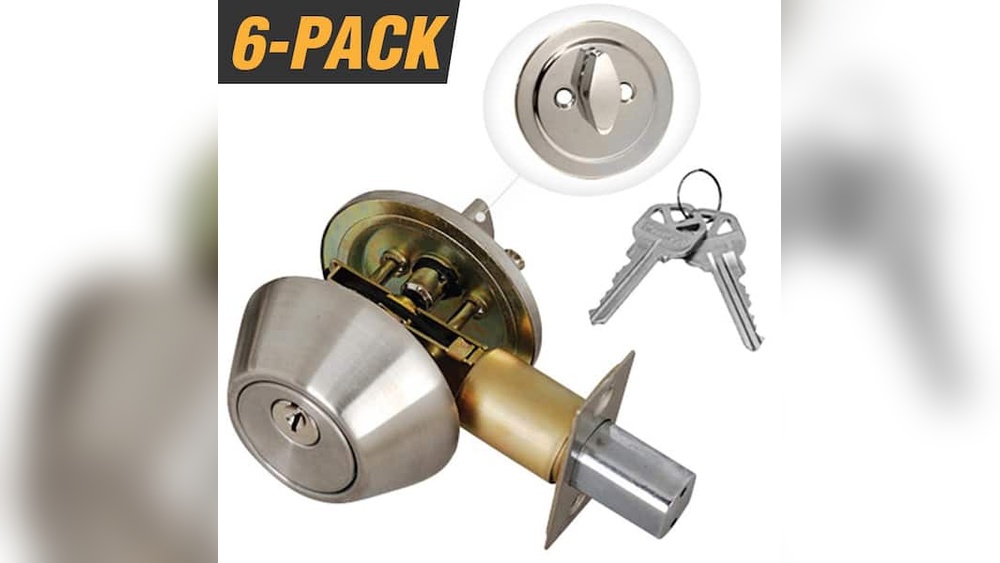
This type has keyholes on both sides. No thumb turn inside. It offers extra security but can be tricky to remove. Look for small holes or slots near the edge. These may hide release mechanisms instead of screws.
Keyless Or Electronic Deadbolt
These deadbolts use a keypad or card reader. They often have a battery compartment inside. Check for small covers or panels that snap off. Removing these covers may reveal screws or release clips.
Mortise Deadbolt
This deadbolt fits into a pocket inside the door. It usually has a decorative faceplate. The screws might be hidden under the faceplate or behind trim pieces. Gently pry these parts to check for fasteners.
Surface-mounted Deadbolt
This deadbolt mounts on the door surface. Screws are often visible but sometimes covered. Look for plastic covers or paint that hides screws. Remove covers carefully to avoid damage.
Remove Interior Thumb Turn
Removing the interior thumb turn is a key step to take out a deadbolt with no visible screws. This part controls the lock from inside the door. It often hides the method to detach the whole lock.
Start by focusing on the thumb turn itself. It might look simple, but it usually holds a hidden trick. Finding and using this trick helps remove the thumb turn safely.
Locate Hidden Release Mechanism
The interior thumb turn may have a small release button or slot. Check its edges carefully. Sometimes, you need to press or slide a tiny piece to unlock it. Use a flashlight for a better view if the area is dark.
Look for a tiny hole or a thin groove. This indicates where the release mechanism hides. Gently press or push this spot. The thumb turn should loosen or pop off easily.
Use A Credit Card Or Flat Tool
If no button or slot appears, try using a credit card or a thin flat tool. Slide it between the thumb turn and the door surface. Wiggle gently to find a catch or latch inside.
Apply gentle pressure to release the thumb turn. Avoid forceful pushing to prevent damage. With patience, the thumb turn will come off, exposing the internal parts of the deadbolt.
Detach Exterior Lock Cylinder
Removing a deadbolt without visible screws can seem tricky. The key is to detach the exterior lock cylinder first. This part holds the keyhole and connects to the internal lock mechanism. Removing it carefully allows access to the rest of the lock.
Align Lock Components
Start by turning the key in the lock. This aligns the internal parts inside the cylinder. The alignment makes it easier to slide the cylinder out. Without this step, the cylinder can get stuck.
Keep the key turned while you work. This holds the lock components in the right position. It also prevents damage to the lock parts during removal.
Slide Out The Cylinder
Once aligned, gently push or pull the exterior cylinder. Use steady pressure to slide it out from the door. Avoid forcing it to prevent breaking the lock.
If it resists, check the key position again. The cylinder should come out smoothly when aligned correctly. Removing this piece opens access to the deadbolt mechanism inside.
Extract Deadbolt From Door
Extracting a deadbolt from a door without screws can seem tough. The deadbolt fits tightly into the door. Removing it takes care and the right steps. Focus on loosening the parts inside first. Then, gently slide the deadbolt out. Follow these steps carefully to avoid damage.
Loosen Bolt Mechanism
Start by locating the bolt mechanism inside the door edge. Use a flathead screwdriver to press or pry the mechanism gently. This action loosens the bolt from its locked position. Move the screwdriver slowly to avoid breaking anything. Check if the bolt can move freely after loosening.
Slide Deadbolt Out
With the bolt mechanism loose, push the deadbolt out from the door edge. Use your hand or a tool to slide it straight out. Avoid forcing the deadbolt, as it may cause damage. If it feels stuck, loosen the mechanism a bit more. Once free, pull the deadbolt completely out of the door.

Credit: diy.stackexchange.com
Handle Stuck Or Jammed Locks
Deadbolt handles can get stuck or jammed, making removal tough. Dirt, rust, or lack of use often cause this problem. Handle issues stop the lock from turning or sliding smoothly. Fixing a stuck handle is key before removing the deadbolt. Two easy ways can help loosen the handle and ease removal.
Apply Lubricant
Start by applying a lubricant to the stuck handle. Use WD-40 or a similar spray for best results. Spray around the handle and inside the lock mechanism. Let the lubricant sit for a few minutes. This helps loosen dirt and rust inside the lock. Try moving the handle gently after waiting. Repeat the process if the handle still feels tight.
Use Gentle Tapping
Tap the handle lightly with a small hammer or a tool. This can help break up rust or debris inside. Do not hit too hard to avoid damage. Tap around the base and the keyhole area. After tapping, try turning the handle slowly. Gentle tapping often frees a jammed handle enough to move. Combine tapping with lubricant for better results.
Replace Or Repair Deadbolt
Dealing with a deadbolt that has no visible screws can be tricky. Deciding whether to replace or repair the deadbolt is the first step. This choice depends on the deadbolt’s condition and your comfort with tools.
Repairing a deadbolt can save money and time. But sometimes, replacement is easier and safer for your door’s security. Both options require a careful approach to avoid damage.
Assess The Deadbolt’s Condition
Check if the deadbolt turns smoothly. Look for signs of rust or damage. Test the key to see if it works well. A stuck or broken deadbolt often needs replacement. Minor issues might be fixed with repair.
Removing The Deadbolt Without Screws
Some deadbolts hide screws under the faceplate or use clips. Gently pry off the faceplate with a flat tool. Look for small holes or slots to release the lock. Use a credit card or thin object to slide between the door and deadbolt. Patience is key here.
Repairing The Deadbolt
Clean the deadbolt mechanism from dust and debris. Lubricate the lock with graphite or silicone spray. Tighten any loose parts inside the lock. Replace small broken parts like springs or pins. Test the lock several times after repair.
Replacing The Deadbolt
Choose a deadbolt that fits your door’s thickness. Remove the old deadbolt carefully after accessing the internal parts. Insert the new deadbolt and align it properly. Screw in the new lock parts firmly. Test the deadbolt to ensure smooth operation.

Credit: diy.stackexchange.com
Safety Tips During Removal
Removing a deadbolt with no screws can be tricky. Safety is very important during this task. Careless actions can cause injury or damage. Follow these safety tips to stay protected. Always prepare your workspace and tools carefully.
Wear Protective Gloves And Eye Gear
Protect your hands from sharp edges and metal parts. Gloves give a good grip and stop cuts. Eye protection guards against small flying debris. Safety glasses keep your eyes safe during prying or tapping.
Use The Right Tools For The Job
Choose tools designed for lock removal. Avoid makeshift tools that may slip or break. Proper tools reduce the risk of injury. They also help remove the deadbolt faster and cleaner.
Work In A Well-lit Area
Good lighting helps you see small parts clearly. It reduces mistakes and accidents. A well-lit room shows where to apply force safely. Use a flashlight if needed to improve visibility.
Keep Your Work Area Clear
Remove clutter and obstacles around your workspace. A tidy area prevents tripping or knocking things over. Keep tools organized to avoid searching while working. This focus helps maintain safety throughout the process.
Take Your Time And Avoid Force
Rushing causes slips and damage. Apply gentle pressure and steady movements. Forcing parts can break tools or lock components. Patience ensures safer removal and protects your door.
Frequently Asked Questions
How Can I Remove A Deadbolt With No Visible Screws?
To remove a deadbolt without visible screws, start by prying off the faceplate gently. Then, locate hidden clips or use a small flathead screwdriver to release internal parts. Carefully pull the deadbolt assembly apart while avoiding damage to the door.
What Tools Do I Need To Remove A Screwless Deadbolt?
You typically need a flathead screwdriver, a putty knife, and sometimes a drill. These tools help to pry, unsnap, or loosen hidden components. Having a flashlight may also help to see concealed parts better during removal.
Is It Possible To Remove A Deadbolt Without Damaging The Door?
Yes, it’s possible by carefully prying and unsnapping components. Avoid forcing parts to prevent scratches or holes. Work slowly and use appropriate tools to maintain the door’s finish and structure intact.
Why Are Some Deadbolts Installed Without Screws?
Some deadbolts use concealed fasteners for aesthetic purposes and security. This design hides screws to prevent tampering and improve the door’s appearance. It requires specific removal techniques compared to traditional screw-installed deadbolts.
Conclusion
Removing a deadbolt with no screws can seem tricky at first. Use the right tools and stay patient. Gently pry or twist parts to loosen the lock. Work carefully to avoid damage to the door. Taking your time helps prevent mistakes.
This simple method saves time and effort. Now, you can handle deadbolts without screws easily. Keep these tips in mind for any future lock removal.