Have you ever wondered how you can control one light from two different switches? It sounds like a simple trick, but understanding how a three way light switch works can save you time and money when fixing or installing lighting in your home.
Whether you’re a DIY enthusiast or just curious, this guide will break down the mystery in clear, easy steps. By the end, you’ll see your home’s lighting in a whole new light—and maybe even feel confident enough to tackle the wiring yourself.
Ready to discover the secret behind those switches? Let’s dive in.
Credit: www.youtube.com
Basics Of Three Way Switch
A three way switch lets you control one light from two different spots. It is common in homes and makes lighting more flexible. Understanding the basics helps you see why it is useful.
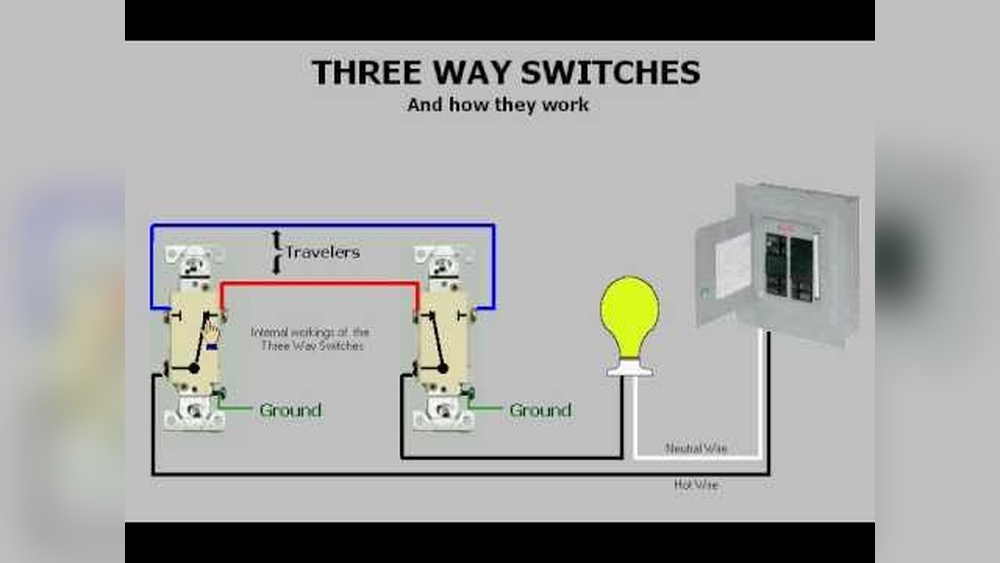
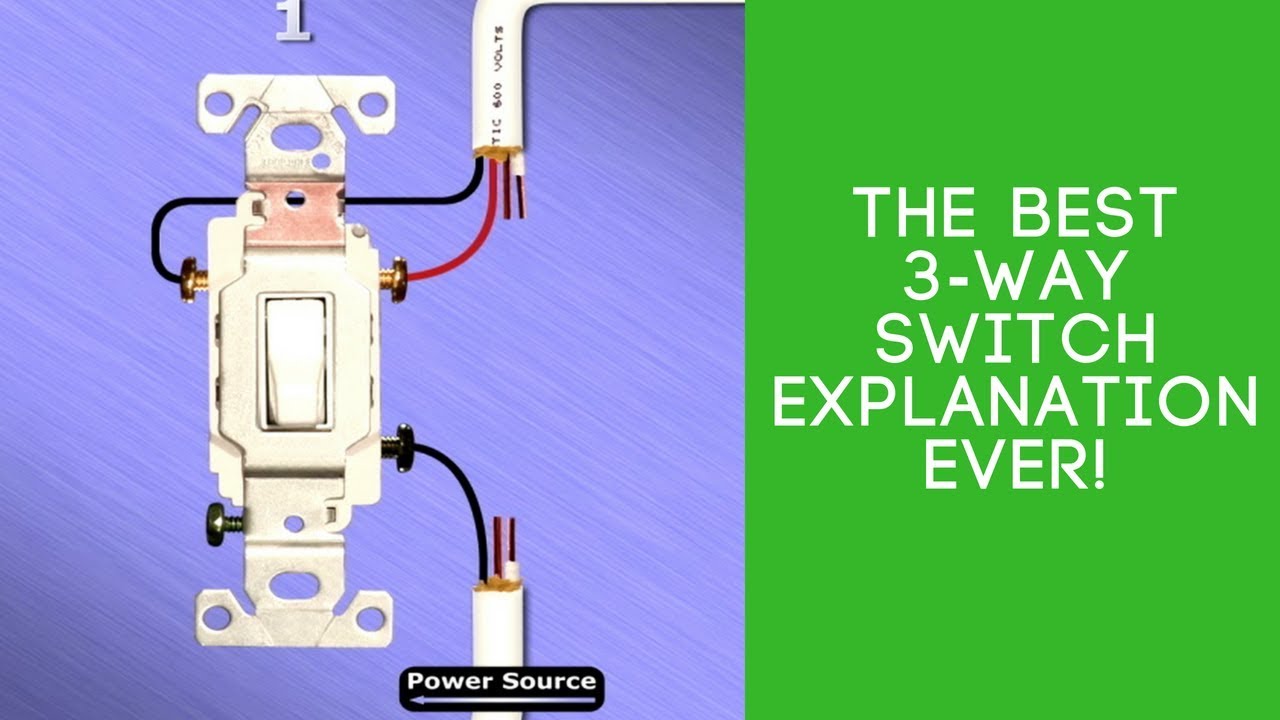
Unlike a regular switch, a three way switch has three terminals. These terminals allow the switch to send current along different paths. This creates two ways to turn the light on or off.
What Makes It Different
A regular switch has two terminals. It only controls the light from one place. A three way switch has an extra terminal called the “common.” This changes how the current flows.
The two other terminals are called “travelers.” They connect the two switches together. This connection allows either switch to control the light.
Common Uses In Homes
Three way switches appear in hallways and staircases. They let you turn lights on or off from either end. This adds safety and convenience in busy areas.
They also work well in large rooms with multiple entrances. You can control the same light without walking across the room. This setup saves time and effort.
Key Components
The key components of a three-way light switch system work together to control a light from two locations. Understanding these parts helps in installation and troubleshooting. Each element plays a crucial role in the switch’s function.
Switch Types
There are special switches called three-way switches. They look different from regular switches. Each has three terminals instead of two. These terminals connect wires to control the light from two spots. The switches work by changing the path of electricity.
Wiring Essentials
Three-way switches need specific wiring. You will find traveler wires, a common wire, and a ground wire. Traveler wires carry electricity between switches. The common wire connects to the light or power source. The ground wire ensures safety by preventing shocks.
Tools Needed
Basic tools make installation easier. A screwdriver, wire stripper, and voltage tester are must-haves. A flashlight helps in dark spaces. These tools ensure safe and proper wiring. Using the right tools avoids mistakes and hazards.
Wiring Setup
Setting up the wiring for a three-way light switch is key to making it work properly. This setup lets you control one light from two different switches. Understanding the wiring will help you install or troubleshoot the switches safely and correctly.
Identifying Wires
First, find the common wire. It usually connects to the power source or the light. Next, spot the traveler wires. These two wires carry current between the switches. They often have the same color but may be marked differently. Finally, look for the ground wire. It is usually green or bare copper and is important for safety.
Connecting The Switches
Attach the common wire to the common terminal on each switch. Connect the traveler wires to the traveler terminals. These terminals are usually brass-colored screws. Make sure the traveler wires match on both switches. Tighten the screws firmly to avoid loose connections.
Grounding And Safety
Connect the ground wires to the green grounding screw on each switch. This step is crucial to prevent electrical shocks. Use a voltage tester to check that power is off before starting. Always follow local electrical codes for safety and compliance.
Step-by-step Installation
Installing a three-way light switch allows control of one light from two different locations. The process needs care and attention. Follow these clear steps to complete the installation safely and correctly.
Turning Off Power
Start by turning off the power at the circuit breaker. This step prevents electric shock. Use a voltage tester to confirm the power is off before touching any wires.
Wiring The First Switch
Identify the common terminal on the first switch. Connect the power source wire to this terminal. Attach the traveler wires to the two remaining terminals. Secure all connections tightly.
Wiring The Second Switch
At the second switch, find the common terminal again. Connect the wire that goes to the light fixture here. Attach the traveler wires to the other two terminals. Double-check all connections.
Testing The Setup
Turn the power back on at the breaker. Test both switches by turning the light on and off from each location. The light should respond to either switch smoothly. Fix any issues before finalizing the installation.
Common Problems
Three way light switches can cause problems that confuse many homeowners. These switches control one light from two locations. Common issues include flickering lights, switches not working, or lights that stay on or off. Understanding these problems helps fix them quickly and safely.
Troubleshooting Tips
Start by turning off the power at the breaker. Test the switch by flipping it on and off. Check if the light responds from both switches. Use a voltage tester to ensure power flows correctly. Look for any signs of damage or wear on the switches.
Fixing Loose Connections
Loose wires can cause flickering or no light at all. Turn off the power before checking connections. Tighten any loose screws holding the wires. Make sure wires are wrapped correctly around terminals. Secure connections prevent electrical shorts and improve switch function.
Replacing Faulty Switches
A switch may fail due to age or damage. Remove the old switch carefully after cutting power. Note the wiring setup before disconnecting wires. Install the new switch by attaching wires to the same terminals. Test the new switch to confirm it works properly.

Credit: diy.stackexchange.com
Safety Tips
Working with a three-way light switch needs care to avoid electric shocks. Always turn off power before starting any wiring or repairs. Use a tester to check that wires are not live before touching them.
Working With Electricity
Electricity can be dangerous. Always turn off the power at the breaker before starting any work.
Use a voltage tester to make sure wires are not live. Never touch wires with wet hands.
Wear rubber-soled shoes and avoid standing on wet floors. Stay alert and move carefully.
Using Proper Tools
Use tools made for electrical work. Insulated screwdrivers and pliers protect you from shocks.
Keep your tools clean and in good condition. Damaged tools can cause accidents.
Organize your tools before starting. This saves time and keeps your work safe and smooth.
When To Call A Professional
Some tasks need special skills. If you feel unsure, call an electrician.
Complex wiring or old electrical systems can be risky. Professionals have the right knowledge.
Do not try to fix problems that seem dangerous. Your safety is the top priority.

Credit: mepacademy.com
Frequently Asked Questions
What Is A Three Way Light Switch?
A three way light switch allows control of one light from two locations. It uses two switches connected by traveler wires for this function.
How Does A Three Way Switch Wiring Work?
Three way switch wiring includes a common terminal and two traveler terminals. Electricity flows through these terminals to turn the light on or off.
Can I Replace A Single Switch With A Three Way Switch?
Yes, but you must add a second switch and run traveler wires between them. This enables control from two points.
Why Use A Three Way Light Switch?
It offers convenience by controlling lights from multiple locations. This is useful in hallways, staircases, and large rooms.
Conclusion
A three-way light switch controls one light from two places. It uses special wiring with travelers to change the light’s state. Understanding this helps you fix or install switches safely. Remember to always turn off power before working on electrical parts.
Simple steps can save time and prevent accidents. Now, you know how a three-way switch works and why it’s useful. This knowledge makes home lighting more flexible and convenient.